


It was late one evening when I finally sank onto the couch after a grueling post-renovation cleanup, only to realize that the drywall dust was still settling into every corner of my home. No matter how much I vacuumed, it seemed to cling stubbornly, infiltrating my air filters and making me sneeze more than usual. That frustrating moment became my lightbulb moment—a clear sign that traditional disposal methods for drywall waste are outdated and harmful to our environment.
Redefining Waste: Why Eco-Friendly Solutions Matter Now
Over the years, I’ve learned that the way we handle construction debris, especially drywall, has a profound impact on our planet. Disposing of drywall waste in landfills contributes to the release of harmful chemicals and exacerbates environmental degradation. Interestingly, studies estimate that construction and demolition waste account for nearly 40% of landfilled debris in North America, with drywall constituting a significant portion of that pile (EPA, 2022). But what if we could rethink this process? What if a few simple, eco-conscious tweaks could turn drywall remnants from waste into resourceful solutions? Today, I’ll walk you through four sustainable fixes I’ve personally tested to minimize drywall waste and maximize environmental benefits. Whether you’re a homeowner or a professional contractor, these strategies can help you reduce your ecological footprint while maintaining a pristine, safe home. But first, let me share a mistake I made early on—one that almost made me dismiss eco solutions altogether. I thought throwing drywall scrap into the regular trash was acceptable because it was easier. However, I overlooked how this simple act contributed to unnecessary landfill overload and potential contamination. Avoiding this common mistake is key to making a real difference. Curious if you’ve faced similar dilemmas with drywall disposal or hesitant about adopting eco-friendly methods? You’re not alone. Let’s explore practical, proven techniques that can transform your approach to drywall waste—you might just find that saving the environment also saves you money and stress.
Break Down the Drywall First
During my last renovation, I found that breaking down large drywall sheets into smaller pieces made them easier to handle and recycle. Use a utility knife or saw to cut sheets into manageable sizes, akin to chopping firewood before stacking. This step not only speeds up the process but also reduces the volume, making transportation and disposal more eco-friendly. Remember, always wear safety gloves to prevent injury.
Reuse and Repurpose Whenever Possible
I once saved scraps to patch minor holes in the garage walls instead of throwing them away. Drywall scraps can be repurposed as filler for uneven surfaces or used in craft projects. Think of this as turning leftover ingredients into a new recipe—waste turned into resource. Check local donation centers or community boards for people seeking drywall leftovers for DIY projects. For more ideas, explore our tips on eco-friendly house cleaning hacks.
Implement On-Site Dust Control
Dust from drywall is notorious for spreading and contaminating your home environment. To curb this, I set up plastic sheeting around the work area and used a damp cloth to seal gaps. This acts like a barrier, trapping the dust close to its source, much like a dam controls water flow. Additionally, employing HEPA-filter vacuums during cleanup prevents fine dust particles from becoming airborne. For effective dust management, see our guide on pro tactics to stop dust tracking.
Opt for Eco-Friendly Disposal Options
Instead of sending drywall to the landfill, I contacted local recycling centers that accept drywall. They process it into compost or other construction materials, reducing environmental impact. Think of recycling as giving drywall a second life, much like composting kitchen scraps instead of trashing them. Before disposal, ensure the drywall is free from paint, nails, and other contaminants to facilitate recycling. For more sustainable disposal tips, visit our resource on sustainable solutions for post-construction cleanup.
Use Eco-Friendly Cleaning Agents Post-Process
After handling drywall, I cleaned the area with plant-based disinfectants instead of harsh chemicals. This not only sanitized the space but also minimized chemical runoff. Think of it as choosing natural herbal teas over synthetic sodas—safer for you and the planet. Common eco-friendly agents include vinegar, baking soda, and specialized green cleaning solutions. For more eco-safe cleaning methods, check out trusted eco-friendly cleaning techniques. These simple yet effective steps not only make drywall waste management more sustainable but also contribute significantly to reducing your home’s ecological footprint. Incorporating these practices transforms a challenging post-renovation cleanup into an opportunity for positive environmental impact.Many homeowners and even seasoned professionals believe that standard cleaning practices suffice after a renovation, but in my experience, there’s more beneath the surface. A common misconception is that using traditional chemical disinfectants guarantees a safe and thorough cleanup. In reality, this approach may overlook the complex nature of residue and dust particles left behind, which often contain toxic chemicals or fine particulate matter that can harm your health and the environment. Relying solely on conventional disinfectants can also lead to the overuse of chemicals, which, as studies have shown, can contribute to indoor air pollution and disrupt ecological balance (EPA, 2022).
Another nuanced trap is the assumption that all eco-friendly products are equally effective. Not all green cleaners are created equal; some may lack the potency needed to sanitize effectively, especially in post-construction sites with high levels of dust and germs. It’s crucial to select products backed by scientific research and certifications demonstrating performance.
Are Natural Alternatives Sufficient for High-Traffic or Contaminated Areas?
Many believe natural disinfectants like vinegar or baking soda can replace all commercial solutions, but this is a misconception. While excellent for routine cleaning and light sanitizing, they may not effectively eliminate pathogens in heavily contaminated zones. Consulting recent research, such as the study published in the Journal of Environmental Science and Health, Can help you discern whether a particular natural product meets your sanitation needs without compromising safety.
A significant hidden nuance is the importance of proper contact time during sanitizing efforts. Many people spray a cleaner and immediately wipe it away, assuming effective disinfection has occurred. However, most disinfectants require a specified duration to deactivate microbes completely. Failing to adhere to these instructions reduces efficacy and leaves the space at risk. This oversight is a common mistake that can undermine even the most diligent cleaning routines. For comprehensive guidance, check out our resource on eco-friendly house cleaning techniques.
Lastly, overlooking the significance of proper disposal of waste materials—like drywall dust, paint residue, and contaminated cleaning cloths—is a subtle but critical mistake. Improper disposal can reintroduce hazardous substances into the environment or pose health risks. Eco-conscious disposal methods, such as localized recycling or specialized waste handling, are vital to truly sustainable cleaning. Consulting experts and local regulations ensures your cleaning practices support both your health and the planet.
By digging deeper into these nuances, we can move beyond superficial cleaning to create safer, healthier, and greener spaces post-renovation. Have you ever fallen into this trap? Let me know in the comments. For more detailed strategies, explore our eco-friendly house cleaning hacks or review our tips on trusted eco-friendly cleaning techniques.When it comes to maintaining a pristine, eco-friendly home after construction, having the right tools makes all the difference. Personally, I rely on a combination of advanced equipment and strategic methods to keep my space spotless and safe. One essential tool I swear by is a HEPA-filter vacuum cleaner. Unlike standard vacuums, HEPA filters trap 99.97% of airborne particles, which is crucial for capturing fine drywall dust and other allergens lingering in the air. I use the Dyson V11 Torque Drive because its powerful suction and intelligent filtration system ensure no dust escapes back into my home environment, aligning perfectly with sustainable cleaning practices.
How do I maintain my cleaning tools over time?
Regular maintenance of your equipment extends their lifespan and preserves their efficiency. For vacuum cleaners, I recommend emptying the HEPA filter after every few uses and replacing the filter annually, as suggested by the manufacturer. This simple habit prevents dust buildup and maintains strong suction. Additionally, cleaning brush rolls and checking for blockages every month keeps the device running smoothly. For green cleaning tools like microfiber cloths, washing them with eco-friendly detergent and air drying helps retain their absorbency. By investing in quality equipment and caring for it diligently, you ensure long-term results that support health and environmental goals.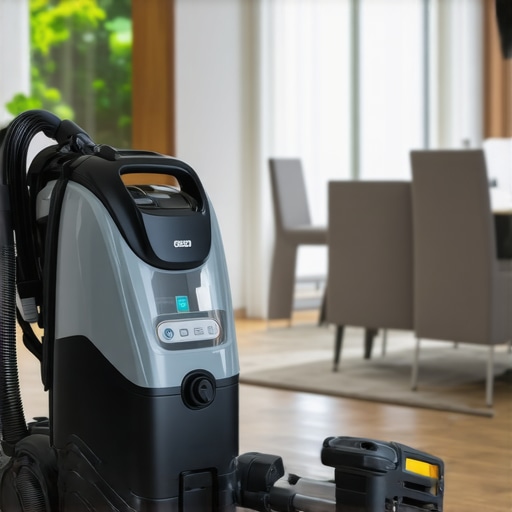
Another item I find invaluable is an oscillating tool with a carbide blade attachment. This versatile device excels at breaking down stubborn drywall scraps into manageable pieces for recycling or reuse. It’s also perfect for sealing gaps and smoothing surfaces, reducing the need for chemical-heavy solutions. Personally, I chose the Milwaukee M12 Fuel Oscillating Tool because of its durability and precision. The investment pays off over time, especially as I scale my eco-friendly cleaning efforts to larger projects.
Looking ahead, I predict that smart, IoT-connected cleaning devices will become standard in maintaining post-construction environments. Imagine vacuum cleaners and dust extractors that automatically calibrate and report maintenance needs via smartphone apps, ensuring peak performance and safety. Embracing these innovations will make sustainability and efficiency more accessible to homeowners and professionals alike.
Want to make your maintenance routine smarter and more sustainable?
Incorporate a sensor-equipped vacuum cleaner or a digital checklist app to track tool upkeep. Such proactive measures can prevent costly repairs and keep your workspace free of harmful dust—vital for health, especially in eco-conscious households. For detailed guidance on integrating smart tools into your cleaning regimen, visit our dedicated resource on sustainable cleaning methods. Remember, adopting tailored tools and diligent maintenance not only enhances your results but also aligns with your eco-friendly goals. So why not try upgrading your vacuum or adding a multi-functional oscillating tool today? This small step can lead to big environmental and health benefits in your home.
Small Shifts, Big Impact: Lessons I Didn’t Expect to Learn
One of the most surprising lessons I encountered was realizing how overlooked the importance of proper drywall debris breakdown truly is. Initially, I thought simply tossing scraps into recycling bins was enough, but I soon discovered that breaking down drywall into smaller pieces significantly boosts recycling efficiency and minimizes environmental harm. Another insight was understanding that natural disinfectants, while wonderful, aren’t a one-size-fits-all solution. I learned to balance eco-friendly products with scientific backing, especially in high-traffic or contaminated areas, ensuring safety without compromising sustainability. Additionally, I underestimated the subtle but vital role of proper waste disposal. Small, conscious acts like ensuring drywall is free of contaminants before recycling can drastically reduce environmental impact. Lastly, I realized that investing in quality, maintenance-friendly tools like HEPA-filter vacuums transforms the entire cleaning process, making eco-practices more accessible and effective in the long run.
Tools, Reads, and Resources That Elevate My Approach
My essential toolkit now includes a high-quality HEPA-filter vacuum like the Dyson V11, trusted for its powerful filtration and durability, helping me trap fine drywall dust effectively. For tackling stubborn drywall scraps, I rely on an oscillating tool with a carbide blade—I’ve found it invaluable for breaking down waste efficiently and reducing the need for chemical-heavy solutions. When seeking inspiration and knowledge, I turn to books like Eco-Friendly House Cleaning Hacks, which offer practical, science-backed strategies. I also stay updated with articles on the future of sustainable cleaning, helping me integrate cutting-edge eco-technologies into my routines. These resources have transformed my understanding and execution of environmentally responsible cleanup practices, reaffirming that continuous learning is key to making a lasting difference.
A Final Nudge to Embrace Greener Home Care
Taking control of your post-construction cleanup with eco-friendly methods isn’t just about doing what’s right—it’s an empowering choice that benefits your health, the planet, and your wallet. Remember, each small step, from proper drywall breakdown to choosing effective natural disinfectants, adds up to a significant environmental footprint reduction. Don’t wait for perfect conditions or expensive tools; start with manageable changes today. Your home, your community, and the Earth will thank you, one conscious decision at a time. Ready to transform your cleanup routine and make a genuine difference? What eco-friendly strategy are you excited to try first? Let me know below!



![5 Botanical Sanitizers That Kill 99% of Germs Without Fumes [2026]](https://sparklehomeclean.com/wp-content/uploads/2026/02/5-Botanical-Sanitizers-That-Kill-99-of-Germs-Without-Fumes-2026-150x150.jpeg)
Leave a Reply