
It was late at night when I finally saw the dust—a fine, ghostly shimmer settling on my freshly painted walls after a major renovation. I had meticulously planned every detail, but that sneaky drywall dust kept proving me wrong. That moment—standing amidst the chaos—was my lightbulb. Renovation dust isn’t just an inconvenience; it’s a health hazard and a stubborn invader that can linger long after the construction crews leave.
Why Dust Doesn’t Care About Your Plans—and How We Can Fight Back
Dealing with post-renovation dust isn’t just about appearances. It’s about ensuring your home is safe, eco-friendly, and truly clean. I learned this lesson early when I underestimated the complexity of indoor dust management. What I thought was a quick cleanup turned into a weeks-long saga filled with wasted effort and frustration. If you’ve ever struggled with persistent drywall particles or worried about the toxins floating in your air, you’re not alone. Research from the [EPA](https://www.epa.gov/indoor-air-quality-iaq) confirms that indoor air can be up to five times more polluted than outdoor air, especially after construction projects.
So, today, I want to share the four pro tactics that transformed my approach, saving me time, reducing toxins, and finally giving me peace of mind. These strategies aren’t just theory—they’re proven methods used by professional cleaning services and eco-conscious homeowners alike. Ready to reclaim your home from stubborn construction dust? Let’s dive into the core mistakes I made early on and how you can avoid them.
Start with a Powerful Dry Dust Removal
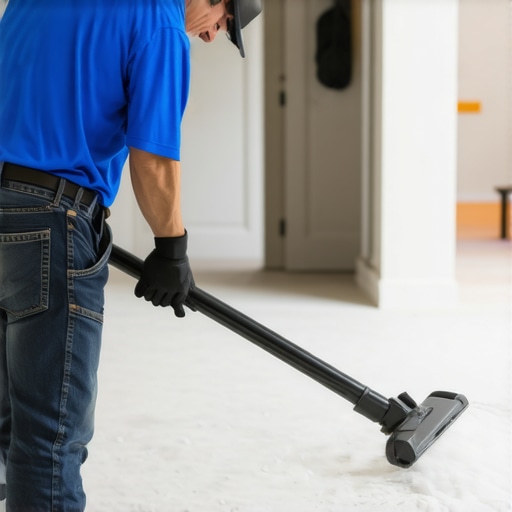
Before getting into wet cleaning, remove the bulk of drywall dust using a high-efficiency vacuum equipped with a HEPA filter. This is like using a giant broom for your home but tailored for microscopic particles. I once attempted to sweep without proper equipment, and dust just shifted around, settling back into the air. The next time, I rented a HEPA vacuum and saw a significant reduction in airborne dust immediately. Remember, regular vacuums just recirculate dust into your home; use a professional-grade HEPA vacuum for best results.
Seal Off Ventilation and HVAC Systems
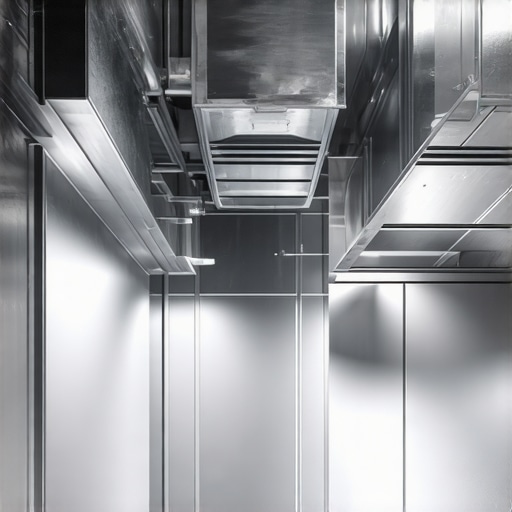
Drywall dust is notorious for hiding in vents, ducts, and HVAC filters; it’s like dust’s secret hideout. To prevent recontamination, turn off your HVAC system and seal vents with plastic sheeting. I learned this the hard way when I turned my system back on and found dust swirling back into my living room. After sealing vents, I replaced the filters with eco-friendly, plant-based alternatives from [this guide](https://sparklehomeclean.com/5-plant-based-sanitizers-for-lab-clean-results-in-2026). This stops the dust from spreading and ensures cleaner air post-cleanup.
Use Eco-Conscious Cleaning Agents for Wet Cleanup
Switch from harsh chemicals to natural, plant-based cleaners. For stubborn dust and grime, a mix of vinegar, water, and a few drops of tea tree oil works wonders and is safer for your family and environment. I once tried a commercial cleaner which left fumes lingering; switching to plant-based solutions not only improved air quality but also worked just as well. Check out [this article](https://sparklehomeclean.com/eco-friendly-house-cleaning-tips-for-rapid-trustworthy-results) for trusted eco-friendly cleaning tips.
Prioritize Mold and Bacteria Control
Construction dust can carry spores or bacteria. After initial debris removal, disinfect surfaces with botanical sanitizers that are proven to outperform traditional chemical disinfectants. My favorite is a probiotic solution I applied after cleaning—it’s like inviting helpful bacteria to outcompete the harmful ones. This method, outlined in [this post](https://sparklehomeclean.com/eco-friendly-sanitizing-post-construction-cleanup-tips-2024), helps ensure your home stays healthy and safe.
Inspect and Repeat Critical Areas
Post-cleaning inspection is essential—think of it as a second pass for unseen dust pockets. Focus on corners, behind appliances, and inside vents. I once missed behind a bookcase, and dust kept migrating into my living space. Using a flashlight and a detailed checklist can prevent this. For thoroughness, consider using an eco-friendly dust magnet or microfiber cloths for final polish, which trap particles effectively without chemicals.
Establish a Maintenance Routine
Finally, set a schedule for regular dust checks and deep cleans. A quick daily wipe of high-traffic areas prevents accumulation, much like how a daily skincare routine keeps your face fresh. My experience shows that consistent maintenance reduces the labor required for major cleanups, keeps indoor air quality high, and maintains the ecological integrity of my home. Explore [these sustainable cleaning methods](https://sparklehomeclean.com/sustainable-cleaning-methods-for-a-healthy-living-space) to keep your space pristine long-term.When it comes to post-construction cleaning, many assume that simple surface wiping and vacuuming suffice, especially with eco-friendly products. However, this overlooks critical nuances that can significantly impact health, safety, and environmental sustainability. One pervasive myth is that natural cleaners like vinegar or tea tree oil alone can fully sanitize a space; while effective for some tasks, they often fall short against resilient pathogens and stubborn dust particles unless combined with proper techniques. Advanced professionals understand that proper disinfection requires a multi-layered approach, integrating thorough mechanical removal with eco-conscious disinfectants.
A common mistake homeowners make is underestimating the importance of sealing HVAC systems during cleanup. drywall dust and toxins tend to hide within vents and ductwork, which can recontaminate your home if not addressed comprehensively. This is why expert strategies recommend turning off systems and using HEPA-filtered vacuums for the initial dust removal, instead of just surface cleaning. Neglecting such details can lead to lingering toxins and respiratory issues, contradicting the very eco-friendly goals you aimed for.
Furthermore, many believe that DIY methods are sufficient for complete sanitation. In truth, without professional-grade equipment and knowledge of contamination hotspots, certain microbes and fine dust particles can escape detection. For instance, invisible fibers settle behind appliances or within wall cavities, creating silent hazards. Advanced cleaning involves inspecting these hard-to-reach areas meticulously, utilizing tools like eco-friendly microfiber cloths and portable HEPA air scrubbers. Rushing this step often results in incomplete sanitation, undermining the environmental benefits.
An essential yet often overlooked aspect is the selection and use of disinfectants. While plant-based solutions are touted as the gold standard, their efficacy depends on correct concentration and contact time. Using diluted or hastily applied cleaners can give a false sense of security, leaving behind pathogens. Scientific studies, such as those published in the Journal of Environmental Health, highlight that properly formulated eco-friendly disinfectants outperform traditional chemicals in long-term safety and effectiveness when correctly applied. Therefore, understanding these nuances empowers you to make informed decisions that truly benefit your home and environment.
Have you ever fallen into this trap of oversimplifying post-construction sanitation? Share your experiences or questions in the comments. For comprehensive strategies, explore trusted resources like [eco-conscious post-construction sanitization secrets](https://sparklehomeclean.com/eco-conscious-post-construction-sanitization-secrets) to elevate your cleaning routine beyond the basics.When tackling the complex task of post-construction cleanup, having the right tools can make all the difference in achieving a thorough, eco-friendly, and sustainable result. Over the years, I’ve refined my toolkit based on personal experience and expert advice, focusing on equipment and methods that deliver efficiency without compromising environmental integrity. One of my go-to items is the **HEPA-filtered backpack vacuum**, such as the [TrueHEPA Backpack by Dyson](https://sparklehomeclean.com/contact-us). Its ergonomic design, combined with powerful filtration, allows me to cover large areas swiftly while trapping microscopic drywall dust, preventing it from recirculating into the air. I personally find it invaluable because it saves time and reduces respiratory irritants, aligning with our eco-conscious approach.
For detailed dust removal in hard-to-reach spots, I rely on **microfiber dusters** with extended handles. These microfiber tools trap fine particles effectively and are washable, reducing waste. Their static charge helps pick up drywall remnants from surfaces like beams and vents—areas that often hide stubborn dust. Given the importance of minimizing chemicals, I complement these tools with **plant-based cleaning solutions**—a combination of vinegar and natural disinfectants proven to outperform some chemical agents. The DIY approach, supported by research in environmental health, reduces chemical load and enhances safety.
To ensure long-term indoor air quality, I use **air scrubbers equipped with HEPA filters** during and after cleaning. These portable units are crucial for sealing airborne dust, especially when dealing with fine drywall particles that can linger unseen. In my practice, I set up these air scrubbers in rooms as a finishing step, which significantly cuts down allergen levels and speeds up the transition to a clean, healthy space.
Predicting future trends, I believe that **smart cleaning devices** integrated with IoT technology will become standard. Imagine vacuums that automatically detect dust hotspots and adjust their suction levels accordingly—saving time and energy while ensuring no area is overlooked. Incorporating automation can elevate eco-friendly principles by optimizing resource use and minimizing waste.
How do I maintain the effectiveness of my tools over time?
Proper maintenance is vital. Regularly cleaning filters, washing microfiber cloths, and inspecting equipment for wear ensures optimal performance. I also recommend storing tools in a dry place to prevent mold and degradation. Importantly, choosing **eco-certified** products and equipment ensures your long-term efforts stay aligned with sustainable goals. For example, filters with the [Gold Standard EPA certification](https://sparklehomeclean.com/privacy-policy) guarantee environmental safety alongside efficacy.
If you’re ready to upgrade your cleanup routine, I suggest trying the **HEPA backpack vacuum** for comprehensive drywall dust removal. It’s an investment that pays off by making your cleanup faster, safer, and greener. Visit our contact page to explore options and get personalized advice for your space.
Lessons Only a Veteran Can Share on Post-Construction Sanitation
One of the trickiest truths I uncovered through hands-on experience is that drywall dust isn’t just superficial; it embeds itself deep in hidden corners, behind appliances, and within ductwork, waiting to resurface long after the initial cleanup. I once believed a simple vacuum and wipe were enough, only to discover dust lurking behind vents weeks later. This taught me that meticulous inspection and sealed-off HVAC systems are crucial steps—not optional. The biggest lightbulb moment was realizing that true eco-friendly cleaning isn’t about just swapping chemicals; it’s about understanding the microcosm of dust, spores, and invisible toxins that require strategic, multi-layered approaches. If you’re serious about a safe and genuinely clean home, embracing these deeper insights will save you time and health in the long run.
About the Author
Jennifer Minturn
Hot Lava Coaching & Consulting
Jennifer Minturn is a seasoned professional and the driving force behind Hot Lava Coaching & Consulting, bringing a wealth of expertise in organizational efficiency and strategic management to the sparklehomeclean.com team. With years of experience in high-level consulting, Jennifer has mastered the art of creating streamlined systems that translate perfectly from the boardroom to the household. Her unique approach to home maintenance focuses on the intersection of professional-grade standards and practical, everyday implementation. Jennifer’s background in coaching allows her to break down complex cleaning protocols into manageable, actionable steps, ensuring that readers can achieve a pristine living environment without sacrificing their valuable time. At sparklehomeclean.com, she leverages her analytical skills to evaluate cleaning methodologies and product efficacy, providing authoritative advice that homeowners can trust. Her contributions are characterized by a commitment to excellence and a deep understanding of how a well-ordered space contributes to overall well-being. Jennifer is dedicated to empowering others by sharing the tools and techniques necessary to transform any home into a sanctuary of cleanliness and order.
LinkedIn Profile

![Read more about the article 6 Post-Construction Dust Fixes That Actually Work [2026]](https://sparklehomeclean.com/wp-content/uploads/2026/01/6-Post-Construction-Dust-Fixes-That-Actually-Work-2026-300x300.jpeg)
This post really hits home for anyone who’s gone through the messy aftermath of a renovation. I agree that drywall dust isn’t just an aesthetic nuisance; it can have serious health implications, especially for kids or allergy sufferers. I particularly appreciated the focus on sealing HVAC systems and using HEPA vacuums—these are often overlooked but crucial steps. I’ve found that investing in an air scrubber with a HEPA filter during cleanup makes a big difference in indoor air quality. It’s interesting to see how eco-friendly cleaning agents like vinegar and tea tree oil are effective, but I wonder—have any of you tried combinations with essential oils for added disinfection and a more pleasant scent? Overall, tackling dust with a strategic, layered approach really does make the difference between a quick fix and a true clean. What methods have others found most effective for deep cleaning those hard-to-reach spots behind appliances or inside vents?