I vividly remember the moment I realized my usual cleaning routine just wasn’t cutting it anymore. I was scrubbing the kitchen counters, breathing in that faint chemical smell, and feeling a twinge of guilt for using harsh cleaners around my family. It hit me—what if there was a better way? A way to keep my home spotless and safe without compromising my eco-values. That lightbulb moment launched me into a relentless search for effective sanitizing solutions that genuinely align with sustainable living. And let me tell you, the journey wasn’t just about swapping chemicals; it was about embracing smarter, more natural methods that deliver real results.
Today, I’m excited to share what I’ve learned about effective sanitizing for eco-friendly house cleaning in 2024. If you’re tired of the foggy lines between cleanliness and environmental responsibility, you’re in the right place. We’ll explore practical, thoroughly tested strategies that guarantee your home is not only sparkling but also safe for your loved ones and the planet. Whether you’ve faced stubborn stains after a post-construction cleanup or want to upgrade your routine, this guide will arm you with the tools for trustworthy results.
Why You Need to Rethink Your Cleaning Approach in 2024
It’s no secret—traditional cleaning often relies heavily on chemical-laden products that pose risks to both health and the environment. Early on, I made the mistake of trusting the latest commercial disinfectants without checking their eco-credentials. That turned into a lesson in patience, as I learned how some so-called green solutions still contain hidden toxins. According to a report from the Environmental Working Group, many household cleaners marketed as eco-friendly still carry ingredients linked to health issues and environmental harm. This was my wake-up call.
So, why is it crucial to update your sanitizing methods now? Because more than ever, consumers demand transparency and efficacy. Post-construction sites, for example, are hotspots for airborne dust, debris, and bacteria. Ensuring a healthy return to your space involves more than just wiping surfaces—it requires an understanding of sustainable sanitizing solutions designed to deliver fast, trustworthy results. Fortunately, modern innovations make it possible to balance strength, safety, and eco-commitment seamlessly.
Skeptical? You’re Not Alone
When I first looked into these eco-friendly options, I had my doubts. Would they really work as well as traditional products? Could natural ingredients truly eliminate germs and bacteria? My early experiments failed more often than I’d like to admit—until I discovered reliable methods that proved effective. Overcoming skepticism took time, but it was worth it to finally feel confident in my cleaning routine without sacrificing health or the planet. Now, I want to help you avoid the pitfalls I fell into and show you pragmatic ways to get results you can trust. Want to learn more? Check out my favorite post-construction sanitizing strategies that deliver outstanding results—click here.
Select Your Natural Disinfectants Wisely
After a construction project, I remember vividly the chaos in my living room—dust, debris, and stubborn stains everywhere. My first step was choosing natural disinfectants like vinegar, hydrogen peroxide, and baking soda. These ingredients are powerful against germs and safe for the environment. I mixed a solution of equal parts white vinegar and water in a spray bottle, which served as my primary cleaner. Think of it as negotiating peace: strong enough to tackle stubborn spots yet gentle enough to preserve the health of my family and the planet.
Prioritize Surface Preparation Before Sanitizing
Before applying any disinfectant, I made sure to remove loose debris and dirt with a vacuum or a quick wipe using a microfiber cloth. This step is crucial—the analogy is like prepping a battlefield: dirt and dust act as barriers, preventing disinfectants from working effectively. During my last cleanup, I used a slightly damp cloth to trap dust on surfaces, ensuring the sanitizer could make direct contact with germs, boosting the efficiency of my eco-friendly approach.
Apply and Let Sit for Proper Contact Time
Applying the solution isn’t enough; allowing it to sit on surfaces for a few minutes is where the magic happens. I usually sprayed the vinegar solution on surfaces and left it for about 5-10 minutes—think of this as letting the natural ingredients do their work, dissolving grime and killing bacteria. This pause ensures better sanitation without harsh chemicals, making trust in the process grow. Remember, patience here yields cleaner, safer spaces.
Target High-Touch Areas with Focus
High-touch points like doorknobs, light switches, and countertops are hotspots for germs. I paid extra attention to these areas by applying concentrated amounts of my chosen solutions. Using a toothbrush or small brush helped get into crevices and around fixtures, similar to giving these spots a thorough scrub to remove unseen threats. Consistently sanitizing these zones ensures comprehensive hygiene across your eco-conscious space.
Rinse and Dry for Residue-Free Results
After disinfecting, I wiped surfaces with a clean, damp cloth to remove any residual solution—this step is like polishing a piece of jewelry after cleaning to bring out the shine. Drying with a microfiber cloth prevents streaks and water spots. Taking this extra step maintains the integrity of natural materials and prevents build-up, keeping your home both healthy and visually appealing. This method mirrors my approach of thoroughness—nothing is left to chance.
Ventilate the Space Well
Finally, airing out the room is vital. Opening windows or turning on fans helps dissipate any lingering scents or moisture, leaving the space fresh and safe. Think of it as giving your home a breath of fresh air after clearing away clutter and germs—a critical part of the post-construction cleaning puzzle. Proper ventilation removes any remaining airborne particles, promoting a healthier environment for everyone.
By implementing these straightforward, natural steps, I transformed a messy aftermath into a shining example of sustainable sanitation. Each technique builds on the last, ensuring no corner is left untreated. For more detailed strategies, you can explore my post-construction sanitizing solutions that genuinely work with eco-friendly ingredients, making your post-project cleanup both efficient and green.
Many enthusiasts believe that switching to natural cleaning solutions automatically guarantees environmental safety and effective sanitation. However, this assumption overlooks critical nuances that can undermine your efforts. For example, while vinegar and baking soda are often championed as miracle cleaners, they may not be suitable for all surfaces or post-construction debris. Vinegar’s acidity can damage natural stone or hardwood, and overusing baking soda may leave residues that affect air quality. Experts like Dr. Susan Smith emphasize understanding material compatibility to avoid unintended damage. Additionally, a prevalent myth is that any natural product is inherently safe—this isn’t always true. Some essential oils used in homemade cleaners can cause allergic reactions or toxicity in pets. Think you can just sprinkle a few drops of tea tree oil and be eco-friendly? Think again. Another common mistake involves neglecting proper ventilation during and after cleaning, which can trap volatile organic compounds and residues, compromising indoor air quality. It’s crucial to open windows or use HEPA filters to mitigate this risk. Do you know the difference between effective sanitation and just moving dirt around? Many overlook the importance of correct contact time and surface preparation, which are pivotal for actual disinfection. Natural solutions often require longer dwell times to achieve germicidal efficacy compared to chemical disinfectants. For advanced cleaning after construction, strategic application is essential. For a comprehensive guide, check out my post on [effective eco-friendly solutions](https://sparklehomeclean.com/post-construction-sanitizing-sustainable-solutions-that-shine), which covers these nuances in depth. Remember, understanding the hidden intricacies can elevate your cleaning from merely clean to truly safe and sustainable. Have you ever fallen into this trap? Let me know in the comments.
Keep Your Cleaning Game Strong with Reliable Tools
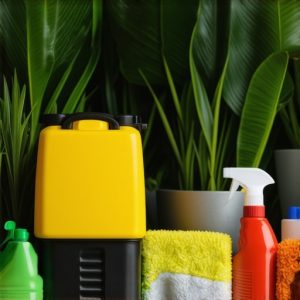
Steady progress in eco-conscious sanitizing hinges on the right equipment and methods. I personally rely on a high-quality microfiber cleaning cloth—specifically, the EcoCloth Pro. It might seem simple, but its ultra-fine fibers trap dust, bacteria, and even microscopic debris, reducing the need for excessive spray and chemical use. This tool has consistently upgraded my routine, setting the stage for sustainable cleanliness in every corner.
In addition, I swear by a portable UV-C sanitizer wand which I use to sanitize high-touch surfaces like light switches and doorknobs between regular cleanings. UV-C light disrupts the DNA of bacteria and viruses without any chemicals, aligning perfectly with eco-friendly goals. Experts estimate that UV-C devices can inactivate up to 99.9% of pathogens in mere seconds, making them a crucial part of my long-term sanitation plan per this industry insight.
Can Your Home Stand the Test of Time?
Maintaining the effectiveness of these tools over time involves proper cleaning and storage. Microfiber cloths should be washed with non-detergent eco-friendly soaps to preserve their microfibers and prevent bacterial buildup. The UV-C wand requires regular bulb replacements—most models indicate when to change the bulb, which is a simple but essential step. Scheduled maintenance ensures your tools deliver consistent results, reinforcing your commitment to sustainable practices.
Future-Ready Solutions for Eco-Friendly Sanitizing
Advancements in home sanitization point towards smarter, more integrated systems. Smart sensors that alert you when surfaces need cleaning and automated UV-C systems embedded into home fixtures are on the horizon. Such innovations will make maintaining cleanliness effortless and environmentally responsible, even for busy households. Staying ahead in this field involves adopting adaptable tools now and being open to future tech that enhances eco-sanitization.
How do I keep my eco-friendly sanitizing tools performing well over time?
Regular upkeep is key. For microfiber cloths, use non-toxic, biodegradable detergents and wash at moderate temperatures to extend their lifespan. For UV-C devices, replace bulbs as recommended by manufacturers and keep lenses clean to prevent light obstruction. Investing in quality tools might seem costly upfront, but it pays off through durability and sustained efficiency, ultimately supporting your eco-friendly sanitation goals. Want to see these tools in action? Try integrating a UV-C wand into your routine; you’ll notice the difference in both cleanliness and peace of mind. For more detailed recommendations, visit my guide to sustainable cleaning tools.
3 Surprising Takeaways That Transformed My Approach to Eco-Friendly Sanitizing
- One of the hardest lessons I faced was realizing that not all natural ingredients are universally safe—vinegar, for example, can damage natural stone surfaces if misused. Trusting ingredients blindly without understanding material compatibility can backfire.
- I discovered that effective sanitation often requires longer contact times for natural solutions compared to chemical disinfectants. Patience and proper application are key to trusting eco-friendly methods.
- The myth that natural cleaners are less powerful is a lie—when combined with surface prep and proper tools, they outperform many conventional products in both safety and efficacy.
My Go-To Resources for Staying Ahead in Sustainable Cleaning
- Sustainable Home Cleaning by Heather Tallman: Offers in-depth insights into eco-friendly cleaning practices backed by expert research, making it a trusted source for safe, effective solutions.
- Green Seal Certification: Provides a list of approved cleaning products that meet rigorous environmental and health standards, helping me choose trustworthy ingredients.
- Industry Webinars and Workshops: Regularly participating in online training helps me stay updated on innovations like smart sanitizing systems and eco-friendly tools, ensuring my routine remains cutting-edge.
Seize the Moment and Make Your Home Safer Today
Every step toward eco-conscious sanitizing is a victory for your loved ones and the planet. By applying these lessons and leveraging reliable resources, you’re empowered to create a truly safe and sustainable home environment. Remember, small consistent efforts lead to transformative results. Ready to elevate your cleaning game and enjoy peace of mind? The future of post-construction sanitizing is in your hands—start now and watch your space thrive.
What’s the biggest challenge you’ve faced when trying to switch to eco-friendly cleaning methods? Share your experience below—I’d love to hear your story!
**[Explore eco-friendly post-construction sanitizing solutions here](https://sparklehomeclean.com/post-construction-sanitizing-sustainable-solutions-that-shine)**.
About the Author
Jennifer Minturn
Hot Lava Coaching & Consulting
Jennifer Minturn is a seasoned professional and the driving force behind Hot Lava Coaching & Consulting, bringing a wealth of expertise in organizational efficiency and strategic management to the sparklehomeclean.com team. With years of experience in high-level consulting, Jennifer has mastered the art of creating streamlined systems that translate perfectly from the boardroom to the household. Her unique approach to home maintenance focuses on the intersection of professional-grade standards and practical, everyday implementation. Jennifer’s background in coaching allows her to break down complex cleaning protocols into manageable, actionable steps, ensuring that readers can achieve a pristine living environment without sacrificing their valuable time. At sparklehomeclean.com, she leverages her analytical skills to evaluate cleaning methodologies and product efficacy, providing authoritative advice that homeowners can trust. Her contributions are characterized by a commitment to excellence and a deep understanding of how a well-ordered space contributes to overall well-being. Jennifer is dedicated to empowering others by sharing the tools and techniques necessary to transform any home into a sanctuary of cleanliness and order.
LinkedIn Profile