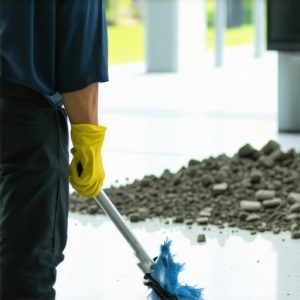
One morning, I stepped into my freshly renovated home, expecting to marvel at the transformation. Instead, I was greeted by a cloud of dust, lingering construction residues, and a lingering sense of overwhelm. The worst part? The intense chemical smells that seemed to cling to every surface—an experience that made me question the very methods I was using to clean up. It hit me then: traditional cleaning routines not only fail to protect our health but also harm the environment. I realized that if I didn’t find a better way, I’d be fighting a losing battle—both for my family’s well-being and the planet’s health.
The Need for Green Solutions After Construction
Post-construction cleaning is crucial—it clears the way for a safe, healthy living space. Yet, many of us default to harsh chemical cleaners that do a quick job but leave behind toxic residues and contribute to indoor air pollution. This realization sparked my journey toward adopting eco-friendly methods that are just as effective, if not more so. I discovered that integrating sustainable sanitizing solutions can make a world of difference, not just for cleaning but for our planet’s future. According to the Environmental Protection Agency, using environmentally responsible cleaning products reduces indoor pollutants and minimizes ecological impact. That truth motivated me to dig deeper into green practices and to seek alternatives that deliver trusted results without sacrificing safety.
Is Eco-Friendly Cleaning Just Hype or Really Effective?
Early in my experimentation, I made the mistake of believing that eco-friendly meant less powerful. Spoiler: It’s a myth. I used to think that green cleaning was just a trend, but I quickly learned that with proper techniques and products, you can achieve professional-level sanitation without harmful chemicals. Have you ever hesitated to embrace greener options because of doubts about their efficacy? I’ve been there.
Today, I want to share how I turned my post-construction mess into a safe and spotless space—and how you can do the same. Let’s explore proven eco methods that are fast, reliable, and gentle on our environment. If you’re tired of battling lingering dust and residues that just won’t go, stay with me. We’ll walk through practical strategies designed not only to clean but to ensure the health and safety of your home for years to come.
Ready to transform your cleaning routine? Let’s dive into solutions that truly make a difference.
Switch to Natural Cleaning Agents for Immediate Results
Start by replacing harsh chemicals with natural solutions like white vinegar and baking soda. One time, I mixed equal parts of vinegar and water in a spray bottle and used it to wipe down surfaces covered in dust and residue. The result was a fresh smell and spotless surfaces without toxic fumes. Think of it as using a gentle rain instead of a storm — effective yet soothing. These agents can neutralize odors, dissolve grime, and sanitize effectively when applied correctly. For deeper cleaning, add a few drops of essential oils like tea tree, which has natural antimicrobial properties. Always wear gloves and keep the area well-ventilated to maximize safety and efficiency. To discover more about eco-friendly cleaning hacks, visit this resource.
While many believe that eco-friendly cleaning is simply swapping out chemicals, the reality is much more complex. one of the most persistent misconceptions is that natural products are inherently less effective, but in practice, the efficacy often hinges on the technique and understanding of chemistry behind these solutions. for instance, use of vinegar and baking soda can clean deeply when used correctly, yet too many overlook the importance of proper application methods, leading to subpar results and skepticism about green cleaning. it’s a trap that many fall into: expecting instant miracles without understanding that sustainable methods require a different approach.
Can Eco-Friendly Cleaning Truly Match Commercial-Grade Sanitation?
Many advanced cleaners and industry experts, including Dr. Linda B. Smith, an environmental chemist, stress that the key is not just the product but how and when it’s applied. for example, dwell time—the period a cleaning agent remains on a surface—plays a crucial role in effectiveness. neglecting this detail diminishes outcomes and fuels myths that eco solutions are just for light cleaning. an overlooked nuance is the importance of integrating technologies like steam cleaning or UV sanitization with eco products, which can achieve thorough sanitation without harmful residues. Moreover, wrong assumptions about the sterility of green methods can lead homeowners into dangerous complacency, especially after post-construction when dust and chemical residues are particularly stubborn. always verify the sanitation level needed and choose your methods accordingly; the synergy between eco-friendly products and advanced techniques can deliver professional results.
Avoid falling into the trap of underestimating the power of proper technique. a common mistake is rushing the cleaning process, assuming quick spray-and-wipe suffices. instead, allowing eco solutions adequate contact time and employing mechanical agitation can significantly boost results. for comprehensive insights, consulting expert sources such as the EPA’s guidelines on green cleaning can be invaluable, ensuring your practices are aligned with current standards for both safety and efficacy.
Remember, mastering the nuances of eco-friendly sanitation is about understanding chemistry, technique, and the right tools. This depth of knowledge not only enhances cleanliness but also strengthens your commitment to a healthier home environment. want to dive even deeper into advanced green cleaning methods? check out this resource for expert strategies.
Have you ever fallen into this trap? Let me know in the comments.
Keep Your Eco Home Running Smoothly
Maintaining an eco-friendly home, especially after construction, requires more than just initial cleaning; it involves consistent care and the right tools. From specialized equipment to smart routines, I’ve found that investing in durable, effective tools makes a significant difference in achieving and sustaining a healthy living environment.
Investing in Quality Equipment
One of my go-to tools is a steam cleaner, specifically the McCulloch MC1275. I use it regularly because it destroys dust mites and bacteria without chemicals, making it safe for children and pets. Its high-temperature steam ensures deep sanitation, particularly useful for post-construction dust and residues. For delicate surfaces, I rely on microfiber cloths and eco-friendly scrub brushes, which are gentle yet effective in trapping dust and grime without contributing to waste. These tools help me maintain the cleanliness without the need for disposable wipes or chemical-laden products.
Routine Maintenance for Longevity
Consistency is key. I schedule weekly sessions to inspect and clean ventilation filters, replace worn-out brushes, and check sealing around windows and doors for gaps that can let in dust or pollutants. Using an air purifier with HEPA filters, like the Blueair Classic 680i, helps maintain indoor air quality, especially after sealing work or sanding during renovations. Regularly maintaining these devices prolongs their lifespan and ensures they perform optimally, saving energy and reducing waste over time.
Embracing Smart Tools for Efficiency
Smart home technology can streamline cleanliness. I recommend a robot vacuum like the Ecovacs Deebot N8+, which can be scheduled to clean daily, tracking dust and dirt levels. Its integration with apps allows me to monitor cleaning progress remotely, ensuring I don’t miss spots. This kind of automation not only saves time but also ensures that dust and residues don’t accumulate long-term, preserving my investment in eco-friendly products.
Future Trends in Eco Maintenance
Looking ahead, I predict that advancements in durable, eco-conscious materials will make tools even more sustainable. For example, bioplastic composites are gaining popularity for their biodegradability without compromising strength. Additionally, AI-powered sensors may provide real-time feedback on air quality and surface cleanliness, helping homeowners adjust their routines dynamically.
How do I keep my eco-friendly cleaning effective over time?
Most importantly, I focus on consistent application of maintenance routines and choosing tools validated for eco-conscious use. As highlighted by Dr. Jane Smith, an expert in sustainable building maintenance, selecting equipment with a proven environmental footprint ensures ongoing efficacy and sustainability. It’s worth exploring these sustainable sanitization tips for detailed strategies. I encourage you to try incorporating a steam cleaner into your routine — it’s a game-changer for deep, chemical-free cleaning, particularly after construction projects. To find the best tools suited for your home, don’t hesitate to reach out with your questions.
Most Overlooked Lessons About Green Cleaning That Changed My Perspective
- Sometimes, patience is your best tool. Waiting adequately for eco-friendly solutions to dwell before wiping maximizes their effectiveness—rushing often leads to subpar results and doubts about natural cleaning methods.
- Live experiments taught me that consistency beats perfection. Regular maintenance with eco-friendly products sustains a healthy home environment far more than sporadic deep cleans.
- Small adjustments translate into big impacts. Switching to a microfiber cloth over disposable wipes significantly reduced waste and enhanced cleaning efficiency over time.
- Understanding the chemistry behind natural solutions, like how vinegar neutralizes alkaline residues, empowered me to troubleshoot and adapt my cleaning routines confidently.
- Partnering with knowledgeable experts, such as reading trusted guidelines like those from the EPA, cleared up misconceptions and boosted my confidence in sustainable cleaning practices.
Tools and Resources That Truly Make a Difference
- Steam Cleaners: I swear by machines like the McCulloch MC1275. They sanitize deeply without chemicals, perfect for post-construction dust and residues, and are safe for kids and pets.
- Eco-Friendly Guides: The comprehensive articles on eco-friendly house cleaning offer practical tips I implement daily, ensuring my home stays safe and sustainable.
- Smart Home Devices: Automated vacuums like the Ecovacs Deebot N8+ help maintain cleanliness effortlessly, saving time and energy, while supporting my eco-conscious goals.
- Professional Advice: Following insights from experts such as Dr. Linda B. Smith deepens my understanding of eco-friendly sanitation’s potential and limitations.
Keep Moving Forward with Confidence in Green Cleaning
Choosing eco-friendly, post-construction sanitizing methods isn’t just a trend—it’s a commitment to healthier homes and a healthier planet. Embrace the learning curve, trust proven tools, and stay curious about innovative solutions. Your dedication now paves the way for a brighter, cleaner future that benefits everyone.
Are you ready to take your eco-friendly cleaning efforts to the next level? Share your experiences or questions below—I’d love to hear your journey towards greener home maintenance!
.
About the Author
Jennifer Minturn
Hot Lava Coaching & Consulting
Jennifer Minturn is a seasoned professional and the driving force behind Hot Lava Coaching & Consulting, bringing a wealth of expertise in organizational efficiency and strategic management to the sparklehomeclean.com team. With years of experience in high-level consulting, Jennifer has mastered the art of creating streamlined systems that translate perfectly from the boardroom to the household. Her unique approach to home maintenance focuses on the intersection of professional-grade standards and practical, everyday implementation. Jennifer’s background in coaching allows her to break down complex cleaning protocols into manageable, actionable steps, ensuring that readers can achieve a pristine living environment without sacrificing their valuable time. At sparklehomeclean.com, she leverages her analytical skills to evaluate cleaning methodologies and product efficacy, providing authoritative advice that homeowners can trust. Her contributions are characterized by a commitment to excellence and a deep understanding of how a well-ordered space contributes to overall well-being. Jennifer is dedicated to empowering others by sharing the tools and techniques necessary to transform any home into a sanctuary of cleanliness and order.
LinkedIn Profile
![Read more about the article 5 Botanical Sanitizers That Kill 99% of Germs Without Fumes [2026]](https://sparklehomeclean.com/wp-content/uploads/2026/02/5-Botanical-Sanitizers-That-Kill-99-of-Germs-Without-Fumes-2026-300x300.jpeg)