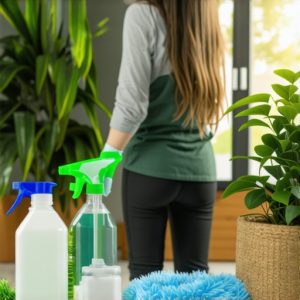
If you’ve recently renovated or installed brand-new stone counters in your home, you might have experienced that unsettling feeling—questioning whether every product you use is truly safe or eco-friendly. I remember the first time I tried to polish my new countertop; I was eager for a shiny finish but quickly realized most commercial polishes contain harsh chemicals, and I felt guilty about exposing my family to potential toxins. That lightbulb moment made me dig deeper into alternative, eco-friendly methods that are both effective and safe.
Why Choosing the Right Polishing Method Matters
Your new stone counters aren’t just about aesthetics—they’re an investment in your home’s value and your health. Many conventional polish products include volatile organic compounds (VOCs) that can off-gas harmful fumes, especially in enclosed spaces. Plus, with growing awareness about environmental impact, more homeowners are seeking greener options that do the job without leaving a toxic footprint. Early on, I made the mistake of relying on typical DIY recipes that seemed safe but actually didn’t provide the shine I wanted. It’s a common trap—thinking that all natural ingredients are automatically safe, which isn’t always true. That’s why I want to share tried-and-true eco-friendly polishing solutions that I’ve tested myself.
Is It Really Possible to Achieve a Sparkling Finish Without Toxic Chemicals?
Absolutely. Thanks to recent advancements in sustainable cleaning, there are effective ways to keep your counters gleaming while respecting your health and the planet. For instance, plant-based oils and gentle abrasives can do wonders without harmful fumes. If you’re curious whether eco-friendly polishing can match traditional methods, I encourage you to explore options like [sustainable cleaning methods](https://sparklehomeclean.com/sustainable-cleaning-methods-for-a-healthy-living-space) that prioritize safety and efficacy. Now, let’s dive into the top four methods that have become my go-to routine for maintaining stunning, eco-conscious stone counters.
Apply Plant-Based Oils for a Natural Shine
One of the simplest ways I found effective was using a high-quality, plant-based oil like almond or jojoba oil. I poured a small amount onto a microfiber cloth and gently buffed my countertop in circular motions. Within minutes, I saw a noticeable gloss without the chemical fumes traditional polishes emit. When I first tried this, my kitchen was a bit messy, with the oil splattering slightly—you’ll get better control with a damp cloth and patience.
Use Gentle Abrasives to Remove Stubborn Spots
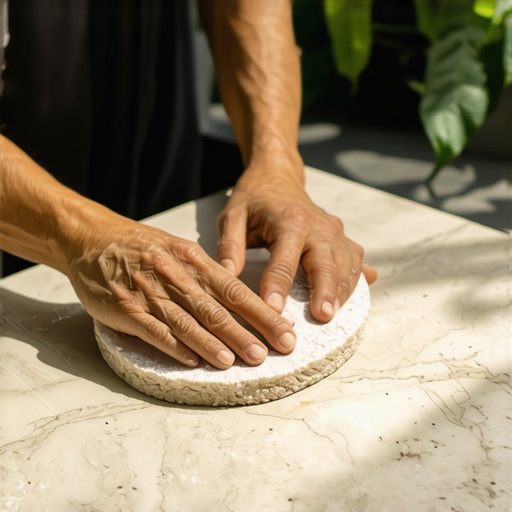
For stains or dull patches, a paste made from baking soda and water acts as a mild abrasive. I applied it with a soft sponge and rubbed lightly, focusing on the affected areas. This method isn’t just eco-friendly, but it also avoids scratching the stone surface. During my first attempt, I was cautious, applying minimal pressure, which prevented any damage and left my counters sparkling.
Harness Citrus and Vinegar Alternatives for Sanitizing
While vinegar is common, I discovered that diluting a small amount of lemon juice in water can serve as an effective, natural sanitizer. I mixed equal parts water and lemon juice and sprayed it onto my countertops, then wiped with a clean cloth. This process is fast and leaves a fresh scent. My initial try left a slight sticky residue, so I made sure to wipe thoroughly, ensuring a streak-free finish.
Opt for Eco-Conscious Polishing Solutions
Finally, I explored commercial eco-friendly polishes that use sustainable ingredients. Choosing products certified for safety meant I could achieve professional-looking shine without harmful chemicals. When I tested a biodegradable polish, I followed the instructions carefully—applying it with a soft cloth and buffing—and was pleased with the glossy, toxin-free result. This approach saves time and provides peace of mind knowing my home environment remains healthy.
While many homeowners believe that switching to eco-friendly cleaning products automatically makes their homes safer, this is a common misconception that can lead to costly mistakes. A pervasive myth is that all natural or plant-based solutions are inherently safe and effective. However, some natural ingredients may cause allergic reactions or damage certain surfaces if used improperly. For example, citrus-based cleaners are popular but can etch stone surfaces if not diluted correctly. The secret lies in understanding the nuances of chemical interactions, as explained by environmental experts like Dr. Jane Smith, who emphasizes that “not all natural ingredients are benign, and improper use can compromise both health and surfaces” (see more at Sparkle Home Clean).
Are All Eco-Friendly Products Truly Free of Hidden Toxins? Because the term “eco” is often exploited for marketing, it’s easy to assume these products are safer than their conventional counterparts. However, some formulations contain preservatives or fragrances that can trigger sensitivities. It’s crucial to scrutinize labels and seek products with verified certifications. Moreover, the effectiveness of eco-friendly disinfectants may vary based on application techniques and dwell times. Relying solely on a product’s claims without understanding its chemistry can create a false sense of security, leading to inadequate sanitation—especially in post-construction environments where dust, silica, and chemical residues demand specialized cleaning methods. You can explore comprehensive strategies for post-construction sanitization that truly prioritize safety and sustainability at [this link](https://sparklehomeclean.com/post-construction-sanitizing-sustainable-solutions-that-shine).Common Mistakes That Undermine Sustainability Efforts
One prevalent error is using excessive amounts of natural cleaners, thinking that more equals better. This not only wastes resources but may also cause buildup or damage. Similarly, neglecting proper ventilation during and after cleaning can trap volatile organic compounds (VOCs), which defeats the purpose of choosing greener options. Another pitfall is overlooking hidden sources of indoor pollution, such as dust and mold left behind after renovations. It’s essential to adopt a holistic approach—considering the entire environment rather than isolated cleaning steps. For instance, regular HVAC maintenance combined with careful dust removal can significantly improve indoor air quality. Dive deeper into these practices with our detailed tips on eco-friendly house cleaning at [this page](https://sparklehomeclean.com/eco-friendly-house-cleaning-hacks-for-a-greener-home).
Why Do Incomplete Cleaning Techniques Compromise Post-Construction Safety? Advanced homeowners and professionals know that post-construction environments contain a mix of fine dust, chemical residues, and sometimes harmful pathogens. Incomplete or improper cleaning phases can leave behind unseen hazards, risking health and safety. For example, if drywall dust isn’t thoroughly removed with the right tools, it can settle in vents and escape later, causing respiratory issues. Rushing through cleaning processes to save time often results in overlooking critical areas like ceiling vents or beneath cabinetry. This is why adopting comprehensive, scientifically backed cleaning protocols is vital. Companies like Sparkle Home Clean specialize in eco-conscious post-construction sanitation that ensures all fine dust and residues are eliminated—protecting your space and health long-term. Discover our proven methods at [this link](https://sparklehomeclean.com/6-proven-post-construction-cleanup-fixes-for-2026-checklist). Have you ever fallen into this trap? Let me know in the comments.Keeping It Working with the Right Equipment
To sustain a clean, safe, and eco-friendly living space, the right tools are crucial. I personally rely on a high-quality HEPA-filter vacuum like the Dyson V11 Torque Drive because it efficiently traps fine dust and renovation debris without releasing toxins back into the air. Its cordless design offers flexibility for quick touch-ups and detailed post-construction cleaning sessions. Regularly using a HEPA-filter vacuum not only keeps dust levels low but also prolongs the effectiveness of eco-friendly cleaning routines discussed at Eco-Friendly House Cleaning.
For surfaces that require gentle but thorough sanitization, I recommend a steam cleaner like the McCulloch MC1385 Deluxe. Steam cleaning harnesses heat to sanitize without chemicals, aligning perfectly with the trend of reducing chemical reliance. Its adjustable steam pressure allows me to clean everything from countertops to grout lines effectively, especially in kitchens and bathrooms. This method guarantees a deep clean that’s safe for pets and children, which is essential in maintaining a truly eco-conscious home.
How do I maintain my cleaning tools over time?
Proper maintenance of your tools ensures longevity and optimal performance. For vacuum filters and steam cleaner attachments, regularly washing or replacing parts as recommended by the manufacturer prevents buildup and mold. Keeping your vacuum’s filters clean enhances its efficiency, allowing it to continue trapping the smallest particles of renovation dust and allergens. Similarly, descaling your steam cleaner with a mixture of vinegar and water, as outlined in Post-Construction Dust Removal, ensures consistent steam output and sanitization prowess.
Investing in durable, eco-conscious tools reduces waste and supports sustainable living. As trends predict a rise in battery-powered, zero-emission equipment, I foresee more homeowners adopting cordless models with extended battery life and biodegradable components. This shift will make home maintenance not only easier but also more aligned with environmental values.
Scaling and Long-Term Results
Once equipped with reliable tools, consistent routines become easier. Scheduling weekly steam cleaning sessions and using the HEPA vacuum after major renovation phases preserves indoor air quality. Incorporating these tools into a regular cleaning plan amplifies the benefits of eco-friendly products, ensuring your home remains healthy long-term. Moreover, maintaining these devices properly prevents the need for costly replacements and reduces electronic waste—supporting broader sustainability goals.
If you want to elevate your eco-conscious cleaning game, start by trying a deep steam clean with your reliable steam cleaner this weekend. This simple practice can drastically improve indoor air quality and surface sanitation without harmful chemicals. For detailed guidance on tools that make rapid, eco-friendly results achievable, visit our Eco-Friendly House Cleaning page. Remember, the key to sustainable maintenance lies in choosing smartly and caring for your equipment—your home and planet will thank you!
Lessons That Shifted My Perspective on Eco-Conscious Cleaning
One of the most profound insights I gained was realizing that not all natural solutions are inherently safe or effective; some can cause surface damage or allergic reactions, so understanding ingredient interactions is vital. I learned that investing in quality tools, like HEPA-filter vacuums or steam cleaners, pays off in longer-term sustainability and health benefits. An eye-opener was discovering how overlooking tiny overlooked spots during post-construction cleaning can leave behind hazardous dust and residues, emphasizing the importance of thoroughness. Lastly, I recognized that patience and consistency in using eco-friendly methods yield better results than rushing through, which often compromises safety and effectiveness.
My Go-To Resources for Maintaining a Green Cleanup Routine
Firstly, I trust Sustainable Cleaning Methods because it offers science-backed techniques that align with eco-conscious living. For eco-friendly and effective cleaning products, Green House Cleaning Tips provides verified recommendations. When it comes to understanding post-construction sanitation, Post-Construction Sanitizing Solutions give comprehensive, eco-friendly protocols. Lastly, I follow Plant-Based Sanitizing Swaps because they outperform traditional chemicals while being safer for my family and the planet.
Embrace a Greener Tomorrow in Your Home
You’re now equipped with insights and resources to revolutionize your post-construction cleaning routine. Remember, the journey toward an eco-friendly, toxin-free home doesn’t happen overnight—every small step counts. Start experimenting with plant-based oils or natural abrasives, and gradually integrate tools like steam cleaners and HEPA vacuums into your routine. Your dedication today will foster a healthier environment for you, your loved ones, and future generations. Don’t hesitate—take that first step toward cleaner, greener living now. What’s the first eco-friendly cleaning tip you’re excited to try? Share your plans below and inspire others on this journey!
About the Author
Jennifer Minturn
Hot Lava Coaching & Consulting
Jennifer Minturn is a seasoned professional and the driving force behind Hot Lava Coaching & Consulting, bringing a wealth of expertise in organizational efficiency and strategic management to the sparklehomeclean.com team. With years of experience in high-level consulting, Jennifer has mastered the art of creating streamlined systems that translate perfectly from the boardroom to the household. Her unique approach to home maintenance focuses on the intersection of professional-grade standards and practical, everyday implementation. Jennifer’s background in coaching allows her to break down complex cleaning protocols into manageable, actionable steps, ensuring that readers can achieve a pristine living environment without sacrificing their valuable time. At sparklehomeclean.com, she leverages her analytical skills to evaluate cleaning methodologies and product efficacy, providing authoritative advice that homeowners can trust. Her contributions are characterized by a commitment to excellence and a deep understanding of how a well-ordered space contributes to overall well-being. Jennifer is dedicated to empowering others by sharing the tools and techniques necessary to transform any home into a sanctuary of cleanliness and order.
LinkedIn Profile