
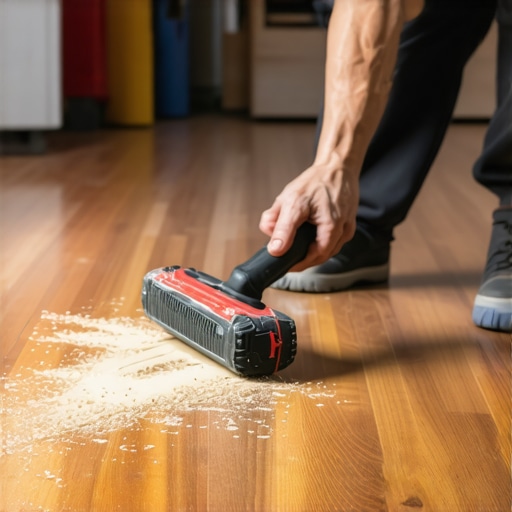
I remember the first big renovation project I tackled in my home—excited to finally update that outdated kitchen. But midway through, I realized I had underestimated just how stubborn sawdust could become. It wasn’t just dust floating around; it had become a sticky, stubborn residue on my floors and furniture. That initial excitement turned into a full-blown struggle, and I found myself stuck in a never-ending battle with sticky sawdust that seemed to cling on no matter how many times I swept or vacuumed.
If you’ve ever faced a similar situation post-construction, you know how frustrating it can be to get your space back into shape. That gritty feeling, the stubborn stains on surfaces—it can make your house feel chaos instead of comfort. But here’s the good news: I’ve learned some pro tricks along the way that can transform this mess into a thing of the past.
Today, I promise to share with you four effective, eco-friendly fixes for removing sticky sawdust that will save you time, effort, and possibly some heartbreak. Whether you’re a seasoned DIY-er or a homeowner simply trying to reclaim their space, these tips are practical, reliable, and safe for your home environment.
Before we dive into those solutions, a quick confession: early on, I made the mistake of using harsh chemical cleaners that ended up damaging my wood finishes. Trust me, I’ve been there. It’s a common mistake, but one that’s easily avoidable with a bit of knowledge and the right approach. This is why I always recommend using environmentally friendly methods—your home and your health will thank you.
Now, let’s explore the *why* behind why removing sticky sawdust matters so much. Besides the obvious cleanliness, left-over sawdust can actually affect your indoor air quality and even interfere with the longevity of your flooring and furniture. Dust particles, especially when sticky, can trap moisture and other pollutants that might lead to mold or degrade surfaces over time. According to recent studies, indoor dust can contain contaminants that pose health risks, making thorough cleaning not just a matter of appearance, but of wellness too. For more eco-conscious cleaning strategies, check out our guide on [eco-friendly post-construction sanitization](https://sparklehomeclean.com/eco-conscious-post-construction-sanitization-secrets).
Armed with this understanding, it’s clear that a proactive approach to cleaning sticky sawdust isn’t just about aesthetics—it’s about your home’s health and durability. Ready to get your space shining again? Let’s get into the proven fixes that will make this cleaning challenge a thing of the past.
Start by lightly dampening a microfiber cloth with water or eco-friendly cleaning solution. Gently wipe surfaces where sawdust has settled. I recall once using a soft, damp cloth on my hardwood floors after a renovation, which loosened the sticky residue without scratching the finish. This method is gentle and prevents dust from becoming airborne again.
Apply a mixture of white vinegar and water—1 part vinegar to 3 parts water—as a natural adhesive neutralizer. Spray it onto affected areas and let it sit for a few minutes. Vinegar’s acetic acid breaks down the sticky compounds. In my experience, a quick spray followed by a soft brush scrub made stubborn patches much easier to remove.
Be Cautious with Wood Finishes
If working on wooden surfaces, avoid harsh chemicals that can damage finishes. Instead, test your vinegar solution on a small hidden area first to ensure no discoloration occurs. For sealed surfaces, this approach preserves the integrity without introducing toxins or damaging the material.
Use a vacuum cleaner equipped with a HEPA filter to thoroughly remove loose sawdust. I recommend doing this in multiple passes—first on the bare floor, then on furniture and crevices—to ensure nothing remains. This step keeps airborne particles to a minimum, improving indoor air quality. Remember, an effective vacuum is your best tool against residual dust.
For stubborn patches, pressing a piece of eco-friendly sticky tape onto the area and peeling it off lifts remaining debris without spreading it. This technique worked wonders in a small corner of my workshop, where dust clung tenaciously to uneven surfaces. It’s a quick fix that complements your sweeping efforts.
When surfaces are still sticky, a soft-bristled brush or sponge paired with mild, eco-friendly cleaner helps lift residues. I once used this method on my tile backsplash and found that it restored a clean, shiny look without harsh chemicals. Always follow up with a damp cloth to remove any remaining cleaner and dust residues.
Finally, ensure proper airflow during and after cleaning. Opening windows and using fans helps disperse airborne particles and speeds up drying times. During my last renovation cleanup, I kept windows ajar throughout the process, which made a noticeable difference in air quality and reduced lingering dust.
For comprehensive strategies on eco-conscious post-construction cleaning, visit our guide on eco-conscious post-construction sanitization. Adopting these actionable steps will help you restore your space efficiently and safely, fostering a healthier environment for your home.
Many homeowners and even professional cleaners fall prey to misconceptions about eco-friendly post-construction cleaning, often leading to less effective results and missed health benefits. One widespread myth is that natural or green cleaning products are always less powerful than traditional chemical cleaners. In reality, advances in eco-friendly formulations have made plant-based solutions equally, if not more, effective—check out our comprehensive guide on [eco-friendly house cleaning hacks for a greener home](https://sparklehomeclean.com/eco-friendly-house-cleaning-hacks-for-a-greener-home) to learn more.
Are All Natural Products Safe for Every Surface
Contrary to popular belief, not every natural solution is suitable for all materials. For example, vinegar, while excellent for disinfecting and deodorizing, can damage natural stone like marble or granite. Recognizing the nuance here prevents costly surface damage. This highlights the importance of understanding the specific cleaning requirements for different surfaces. Exploring [sustainable cleaning methods for a healthy living space](https://sparklehomeclean.com/sustainable-cleaning-methods-for-a-healthy-living-space) can offer guidance on selecting the right eco-friendly products tailored to your home’s needs.
Maintaining a clean, eco-friendly home after construction or deep cleaning requires more than just occasional sweeping. It involves investing in the right tools and adopting consistent maintenance routines that uphold your home’s sustainability and health benefits. One essential tool I personally recommend is a high-quality HEPA-filter vacuum. Its ability to trap tiny particles ensures indoor air quality remains high, especially when dealing with stubborn dust or residues left behind from renovation projects. I prefer models like the Miele Complete C3 because their powerful suction and durable filters make routine cleaning effective and eco-conscious. Regular use of such equipment not only keeps dust at bay but also ensures that allergens and pollutants don’t accumulate over time, which could compromise indoor air quality and compromise your home’s sustainability goals.
How do I maintain $post-construction-cleaning$ over time?
Establishing a cleaning schedule that aligns with your home’s unique needs is vital. Schedule bi-weekly deep cleans using environmentally friendly products—such as plant-based microfiber cloths and biodegradable cleaners—to prevent residues from building up. Additionally, incorporating tools like steam mops, which use only water vapor, can sanitize floors without chemicals, promoting long-term health and environmental benefits. Investing in ergonomic, eco-friendly cleaning accessories ensures your routines are sustainable and less physically taxing, encouraging consistency. As the trend toward greener living evolves, integrating smart cleaning technologies, such as automated robot vacuums with eco settings, is predicted to become standard practice, streamlining maintenance while reducing energy consumption. To further enhance your maintenance routine, consider subscribing to eco-friendly cleaning product lines like those detailed in our guide on [eco-friendly house cleaning hacks for a greener home](https://sparklehomeclean.com/eco-friendly-house-cleaning-hacks-for-a-greener-home). Regularly inspecting and replacing filters, sealing gaps around windows and doors to prevent dust ingress, and ensuring proper ventilation forms the foundation of a resilient cleaning routine that supports your sustainable living goals. For additional insights into eco-conscious sanitation tools, visit our comprehensive article on [post-construction sanitization solutions](https://sparklehomeclean.com/post-construction-sanitizing-sustainable-solutions-that-shine). Remember, a proactive approach to maintenance not only preserves your home’s beauty but also safeguards your health and reduces your environmental footprint. I encourage you to try integrating a HEPA-filter vacuum into your routine, as it significantly reduces airborne dust and allergens, making your space safer and fresher over the long term. Proper maintenance is a continuous process, and choosing the right tools today sets the stage for a cleaner, greener tomorrow.Throughout my journey mastering eco-friendly post-construction cleaning, I’ve encountered surprises that challenged my assumptions and reshaped my approach. One of the toughest lessons was realizing that even natural solutions like vinegar have their limitations, especially on delicate surfaces like natural stone. It taught me the importance of tailoring cleaning strategies to specific materials, rather than relying on one-size-fits-all remedies. Another insight was the power of proper ventilation—not just during, but after cleaning—which significantly improved indoor air quality and sped up the restoration process. Finally, I learned that consistency in using the right tools, like HEPA-filter vacuums, makes long-term maintenance more manageable and effective, transforming a daunting task into routine care. These lessons underscore that effective post-construction cleaning isn’t just about removing dust but understanding your environment and adapting eco-friendly methods accordingly, leading to safer, healthier homes that truly shine.
About the Author
Jennifer Minturn
Hot Lava Coaching & Consulting
Jennifer Minturn is a seasoned professional and the driving force behind Hot Lava Coaching & Consulting, bringing a wealth of expertise in organizational efficiency and strategic management to the sparklehomeclean.com team. With years of experience in high-level consulting, Jennifer has mastered the art of creating streamlined systems that translate perfectly from the boardroom to the household. Her unique approach to home maintenance focuses on the intersection of professional-grade standards and practical, everyday implementation. Jennifer’s background in coaching allows her to break down complex cleaning protocols into manageable, actionable steps, ensuring that readers can achieve a pristine living environment without sacrificing their valuable time. At sparklehomeclean.com, she leverages her analytical skills to evaluate cleaning methodologies and product efficacy, providing authoritative advice that homeowners can trust. Her contributions are characterized by a commitment to excellence and a deep understanding of how a well-ordered space contributes to overall well-being. Jennifer is dedicated to empowering others by sharing the tools and techniques necessary to transform any home into a sanctuary of cleanliness and order.
LinkedIn Profile
![Read more about the article 5 Home Mistakes That Keep Renovation Dust in Your Air [2026]](https://sparklehomeclean.com/wp-content/uploads/2026/02/5-Home-Mistakes-That-Keep-Renovation-Dust-in-Your-Air-2026-300x300.jpeg)
![Read more about the article 4 Hidden Spots Construction Dust Settles in 2026 [Checklist]](https://sparklehomeclean.com/wp-content/uploads/2026/02/4-Hidden-Spots-Construction-Dust-Settles-in-2026-Checklist-300x300.jpeg)