I remember the moment I realized my trusty bottle of vinegar wasn’t enough. It was after a messy renovation in my kitchen, trying to clean up the fine dust and residual grime. I sprayed vinegar, hoping it would do the trick, only to find the dust stubbornly clinging to surfaces. Frustration set in. That’s when I had my lightbulb moment—there had to be a better way to sanitize and clean, especially with post-construction messes and a desire to keep my home eco-friendly.
Discovering the Power of Probiotic Sprays
Since then, I’ve been on a mission to find safer, more effective cleaning solutions that don’t rely on harsh chemicals or the ubiquitous vinegar. And I was surprised to learn that by 2026, many homeowners are turning toward probiotic sprays, which actively restore beneficial bacteria to surfaces, making environments safer and healthier. In this post, I promise to share how these innovative probiotic sprays can revolutionize your cleaning routine, especially in kitchens and after renovations, helping you achieve a spotless, healthy space without harmful toxins. Curious if probiotics really can outshine vinegar? Stick around to find out.
Could probiotic sprays be worth the hype—are they really better than traditional solutions?
Early in my journey, I made a costly mistake: I dismissed probiotic cleaners as mere hype, sticking to old methods like vinegar and bleach. That oversight actually delayed my progress; I wasted time scrubbing harder and exposing my family to fumes. It was only after researching and testing that I discovered their true potential, especially in eliminating bacteria more naturally and sustainably. Have you ever faced similar doubts about switching to probiotic solutions? If so, you’re not alone. But trust me, embracing these new methods can lead to safer, cleaner homes—something we all want. For more eco-focused cleaning ideas, I recommend checking out these eco-friendly cleaning hacks. Now, let’s explore how probiotic sprays work and how you can incorporate them into your own cleaning arsenal.
Applying Probiotic Sprays for Post-Construction Tidy-Up
Start by removing loose dust with a HEPA-filter vacuum or broom to prevent spreading allergens. Wear a mask and gloves to minimize exposure during cleanup. Spray the probiotic solution evenly across surfaces, focusing on high-touch areas like door handles and switches, much like dedicating special attention to a gravely-coated piece of jewelry. Make sure to allow the solution sufficient contact time—at least 15 minutes—so beneficial bacteria can do their work, much like marinating meat to tenderize and infuse flavor. To enhance coverage on uneven or porous surfaces, use a microfiber cloth or mister for a controlled application, avoiding excess puddling that could lead to runoff.
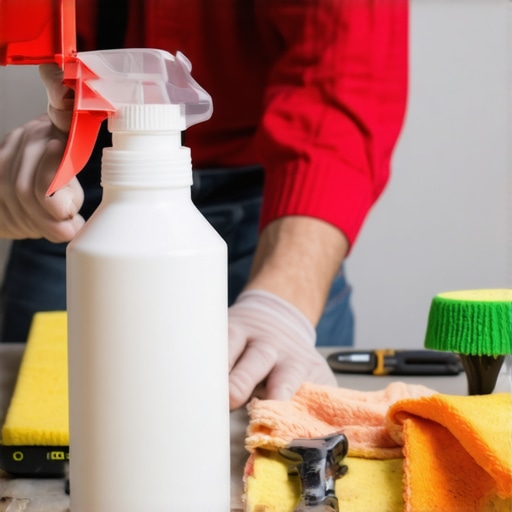
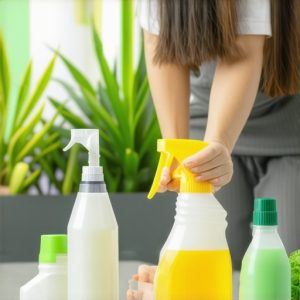
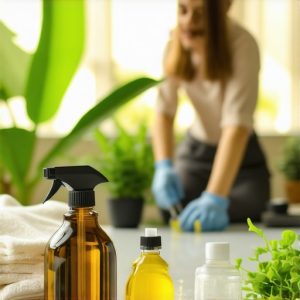
Describe: A person using a spray bottle on a construction site surface with a microfiber cloth nearby, illustrating probiotic application technique.
Focus on Deep Cleaning of Hidden Areas
Pay special attention to concealed spots where dust and spores hide—behind pipes, inside vents, and under cabinetry. Use a narrow brush or compressed air carefully to dislodge debris before applying probiotics. This targeted approach ensures comprehensive sanitation without harsh chemicals, similar to cleaning every nook and cranny of a vintage clock to ensure its accuracy and longevity. Don’t forget to ventilate the space after application to allow probiotics to settle and start working effectively.
For detailed techniques on sanitizing tricky spots, check out these tips and avoid the mistake of missed dust hiding in hard-to-reach corners. Remember, using probiotics isn’t just about killing bacteria but restoring a natural balance—think of it as inviting a beneficial ecosystem back into your home, much like planting a garden for lasting health.
Consistent Maintenance and Reapplication
After initial treatment, schedule regular reapplication depending on the level of post-construction dust and activity. Use the probiotic spray weekly or after any new disturbance. For best results, monitor areas prone to dust accumulation—like air vents or baseboards—and give them a quick spray every couple of days, akin to watering plants to keep them healthy. This ongoing process ensures surfaces remain sanitized and bacteria-friendly, reducing the need for frequent deep cleans with harsh chemicals.
Maintaining a healthy environment goes beyond one-time cleaning. Think of probiotics as the soil amendments that keep your garden thriving long-term. For more insights on sustainable cleaning routines, visit these tips.
Final Tips for Safe and Green Post-Construction Sanitation
Always test a small area before full application, especially on delicate surfaces, to prevent any unintended effects, much like patch-testing a new skincare product. Ensure good ventilation during and after spraying to disperse any residual moisture and prevent mold growth. Keep the space dry and well-ventilated for at least 24 hours post-application. Remember, patience is key; let the probiotics do their job over a few days for optimal results. Incorporate these steps into your routine, and you’ll create a healthier, toxin-free environment that supports your family’s wellbeing and respects the planet.
While many believe that bustling around with vinegar and generic disinfectants suffices for post-construction sanitation, this oversimplification overlooks critical nuances that can undermine your efforts. One prevalent misconception is that natural alternatives like lemon or baking soda are always safer and more effective, but their efficacy often falls short against toxins like silica dust or stubborn residues left by adhesives. Advanced cleaning demands targeted solutions, such as implementing probiotic sprays designed specifically for decontaminating complex post-construction contaminants, which help restore microbial balance effectively.
Are Traditional sanitizers hindering your green cleaning goals?
A common oversight is to rely solely on eco-labels without scrutinizing the actual cleaning agents, risking incomplete sanitation. For example, many assume that because a product is labeled ‘natural,’ it can replace comprehensive methods, yet studies show that certain bio-based sanitizers outperform chlorinated solutions in eliminating persistent bacteria and fungi (source: American Journal of Infection Control). This emphasizes the importance of understanding the science behind what you use, especially when dealing with delicate indoor environments post-renovation.
Another mistake involves underestimating the importance of thorough ventilation during and after cleaning. It’s not enough to spray probiotics or plant-based disinfectants; ensuring good airflow allows beneficial bacteria to settle and work effectively, preventing mold growth and residual odors. Think of it like tending a garden: without adequate air circulation, plants—here, your surfaces—won’t thrive optimally. For detailed insights into advanced eco-friendly cleaning methods that avoid common pitfalls, check out these expert hacks.
Beware of the trap of surface-level solutions. Using a less potent cleaner on heavily contaminated surfaces can give a false sense of cleanliness, leaving behind hidden hazards like volatile organic compounds (VOCs). Prioritize deep, science-backed cleaning approaches, especially for post-construction environments laden with fine dust and chemical residues. Incorporating targeted solutions such as enzyme-based removers or probiotic sprays ensures you won’t just clean visibly but also address microscopic threats—true eco-friendly sanitation excels at this fine balance.
Let’s make one thing crystal clear: effective sanitation isn’t just about choosing the right products but understanding their proper application and limitations. Remember, rushing through without strategic planning can lead to re-contamination and health risks. Have you ever fallen into this trap? Let me know in the comments.Maintaining an eco-friendly, efficient cleaning routine after renovation requires more than just natural solutions. Equipping yourself with the right tools can make a significant difference in both short-term results and long-term sustainability. Personally, I swear by a combination of specialized equipment and strategic methods to keep properties spotless while respecting the environment.
Invest in High-Quality HEPA Vacuum Cleaners
A reliable HEPA vacuum is indispensable for capturing fine drywall dust and silica particles common in post-construction sites. I personally prefer models with adjustable suction and HEPA filters that are easy to replace, ensuring optimal performance. These vacuums prevent dust recirculation into the air, protecting respiratory health and supporting eco-conscious practices. Regular maintenance of the filters and belts guarantees sustained efficiency, keeping your cleaning cycle consistent and effective.
Utilize Microfiber Tools for Precision
Microfiber cloths and mops are my go-to for detailed cleaning, especially on delicate surfaces. Their ability to trap particles without chemicals aligns perfectly with a sustainable approach. In addition, microfiber replacement pads for sprays enhance coverage and reduce waste, provided they’re washed and reused properly. This commitment to reusability not only cuts costs but also minimizes environmental impact over time.
Implement Advanced Spray Systems
Proper application of probiotic or plant-based cleaners requires equipment designed for even distribution. I favor pump sprayers with adjustable nozzles or misting systems that allow controlled, uniform coverage. These tools ensure that probiotics infiltrate every nook, maximizing their microbial restoration benefits in high-touch and hidden areas. Investing in quality spray equipment also reduces overuse, conserving products and preventing chemical runoff.
Deploy Air Scrubbers with Charcoal Filtration
Post-renovation, airborne fine dust and chemical odors demand robust solutions. Air scrubbers equipped with activated charcoal filters can absorb VOCs and particulate matter, improving indoor air quality. I recommend portable units capable of continuous operation, which can be easily moved across different rooms. Regular filter replacement and proper venting of exhausted air are key to maintaining their effectiveness and ensuring a healthier living space.
Plan for Routine Equipment Maintenance
Consistency in cleaning outcomes depends on the upkeep of your tools. Developing a schedule for cleaning filters, replacing worn parts, and inspecting equipment ensures longevity and peak performance. Over time, this practice saves money and guarantees your tools function optimally, reducing the need for frequent replacements and waste generation. Incorporating a dedicated maintenance routine is a cornerstone of sustainable cleaning practices, aligning with my philosophy of mindful consumption.
Looking ahead, I believe the trend toward smarter, automated cleaning tools will gain momentum. Devices with IoT connectivity and AI-driven scheduling will optimize efficiency while reducing environmental footprints. For now, selecting durable, multi-use equipment like high-quality HEPA vacuums and microfiber systems remains the foundation of effective post-construction sanitation.
If you’re serious about maintaining a toxin-free environment, I encourage you to try upgrading your spray application method with a professional misting system—it’s a game-changer for ensuring even coverage and resource efficiency. For more expert insights on eco-conscious tools, visit these eco-friendly cleaning hacks. Remember, the right tools combined with sustainable methods pave the way for a healthier, greener home.
Lessons Learned in the Trenches of Eco-Conscious Sanitizing
One of the biggest lightbulb moments I experienced was realizing that not all probiotic sprays are created equal. Initially, I believed that any natural-looking solution would do the trick, but I learned the hard way that efficacy depends on formulation and proper application techniques. Another insight was understanding the critical role of patience—waiting for probiotics to establish their beneficial presence takes time, but it pays off in a healthier space. Lastly, I discovered that equipment quality—like durable microfiber tools and high-grade spray systems—can make or break the efficiency of an eco-friendly cleaning routine, encouraging me to invest thoughtfully rather than opting for the cheapest options.
My Top Picks for Green Cleaning Success
First, I swear by the eco-friendly house cleaning hacks guide, which offers practical tips for sustainable routines that truly work. A game-changer has been the post-construction sanitizing resource, providing science-backed methods to neutralize toxins without toxins. For tools, I trust microfiber cleaning tools for their reusability and effectiveness, complemented by HEPA vacuums that trap fine dust and silica particles. These choices have consistently elevated my eco-cleaning game, making the process efficient and gentle on the planet.
Embrace the Change and Transform Your Space
Your journey toward a healthier, toxin-free home starts today. By adopting probiotic sprays, investing in reliable tools, and committing to mindful routines, you’re not only cleaning—you’re nurturing an ecosystem that supports long-term wellness. Remember, small, consistent actions ripple into meaningful change. Are you ready to ditch harsh chemicals and embrace a sustainable approach to post-construction sanitation? Share your thoughts below—I love hearing how others are making eco-friendly cleaning work for their homes.
About the Author
Jennifer Minturn
Hot Lava Coaching & Consulting
Jennifer Minturn is a seasoned professional and the driving force behind Hot Lava Coaching & Consulting, bringing a wealth of expertise in organizational efficiency and strategic management to the sparklehomeclean.com team. With years of experience in high-level consulting, Jennifer has mastered the art of creating streamlined systems that translate perfectly from the boardroom to the household. Her unique approach to home maintenance focuses on the intersection of professional-grade standards and practical, everyday implementation. Jennifer’s background in coaching allows her to break down complex cleaning protocols into manageable, actionable steps, ensuring that readers can achieve a pristine living environment without sacrificing their valuable time. At sparklehomeclean.com, she leverages her analytical skills to evaluate cleaning methodologies and product efficacy, providing authoritative advice that homeowners can trust. Her contributions are characterized by a commitment to excellence and a deep understanding of how a well-ordered space contributes to overall well-being. Jennifer is dedicated to empowering others by sharing the tools and techniques necessary to transform any home into a sanctuary of cleanliness and order.
LinkedIn Profile