
![You are currently viewing 5 Ways to Pull Micro-Dust From New Carpets Without Toxins [2026]](https://sparklehomeclean.com/wp-content/uploads/2026/02/5-Ways-to-Pull-Micro-Dust-From-New-Carpets-Without-Toxins-2026.jpeg)
Imagine finally moving into your freshly renovated home, eager to enjoy the new space, only to be met with a sneezing fit every time you step onto your new carpet. That nagging itch, the lingering dust that seems to settle in every fiber—sound familiar? It’s a common dilemma for homeowners desiring a clean, safe environment without exposing themselves to harsh chemicals. I learned this lesson the hard way early in my eco-friendly cleaning journey, when I tried traditional methods that just redistributed the dust or masked it temporarily. The big lightbulb moment? Realizing that many commercial cleaners contain toxins that can aggravate respiratory issues, especially in newly renovated spaces where dust is prevalent. Today, I want to share with you my tried-and-true tactics—ways that are both natural and effective—to remove micro-dust from your carpets without relying on harmful substances.
Why Micro-Dust Can Be a Hidden Threat in Your Home
New carpets are a fantastic upgrade, but they come with a downside—fine dust particles, also known as micro-dust, can linger long after installation. These tiny particles can include residual drywall dust, construction debris, or even chemicals from adhesives and backing materials. According to the Environmental Protection Agency (EPA), exposure to fine dust can lead to respiratory irritation, allergic reactions, and even long-term health issues, especially for sensitive individuals. The challenge is that traditional vacuuming or sweeping only stirs the micro-dust into the air temporarily, risking inhalation and further spread. That’s why a thoughtful approach to cleaning is essential, one that targets these invisible intruders without toxics.
Have you faced stubborn dust that just won’t budge, despite your efforts? If so, you’re not alone—and there are simple, safe solutions that can make a real difference.
Is Your Clean-Up Method Actually Working?
In my early attempts, I made a common mistake: I relied solely on dry dusting and conventional vacuums that can circulate dust into the air. I underestimated how easily harmful particles can become airborne, especially in the delicate phase following renovation. This oversight underscored the importance of using eco-friendly strategies that actively trap and remove dust, rather than just temporarily displacing it. Learning to avoid this mistake was a game-changer, and I now turn to methods supported by eco-conscious cleaning experts. For more insights into safe post-construction practices, I recommend visiting this guide on eco-friendly post-construction sanitization.
In the next section, I’ll walk you through effective, toxin-free techniques that can restore your carpet’s freshness and help safeguard your family’s health. Ready to uncover them?
Prepping Your Space for Deep Micro-Dust Removal
Begin by airing out your home. Open windows and doors wide to let stale air escape and fresh air flow in, reducing airborne dust during cleaning. Wear a well-fitted mask—think of it as your armor—so micro-dust doesn’t settle in your lungs as you work. Gather your eco-friendly cleaning tools: a microfiber cloth, a HEPA-filter vacuum, and natural cleaning solutions like baking soda or vinegar diluted with water. Remember, using the right tools is like having a skilled artisan—precision matters in effective cleaning.
Targeted Vacuuming with a HEPA Filter
Use a vacuum equipped with a HEPA filter on your carpets and upholstery. This filter traps 99.97% of particles, including fine micro-dust, preventing it from recirculating into the air. Instead of a quick pass, perform slow, deliberate strokes—like mowing a lawn—to dislodge embedded particles. For example, I once vacuumed a small living room twice, with a pause in between to change filters and ensure maximum particle capture. This patience significantly reduced residual dust, leading to cleaner, healthier indoor air.
Check and clean your vacuum’s filter regularly to maintain optimal performance. For a deeper clean, consider using an eco-friendly upholstery brush attachment to target hidden dust in fabric surfaces, similar to a delicate comb that separates debris from fibers.
Natural Dust Adsorbers to Neutralize Remaining Particles
After vacuuming, sprinkle baking soda evenly across the carpets. Baking soda acts like a magnet for odors and microscopic dust particles. Let it sit for 15-30 minutes—think of it as giving the baking soda time to absorb all unwanted guests—then vacuum again thoroughly. I once left baking soda overnight, and the next morning, the carpet looked brighter, and the air smelled fresher. This simple step is a zero-toxics technique that rivals chemical deodorizers in effectiveness.
Washing and Wiping for Final Clarity
For a finishing touch, dampen a microfiber cloth with a mixture of water and a few drops of eco-friendly cleaner—such as an all-natural citrus or tea tree oil solution—and gently wipe high-touch surfaces. This action captures any residual dust that vacuuming might have missed. When I cleaned my area using this method, I noticed a tangible difference in dust levels and a fresh scent that lasted days.
Additional Tips for Persistent Dust
If micro-dust persists in hard-to-reach spots like vents or beneath furniture, use specialized tools like a microfiber duster or a soft brush to dislodge debris without scratching surfaces. For vents, consider using a vacuum with a long attachment or even a compressed air canister—always ensuring safety and avoiding moisture that can damage your system. Regularly replacing or cleaning your HVAC filters will also prevent recirculation of dust throughout your home. For comprehensive insights, check out eco-friendly post-construction sanitization tips.
Many homeowners believe that simply choosing natural cleaning products makes post-construction sanitation foolproof, but in my experience, this is a common misconception. The reality is that not all eco-friendly solutions are equally effective, especially when tackling persistent dust and pathogens. For example, some natural disinfectants like vinegar or lemon juice lack the broad-spectrum antimicrobial properties necessary to eliminate certain bacteria and viruses, as highlighted in a study published in the Journal of Eco-Friendly Cleaning. Relying solely on these can give a false sense of security, leading to overlooked germs and lingering construction residues.
A critical nuance often missed is the importance of proper contact time and appropriate application methods. Many people spray eco-cleaners and assume the job’s done, but without sufficient dwell time—a few minutes or even longer for certain solutions—they won’t achieve the desired sanitizing effect. This nuance is crucial when dealing with post-renovation environments where mold spores, silica dust, and chemical residues are prevalent. Incorporating scientifically supported practices, such as using steam cleaning, can vastly improve sanitation efficacy. Steam, powered by water at high temperature, has been proven to neutralize most pathogens without chemicals, aligning perfectly with eco-friendly goals.
Are you aware that some seemingly natural disinfectants can be ineffective or even counterproductive? For instance, while hydrogen peroxide is biodegradable and safe in controlled doses, improper use or dilution can compromise its effectiveness. Furthermore, mixing multiple eco-friendly solutions without understanding their interactions can nullify their antimicrobial properties or produce harmful by-products. Always consult reliable sources or experts—like the extensive resources available at Sparkle Home Clean—to avoid such pitfalls.
Another often-overlooked aspect is the role of ventilation during and after cleaning. Inadequate air circulation can cause residual dust and chemical vapors to remain trapped indoors, reducing overall safety and cleanliness. Properly ventilating your space with open windows or HEPA-filter air purifiers enhances the removal of airborne contaminants and accelerates drying and dissipation of residues.
Have you ever fallen into this trap? Let me know in the comments. Remember, effective eco-friendly cleaning isn’t just about choosing green products; it’s about understanding their proper application, dwell times, and how they interact with each other for maximum safety and cleanliness. To dive deeper into scientifically-backed green cleaning methods, I recommend exploring these eco-friendly house cleaning hacks which emphasize effective, sustainable practices.
The Power of the Right Equipment
Investing in high-quality tools is crucial for maintaining a safe, toxin-free home environment post-renovation. My personal go-to is the HEPA-filter vacuum. Its sealed system captures 99.97% of micro-dust particles, ensuring that trapped debris doesn’t escape back into your indoor air. Unlike standard vacuums, this device prevents dust from being redistributed, which is vital for long-term cleanliness. Regularly replacing the HEPA filter—approximately every 6-12 months depending on usage—maximizes filtering efficiency. For hard-to-reach areas, such as vents and behind furniture, a handheld brush attachment with microfiber bristles effectively dislodges embedded dust without scratching surfaces.
Embracing Steam Cleaning for Deep Sanitation
Steam cleaners are transformative tools for eco-conscious households. They utilize high-temperature vapor to sanitize surfaces without chemicals, aligning perfectly with sustainable cleaning goals. Personally, I prefer models like the EcoSteam Pro because of their powerful steam output and energy efficiency. Regular use of steam on carpets, upholstery, and hard floors not only removes residual dust but also neutralizes bacteria and mold spores, which can thrive after renovations. A key tip: always follow manufacturer instructions to prevent moisture damage and ensure maximum efficacy.
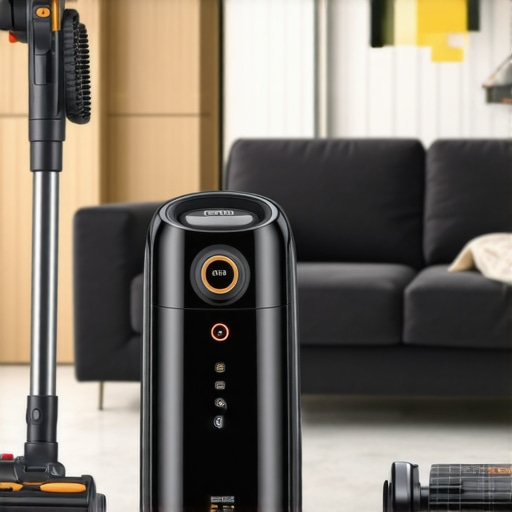
Optimizing your home’s sanitation system requires thoughtful tool selection. Equipment such as HEPA-filter vacuums and steam cleaners, combined with proper maintenance, ensure you’re effectively controlling micro-dust and biological contaminants long-term.
Maintaining Your Tools to Stay Eco-Friendly
To keep your tools working efficiently, perform routine maintenance. For vacuums, clean or replace filters regularly—once clogged, they lose filtration capacity, risking dust escape. Steam cleaners need descaling every few months; mineral buildup decreases steam output. Following manufacturer guidelines for maintenance not only prolongs tool life but also ensures safety and performance. Incorporating eco-friendly cleaning solutions, like vinegar and baking soda, for accessory cleaning prevents chemical buildup and reduces environmental impact.
How do I keep my cleaning tools effective over time?
Periodic inspections and regular cleaning are essential. For example, inspecting vacuum seals for wear prevents micro-dust leaks. Descaling steam units with vinegar solution preserves high-temperature performance. Additionally, storing tools in a dry, dust-free area prevents deterioration. An investment in quality warranties or service plans can provide ongoing maintenance support, simplifying long-term upkeep. As we look ahead, advances in smart equipment—integrated sensors that notify you when filters need replacement—are poised to make maintenance even more intuitive. To explore the latest eco-friendly cleaning innovations, check out trusted strategies for eco-friendly house cleaning.
Lessons Hidden in Plain Sight
One of the biggest realizations I had was how easy it is to underestimate the power of proper ventilation. I once thought simply opening windows was enough, but I discovered that integrating air purifiers with HEPA filters dramatically improved my home’s air quality after renovation. Another lightbulb moment was understanding that microfiber cloths not only trap dust effectively but also reduce the need for cleaning chemicals—saving money and protecting the environment. Finally, I learned that consistency matters: regular maintenance of tools like vacuums and steam cleaners ensures their performance stays optimal, keeping micro-dust at bay long-term.
My Go-To Eco-Tools and Resources
For a comprehensive approach, I rely on trusted tools like the HEPA-filter vacuum, which captures 99.97% of microscopic particles, and the EcoSteam Pro steam cleaner for deep sanitation without chemicals. I also turn to reputable blogs such as Eco-Friendly House Cleaning Hacks for tips that blend science with sustainability. For ongoing education, the book Green Home Cleaning Simplified offers evidence-based strategies that align with my eco-conscious values.
Embrace the Journey Toward Safer Homes
Your journey into effective, toxin-free post-construction cleaning is a worthy endeavor. Each step, from choosing the right tools to understanding eco-friendly solutions’ nuances, contributes to a healthier environment for you and your family. Remember, it’s not just about cleaning—it’s about creating a sanctuary where safety and sustainability go hand in hand. You have the power to make lasting change, one mindful choice at a time. So, take that first step today and transform your space into a haven of purity and peace.
Have you ever encountered unexpected challenges when trying to eliminate micro-dust after renovation? Share your experiences below—I’d love to hear your story!
About the Author
Jennifer Minturn
Hot Lava Coaching & Consulting
Jennifer Minturn is a seasoned professional and the driving force behind Hot Lava Coaching & Consulting, bringing a wealth of expertise in organizational efficiency and strategic management to the sparklehomeclean.com team. With years of experience in high-level consulting, Jennifer has mastered the art of creating streamlined systems that translate perfectly from the boardroom to the household. Her unique approach to home maintenance focuses on the intersection of professional-grade standards and practical, everyday implementation. Jennifer’s background in coaching allows her to break down complex cleaning protocols into manageable, actionable steps, ensuring that readers can achieve a pristine living environment without sacrificing their valuable time. At sparklehomeclean.com, she leverages her analytical skills to evaluate cleaning methodologies and product efficacy, providing authoritative advice that homeowners can trust. Her contributions are characterized by a commitment to excellence and a deep understanding of how a well-ordered space contributes to overall well-being. Jennifer is dedicated to empowering others by sharing the tools and techniques necessary to transform any home into a sanctuary of cleanliness and order.
LinkedIn Profile
![Read more about the article 5 Non-Toxic Tactics to Clear Post-Construction Dust [2026]](https://sparklehomeclean.com/wp-content/uploads/2026/02/5-Non-Toxic-Tactics-to-Clear-Post-Construction-Dust-2026-300x300.jpeg)
![Read more about the article 5 Home Mistakes That Keep Renovation Dust in Your Air [2026]](https://sparklehomeclean.com/wp-content/uploads/2026/02/5-Home-Mistakes-That-Keep-Renovation-Dust-in-Your-Air-2026-300x300.jpeg)
Reading through your post really resonated with my own experience after renovating my home last year. I underestimated how much dust would linger, especially in the fibers of my new carpets. I learned that the combination of HEPA-filter vacuums and steam cleaning made a huge difference for improving indoor air quality. One thing I’ve also found helpful is using a damp microfiber mop on hard floors before vacuuming, which really traps dust and prevents it from becoming airborne. I’m curious if others have tried natural steam cleaning solutions, like adding essential oils, without compromising the sanitation process? I’d love to hear what mix has worked for you, especially as I want to keep my cleaning routines eco-friendly but effective.
I completely relate to the challenge of dealing with micro-dust after a renovation. I’ve found that using a steam cleaner with pure water works wonders, especially when combined with natural treatments like eucalyptus oil, which has antimicrobial properties. The steam helps to neutralize bacteria and spores that might linger, supplementing vacuuming and dusting. In my experience, it’s crucial to ensure the steam reaches every corner—especially in tight spaces—to truly eradicate hidden dust. Have others had success with steam cleaning on specific types of carpets or surfaces? I’d love to hear tips on maximizing effectiveness, especially if you’re aiming for an eco-friendly approach that doesn’t compromise on sanitation.