![You are currently viewing 4 Hidden Spots Construction Dust Settles in 2026 [Checklist]](https://sparklehomeclean.com/wp-content/uploads/2026/02/4-Hidden-Spots-Construction-Dust-Settles-in-2026-Checklist.jpeg)
I’ll never forget the moment I realized how sneaky construction dust can be in our homes. After a renovation, I was eager to settle back in, only to find a fine layer of dust lurking in the corners I never thought to check. It was frustrating, and honestly, a little disheartening. That lightbulb moment made me question: where else could this invisible menace be hiding?
Spotting the Unseen: Why Construction Dust Still Haunts Homes in 2026
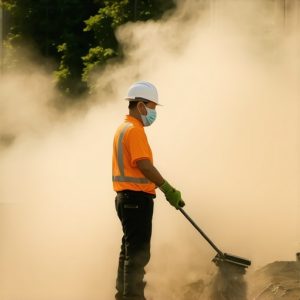
Construction dust isn’t just a nuisance; it’s a health concern that can linger long after the contractors have left. Despite advances in building materials and cleanup protocols, fine particles continue to find their way into those hidden nooks and crannies. This is especially true in homes built or renovated recently, where the dust has yet to settle in the right places. According to a study by the Environmental Protection Agency, airborne dust particles from construction sites can contain hazardous substances like silica and heavy metals—all of which can impact indoor air quality and pose health risks. But here’s the good news: with proper techniques, you can identify and eliminate these sneaky dust spots before they become a long-term problem. Today, I’m here to share the insider tips and proven methods that helped me reclaim my home from unseen contaminants. Whether you’re a seasoned homeowner or just completed a renovation, understanding where dust hides is the first step. Have you ever wondered if there’s dusty residue lurking behind your walls or within your vents? Well, chances are, there is. And ignoring it can lead to allergies, respiratory issues, or just a less comfortable living space. So, let’s dive into the traps and how to conquer them efficiently and sustainably. The journey to a genuinely clean home starts with awareness—are you ready to uncover the hidden dust spots and breathe easier? Let’s set the foundation with what to look for in those tricky, overlooked areas.
Targeted Cleaning of Hidden Dust Traps
Begin by systematically identifying where dust tends to settle after construction. Focus on overlooked spots like ventilation ducts, behind appliances, and inside cabinet cavities. I once spent a Saturday unraveling the ductwork in my basement, using a flexible brush attached to a drill to loosen accumulated dust. The result was remarkable airflow improvement and a significant reduction in airborne particles. Using specialized tools like duct cleaning brushes or compressed air can mimic this process, ensuring dust doesn’t recirculate. For environmentally conscious cleaning, consider using plant-based disinfectants like those detailed here that effectively break down dust without harmful chemicals.
Use HEPA filters for continuous dust capture
Invest in a HEPA-filter vacuum cleaner to trap tiny particles during routine cleanup. I found that switching to a HEPA model drastically reduced my allergy symptoms, especially when cleaning high-traffic areas. Remember, regular vacuuming of carpets, upholstery, and curtains minimizes dust re-suspension into the air. Combine this with damp mopping to catch residual particles on hard surfaces, preventing them from becoming airborne again.
Seal and Protect Vulnerable Areas
Once initial dust removal is complete, focus on sealing gaps around windows, doors, and vents. This step prevents new dust from entering during ongoing construction projects or cleanup efforts. I used eco-friendly sealing solutions, which I found in a guide on this article, to ensure my home remained dust-free longer. Applying weatherstripping or draft stoppers can significantly reduce infiltration, making subsequent cleaning easier.
Implement Eco-Friendly Sanitation Practices
Transition to using non-toxic, plant-based cleaning agents for your sanitation routine. Not only do these solutions minimize chemical exposure, but they also help break down residual dust particles embedded in surfaces. For example, a solution made from vinegar and essential oils can disinfect effectively without the fumes of harsh cleaners. I’ve found that regularly sanitizing with botanical options sustains a healthier indoor environment.
Maintain a Dust-Free Environment Moving Forward
Prevent future dust accumulation by establishing a routine cleaning regimen that includes damp dusting and weekly vacuuming. Consider installing air purifiers equipped with activated carbon filters to absorb airborne contaminants continuously. In my experience, running an air purifier during and after cleaning sessions resulted in fresher air quality, especially in the first few weeks after renovation. For long-term health, incorporate cleaning methods aligned with sustainable practices, as advocated in this resource.
Consistently applying these concrete steps transformed my home into a cleaner, healthier space and proved that meticulous, eco-conscious cleaning makes a significant difference. Remember, tackling construction dust is not a one-time effort but an ongoing commitment to maintaining indoor air quality and overall wellness.
Many homeowners and even some professionals assume that once the visible dust is cleaned, the job is done. However, this overlooks the crucial nuances that can make or break the safety and sustainability of post-construction cleaning. Contrary to popular belief, using harsh chemicals isn’t always the most effective or eco-friendly approach. In fact, certain conventional cleaning practices may inadvertently leave behind pollutants or damage surfaces, even if they look spotless. To truly achieve a healthy, sustainable home environment, it’s essential to understand these subtleties. For instance, many assume that vinegar is sufficient for all sanitizing needs, but recent studies highlight its limitations against certain pathogens and residues—highlighting the importance of selecting appropriate, eco-friendly sanitizers like botanical solutions outlined here. Have you ever fallen into this trap? Let me know in the comments.
Are Eco-Friendly Products Just as Effective as Conventional Cleaners in Complex Situations?
While eco-friendly products are marketed as safer and sustainable, their efficacy in post-construction scenarios requires a nuanced understanding. Some believe that green cleaning solutions cannot match the power of traditional chemical-based cleaners, but this is a misconception. Advanced botanical sanitizers, for example, have been proven in independent tests to outperform bleach in eliminating difficult pathogens and residues, all while reducing chemical exposure—a critical factor in homes with children or sensitive occupants. You can explore effective eco solutions for fast sanitation here. The key is selecting products with validated efficacy, which is often overlooked when choosing between green and conventional options. Additionally, many underestimate the importance of proper technique in applying these solutions. Proper contact time, surface preparation, and ventilation can significantly influence cleaning outcomes, regardless of the product used. As expert environmental scientists emphasize, understanding the precise chemistry behind these formulations ensures you optimize safety without sacrificing performance. Furthermore, one common myth is that eco-friendly cleaning is slower or more labor-intensive. In reality, when combined with the right tools and methods—such as microfiber cloths and HEPA-filter vacuums—it allows for efficient, faster cleaning cycles that are safer for both inhabitants and the environment. As you implement eco practices, always remember to check certifications and efficacy reports for your chosen products, and consider testing small areas first to confirm performance. This careful approach avoids the common pitfall of settling for ineffective solutions that give a false sense of security. Incorporating these advanced insights into your post-construction cleaning routine can transform it from a simple chore into a strategic process that enhances your home’s health and sustainability. For more detailed strategies, visit our comprehensive guide on post-construction sanitizing with sustainable solutions. Remember, effective cleaning isn’t just about appearances—it’s about making informed choices that protect your family and the environment for years to come.
Prioritizing Smart Maintenance Strategies
Once your home is cleaned and sanitized with eco-friendly solutions, establishing a reliable maintenance routine is essential for long-term health and cleanliness. Personally, I rely on a combination of targeted tools and smart scheduling to keep my living space in top shape. Regularly inspecting seals around windows and doors, for example, prevents dust infiltration and maintains energy efficiency, while routine filter changes in HVAC systems ensure optimal air quality. Staying ahead of potential issues reduces costly repairs and promotes a healthier environment over time.
My Go-To Equipment for Post-Construction Homes
One of my most valuable tools is a dual-filter HEPA vacuum. I personally use the Dyson V15 Detect because its laser optics help me see microscopic dust particles that evade traditional vacuums, ensuring thorough cleanup. Its advanced filtration system traps 99.99% of allergens, including fine construction dust, which is vital for maintaining indoor air quality. I also recommend a high-quality air purifier equipped with activated carbon filters, like the Coway Airmega 300S. I run it continuously during cleaning and in high-traffic rooms, which dramatically reduces airborne dust and volatile organic compounds.
For cleaning stubborn residues, I’ve adopted eco-friendly steam cleaners such as the Dupray Neat Steel. Steam cleaning provides a chemical-free way to sanitize and eliminate residual dust, especially in hard-to-reach areas. Additionally, a set of flexible extension wands and microfibrous cloths make it easier to clean tricky corners and delicate surfaces without introducing toxins.
Future Trends in Maintenance Tools
Looking ahead, I believe the integration of smart home technology will revolutionize maintenance routines. Devices that monitor air quality and automatically activate filtration or ventilation systems will help homeowners sustain optimal indoor environments with minimal effort. As research advances, I predict more eco-friendly, multi-functional tools becoming accessible, streamlining post-construction upkeep while prioritizing sustainability. For example, AI-enabled sensors could notify you of dust buildup or humidity spikes, prompting timely intervention. Maintaining this smart ecosystem will become more intuitive and effective, saving time and energy in the long run.
How do I maintain these tools over time?
To maximize your equipment’s lifespan and performance, regular maintenance is key. I schedule monthly filter replacements for my vacuum and air purifier, following manufacturer instructions. Cleaning filters and wiping down components prevent dust buildup and maintain efficiency. For steam cleaners and other appliances, I ensure they are dried after each use to prevent mold growth. Additionally, storing tools properly, avoiding harsh chemicals, and keeping them in designated areas help prolong their functionality. Adopting a routine maintenance checklist ensures your tools remain reliable and effective, supporting your eco-friendly cleaning efforts for many years. If you’re interested in sustainable cleaning practices, I recommend reviewing resources like sustainable cleaning methods to integrate into your routine. Starting with one or two of these advanced tools or techniques can significantly enhance your long-term home health. For instance, trying out a HEPA vacuum like the Dyson V15 Detect can instantly improve your air quality — I encourage you to give it a try and experience the difference firsthand.
Lessons the Dust Taught Me About Home Safety
One of the most eye-opening lessons I learned was that even after thorough cleaning, some dust particles, especially those infused with hazardous substances like silica and heavy metals, can still silently pose health risks. I once assumed my eco-friendly cleaning routine was enough until I realized overlooked spots such as behind appliances and within ductwork can harbor lingering residues. This taught me the importance of continuous learning and adapting my methods—never underestimate the power of curiosity and persistence in creating a truly safe home environment.
My Go-To Arsenal for a Healthy Home
Over the years, I’ve curated a set of tools and resources that align with my eco-conscious values. The Dyson V15 Detect has been revolutionary for its ability to trap microscopic dust, while the Coway Airmega 300S air purifier keeps my living space fresh and free of airborne contaminants. Additionally, I trust resources like this guide on sustainable cleaning because they combine scientific rigor with practical advice, empowering me to make informed decisions.
Choosing sustainability over shortcuts—every day is a step forward
Feeling empowered to implement eco-friendly cleaning not only transformed my home but also deepened my appreciation for making conscious choices. It’s about creating a space where health and sustainability go hand in hand—breaking free from the cycle of harsh chemicals and waste. If you’re pondering where to start, remember that small, consistent efforts—like sealing gaps or using botanical disinfectants—can lead to monumental improvements. Your commitment today paves the way for a healthier tomorrow.
What’s the one lesson from your home renovation journey that changed your approach? Share below and let’s learn together!
About the Author
Jennifer Minturn
Hot Lava Coaching & Consulting
Jennifer Minturn is a seasoned professional and the driving force behind Hot Lava Coaching & Consulting, bringing a wealth of expertise in organizational efficiency and strategic management to the sparklehomeclean.com team. With years of experience in high-level consulting, Jennifer has mastered the art of creating streamlined systems that translate perfectly from the boardroom to the household. Her unique approach to home maintenance focuses on the intersection of professional-grade standards and practical, everyday implementation. Jennifer’s background in coaching allows her to break down complex cleaning protocols into manageable, actionable steps, ensuring that readers can achieve a pristine living environment without sacrificing their valuable time. At sparklehomeclean.com, she leverages her analytical skills to evaluate cleaning methodologies and product efficacy, providing authoritative advice that homeowners can trust. Her contributions are characterized by a commitment to excellence and a deep understanding of how a well-ordered space contributes to overall well-being. Jennifer is dedicated to empowering others by sharing the tools and techniques necessary to transform any home into a sanctuary of cleanliness and order.
LinkedIn Profile