I remember the first time I tried to clean up after a home renovation using traditional chemical cleaners. The smell was overwhelming, and I felt a gnawing worry about the toxic residues left behind. It hit me then—there had to be a better way. That moment sparked my journey into eco-friendly sanitizing methods, especially for those intense post-construction cleanups where safety and sustainability should go hand in hand.
Why Eco-Friendly Sanitizing Matters More Than Ever
Every year, millions of homes and buildings undergo renovation, leaving behind dust, debris, and potentially harmful residues. The traditional cleaning products often contain harsh chemicals that can linger long after the work is done, posing health risks to inhabitants and the environment alike. Recent studies show that many cleaning chemicals can cause respiratory issues, skin irritations, and even contribute to long-term health problems. According to the Environmental Protection Agency, opting for sustainable cleaning methods can significantly reduce indoor air pollution and improve overall health outcomes.
But here’s the kicker—many people still doubt whether eco-friendly solutions are truly effective. I used to be skeptical myself, especially when faced with stubborn stains and dust that seemed impossible to eliminate without chemicals. My big mistake early on was relying solely on natural ingredients like vinegar and baking soda, thinking they’d do the trick for everything. Turns out, that’s not always enough, and that’s where the right knowledge and products come into play. Thankfully, I discovered that sustainable doesn’t mean sacrificing cleaning power; it means choosing the right eco-conscious products and techniques that deliver results without the toxic aftermath.
Is Green Cleaning Actually Worth the Hype?
Honestly, I was worried that eco-friendly cleaning wouldn’t handle the post-construction mess. But I found that with the right methods, I could achieve a spotless, sanitized space that’s safe for my family and the planet. The secret lies in understanding which products and strategies are proven to work. For example, using biodegradable disinfectants and tools designed for green cleaning can make all the difference. If you’re tired of battling dust and chemical smells, I highly recommend exploring more sustainable options—they’re more effective than you think. Want to learn about the best eco-friendly practices? Check out this comprehensive guide to sustainable cleaning methods and see how you can transform your post-construction cleanup routine.
Now, let’s shift gears and dive into practical, eco-friendly sanitizing strategies that will help you get the job done right—safely, effectively, and sustainably.
Gather Eco-Safe Cleaning Supplies
Start by collecting biodegradable disinfectants, natural scrubbers, and reusable cleaning tools. I remember a messy post-renovation weekend when I used a plant-based cleaner and microfiber cloths instead of chemical-laden products. The result was a spotless space without the toxic fumes, proving that eco-friendly supplies can handle tough dirt efficiently. For a comprehensive list of sustainable cleaning products, visit this guide.
Prepare the Space for Deep Cleaning
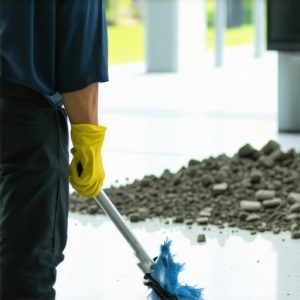
Remove debris, loose dust, and leftover materials. I once tackled a kitchen with a thick layer of drywall dust after a renovation. Instead of sweeping with a chemical spray, I used a damp microfiber mop to trap dust effectively. This method prevents dust from becoming airborne and ensures thorough cleaning. Use dust masks and gloves to protect yourself, especially on dusty sites. For tips on minimizing dust during cleaning, see this article.
Utilize Eco-Friendly Disinfectants Effectively
Apply biodegradable disinfectants to surfaces, focusing on high-touch areas. I once disinfected a newly renovated bathroom with a vinegar and tea tree oil solution, which worked just as well as chemical alternatives. Let the solution sit for a few minutes to penetrate germs, then wipe with a clean cloth. Remember, proper contact time enhances efficacy. For proven eco-cleaning techniques, check this resource.
Deep Clean with Natural Methods
Use baking soda and lemon for stubborn stains and odors. I tackled a stubborn grout stain with a paste of baking soda and lemon juice, letting it sit before scrubbing gently. This natural approach is safe for the environment and your family. For more eco-friendly stain removal hacks, visit this page.
Focus on Ventilation and Air Quality
Open windows and use eco-friendly air purifiers to ventilate the space. During my last cleanup, I set up a bamboo charcoal air purifier, which absorbed residual odors without releasing toxins. Proper ventilation ensures that any lingering dust or fumes are expelled naturally. For tips on maintaining indoor air quality post-cleaning, see this guide.
Final Inspection and Sustainable Maintenance
Conduct a thorough walkthrough to ensure all surfaces are clean and sanitized. I learned to do this by checking every nook and cranny, then setting up a routine cleaning schedule with eco-friendly products to keep the space pristine. Regular maintenance prevents buildup and reduces the need for intensive cleaning later. To learn more about sustainable cleaning routines, visit this resource.
Many homeowners and even some professionals approach eco-friendly house cleaning with good intentions but often fall into misconceptions that undermine their efforts. Let’s dig deeper into what most people get wrong about sustainable sanitizing after construction and how to avoid these pitfalls.
Why Natural Ingredients Alone Won’t Cut It
One of the biggest myths is that relying solely on natural ingredients like vinegar, baking soda, or lemon guarantees effective sanitation. While these are excellent components of eco-friendly cleaning, they don’t always provide the antibacterial or antiviral power needed for post-construction cleanup, especially when dealing with dust, paint residues, or potential mold. Overestimating their capabilities can leave behind harmful pathogens or dust particles, which defeats the purpose of thorough sanitization. The secret is to use natural disinfectants that are scientifically proven to be effective, such as biodegradable disinfectants that meet EPA standards. For a comprehensive list of such products, check out this guide.
Beware of the Chemical-Free Trap
A common mistake is dismissing all chemical products as toxic or unnecessary. Some believe that if a product isn’t labeled ‘chemical,’ it must be safe and effective. However, many eco-friendly disinfectants contain active ingredients that are plant-based or biodegradable but still perform the necessary sanitizing functions. The key is understanding the difference between harmful chemicals and effective, environmentally safe disinfectants. Avoid the trap of thinking that natural means less effective; instead, look for scientifically validated solutions that align with green principles. You can learn more about proven eco-friendly sanitizing solutions at this resource.
Advanced Question: How can I ensure my post-construction cleaning is truly eco-friendly without sacrificing safety?
Great question. To guarantee effective yet eco-friendly cleaning, focus on a holistic approach: use biodegradable disinfectants, employ tools that reduce chemical waste, ventilate thoroughly to expel residual fumes, and incorporate natural deodorizers like activated charcoal or essential oils. Also, always verify that your chosen products have third-party certifications or EPA registration, which assures their safety and efficacy. Regularly inspecting surfaces and air quality with proper tools helps confirm that your cleaning routine maintains both safety and sustainability. For expert tips on achieving this balance, visit this page.
Finally, remember that the biggest trap is complacency—thinking you’ve done enough just because you’ve used natural ingredients. Post-construction cleaning requires a nuanced understanding of chemistry, safety, and environmental impact. Stay informed, use validated products, and adopt best practices to truly make your cleanup eco-friendly and safe. Have you ever fallen into this trap? Let me know in the comments.
Invest in High-Quality Microfiber Cloths for Every Surface
In my experience, microfiber cloths are a game-changer when it comes to sustainable cleaning. Unlike disposable wipes, they can be washed and reused hundreds of times, reducing waste and avoiding chemical residues. I personally prefer ultra-fine microfiber cloths because they trap dust, dirt, and microbes more effectively without the need for harsh cleaners. They’re particularly useful for wiping down drywall dust, paint splatters, and stubborn grime after renovations. For best results, use them damp to avoid spreading dust into the air, and always wash separately from other fabrics to maintain their electrostatic properties. Click here for a detailed guide on selecting the right microfiber products for eco-friendly cleaning routines.
Use a HEPA Air Purifier to Maintain Air Quality
Post-construction dust and fumes can linger long after the cleanup, which is why I recommend investing in a HEPA air purifier. These devices are designed to trap tiny particles, including allergens, dust mites, and even some bacteria, that traditional filters miss. During my last renovation cleanup, I used a portable HEPA purifier in the main living areas, which significantly improved indoor air quality and reduced residual dust. Look for models with a CADR rating suitable for your space size, and consider units that use eco-friendly filters or have energy-efficient operation modes. This not only helps maintain a healthier environment but also aligns with sustainable practices. For more tips on air purification, visit this resource.
Eco-Friendly Steam Cleaners for Deep Sanitization
Steam cleaners are among my favorite tools because they harness natural heat and moisture to sanitize surfaces without chemicals. I use a quality steam cleaner to tackle tiles, countertops, and even upholstery after construction work, as it kills germs and loosens grime effectively. I prefer models with adjustable steam settings and energy-saving features, ensuring minimal environmental impact. The high-temperature vapor not only sanitizes but also helps eliminate odors naturally. This tool is especially useful in areas where chemical residues might be problematic, such as kitchens and bathrooms. For trusted recommendations on eco-friendly steam cleaning equipment, check this article.
How do I maintain my cleaning tools for long-term use?
Proper maintenance of your eco-friendly cleaning tools is essential to ensure their longevity and effectiveness. Rinse microfiber cloths thoroughly after each use, avoiding fabric softeners which can clog their fibers. Store them in a dry, clean area to prevent mold growth. For tools like steam cleaners and HEPA filters, follow the manufacturer’s instructions for descaling and filter replacement, which generally involves periodic cleaning with eco-friendly solutions. Regularly inspect your tools for wear and tear, replacing parts only when necessary to reduce waste. By investing a little time in maintenance, you’ll extend the lifespan of your equipment, saving money and reducing environmental impact over the long run. Want to explore more sustainable maintenance tips? Visit this page to connect with experts or ask questions about your cleaning setup.
The Hardest Lesson I Learned About eco friendly,house cleaning,sanitizing,post-construction
One of my biggest realizations was that even the most natural ingredients, like vinegar and baking soda, aren’t always enough to fully sanitize a space after renovation. I used to think that relying solely on these staples would guarantee safety and cleanliness, but I soon discovered that combining them with scientifically validated, biodegradable disinfectants is essential for truly effective post-construction cleanup.
What I Wish I Knew Before Starting My Green Cleanup Journey
I used to believe that chemical-free meant less effective, which slowed me down initially. It took time to learn that eco-friendly solutions, when chosen wisely, can outperform traditional cleaners. The key is understanding the active ingredients, certifications, and proper application techniques—something I now consider vital for any sustainable cleaning project.
How I Discovered the Power of Proper Ventilation and Tools
Ventilation is often overlooked, but I found that opening windows and using eco-friendly air purifiers dramatically improved indoor air quality. Microfiber cloths and HEPA filters became my trusted allies, trapping dust and microbes without the environmental impact of disposable wipes or chemical sprays. This combination not only speeds up the cleanup but also enhances safety and sustainability.
Curated Recommendations for Eco-Conscious Post-Construction Cleanup
My go-to resources include the comprehensive guide on sustainable cleaning methods at this link, which offers detailed product suggestions and techniques. I also rely on trusted brands like Seventh Generation and Method for biodegradable disinfectants, and I always check for EPA registration to ensure safety and efficacy. For tools, microfiber cloths and eco-friendly steam cleaners from reputable brands have transformed my approach, making cleaning more effective and less wasteful.
Remember, Your Efforts Today Shape a Greener Tomorrow
Embracing eco-friendly, house cleaning, sanitizing, post-construction practices isn’t just good for the environment; it’s a vital step towards healthier living spaces. Every small change, from choosing the right products to ventilating thoroughly, compounds into a safer, more sustainable home. If you’re ready to take that first step, know that your commitment makes a real difference. Have you ever struggled with balancing safety and sustainability during cleanup? Share your experience below, and let’s learn together!”},
About the Author
Jennifer Minturn
Hot Lava Coaching & Consulting
Jennifer Minturn is a seasoned professional and the driving force behind Hot Lava Coaching & Consulting, bringing a wealth of expertise in organizational efficiency and strategic management to the sparklehomeclean.com team. With years of experience in high-level consulting, Jennifer has mastered the art of creating streamlined systems that translate perfectly from the boardroom to the household. Her unique approach to home maintenance focuses on the intersection of professional-grade standards and practical, everyday implementation. Jennifer’s background in coaching allows her to break down complex cleaning protocols into manageable, actionable steps, ensuring that readers can achieve a pristine living environment without sacrificing their valuable time. At sparklehomeclean.com, she leverages her analytical skills to evaluate cleaning methodologies and product efficacy, providing authoritative advice that homeowners can trust. Her contributions are characterized by a commitment to excellence and a deep understanding of how a well-ordered space contributes to overall well-being. Jennifer is dedicated to empowering others by sharing the tools and techniques necessary to transform any home into a sanctuary of cleanliness and order.
LinkedIn Profile