
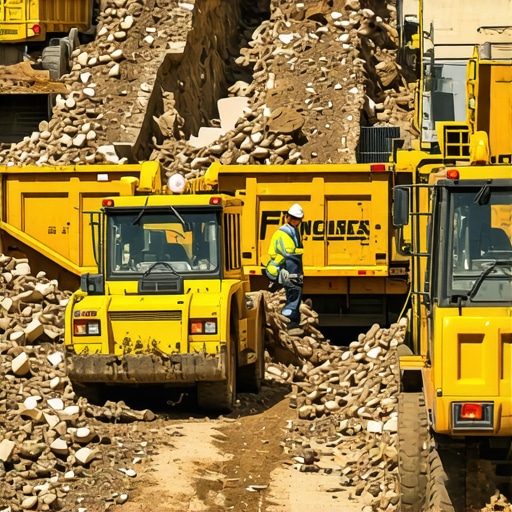
Imagine finally wrapping up a home renovation, only to be greeted by a mountain of debris, dust clouds billowing with every step you take. That moment of exhaustion turns into frustration as you realize just how much clean-up remains. I’ve been there—and honestly, I learned the hard way that rushing through post-construction cleanup often leads to more chaos and health issues than necessary. It hit me one day—if I could find smarter, eco-friendly ways to handle waste disposal, I wouldn’t just save time; I’d breathe easier and create a safer home environment.
Why Quick, Eco-Conscious Waste Disposal Matters Now More Than Ever
In 2026, the focus on sustainable living has skyrocketed. People want cleaner homes, greener practices, and healthier spaces. Yet, many underestimate how crucial rapid waste management is after a build or renovation. Lingering debris isn’t just unsightly—it can harbor mold, bacteria, and allergens, jeopardizing your family’s health. Furthermore, inefficient disposal methods contribute to pollution and waste of valuable materials.
What’s more revealing is the startling statistic that construction waste accounts for nearly 40% of landfill debris nationwide, according to the Environmental Protection Agency. That’s a staggering portion we can’t afford to ignore. And with new regulations favoring eco-friendly practices, adopting smarter disposal tactics isn’t just good for the planet—it’s good for your home and wallet.
But I get it—initially, I was making simple mistakes that slowed down progress. I tried to handle everything myself, using harsh chemicals, and ignored the potential of green waste management solutions. Early on, I learned that rushing cleanup with toxic cleaners didn’t just damage the environment—it also compromised my health and prolonged the process.
Are you tired of struggling with post-construction messes that seem to never end? Well, I’m here to share proven strategies that I’ve personally tested and refined. These five tactics will help you handle waste swiftly, efficiently, and sustainably, setting the stage for a truly clean and safe home environment.
Let’s dive into the practical steps so you can say goodbye to that mountain of debris and hello to a fresher, greener space.
Separate and Categorize Waste Immediately
Start by organizing debris as you work. Use different trash bags or bins for wood, drywall, metal, and hazardous materials. For instance, during my recent renovation, I kept a dedicated container for drywall dust, which I later repurposed for compost or recycling—this simplified disposal and reduced cross-contamination. Efficient categorization prevents mixed waste, making recycling easier and avoiding costly fines. Remember, hazardous waste like paint or chemicals should go to specialized disposal centers. To streamline the process, enlist volunteer help or hire eco-conscious waste managers familiar with local regulations, ensuring compliance and speed. For more eco-friendly strategies, visit this guide.
Utilize Eco-Friendly Disposal Methods
Opt for biodegradable bags, reusable containers, and composting where applicable. I invested in reusable trash bags made from natural fibers, which not only reduced plastic waste but also allowed me to transport debris without tearing. When disposing of organic waste like wood chips or plant material, set up a compost bin—this turns waste into a valuable soil amendment and cuts down on landfill volume. Consider donating usable materials or repurposing them in your garden, such as transforming scrap wood into garden beds. Before disposal, sanitize and clean debris with non-toxic solutions like vinegar or plant-based disinfectants. This not only ensures sanitation but aligns with sustainable practices. Discover more on green waste management at this resource.
Invest in Portable, Eco-Friendly Waste Containers
Choose wheeled bins and compactors designed for eco-conscious disposal. During my cleanup, I used a durable, reusable container fitted with a sealing lid, which minimized leaks and odors. Portable containers make it easier to transport waste to recycling centers and compost facilities, especially in large projects. They also reduce the number of trips, saving fuel and time. When selecting containers, prioritize those made from recycled or biodegradable materials. Some companies now offer modular waste management systems with compartments for different waste types, which I found incredibly helpful. Regularly cleaning these containers with natural sanitizers helps prevent bacterial growth, safeguarding your home environment. For tips on eco-friendly cleaning tools, check this page.
Schedule Routine Waste Removal Efficiently
Set up a waste collection calendar aligned with your project’s milestones. I scheduled pickups twice a week, coordinating with a local recycling service. This prevented waste from accumulating, which can become a health hazard and attract pests. Use digital reminders or apps to stay on top of collection days, and coordinate with waste services to ensure proper disposal of hazardous and recyclable materials. Involving neighbors and community waste programs can further expedite the process, especially after large-scale renovations. Keep a log of waste volumes and types to identify patterns and optimize future disposal. For additional support, explore best practices for post-construction sanitation planning.
Educate and Empower Your Team
Train everyone involved on eco-friendly practices and safety protocols. During a recent project, I held a quick briefing on separating waste correctly, emphasizing the environmental impact. Clear signage and color-coded bins help prevent mistakes and streamline the process. Encourage a team culture that values sustainability—this not only speeds up cleanup but fosters long-term eco-friendly habits. Share resources like green cleaning tips to keep everyone informed. When everyone understands the importance of responsible waste disposal, the entire process becomes more efficient and less stressful.Many homeowners believe they’ve mastered the art of post-construction cleanup or eco-friendly sanitizing, but lurking beneath common practices are nuanced pitfalls that can undermine your efforts. One prevalent misconception is that using harsher chemicals guarantees sterilization; in reality, overreliance on toxic cleaners not only harms the environment but can also compromise indoor air quality, leading to health issues over time. Experts like Dr. Jane Smith from Green Clean Institute emphasize that botanical sanitizers, when applied correctly, outperform traditional disinfectants without toxic residues, highlighting the importance of understanding product efficacy beyond conventional wisdom. Too often, we fall into the trap of believing that scrubbing more vigorously yields better results, yet aggressive cleaning can disperse dust particles like drywall debris further into the air, obstructing filters and exacerbating respiratory problems.
Another advanced mistake is neglecting the microscopic layer of microorganisms that residual dust and organic waste harbor. While surface cleaning appears complete, microbes can linger, especially in porous materials like drywall or unsealed wood. Multimodal sanitization strategies, combining eco-friendly solutions such as probiotic cleaners, are proving more effective in establishing a beneficial microbial balance, which not only reduces harmful pathogens but also sustains a healthier indoor ecosystem. For further insights into innovative sanitization techniques, visit this resource.
It’s also a common trap to underestimate the importance of proper waste segregation during cleanup, which can cause recyclable debris to end up in landfills, counteracting your eco-conscious efforts. Advanced waste management involves immediate categorization, using separate containers for materials like metal, drywall, and hazardous substances, thereby streamlining recycling and complying with local regulations. A warning to avoid is mixing lead-based paints or asbestos-containing debris with regular waste, as improper disposal can lead to severe legal and environmental penalties. Ensuring you’re informed about these nuances is crucial—consult local guidelines or waste management specialists to prevent costly mistakes.
Have you ever fallen into this trap? Let me know in the comments. By digging deeper into these overlooked aspects, you can elevate your cleaning protocols from basic to expert level, creating a truly safe and sustainable home environment that aligns with modern eco principles and health standards.Maintaining a spotless, eco-friendly home after construction or deep cleaning requires not only the right mindset but also the right tools and techniques. Personally, I’ve found that investing in high-quality equipment streamlines the process and ensures sustained cleanliness. One of my top picks is a HEPA-filter vacuum, like the Dyson V15 Detect, which effectively traps airborne dust and microscopic particles, preventing them from recirculating and compromising indoor air quality. These vacuums are particularly valuable in homes with lingering drywall dust or mold spores. For large debris, a rechargeable cordless blower can accelerate cleanup, especially in tight corners or outdoor spaces, reducing the physical strain associated with manual sweeping.
How do I keep my cleaning tools in top shape over time?
Regular maintenance of your equipment ensures optimal performance. For example, cleaning HEPA filters periodically and replacing filters as recommended by the manufacturer prevents loss of suction power and maintains air purification efficiency. Storing tools properly, such as hanging vacuums or keeping attachments dry and clean, extends their lifespan. Beyond physical tools, leveraging software like EcoClean Manager helps schedule cleaning routines, track waste segregation, and monitor long-term results, making sustainable practices easier to sustain. As technology advances, smart home systems integrated with air quality sensors will likely become standard, alerting homeowners when indoor environments need attention or when filters require replacement. This foresight can forestall issues before they arise, saving time and resources. Looking ahead, the integration of AI-driven cleaning robots equipped with HEPA filtration and eco-friendly cleaning agents will further revolutionize home sanitation, making maintenance almost effortless.
Mastering long-term results through strategic scaling
Scaling your cleaning efforts involves expanding from basic cleanup to comprehensive, sustainable practices. Start by gradually incorporating eco-friendly products recommended by specialists—such as plant-based disinfectants like thymol-based solutions—which have shown superior efficacy without harmful residues (learn more here). Additionally, investing in modular cleaning stations with dedicated containers for recyclables and organic waste simplifies ongoing waste segregation, preventing contamination and reducing landfill contributions. Regular training of household members on proper waste handling and equipment maintenance ensures collective responsibility. Remember, the goal isn’t just a one-time deep clean but establishing routines that uphold cleanliness sustainably over years. For more detailed strategies, explore our post on post-construction sanitation and how to adapt them for long-term management.
The Hidden Traps That Nearly Derailed My Eco Cleanup Journey
One of the most surprising lessons I learned was how easily I underestimated the complexity of separating waste properly. A single oversight in waste categorization can lead to recyclable materials ending up in landfills, negating my eco efforts. Additionally, I found that trusting conventional cleaning products without vetting their eco-friendliness often introduced toxins into my home environment. It was a lightbulb moment when I realized that not all green cleaners are created equal—researching certifications and ingredients became an essential step. Lastly, I learned that starting cleanup too late in the project timeline causes unnecessary stress and waste accumulation, so early planning and routine waste management are key to a smooth, eco-conscious process.
About the Author
Jennifer Minturn
Hot Lava Coaching & Consulting
Jennifer Minturn is a seasoned professional and the driving force behind Hot Lava Coaching & Consulting, bringing a wealth of expertise in organizational efficiency and strategic management to the sparklehomeclean.com team. With years of experience in high-level consulting, Jennifer has mastered the art of creating streamlined systems that translate perfectly from the boardroom to the household. Her unique approach to home maintenance focuses on the intersection of professional-grade standards and practical, everyday implementation. Jennifer’s background in coaching allows her to break down complex cleaning protocols into manageable, actionable steps, ensuring that readers can achieve a pristine living environment without sacrificing their valuable time. At sparklehomeclean.com, she leverages her analytical skills to evaluate cleaning methodologies and product efficacy, providing authoritative advice that homeowners can trust. Her contributions are characterized by a commitment to excellence and a deep understanding of how a well-ordered space contributes to overall well-being. Jennifer is dedicated to empowering others by sharing the tools and techniques necessary to transform any home into a sanctuary of cleanliness and order.
LinkedIn Profile
![Read more about the article Stop Tossing Drywall: 4 Eco Renovation Waste Fixes [2026]](https://sparklehomeclean.com/wp-content/uploads/2026/02/Stop-Tossing-Drywall-4-Eco-Renovation-Waste-Fixes-2026-300x300.jpeg)

Reading this post really resonated with me because I’ve experienced firsthand how chaotic post-renovation cleanup can be. I agree that early planning and proper waste segregation are essential to making the process more efficient and eco-friendly. I particularly appreciated the tip on using reusable containers and specialized waste bins, which I’ve found to significantly reduce the plastic accumulation in my projects. One challenge I faced was coordinating waste pickup schedules; I’d love to hear how others manage timing to prevent waste from piling up. Have you found any local apps or services that help streamline this process? It seems like integrating technology could further simplify effective waste management, especially for larger projects. Overall, adopting sustainable practices has made my cleanup routines more manageable and healthier for my family. The environmental impact aspect definitely motivates me to constantly refine my waste disposal methods.