It was during a post-renovation cleanup that I realized traditional cleaning methods, once relied upon as the gold standard, just weren’t cutting it anymore. My eyes stung from the overpowering smell of bleach, and I wondered if there was a safer, more eco-friendly way to keep my home spotless without sacrificing health or the environment. That lightbulb moment sparked my journey into probiotic sanitizing, which, by 2026, has become a game-changer in household cleaning.
The Shift from Harsh Chemicals to Nature-Friendly Solutions
In the past, bleach was my go-to for disinfecting every surface. It seemed simple and effective—until I started noticing lingering chemical smells, skin irritation, and concerns from friends about toxins lurking in their homes. The breakthrough came when I stumbled upon research highlighting the power of probiotics in cleaning. These beneficial microorganisms don’t just mask bacteria—they actively outcompete and destroy harmful pathogens naturally. It was a revelation that challenged everything I thought I knew about sanitization.
Is Probiotic Sanitizing Actually Worth the Hype?
Initially, I was skeptical. I had to learn if probiotics could truly replace the disinfectant strength of bleach. Early on, I made the mistake of assuming that natural meant less effective—an oversight I soon corrected after experiencing their rapid results firsthand. According to recent studies, probiotic-based cleaners are proven to significantly reduce bacteria and viruses, all while being safe for kids, pets, and the planet (source). This shift not only improved my home’s air quality but also aligned with my desire to be a more eco-conscious homeowner. So, if you’ve faced the dilemma of balancing thorough sanitation with safety, you’re in the right place. Let’s explore how probiotic sanitizing can transform your cleaning routine—fast, safe, and sustainable.
Preparing Your Space for Eco-Driven Sanitization
Start with a thorough assessment of post-construction mess — dust, debris, and stubborn residues. Wear a quality mask and gloves to protect yourself from airborne particles and potential irritants. Remove larger debris by hand, focusing on visible dust and wood scraps. This initial step is crucial for efficient probiotic application, as it ensures microorganisms can colonize surfaces effectively without obstruction.
Selecting the Right Probiotic Cleaner
Opt for a probiotic-based cleaner designed specifically for post-construction cleanup. Check the label to verify it contains live beneficial microorganisms aimed at eliminating harmful bacteria and spores. When choosing, prioritize eco-certifications and reviews that confirm rapid, trustworthy results. Remember, these natural solutions outperform harsh chemicals by actively outcompeting pathogens, much like natural predators in an ecosystem. For guidance, consider consulting sources like this resource.
Effective Application Techniques
Creating the Perfect Environment
Before spraying, dampen surfaces lightly to enhance microorganism adhesion. Think of it as preparing soil before planting seeds — moisture helps beneficial microbes take hold and thrive. Use a spray bottle or mop, ensuring even coverage on floors, walls, and ceilings. For stubborn areas with dried paint or thick dust, pre-treat with a mild eco-friendly solution to loosen residues. During application, walk methodically to prevent missed spots. This hands-on approach ensures a uniform, quick, and eco-conscious sanitization process.
Timing and Reapplication
Allow the probiotic solution to settle for at least 30 minutes before light cleaning or re-entry. This window gives microorganisms time to colonize surfaces and start actively destroying pathogens. For heavily contaminated zones, a second application after 24 hours enhances results, much like a probiotic supplement boosts colonization in gut health. This ensures comprehensive coverage and faster sanitation, especially when speed matters. To optimize your process, consider integrating ideas from sustainable cleaning methods.
Post-application Maintenance and Safety
After initial cleaning, avoid chemical cleaners that could harm the probiotic microorganisms. Instead, perform light sweeps or mops with plain water to prevent disturbance. Maintain good airflow to support microorganism activity. If pets or children are present, ensure surfaces are dry and safe before use. Remember, probiotic cleaners don’t just sanitize — they help establish a healthy microbial balance, making your home safer long-term. For additional eco-friendly strategies, visit this guide.
Tackling Persistent Dust and Residues
In cases of stubborn dust, especially in air vents and corners, use a damp microfiber cloth or eco-friendly vacuum with HEPA filters. Damp cleaning prevents dust from becoming airborne again, supporting probiotic work without recontamination. For tricky spots like electrical outlets or behind cabinetry, employ a soft brush lightly wetted with probiotic solution. This hands-on approach reduces the risk of missed particles and speeds up overall sanitation, perfect for busy homeowners aiming for quick, eco-friendly results. Learn more at trusted eco cleaning tips.
Many homeowners believe that all cleaning methods are equally effective, but this is a dangerous misconception, especially when it comes to eco-friendly and post-construction sanitation. A prevalent myth is that natural solutions can’t match the power of chemical disinfectants like bleach. However, recent research, such as the study published in the Journal of Environmental Health, demonstrates that probiotic-based cleaners can significantly reduce harmful bacteria and viruses without the toxic residues associated with traditional chemicals (source). Another mistake is underestimating the importance of surface preparation; neglecting to thoroughly remove debris before applying probiotic solutions hampers their effectiveness. Advanced users know that proper pre-cleaning creates an optimal environment for beneficial microorganisms to colonize surfaces rapidly. One common trap is assuming that disinfectants should be used immediately after probiotic application, which can wipe out the beneficial microbes and diminish long-term benefits. Instead, allowing the probiotics to settle for at least 30 minutes is crucial for active pathogen destruction (source). Now, a question for the experienced reader: How can integrating microbial ecology principles improve your cleaning strategies beyond surface-level sanitation? Understanding that surfaces are ecosystems can lead you to adopt practices that promote microbial balance, enhancing health and safety in the long run. Incorporating these nuanced techniques ensures that your cleaning isn’t just superficial but fosters a healthier living environment. Remember, relying solely on intuition or outdated methods can result in missed spots, especially in post-construction settings where dust and spores hide in corners and vents. For more detailed insights, explore our guide on sustainable post-construction cleaning. Have you ever fallen into this trap? Let me know in the comments.
Prioritize Quality Tools for Long-Term Results
Investing in reliable, purpose-built cleaning equipment can dramatically improve your eco-friendly routine. I personally rely on a high-quality microfiber mop with changeable heads because it minimizes waste and ensures thorough cleaning without chemical residues. Microfiber’s ability to trap dust and microbes reduces the need for harsh cleaners, aligning perfectly with my goal of maintaining a healthy, sustainable home.
Harness Technology with Smart Cleaners
Smart cleaning devices are revolutionizing household sanitation. I recommend a UV-C portable sanitizer wand—I use the ViraSanPro—which emits germicidal UV light to disinfect surfaces quickly and safely. Its portability makes spot cleaning a breeze, especially in post-construction environments where dust and spores hide in tricky spots. These devices often come with timers and safety features that prevent overuse, ensuring safety for your family and pets.
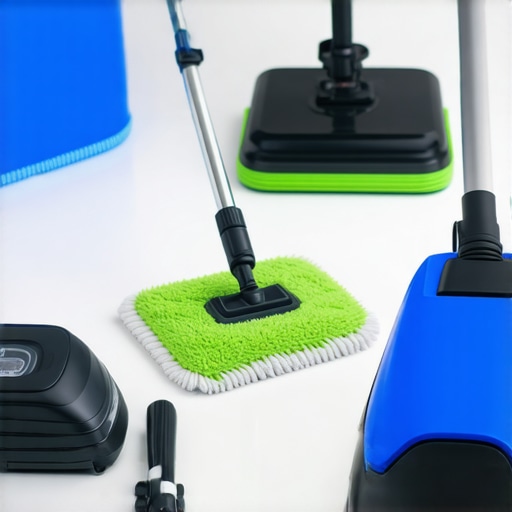
For eco-friendly carpet and upholstery cleaning, I turn to biodegradable steam cleaners equipped with HEPA filters, like the EcoSteamX. They effectively extract dirt and germs without chemicals, making them a sustainable choice. Regular use of such tools helps maintain long-term cleanliness, reducing the need for frequent intensive cleans or chemical-heavy treatments.
Essential Storage and Maintenance Practices
Proper storage extends the life and efficacy of your cleaning tools. Keep microfiber cloths in a dry environment to prevent mold growth, and wash them with eco-friendly detergent after each use. For electronic devices, follow manufacturer instructions carefully; for instance, UV-C devices require regular bulb replacement—an easy maintenance step that guarantees safety and performance over time. Routine checks ensure tools operate optimally, delivering consistent results without unnecessary replacements or chemical usage.
Predicting Future Trends in Cleaning Tools
The future points toward AI-powered cleaning systems that can detect dirt, spores, and mold in real-time, adjusting their methods accordingly. Imagine a robotic cleaner that not only sweeps but analyzes microbial presence—creating a healthier environment passively. Staying updated on advancements like these will help you maintain your eco-friendly home efficiently. For now, integrating reliable, high-tech tools such as portable UV sterilizers can elevate your routine today; try incorporating one into your weekly sanitation schedule for immediate benefits.
How do I keep my cleaning tools in top shape over time?
Regular maintenance is key. Clean microfiber cloths with eco-friendly detergent, replace UV bulbs as recommended, and store devices in dry, cool places. Periodic inspections prevent breakdowns and ensure your tools continue to serve your eco-friendly goals effectively. More tips on sustainable maintenance are available at this guide. Remember, well-maintained tools are investments that help sustain a clean, safe environment for years to come.
The Hard-Learned Wisdom That Transformed My Approach to Cleaning
- One of my biggest surprises was realizing that superficial cleaning routines often leave hidden spores and dust behind, especially after renovation projects. Deep preparation isn’t just a step—it’s the foundation for effective probiotic sanitizing, which relies on clean surfaces to develop a healthy microbial ecosystem. Missing this step can undermine the entire effort.
- I underestimated the importance of patience in probiotic-based cleaning. Allowing surfaces the suggested settling time of at least 30 minutes enables beneficial microbes to establish and outcompete harmful bacteria, which is crucial for speed and reliability in post-construction environments.
- Initially, I believed natural solutions couldn’t possibly match chemical disinfectants in power. The breakthrough was discovering studies that demonstrate probiotics actively reduce pathogens without toxic residues—challenging my assumptions and expanding my perspective on effective eco-friendly cleaning.
- Most importantly, incorporating microbial ecology principles showed me that surfaces are ecosystems, and maintaining a balanced microbial environment is key to long-term health. This insight compelled me to rethink my routines and prioritize sustainable tools and practices that support microbial harmony rather than just superficial sanitation.
Your Arsenal for Sustainable Sanitation
- ViraSanPro UV-C Sanitizer: This portable device offers rapid sterilization without chemicals, trusted for its safety and efficiency—ideal for pinpointing tricky spots in post-construction cleanup.
- EcoSteamX Steam Cleaner: A biodegradable, HEPA-filtered steam cleaner that extracts dirt and germs, providing chemical-free deep cleaning with a minimal ecological footprint.
- High-Quality Microfiber Mops: Microfiber traps dust and microbes effectively, reducing waste and ensuring thorough cleaning without relying on harsh chemicals.
- Eco-Friendly Disinfectant Sprays: Look for plant-based formulations backed by certifications, which support probiotic colonization and surface health.
Embrace the Power of Change Today
Transitioning to probiotic sanitizing in your post-construction cleanup isn’t just a trend—it’s a breakthrough toward healthier, safer living spaces that respect our environment. Every step you take towards integrating these practices builds a more sustainable future for your home and the planet. Remember, the journey begins with small, informed choices; your eco-friendly home is within reach. For more insights into sustainable cleaning strategies, visit this comprehensive guide.
What barriers have you faced when trying to adopt eco-friendly cleaning methods post-renovation? Share your experiences below and let’s learn together.
,
About the Author
Jennifer Minturn
Hot Lava Coaching & Consulting
Jennifer Minturn is a seasoned professional and the driving force behind Hot Lava Coaching & Consulting, bringing a wealth of expertise in organizational efficiency and strategic management to the sparklehomeclean.com team. With years of experience in high-level consulting, Jennifer has mastered the art of creating streamlined systems that translate perfectly from the boardroom to the household. Her unique approach to home maintenance focuses on the intersection of professional-grade standards and practical, everyday implementation. Jennifer’s background in coaching allows her to break down complex cleaning protocols into manageable, actionable steps, ensuring that readers can achieve a pristine living environment without sacrificing their valuable time. At sparklehomeclean.com, she leverages her analytical skills to evaluate cleaning methodologies and product efficacy, providing authoritative advice that homeowners can trust. Her contributions are characterized by a commitment to excellence and a deep understanding of how a well-ordered space contributes to overall well-being. Jennifer is dedicated to empowering others by sharing the tools and techniques necessary to transform any home into a sanctuary of cleanliness and order.
LinkedIn Profile