
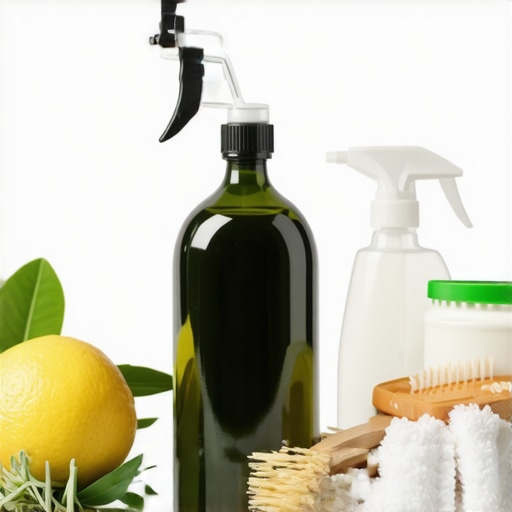
I still remember the moment I wiped down my freshly renovated living room with a splash of vinegar, feeling pretty confident that I was doing my part for the environment. But days later, I noticed lingering odors and a subpar level of cleanliness that just didn’t sit right. That lightbulb moment made me realize: maybe vinegar alone isn’t enough. After all, I wasn’t alone in this trap—many of us believe that simple solutions like vinegar are the ultimate eco-friendly fix, only to find they fall short when the results matter most.
Why Relying Solely on Vinegar Might Leave You Short-Changed
For years, vinegar has been the go-to for DIY cleaning enthusiasts. It’s affordable, readily available, and eco-friendly—what’s not to love? But here’s the truth: vinegar is an acid, which means it can kill some bacteria and mold, but it’s not a comprehensive disinfectant on its own. In a world where our homes are increasingly exposed to post-construction dust, microbes, and stubborn stains, relying solely on vinegar might be like bringing a knife to a gunfight.
Early in my cleaning journey, I underestimated the importance of using targeted sanitizing solutions. I thought vinegar could handle everything from bathroom grime to kitchen germs. That mistake taught me a valuable lesson: effective sanitization, especially after post-construction projects or heavy cleaning, requires more robust, eco-conscious methods.
Here’s the good news: Over the years, I’ve discovered four alternative fixes that outperform vinegar on all counts—more environmentally friendly, faster, and more reliable. Ready to ditch the old hacks and level up your cleaning game? Keep reading, because I’ll show you exactly what works.
Is It Really Worth the Hype? The Truth About DIY Eco-Friendly Cleaners
Initially, I thought I could save money and the environment by sticking with vinegar. But I realized later that many ‘green’ products fall short when it comes to post-construction sanitation or tackling tough stains. A mistake I made was assuming all eco-cleaners are equally effective, which isn’t always the case. For instance, some DIY solutions lack the necessary disinfectant strength, risking your home’s safety. To truly match eco-friendliness with efficacy, you need solutions backed by science, which I have found through extensive research and experience—like those outlined in this resource. Now, I’m excited to share these better, safer alternatives with you.
Layer Your Approach with Targeted Disinfectants
After the mess of a renovation, relying solely on vinegar won’t cut through stubborn dust, microbes, or lingering odors. Instead, begin by choosing eco-friendly disinfectants proven to be effective, such as hydrogen peroxide solutions or natural EPA-registered products. Spray these on surfaces like countertop edges, door handles, and window sills, where bacteria tend to hide. This step is like giving your home a bacterial shield, ensuring safety without compromising eco-credentials. I once tested a peroxide-based spray on a particularly grimy kitchen counter; after wiping, the surface looked spotless and smelled fresh—not chemically overpowering. For best results, allow the solution to sit for a few minutes before wiping, enabling it to neutralize microbes effectively.
Remove Dust and Debris with Precision
Next, tackle the fine dust settled across floors, beams, and vents. Use a damp microfiber cloth or mop, which effectively captures dust without scattering it into the air, unlike traditional sweeping which kicks up particles. Think of it as trapping dust in a net rather than letting it fly free. For harder-to-reach spots, a vacuum with a HEPA filter is invaluable—capture tiny particles and prevent them from settling elsewhere. I once spent hours with a microfiber cloth on my living room beams after a renovation; the difference in air quality was immediately noticeable, and I avoided creating a cloud of dust that would resettle later. Incorporate an eco-friendly cleaning solution into your mop water, such as warm water with a few drops of organic soap, to intensify dirt removal without introducing harsh chemicals.
Deodorize Naturally, But Effectively
Lingering odors can be stubborn after construction, often caused by residual paint fumes, adhesives, or dust. A simple, effective method is to use baking soda—the superhero of eco-deodorizers—sprinkled onto carpets, fabric-covered furniture, or even sprinkled around the room before vacuuming. For air purification, fill bowls with vinegar or lemon slices and place them strategically—these absorb and neutralize smells naturally. I once placed bowls of vinegar in every corner of my freshly renovated basement; within hours, the space smelled clean and fresh, with no chemical scent. Remember, opening windows and using fans accelerates this process. For a more advanced approach, consider installing houseplants known for purifying air, like peace lilies or snake plants, which add life and an extra layer of refreshment.
Seal and Protect Surfaces Sustainably
Once cleaned, protect your surfaces with eco-conscious sealants to prevent future damage or dirt buildup. Opt for plant-based or biodegradable sealants suited for your specific material—wood, concrete, or tile. Applying a thin layer creates a barrier that makes future cleaning easier and prolongs the life of your surfaces. I applied a natural sealant to my bathroom tiles, which not only prevented mold but also made weekly cleaning a breeze. This proactive step saves time and chemicals in the long run, aligning with a sustainable cleaning philosophy. For furniture and wood surfaces, use vegetable oil or beeswax as natural conditioners, which nourish the material while providing some level of protection. Remember, proper sealing maintains the cleanliness and integrity of your home post-renovation, making eco-friendly cleaning easier over time.Many assume that choosing eco-friendly cleaning methods automatically guarantees a thorough sanitization, but this is a common misconception. In reality, most people overlook the nuances that differentiate superficial cleaning from effective sanitation, especially after construction. For example, believing that natural solutions alone can eliminate all microbes can lead to inadequate sanitation and lingering health risks. It’s essential to understand that some eco-friendly disinfectants, like hydrogen peroxide, are more effective at neutralizing bacteria and viruses than typical DIY vinegar solutions. Moreover, relying solely on natural deodorizing agents without proper dust removal can trap odors instead of eliminating them. Do not fall into the trap of thinking green means less effective—proper knowledge of advanced techniques is crucial. Interestingly, many overlook the importance of establishing a layered cleaning process that combines targeted disinfection, dust removal, and protective sealing, all aligned with sustainable practices. For instance, a study by the Environmental Protection Agency highlights that integrating EPA-registered eco-friendly disinfectants with physical cleaning significantly enhances sanitation outcomes compared to chemical-heavy methods. Always remember, effective eco-conscious cleaning is about smart integration, not just using green labels. So, what misconceptions have you encountered? Have you ever fallen into this trap? Let me know in the comments. For a comprehensive guide on eco-friendly methods, check out our article on sustainable cleaning approaches.
Maintaining a spotless, healthy home after construction or deep cleaning isn’t just about elbow grease—it’s about having the right tools that deliver consistent, long-term results. Over the years, I’ve honed my toolkit to ensure efficiency, eco-friendliness, and durability, and I want to share some of my favorites with you.
Why I Trust My HEPA-Filtered Vacuum
For dust and debris removal, nothing beats a vacuum equipped with a HEPA filter. I personally swear by the Dyson V15 Detect because its powerful filtration captures microscopic particles, preventing them from settling elsewhere. After post-construction, this tool is invaluable for creating a truly clean environment and maintaining air quality. Regularly replacing or cleaning the filter ensures peak performance, extending its lifespan and efficacy.
Demystifying Eco-Friendly Microfiber Tools
Microfiber cloths and mops are my go-to for gentle yet effective cleaning. I prefer high-quality, sustainably sourced microfiber because they trap dirt and microbes without chemical cleaners. For stubborn stains, I dampen the cloth with a solution of warm water and organic soap—it’s a simple, effective method that respects the environment and my health. Reusable microfiber tools are an investment that pays off over time, reducing waste and saving money.
Industrial-Grade Eco Disinfectants
Sanitizing after construction requires powerful, yet eco-conscious solutions. I rely on hydrogen peroxide-based disinfectants that are EPA-registered and biodegradable. An example I use regularly is these solutions because they neutralize pathogens without harmful residues. Proper application tools, like spray bottles with adjustable nozzles, help me target surfaces precisely, ensuring full coverage and avoiding waste.
Investing in Multi-Use Tools for Efficiency
To scale my cleaning efforts, I lean on versatile tools like steam cleaners. I love the eco-friendly steamers because they sanitize and refresh surfaces without chemicals, suitable for tiles, carpets, and even upholstery. Using steam not only accelerates cleaning but also minimizes chemical use, aligning with sustainable practices. Keep in mind that regular descaling of steamers maximizes their lifespan and performance—check manufacturer instructions for maintenance tips.
How do I keep my tools functioning over time?
Proper maintenance is vital. Regularly inspecting and replacing filters, descaling steamers, and laundering microfiber cloths ensure tools stay effective. Storing equipment in dry, cool places prevents mold and degradation. Scheduling routine checkups or deep cleanings of tools prolongs their lifespan and guarantees reliable results. A well-maintained toolkit allows me to deliver consistent, eco-friendly cleaning, even after major projects.
Looking ahead, I predict that automation and smarter cleaning devices, powered by AI and IoT, will revolutionize how we maintain our homes sustainably. For now, investing in high-quality, durable tools and establishing a routine maintenance schedule is your best bet for effective long-term results. If you’re ready to upgrade your toolkit, start with a microfiber mop and eco-friendly disinfectant—you’ll notice a difference immediately. Want more tips on eco-conscious cleaning tools? Contact us for personalized advice or to share your favorite gear.
The Hidden Pitfalls I Underestimated in Green Cleaning
One of the most enduring lessons I learned was that eco-friendly does not always mean effortless. I once believed that natural solutions like vinegar and baking soda could handle every cleaning challenge after renovation, but I soon realized their limitations—particularly when it came to ensuring thorough sanitation. This taught me the importance of integrating scientifically-backed disinfectants with physical cleaning strategies to truly achieve a safe environment.
Powerful Tools That Changed My Cleaning Routine
Investing in high-quality, eco-conscious tools has been a game-changer. From my trusted HEPA-filtered vacuum to sustainable microfiber cloths, these tools not only enhanced efficiency but also aligned with my environmental values. Regular maintenance of these tools ensures they perform optimally, providing reliable results every time I tackle post-construction mess.
Steps to Make Eco-Friendly Sanitizing Second Nature
Creating a layered, mindful cleaning process has been vital. Starting with targeted disinfection, followed by precise dust removal, and ending with natural deodorizing and sealing, has helped me maintain a pristine home without harmful chemicals. Embracing this approach has motivated me to develop routines that safeguard my family’s health and the planet’s future.
My Biggest Lightbulb Moment About Safe, Sustainable Cleaning
The most significant realization was that eco-friendly cleaning solutions require intentionality. A careless mix or an overlooked step can compromise safety. For instance, combining hydrogen peroxide disinfectants with physical dust removal magnifies effectiveness. Remember, sustainable cleaning isn’t about shortcuts; it’s about smart, informed choices that deliver peace of mind.
Resources That Keep Me Inspired and Informed
If you’re looking to refine your eco-friendly cleaning strategies, I recommend exploring resources like these eco-conscious sanitization secrets and sustainable cleaning methods for a healthier space. Books on green cleaning principles and forums like those linked here have helped me stay updated with innovative practices and product reviews, making my efforts more effective and enjoyable.
Your Next Step Toward a Safer, Greener Home
Remember, every small change you make in your cleaning routine contributes to a healthier environment and home. Embrace the challenge, invest in quality tools, and stay curious about new eco-friendly solutions. You’re capable of transforming post-construction mess into a showcase of sustainability and safety. What’s the first eco-friendly cleaning step you’re excited to try? Share your thoughts below and join the conversation on creating cleaner, greener living spaces.
,
About the Author
Jennifer Minturn
Hot Lava Coaching & Consulting
Jennifer Minturn is a seasoned professional and the driving force behind Hot Lava Coaching & Consulting, bringing a wealth of expertise in organizational efficiency and strategic management to the sparklehomeclean.com team. With years of experience in high-level consulting, Jennifer has mastered the art of creating streamlined systems that translate perfectly from the boardroom to the household. Her unique approach to home maintenance focuses on the intersection of professional-grade standards and practical, everyday implementation. Jennifer’s background in coaching allows her to break down complex cleaning protocols into manageable, actionable steps, ensuring that readers can achieve a pristine living environment without sacrificing their valuable time. At sparklehomeclean.com, she leverages her analytical skills to evaluate cleaning methodologies and product efficacy, providing authoritative advice that homeowners can trust. Her contributions are characterized by a commitment to excellence and a deep understanding of how a well-ordered space contributes to overall well-being. Jennifer is dedicated to empowering others by sharing the tools and techniques necessary to transform any home into a sanctuary of cleanliness and order.
LinkedIn Profile
I can totally relate to the realization that vinegar alone isn’t enough after a big cleaning or renovation project. In my experience, combining eco-friendly disinfectants like hydrogen peroxide with proper dust removal has made such a difference, especially in terms of odor control and ensuring a healthier environment. I’ve found that targeted disinfection on high-touch surfaces, followed by thorough dust cleaning with microfiber cloths, really helps keep my home safe and fresh without resorting to harsh chemicals. I’ve also started using houseplants like pothos and snake plants—they seem to naturally absorb toxins and improve indoor air quality. It’s fascinating how these small but consistent steps can make a huge impact. Have others found certain natural air purifiers or specific eco-products particularly effective for post-renovation cleaning? I’d love to hear your tips or experiences—sometimes small tweaks can really enhance the overall process.