
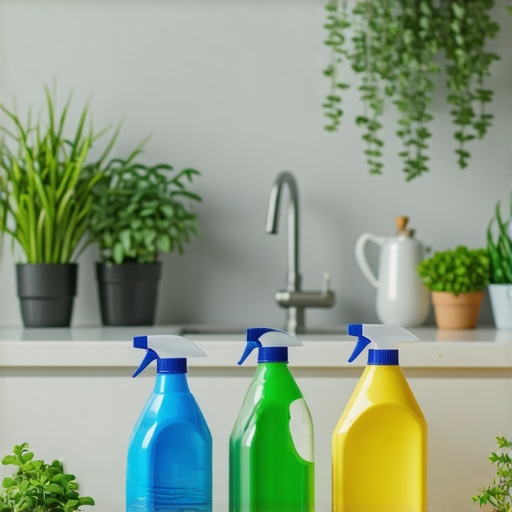
There was a moment last summer, when I looked around my freshly cleaned living room and suddenly sneezed from the lingering chemical smell. It hit me that my efforts to tidy up might be doing more harm than good, especially after a major renovation project. I realized I was using harsh cleaners, just like many of us, not thinking about the hidden dangers or the environmental impact.
Why Eco-Friendly House Cleaning Is a Game-Changer in 2024
In recent years, more homeowners are waking up to the fact that traditional cleaning products can contain toxic substances that affect our health and pollute our planet. According to the Environmental Protection Agency, some household cleaning chemicals can off-gas for years and contribute to indoor air pollution, which is linked to respiratory issues and allergies. That’s why I decided to shift my cleaning habits toward sustainable methods that deliver rapid, trustworthy results without sacrificing safety or effectiveness.
But switching to eco-friendly house cleaning isn’t just about being environmentally conscious; it’s about protecting your family and creating a healthier home environment. When I first tried to adopt eco-friendly routines, I made a classic mistake: using homemade solutions that didn’t cut through the grime or sanitize properly. This misstep led to disappointment and skepticism about whether green cleaning could really work as promised. That’s why I want to share what I’ve learned — to help you avoid the same pitfalls and enjoy cleaner, safer spaces faster and more reliably.
Is Eco-Friendly House Cleaning Really Worth the Hype?
Many people wonder if switching to green methods is just a fad or if it actually delivers on its promises. My experience confirmed that with the right strategies, eco-friendly cleaning can be just as effective — if not more so — than conventional methods, especially when it’s paired with proven tactics. Curious about how I overcame initial doubts? I’ll walk you through the essential steps that transformed my approach and can do the same for you. Ready to make your home healthier and eco-friendlier? Let’s dive into the practical solutions that will make your cleaning routine faster, safer, and more sustainable in 2024.
Start with a Deep Declutter and Prep
Before applying any cleaning method, clear surfaces and remove clutter. This step is like preparing your canvas before painting — it ensures maximum effectiveness of your eco-friendly solutions. In my experience, spending 15 minutes tidying up allowed my subsequent cleaning to be more thorough and quicker.
Choose the Right Eco-Friendly Cleaners
Invest in proven green cleaning products that are biodegradable and free from toxic chemicals. I recommend visiting this guide to select effective, sustainable options. Using the right products is crucial because homemade solutions might lack disinfecting power or leave residues.
Why trust commercial eco-friendly products?
They undergo rigorous testing to balance effectiveness and safety, unlike improvisations that may fall short. My first attempt at homemade solutions left soap scum and didn’t disinfect thoroughly, which was frustrating. Switching to certified eco-products cut my cleaning time and improved results.
Target Mess with Microfiber Tools
Microfiber cloths are your best allies because they trap dirt and microbes with less or no chemicals. During my last post-renovation cleanup, I used microfiber mops and cloths, and they proved remarkably effective at lifting dust and stubborn residues. Think of microfiber as a magnet for dirt, reducing your chemical footprint.
Implement Multi-Step Cleaning
Break down your cleaning routine into stages: dusting, wiping, and disinfecting. For example, I started with dusting ceiling fixtures with a microfiber duster, then moved to wiping surfaces with eco-friendly sprays, and finally, disinfected high-touch areas with natural disinfectants. Consistency in this sequence enhances sanitation while maintaining eco standards.
Sanitize naturally without compromises
Use solutions like sanitized vinegar or essential oils in water to disinfect. During my DIY attempts, I added tea tree oil to water, which provided antimicrobial properties, but I ensured not to overuse to prevent surface damage. Proper dilution is key — over-concentration can be harmful.
Focus on Post-Renovation Sanitation
Post-construction dust and residues pose health risks. I followed these tips to tackle stubborn grime by combining HEPA-filter vacuuming with eco-friendly disinfectants. Specifically, I vacuumed thoroughly, paying attention to vents and hidden spots, then wiped everything down with eco-safe cleaners.
Address stubborn residues efficiently
Use natural scrubbing agents like baking soda mixed with water for tough stains. I applied this paste on cement dust left in corners, letting it sit for 10 minutes before wiping. This helped minimize chemical use, making the process safer and faster.
Maintain Regular Eco-Friendly Upkeep
Frequent light cleaning prevents heavy buildup. Set a weekly schedule and stick to it with your green products and tools. I found that consistency reduces the need for intensive cleaning sessions, saving time and maintaining a healthy environment.
Many believe that eco-friendly cleaning methods automatically mean safer, faster, and more effective results, especially after a construction project. But in my experience, there’s a common misconception that can undermine your efforts: the idea that natural or homemade solutions are always sufficient for demanding post-renovation sanitation. Let’s dig deeper into this myth and explore nuanced mistakes that even seasoned homeowners often overlook.
One prevalent trap is relying solely on DIY solutions like vinegar, baking soda, or lemon juice for heavy post-construction residues. While these are excellent for routine cleaning, they can fall short against stubborn cement dust, paint splatters, or adhesive residues. Sometimes, over-the-counter eco-friendly commercial products, which undergo rigorous testing and certification, are more effective for these challenging tasks. In fact, many expert sources suggest that combining biocompatible commercial cleaners with environmentally conscious practices yields faster, more reliable results than homemade solutions alone. For detailed strategies, check out these proven tips.
How can advanced cleaning techniques enhance eco-friendly post-renovation sanitation?
This is a question that often escapes DIY enthusiasts. Scientific studies emphasize that adopting multi-step, targeted cleaning approaches—such as HEPA-filter vacuuming followed by eco-chemical disinfection—can dramatically improve sanitation outcomes while maintaining sustainability. For instance, using eco-certified disinfectants in conjunction with high-efficiency tools minimizes chemical runoff and indoor air pollution. To discover more about integrating these advanced methods, visit this resource.
Another nuance relates to the timing of cleaning sessions. Beginning too early, before dust has settled or off-gassing has subsided, can lead to re-soiling and wasted effort. Waiting for proper curing phases and employing efficient, eco-friendly extraction techniques ensures that residues are fully removed the first time, saving time and reducing chemical usage over the long run. Remember, a rushed job often results in the need for re-cleaning, negating the environmental benefits of green practices. For detailed technical guidance, see these expert recommendations.
Finally, be aware of the misconception that all green products are equally suitable. Certification labels like EPA Safer Choice or EWG Verified provide assurance that a cleaner meets strict safety and efficacy standards. Prioritizing certified products prevents wasted investment in ineffective solutions that might be environmentally friendly but lack the cleaning power needed for post-construction messes. For a curated list and tips on selecting the right eco-cleaners, explore this comprehensive guide.
Are you falling for these common pitfalls? Implementing a nuanced, informed approach to eco-friendly cleaning can significantly enhance your results and align with sustainable living goals. Share your experiences or questions in the comments — I’d love to hear how you’re making green cleaning work in demanding scenarios!
The Power of High-Quality Equipment in Sustainable Cleaning
When it comes to maintaining a sparkling, healthy home with eco-conscious methods, having the right tools makes all the difference. I personally rely on a set of equipment that not only ensures thorough cleanliness but also aligns with my commitment to sustainability. For instance, I swear by premium microfiber mops and cloths because they trap dirt and microbes efficiently, reducing the need for chemical cleaners. These tools are washable and durable, making them cost-effective and environmentally friendly over time.
Another essential piece of equipment I recommend is a HEPA-filter vacuum cleaner. Its ability to trap tiny particles, including allergens and dust, ensures better indoor air quality post-renovation or during routine cleaning. I use models that boast energy efficiency ratings and minimal noise, which makes cleaning sessions less disruptive and more sustainable, aligning with the trends in eco-conscious home management.
Leveraging Advanced Cleaning Technology for Faster Results
In recent years, technological upgrades have greatly enhanced eco-friendly cleaning. For example, steam cleaners use only water and heat to sanitize surfaces, eliminating the need for chemical disinfectants. I’ve found these devices invaluable during post-construction cleanup, especially for tackling stubborn residues without compromising my green standards. Scientific studies, such as those detailed in the Sanitizing Solutions for Post-Construction Sites, confirm that high-temperature steam effectively reduces pathogens safely and sustainably.
Pairing such tools with eco-friendly cleaning solutions, like vinegar-based disinfectants or certified sanitizers, maximizes sanitation while maintaining environmental integrity. Investing in these appliances might seem costly initially, but their durability and efficiency lead to long-term savings and better health outcomes.
How do I maintain my cleaning equipment over time?
Proper maintenance of your tools ensures consistent performance and longevity. Regularly cleaning microfiber cloths and mop heads prevents microbial buildup, which I do by washing them in hot water with eco-friendly detergent. Vacuum filters should be checked and replaced according to manufacturer instructions—typically every 6 to 12 months—to maintain suction power. Additionally, storing equipment in dry, covered areas reduces wear and tear. For more detailed guidance, check out eco-friendly cleaning hacks that will help extend the life of your tools.
Looking ahead, I anticipate more integration of smart technology into eco-cleaning tools, such as app-controlled vacuums and automated mops, which can optimize cleaning routines for efficiency and sustainability. These innovations will likely streamline maintenance and improve long-term results, making green practices even more accessible.
If you’re ready to elevate your cleaning game, I recommend trying a high-quality microfiber mop paired with a HEPA-filter vacuum. These tools, combined with eco-friendly solutions, will significantly improve your cleaning efficiency and environmental impact. For detailed tool recommendations and maintenance tips, visit this guide.
Embarking on a journey toward greener cleaning after a renovation can be both rewarding and challenging. Throughout my experience, I’ve uncovered valuable lessons that go beyond surface-level tips, revealing insights that transformed my approach into a truly effective and sustainable routine.
Lessons I Wish I Had Fully Embraced Sooner
- Patience Over Speed: Waiting for dust to settle and off-gassing to subside before cleaning is crucial. Rushing this step often reintroduces contaminants, negating eco benefits. I finally learned that a little patience results in a cleaner, healthier home.
- Investing in Certified Products: Not all green cleaners are created equal. Relying on EPA Safer Choice or EWG Verified certified products ensures safety without sacrificing power. Trusting these labels saved me time and worry.
- Combining Tools and Techniques: Using high-efficiency equipment like HEPA vacuums alongside natural disinfectants maximizes results. A synergy of technology and eco-conscious solutions proved far superior to DIY alone.
- Continuous Maintenance Matters: Regular, light cleaning sessions prevent heavy buildup and environmental damage. Developing a maintenance rhythm is a game-changer I highly recommend.
Tools and Resources That Changed My Cleaning Game
- Microfiber Masterpieces: Premium microfiber cloths and mops trap dirt effectively and are washable, reducing waste. They made my cleaning faster and more sustainable. I trust brands that emphasize durability and quality.
- HEPA Filtration Technology: A robust vacuum with HEPA filters clears allergens and dust efficiently—perfect for post-construction chaos. I rely on models known for energy efficiency and longevity.
- Steam Cleaners: Using steam not only disinfects naturally but also saves on chemical usage. I found this a vital addition to my toolkit for stubborn residues.
- Educational Guides and Blogs: Using trusted sources like this guide helped me understand how to balance effectiveness and eco-safety. Continuous learning is essential.
Your Next Step Toward Eco-Friendly Post-Renovation Sanitation
Switching to an eco-conscious cleaning routine isn’t just a trend—it’s a lifestyle upgrade that safeguards your health and footprint. Keep experimenting with proven tools and strategies, stay informed with trusted resources, and remember that consistency is your best ally. Together, we can create healthier homes that thrive in harmony with our environment.
What has been your biggest challenge in adopting eco-friendly cleaning after renovation? Share your thoughts below—I’d love to hear your story and support your green home journey!
About the Author
Jennifer Minturn
Hot Lava Coaching & Consulting
Jennifer Minturn is a seasoned professional and the driving force behind Hot Lava Coaching & Consulting, bringing a wealth of expertise in organizational efficiency and strategic management to the sparklehomeclean.com team. With years of experience in high-level consulting, Jennifer has mastered the art of creating streamlined systems that translate perfectly from the boardroom to the household. Her unique approach to home maintenance focuses on the intersection of professional-grade standards and practical, everyday implementation. Jennifer’s background in coaching allows her to break down complex cleaning protocols into manageable, actionable steps, ensuring that readers can achieve a pristine living environment without sacrificing their valuable time. At sparklehomeclean.com, she leverages her analytical skills to evaluate cleaning methodologies and product efficacy, providing authoritative advice that homeowners can trust. Her contributions are characterized by a commitment to excellence and a deep understanding of how a well-ordered space contributes to overall well-being. Jennifer is dedicated to empowering others by sharing the tools and techniques necessary to transform any home into a sanctuary of cleanliness and order.
LinkedIn Profile
I totally relate to the aha moment of sneezing from chemical smells after cleaning. It’s truly eye-opening how many conventional products contain substances that can be harmful yet are so ingrained in our routines. Switching to eco-friendly cleaners was a bit intimidating at first, especially trying DIY solutions that didn’t quite deliver. What’s really helped me was investing in certified green products—I find that they often come with reliable disinfecting power that homemade mixes sometimes lack. I’ve also started using microfiber cloths and steam cleaners, which are effective and much more sustainable.
One challenge I still face is maintaining consistent routines, especially with busy schedules. Does anyone have suggestions for simplifying eco-friendly cleaning if time is limited? I’d love to hear how others manage to stay eco-conscious without sacrificing time or cleanliness.
Reading this post really resonated with me, especially the part about using DIY solutions that didn’t quite deliver. I used to rely heavily on vinegar and baking soda, thinking they were effective enough, but after a few tough post-reno messes, I realized I needed something stronger yet still eco-friendly. What’s made a huge difference for me has been switching to certified green products with verified efficacy. It’s reassuring to know they’re tested for safety and performance.
I also found that investing in a good microfiber mop and a HEPA filter vacuum has transformed my cleaning routine. These tools trap dust and micro-particles better, improving indoor air quality significantly, which is critical after construction projects. Plus, they’re durable and cost-effective over time.
One challenge I face is balancing thorough cleaning with a busy schedule. I’ve started doing mini cleaning sessions daily instead of letting dust and residues accumulate, which makes everything more manageable. Have any of you found efficient ways to integrate eco-friendly cleaning into a hectic lifestyle without compromising results? It would be great to hear your tips or tricks.
I really appreciate the thorough approach discussed here, especially the emphasis on using certified eco-friendly products rather than relying solely on DIY solutions. In my experience, choosing products with proper certification labels like EPA Safer Choice makes a noticeable difference in cleaning power and safety, especially for stubborn residues left after renovations. I’ve found that microfiber tools combined with HEPA-filter vacuums really elevate the cleaning process — they trap dust and microbes more effectively and minimize chemical usage.
A challenge I encounter frequently is managing the initial investment in high-quality equipment and ensuring it’s maintained properly over time. Regular cleaning of microfiber cloths and timely replacement of vacuum filters helps maintain efficacy. Also, I’ve started exploring smart cleaning gadgets, like app-controlled vacuums, which help streamline the routine and make eco-conscious cleaning more accessible.
Does anyone have suggestions on how to integrate advanced technology into eco-friendly cleaning routines to save time and improve results? I’m interested in hearing others’ experiences or recommendations.
This discussion really hits home for me. After experiencing allergic reactions from the chemical smell lingering in my home post-cleaning, I realized I needed to make a change. Switching to certified eco-friendly products has made a huge difference—not only in how effective my cleaning is, but also in how much better I feel in my own space. I’ve also started using microfiber cloths and a HEPA-filter vacuum, which have significantly improved indoor air quality, especially after renovations. One thing I’ve learned is that patience and proper technique matter just as much as the products themselves. I’m curious, how do others balance cleaning speed with thoroughness, especially when working with eco-friendly solutions? Do you find that some areas require different approaches for efficiency? Any tips for maintaining consistency without feeling overwhelmed? It’s inspiring to see so many folks committed to healthier living environments and sustainable practices.