


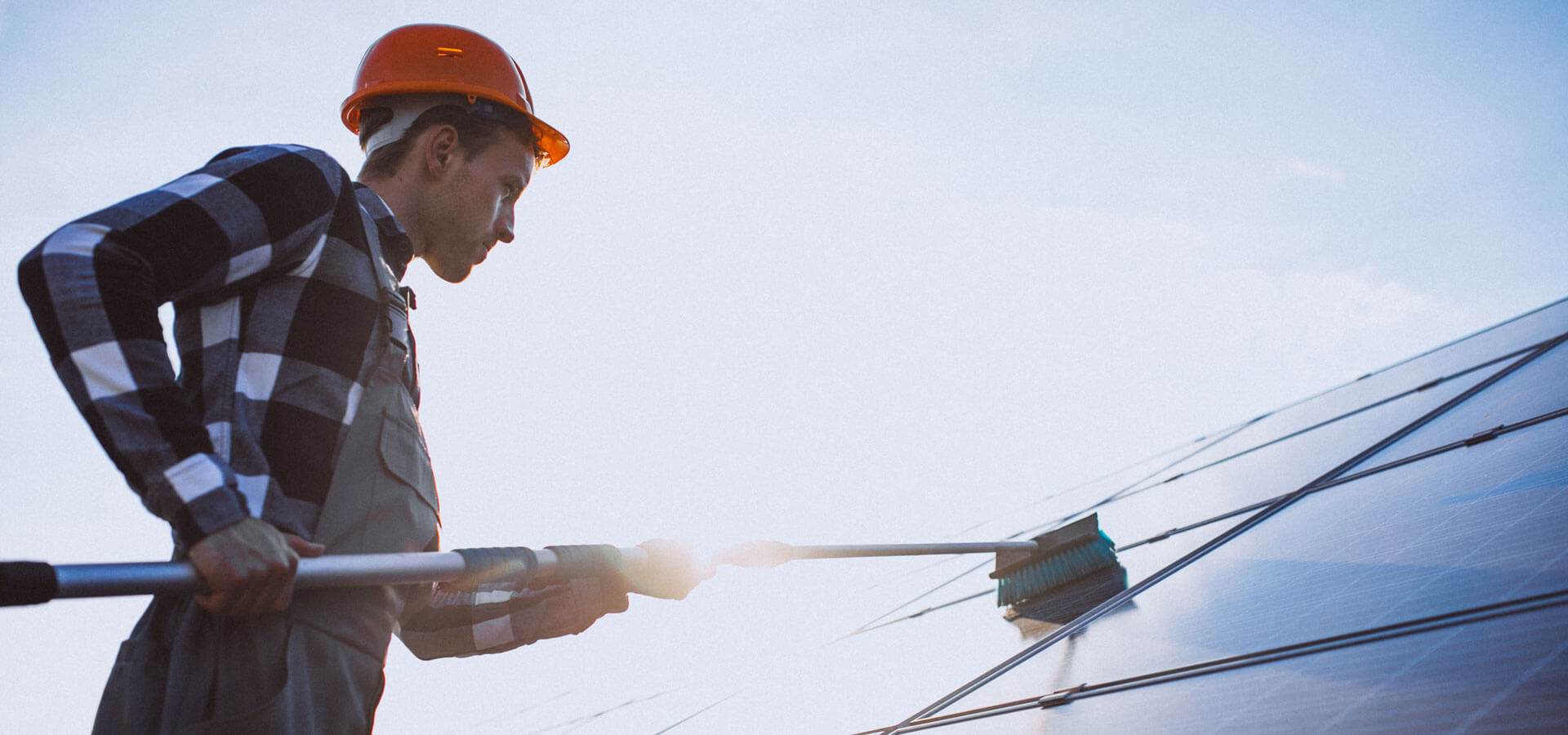
Ever stepped into a freshly renovated home and felt overwhelmed by the chaos of dust, debris, and lingering smells? I remember my first post-construction cleanup; I thought I could tackle it all in a day. Turns out, I was wrong. The dust was relentless, and traditional cleaning methods left me exhausted and frustrated. That lightbulb moment taught me something crucial: effective, eco-friendly post-construction cleaning isn’t about working harder, but smarter.
Why Speed and Sustainability Matter After Construction
Construction sites are notorious for generating hazardous dust, chemicals, and waste that can linger long after the last nail is hammered. Not only does this affect your health, but it also impacts the environment. I’ve learned that quick, green cleaning solutions can save you time, reduce your carbon footprint, and ensure your home is safe for everyone. Plus, clean-up doesn’t have to be a chore that drains your energy—there are proven strategies that deliver rapid, trustworthy results, and I’ll share them with you today.
Have You Faced This Mess and Felt Overwhelmed?
If your answer is yes, you’re not alone. Many homeowners struggle with post-construction messes and wonder if there’s a better way. Believe me, I’ve made mistakes early on—like using harsh chemicals that only added to the pollution and health risks. Over time, I discovered that eco-friendly cleaning hacks can make all the difference. Want to learn how to make your cleanup faster, greener, and more reliable? Keep reading, because I’ve got some game-changing tips coming your way.
Start with a Clear Plan
Before diving into cleaning, I recommend mapping out your approach. When I faced my first big post-renovation mess, I created a checklist highlighting key areas: floors, surfaces, and air quality. This step keeps you organized and prevents missing spots. Use eco-friendly cleaning hacks from this resource to optimize your process.
Choose the Right Tools and Supplies
Having the proper tools makes a huge difference. I swapped out harsh chemicals for natural alternatives like vinegar, baking soda, and lemon. Microfiber cloths and HEPA-filter vacuums are game changers—they trap dust and allergens effectively without pollution. Remember, a well-chosen toolkit accelerates your cleanup and aligns with green principles.
Break Down the Cleanup into Phases
Don’t try to do everything at once. Tackle large debris first, then move to finer dust and residues. I started with sweeping large debris, then used a HEPA vacuum for dust, followed by damp microfiber cloths for surfaces. This layered approach, inspired by sustainable cleaning methods, speeds up the process and ensures thorough sanitation.
Target Dust and Debris Effectively
Dust is the primary challenge after construction. I learned that dry sweeping stirs up dust, so I switched to damp mops and cloths. Use a microfiber cloth slightly dampened with a vinegar-water mix to trap dust without spreading it. This method reduces cleanup time and keeps the air safer, aligning with trusted green cleaning tips.
Sanitize Without Harsh Chemicals
Sanitization is crucial, but chemical-heavy products can be harmful. I opt for natural disinfectants like diluted tea tree oil or hydrogen peroxide solutions, which are effective yet eco-friendly. Applying these with spray bottles allows quick coverage. For detailed sanitizing strategies, these tips are invaluable.
Ventilate to Improve Speed and Safety
Open windows and use fans to circulate fresh air. I found that proper ventilation not only reduces lingering smells but also speeds up drying and dust removal. It’s a simple step that enhances your green efforts and makes the space safer faster. For more insights, visit this resource.
Final Touches for a Rapid, Trusted Finish
Finish with a quick mopping or vacuuming of floors and wiping down surfaces. I recommend using eco-friendly sanitizing wipes or sprays from trusted eco-friendly brands. This final step ensures your home is not only clean but safe and green.
Remember, consistency and eco-conscious choices are your best allies in achieving a fast, green, and trusted post-construction cleanup. Once you incorporate these steps, you’ll notice how much smoother and more satisfying the process becomes.
Many homeowners and even some professionals believe that green cleaning methods are too slow or ineffective for post-construction cleanup. This misconception often leads to reliance on harsh chemicals and aggressive scrubbing, which can harm both the environment and your health. In reality, the nuances of eco-friendly cleaning reveal that, with the right techniques, you can achieve rapid, thorough results without compromising sustainability.
Why Do People Think Green Cleaning Takes Longer
The common myth is that eco-friendly methods are less powerful or more time-consuming. This stems from outdated perceptions that natural products lack strength or that they require more effort to work. However, recent advances in sustainable cleaning solutions show that when you understand the proper application—like using microfiber cloths or HEPA vacuums—you can speed up the process significantly. For example, a study from the Journal of Environmental Management highlights that microfiber cloths with vinegar-water solutions can trap dust just as well as chemical cleaners, but faster and safer.
Watch Out for the Trap of Overlooking Air Quality
One advanced mistake is neglecting air quality during cleanup. Many focus solely on surface cleanliness, but airborne dust and chemicals can linger and cause health issues. Using HEPA-filter vacuums and proper ventilation is crucial. If you skip this step, you risk contaminating your indoor environment, which defeats the purpose of a green and rapid cleanup. For detailed strategies, check out these sanitization secrets.
How Can You Achieve Faster Results Without Chemicals
Leveraging advanced tools and techniques can drastically cut down cleanup time. For instance, damp microfiber cloths are more effective at trapping dust than dry sweeping, reducing the need for multiple passes. Also, combining quick-drying eco-friendly disinfectants with good ventilation accelerates sanitization. These practices align with green cleaning hacks and ensure your space is safe and spotless swiftly.
Remember, the key is to understand the nuances—like the importance of proper tool selection, air quality management, and correct product application. Don’t fall for the myth that eco-friendly means slow or less effective. Instead, embrace these advanced insights to optimize your post-construction cleanup. Have you ever fallen into this trap? Let me know in the comments.
Keep It Working: Tools I Recommend for Sustainable Cleaning
Maintaining the effectiveness of your cleaning arsenal over time is crucial for ensuring consistent, eco-friendly results after each project. I’ve found that investing in high-quality, durable equipment not only saves money in the long run but also aligns perfectly with green principles. For instance, I personally swear by the Dyson V15 Detect for its powerful HEPA filtration and cordless convenience, which makes quick cleanup of dust and debris a breeze. Its advanced filtration system traps microscopic particles, ensuring cleaner indoor air and reducing health risks, especially when dealing with post-construction dust.
Another indispensable tool I rely on is the Oreck Commercial ORB550MC HEPA Vacuum. This compact yet powerful vacuum is designed specifically for heavy-duty cleaning, with a sealed HEPA system that captures allergens and fine dust particles effectively. It’s lightweight for maneuverability and highly durable, making it ideal for frequent use without sacrificing eco-friendliness. When paired with microfiber attachments, it enhances dust removal efficiency without the need for chemical cleaners.
For detailed surface sanitation, I recommend using a Vinegar-Water Spray Bottle. I prepare a solution with 50% distilled white vinegar and 50% water, which acts as an effective, natural disinfectant. It’s perfect for wiping down surfaces swiftly and safely, reducing reliance on harsh chemicals. Regularly maintaining this spray bottle and replacing the solution every few weeks ensures optimal performance and safety.
In terms of software and planning, I use apps like Trello to organize cleaning phases and checklists, ensuring nothing gets overlooked during the process. Staying organized minimizes waste and ensures a smooth workflow, ultimately saving time and energy—key components of sustainable cleaning practices.
How do I maintain my tools over time?
Proper maintenance of your equipment is vital for long-term reliability. I recommend regular cleaning of vacuum filters and brushes—most HEPA filters are washable and should be cleaned every few months according to manufacturer instructions. Microfiber cloths should be washed in cold water with eco-friendly detergent and air-dried to preserve their electrostatic properties. Additionally, storing tools in a dry, covered space prevents rust and deterioration, extending their lifespan and ensuring they remain trustworthy allies in your eco-cleaning journey.
Looking ahead, I predict that the trend toward smart cleaning devices will grow, with more AI-powered vacuums and automated systems designed for sustainability. These innovations will further streamline post-construction cleanup, making it faster and greener. To stay ahead, I suggest trying out advanced tools like the eco-conscious sanitization devices that integrate seamlessly into your routine.
Taking the time to choose the right tools and maintain them properly ensures your cleaning results remain rapid, trustworthy, and eco-friendly. So, why not try out that durable HEPA vacuum I mentioned today? It’s a game-changer for sustainable, long-term post-construction cleaning.
Lessons No One Tells You About Post-Construction Cleanup
- One of the hardest lessons I learned was how crucial proper air quality management is. Neglecting ventilation during cleanup can leave behind airborne dust that worsens indoor air quality and health risks, even if surfaces look clean.
- Switching from harsh chemicals to natural disinfectants like vinegar and hydrogen peroxide was a game changer. Not only did it speed up the process, but it also aligned with my commitment to eco-friendly living, proving that green methods can be both fast and effective.
- Investing in high-quality tools like HEPA-filter vacuums and microfiber cloths saved me countless hours. These tools trap dust more effectively and reduce the need for re-cleaning, making the entire process smoother and more trustworthy.
My Go-To Resources for Green, Rapid Cleanup
- Trusted Brands: I rely on brands like Dyson and Oreck for their durable HEPA vacuums. Their filtration systems are essential for capturing microscopic particles and maintaining healthy indoor air quality.
- Eco-Friendly Solutions: The vinegar-water spray from this resource is my secret weapon for quick surface sanitation without harmful chemicals.
- Educational Content: The articles on post-construction sanitization strategies keep me updated on innovative, eco-conscious cleaning techniques that save time and protect the environment.
Embrace the Green Cleaning Revolution Today
Now is the perfect moment to elevate your post-construction cleanup game by integrating speed, trustworthiness, and sustainability. With the right tools, techniques, and mindset, you can achieve a spotless, healthy home faster than ever—without compromising your eco values. Why not start today and experience the difference firsthand? Your future self will thank you for it. Have you faced challenges with eco-friendly cleaning tools? Share your stories below and let’s learn together!

![5 Botanical Sanitizers That Kill 99% of Germs Without Fumes [2026]](https://sparklehomeclean.com/wp-content/uploads/2026/02/5-Botanical-Sanitizers-That-Kill-99-of-Germs-Without-Fumes-2026-150x150.jpeg)
Leave a Reply