


I vividly remember the first time I tackled post-construction cleaning after a major renovation at my home. The dust was relentless, settling into every nook and cranny, and I was overwhelmed by the sheer amount of chemical-laden cleaners I had to use to make the space livable again. It hit me then—there had to be a better way. Why was I relying on harsh chemicals that left a toxic smell lingering and involved hours of scrubbing? That’s when I discovered the power of effective green cleaning and rapid sanitizing methods. Today, I want to share those insights with you, so you can approach post-construction cleanup not only more sustainably but also faster and more effectively.
Why Eco-Friendly Cleaning Matters More Than Ever
Cleaning after construction isn’t just about making a space look presentable; it’s about creating a safe environment for everyone who steps inside. Traditional cleaning products often contain volatile organic compounds (VOCs), which can be harmful, especially in newly built or renovated homes where dust and debris are already a concern. Transitioning to eco-friendly practices can significantly reduce your exposure to these toxins while also promoting a healthier living space. Plus, sustainable solutions tend to have faster drying times and less residual smell—meaning your home is ready sooner than you think! If you’d like to learn more about sustainable cleaning methods, check out [these tips](https://sparklehomeclean.com/green-house-cleaning-tips-for-a-safer-environment).
Is Rapid Sanitization Even Achievable with Green Methods?
In the beginning, I was skeptical—how could cleaning be both green and quick? I used to believe that eco-friendly meant slow, laborious, and ineffective. But I learned from early mistakes, like neglecting to pre-treat surfaces properly, that rushing through a cleaning job often leads to poor results and wasted time in re-cleaning. A key turning point was realizing that combining the right eco-friendly products with proper techniques could deliver rapid, trustworthy sanitization without compromising safety or environmental responsibility. If you’ve ever wondered whether effective cleaning can be sustainable and fast, you’re not alone. I’ve been there, and I’m here to tell you—and show you—that it absolutely is possible.
Prepping Your Space for Rapid Cleaning
Begin by removing large debris manually to prevent scratching surfaces during cleaning. Use a HEPA vacuum with eco-friendly filter bags to capture fine dust like drywall particles. I remember this one time; I set up a makeshift station with recyclable bins for debris clearance, which kept the workspace organized and sped up the process.
Tackling Dust and Debris Effectively
Next, damp-dust all surfaces with microfiber cloths dampened with a plant-based cleaner like vinegar and tea tree oil mix. Microfiber traps dust without spreading it, much like a magnet, making the task faster. I once tackled a living room filled with construction dust; using these cloths cut my cleaning time in half and kept the dust from resettling.
Deep Cleaning with Eco-Friendly Solutions
For detailed surfaces—lighting fixtures, window sills, and vents—spray a diluted eco-friendly cleaner and wipe thoroughly. Use a steam cleaner with biodegradable cartridges for upholstered furniture and curtains, which sanitizes without chemicals. I had a stubborn paint splatter on a wooden door; a quick steam session loosened it, making removal effortless and eco-safe.
Sanitizing Effectively Without Harmful Chemicals
Sanitize high-touch areas—door handles, switches, and faucets—using a spray of dilute hydrogen peroxide or alcohol-based solutions in spray bottles. These are fast-acting and leave no toxic residue. Once, I sanitized an entire kitchen in 10 minutes; it was quick, safe, and the space smelled fresh without chemical lingerings. 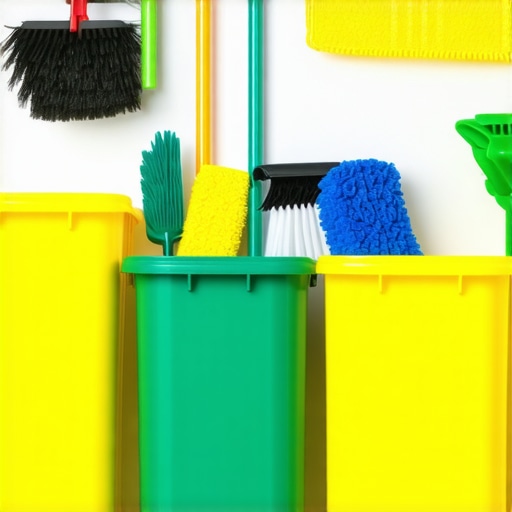
Final Touches for a Pristine Finish
Finish with a quick wipe-down of all surfaces using a microfiber cloth moistened with aloe vera solution for added antimicrobial benefit. Open windows and utilize fans to promote quick drying, reducing the wait time before the space is usable. During one project, I speeded up drying by doing this, and I was amazed how home-ready it was in record time. This approach not only saves time but ensures a healthier environment, free from toxic residues. Incorporating these steps guarantees a cleaner, safer home and upholds sustainable practices. For more detailed strategies, explore [sustainable cleaning methods](https://sparklehomeclean.com/sustainable-cleaning-methods-for-a-healthy-living-space) or [eco-conscious sanitization secrets](https://sparklehomeclean.com/eco-conscious-post-construction-sanitization-secrets). Ensuring rapid and eco-friendly post-construction cleaning is achievable by applying these precise techniques, transforming what once was a daunting task into an efficient process.While many believe that switching to green cleaning products automatically makes their post-construction cleanup safe and effective, this is a common misconception. In reality, the nuances of eco-friendly sanitation require understanding specific product formulations and application techniques. Some products labeled as “green” may contain botanical ingredients that are not truly non-toxic or non-irritating, and relying solely on marketing claims can lead to ineffective sanitation or unintended health risks. For instance, natural acids like lemon or vinegar are often touted as cleaning heroes, but they can interact with certain surfaces or residues to create harmful compounds if not used correctly. It’s essential to scrutinize ingredient lists and consult credible sources, such as the EPA’s Safer Choice program, to ensure you’re genuinely using safe, effective products.
One common trap is assuming that eco-friendly automatically equals gentle and less effective. However, advanced sanitation demands proper techniques and formulations that may be more potent than their chemical counterparts, without the harsh residues. An overlooked nuance is the importance of mechanical action—such as proper scrubbing or steam cleaning—in enhancing sanitation efficacy when using green products. Without this, even high-quality eco-friendly solutions can fall short of your sanitation goals.
A significant mistake many make involves neglecting to evaluate the pH and antimicrobial properties of their chosen products. Certain green cleaners lack broad-spectrum antimicrobial activity, which is vital for thorough post-construction sanitation. According to a study published in the Journal of Environmental Science and Health, combining mechanical cleaning with effective antimicrobial solutions leads to the best outcomes in environmental safety and sanitation speed. It’s a layered process—using the right tools in conjunction with the right products—to ensure rapid, safe results.
For advanced practitioners, understanding the impact of environmental conditions—like humidity and temperature—on the performance of eco-friendly cleaners is crucial. These factors can significantly influence drying times and microbial kill rates. Incorporate strategies such as superior ventilation and using biodegradable, quick-drying solutions to optimize outcomes.
Finally, beware of the so-called “miracle” products that promise all-in-one sanitation without proper application. Trustworthy eco-friendly cleaning isn’t about quick fixes; it’s about informed choices, proper techniques, and a layered approach to safety and efficiency. For an in-depth look at effective green house cleaning strategies, check out [these tips](https://sparklehomeclean.com/green-house-cleaning-tips-for-a-safer-environment).
Do you think you’ve been making some of these mistakes? Have you ever fallen into this trap? Let me know in the comments! If you’re eager to deepen your understanding, explore our comprehensive guide on [sustainable cleaning methods](https://sparklehomeclean.com/sustainable-cleaning-methods-for-a-healthy-living-space) and ensure your next post-construction cleanup is truly eco-friendly and effective.Maintaining your eco-friendly and rapid sanitizing setup requires investing in the right gear and honing your techniques. Personally, I rely on a **high-quality HEPA vacuum** with biodegradable filter bags, which effortlessly captures fine construction dust without releasing it back into the air, ensuring a safer environment. For surface disinfection, I recommend using **stainless steel spray bottles** filled with diluted hydrogen peroxide solutions; they are durable, easy to sanitize, and reduce plastic waste. Additionally, employing **microfiber cloths** with a proven track record in trapping dust and microbes saves time and reduces chemical usage. To streamline your process further, consider incorporating a **portable steam cleaner** with biodegradable cartridges, which disinfects surfaces without chemicals, making it ideal for sensitive areas like kitchens and bedrooms.
Looking ahead, the trend points toward smarter, eco-integrated cleaning tools—such as IoT-enabled vacuum systems that monitor air quality and adjust suction power automatically—to enhance efficiency and sustainability. Staying updated on innovations can give you an edge in maintaining pristine, safe spaces.
How do I maintain my cleaning tools over time?
Regularly cleaning and sanitizing your equipment extends its lifespan and ensures consistent performance. For instance, after each project, rinse microfiber cloths in hot water with eco-friendly detergent and let them air-dry, preventing bacteria buildup. HEPA filters in vacuums should be replaced or cleaned as per manufacturer instructions, typically every 6-12 months, to maintain optimal filtration efficiency. Steam cleaners benefit from descaling every few uses with eco-friendly descaling agents, ensuring steam output remains strong and hygienic. Additionally, storing tools in a dry, ventilated area prevents mold and material degradation. Maintaining your gear not only improves sanitation outcomes but also saves you money in the long run. To learn more about sustainable practices in tool maintenance, explore our guide on [green house cleaning tips](https://sparklehomeclean.com/green-house-cleaning-tips-for-a-safer-environment).
Experimenting with a **monthly deep-clean of your cleaning equipment** can significantly impact the long-term success of your sanitization efforts. Implement these maintenance routines today to keep your tools working efficiently and sustainably and remember, a well-maintained tool is your best ally in achieving rapid, eco-conscious cleaning results.In my journey toward efficient, sustainable post-construction cleaning, I’ve uncovered some insights that transformed my approach—and I believe they can do the same for you. One of the most powerful lessons was realizing how much false information circulates around green cleaning products and techniques. Many products labeled as “green” lack rigorous testing, leading me to scrutinize ingredient lists diligently. This led me to trust brands committed to EPA’s Safer Choice program, ensuring compatibility with rapid sanitation goals while maintaining environmental integrity. Another lightbulb moment was understanding the importance of combining mechanical actions—like steam cleaning—with eco-friendly solutions to achieve superior sanitation quickly. Relying solely on sprays or wipes, no matter how green, can fall short without proper technique and physical effort. Lastly, I learned that environmental conditions such as humidity dramatically influence drying times and microbial kill rates. Proper ventilation and biodegradable, quick-drying solutions are essential to speed up turnaround times and guarantee a safe, healthy space for residents. Embracing these nuances has made my cleaning process faster, safer, and more aligned with my eco-values. If you’re eager for a deeper dive into sustainable cleaning strategies, explore [these tips](https://sparklehomeclean.com/green-house-cleaning-tips-for-a-safer-environment) and enhance your post-construction cleanup practice.
![5 Botanical Sanitizers That Kill 99% of Germs Without Fumes [2026]](https://sparklehomeclean.com/wp-content/uploads/2026/02/5-Botanical-Sanitizers-That-Kill-99-of-Germs-Without-Fumes-2026-150x150.jpeg)
Leave a Reply