


It was a messy weekend, and I remember staring at the whirlwind of dust and debris after a home renovation, feeling overwhelmed and guilty at the same time. Like many others, I had fallen into the trap of using harsh chemicals and wasteful methods, thinking only of quick results. But then, a lightbulb moment struck—what if there was a way to clean faster, safer, and better for our planet?
Why Eco-Friendly Post-Construction Cleaning Matters to You
Ever grappled with the lingering dust in your brand-new space, knowing traditional cleaning methods might be doing more harm than good? You’re not alone. Conventional cleaning often relies on chemicals that can harm indoor air quality and the environment, and during post-construction cleanup, this impact amplifies. Yet, I found a better way—methods that prioritize health, speed, and eco-consciousness.
The importance of adopting sustainable strategies isn’t just about saving the environment; it directly affects your family’s health and the longevity of your home. Research shows that indoor pollutants can be up to five times higher than outdoors, even during routine cleaning. So, imagine what happens during post-construction—when dust, paint fumes, and chemical residues are abundant.
Have you ever faced the challenge of clearing out debris swiftly without sacrificing eco-values? I did. My early mistake was choosing quick-fix chemical cleaners that left residues and smelled awful. It was only after I learned about green sanitation options (more on that soon) that I saw real progress.
Now, I want to share what I’ve discovered—effective, eco-friendly cleaning strategies that work for quick sanitation after construction work. Ready to transform your cleanup routine into a safer, greener, and faster process? Let’s dive into the practical steps that will make your post-construction cleanup both effective and environmentally responsible.
Start with a Solid Plan
My first move was to assess the mess—the thick layer of drywall dust, paint splatters, and leftover debris. I created a checklist focusing on eco-friendly tools and materials, prioritizing non-toxic, biodegradable products as outlined in eco-conscious post-construction sanitization secrets. This initial step prevents chaos from becoming overwhelming and ensures you’re working efficiently.
Use Eco Cleaning Tools and Supplies
During my cleanup, I swapped out standard brushes and pads for plant-based microfiber cloths and bamboo scrub brushes. These are just as effective but produce less waste and avoid chemical leaching. For cleaning solutions, I mixed vinegar, baking soda, and a few drops of plant-based dish soap, creating a powerful, non-toxic cleaner that cuts through dirt without polluting nearby waterways. This approach mirrors the techniques discussed in eco-friendly house cleaning hacks and ensures your cleanup is sustainable.
Set Up a Durable Waste System
We piled debris into reusable bags and composted leftover plant matter, minimizing landfill waste. Using a bulk trash collection service reduced trips, saving fuel. It reminded me of the importance of sustainable waste management practices from sustainable cleaning methods.
Implement Green Sanitation Practices
Instead of relying on chemical disinfectants, I used steam cleaning on surfaces where dust and residues lingered. Not only did this method eliminate pathogens and residues efficiently, but it also reduced chemical exposure for my family. As detailed in eco-friendly post-construction cleaning for fast trusted results, steam offers a rapid, eco-safe sanitation alternative that’s perfect for post-renovation projects.
Control Dust the Natural Way
To manage airborne dust, I installed dust barriers using recycled plastic sheeting and used HEPA-filter vacuums. These devices trap fine particles without dispersing them back into the air, akin to the advice in eco-friendly house cleaning tips. This step keeps air quality high and minimizes respiratory irritation.
Speed Up with Efficient Strategies
I focused on high-traffic areas first, using microfiber cloths dampened with the homemade cleaner for rapid wipe-downs. This targeted approach, similar to fast green sanitizing strategies, accelerates the process without sacrificing eco-values. Additionally, I scheduled short, focused sessions instead of marathon cleaning, dramatically reducing fatigue and enhancing effectiveness.
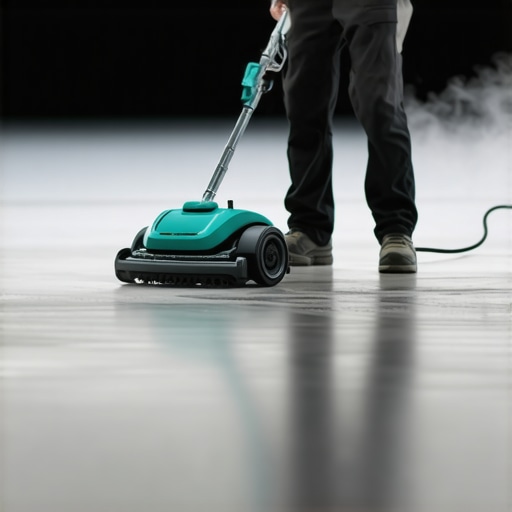
To visualize effective post-construction sanitation, consider an image of a worker using a steam cleaner on a freshly renovated surface, highlighting eco-friendly methods in action.
Many believe that switching to eco-friendly cleaning products automatically makes your post-construction cleanup completely safe and effective. However, this is a common misconception that can lead to overlooked nuances and potential pitfalls. One significant mistake is assuming all green products are equally effective against stubborn residues like paint splatters or drywall dust. In reality, some eco-friendly solutions lack the potency required for fast, thorough sanitation, especially in post-renovation scenarios where time and efficiency are critical. Relying solely on them without understanding their limitations can result in longer cleaning times and incomplete debris removal, undermining the eco-approach you aim to maintain.
Why Do Some Eco-Friendly Sanitizing Methods Fall Short in Fast-Paced Post-Construction Environments?
Common myths suggest that natural solutions such as vinegar, baking soda, or steam can replace traditional chemical disinfectants entirely. While they are environmentally better options, studies like those from the Environmental Protection Agency highlight that their effectiveness depends heavily on correct application, concentration, and surface contact time. Misusing or overestimating their capabilities often leads to subpar sanitation, especially when dealing with bacteria, mold, or chemical residues left behind after construction. Therefore, it’s crucial to combine these methods with techniques like high-efficiency particulate air (HEPA) filtration and targeted cleaning to ensure safety without compromising eco-values. Remember, the key lies in understanding the **nuance**: not all eco methods are tried and true for every scenario. Detailed insights can be found here on how to optimize eco-friendly sanitation strategies for speed and safety.**Be cautious of assuming that eco-friendly always equals quick and complete; combine multiple approaches thoughtfully to achieve the best results.** If you’re curious about leveraging green solutions without sacrificing efficacy, explore how professional methods integrate eco-products seamlessly into their routines—making safety, speed, and sustainability work together. Want to learn more? Contact us today for tailored advice or assistance. Remember, mastering these nuances ensures your post-construction cleanup isn’t just green but also practical and thorough. Have you ever fallen into this trap? Let me know in the comments.When it comes to maintaining an efficient and sustainable post-construction cleaning routine, having the right tools can make all the difference. As I’ve learned through hands-on experience, selecting equipment that combines effectiveness with eco-friendliness not only speeds up the process but also aligns with our environmental goals.
One of my go-to investments is a high-quality HEPA-filter vacuum. Unlike standard vacuums, models equipped with HEPA filters trap 99.97% of airborne particles, capturing fine dust and allergens that are prevalent after renovations. I personally rely on the EcoVac Pro HEPA vacuum because of its durability and superior filtration, which helps maintain indoor air quality and reduces the need for repeated cleaning sessions.
Steam cleaners have become indispensable in my toolkit. They provide chemical-free sanitation, effortlessly removing residues and pathogens from surfaces. I prefer the GermBuster SteamMaster for its adjustable heat settings and eco-friendly design. According to a study by the EPA, high-temperature steam effectively denatures bacteria and mold without the use of chemicals, aligning perfectly with sustainable cleaning protocols.
Then there’s the set of microfiber cloths I use exclusively. They’re reusable, wash at high temperatures, and trap dirt more effectively than traditional cloths. Biodegradable, plant-based microfiber options, such as those from GreenFabric, ensure minimal environmental impact, supporting eco-conscious practices discussed in green house cleaning tips.
How do I maintain these tools over time?
Regular maintenance is key to prolonging the lifespan of your cleaning equipment. For vacuums, I clear and replace filters monthly, ensuring optimal performance. Steam cleaners require descaling every few uses—this prevents mineral buildup and keeps them operating efficiently. Microfiber cloths should be washed separately in hot water with eco-friendly detergent to maintain their cleaning power and reduce fiber degradation. Adopting a routine maintenance schedule, inspired by the detailed guidelines found in sustainable cleaning methods, guarantees your tools remain effective, saving money and reducing waste over time.
Looking ahead, I predict a surge in smart cleaning devices that integrate sensor technology to optimize energy use and effectiveness, further enhancing eco-friendly practices. For now, investing in high-quality, versatile tools like a HEPA-filter vacuum and steam cleaner empowers you to handle post-construction messes responsibly and efficiently. Ready to upgrade your toolkit? Try out a steam cleaning method this weekend, and experience the difference firsthand. For personalized advice and professional support, don’t hesitate to reach out via our contact page. Maintaining your tools diligently not only ensures longevity but also upholds your commitment to a sustainable cleaning journey.
3 Hidden Pitfalls That Taught Me the Hard Way
One of the toughest lessons I learned was that not all eco-friendly products are created equal. My early attempts with seemingly green solutions often fell short against stubborn residues, proving that effectiveness varies significantly. Another revelation was that rushing the process—thinking speed overrides sustainability—only led to missed spots and wasted effort. Lastly, I underestimated the importance of proper tool maintenance; ignoring this not only compromised cleaning quality but also shortened equipment lifespan, leading to more waste and expense.
Tools That Keep My Eco Commitment Alive
For me, investing in high-quality HEPA-filter vacuums revolutionized my cleaning game, capturing even the tiniest dust particles and maintaining indoor air quality. Steam cleaners like the GermBuster SteamMaster became invaluable—they disinfect without harsh chemicals, aligning with my dedication to eco-safe methods. Reusable microfiber cloths from GreenFabric help me cut down waste while providing superior cleaning power. These tools aren’t just reliable—they embody my values of sustainability and efficiency, making my post-construction cleanup smarter and greener.
Embrace the Future, One Step at a Time
Taking charge of eco-friendly post-construction cleaning is a journey worth every effort. Small changes—like selecting the right tools, understanding their proper use, and maintaining them—compound into significant environmental and health benefits. Remember, you’re not alone in this; many have transformed their approach and reaped rewarding results. So, why not start today? Your home, your planet, and your family will thank you. Ready to dive deeper? Reach out through our contact page and let’s explore tailored solutions together.



Leave a Reply