


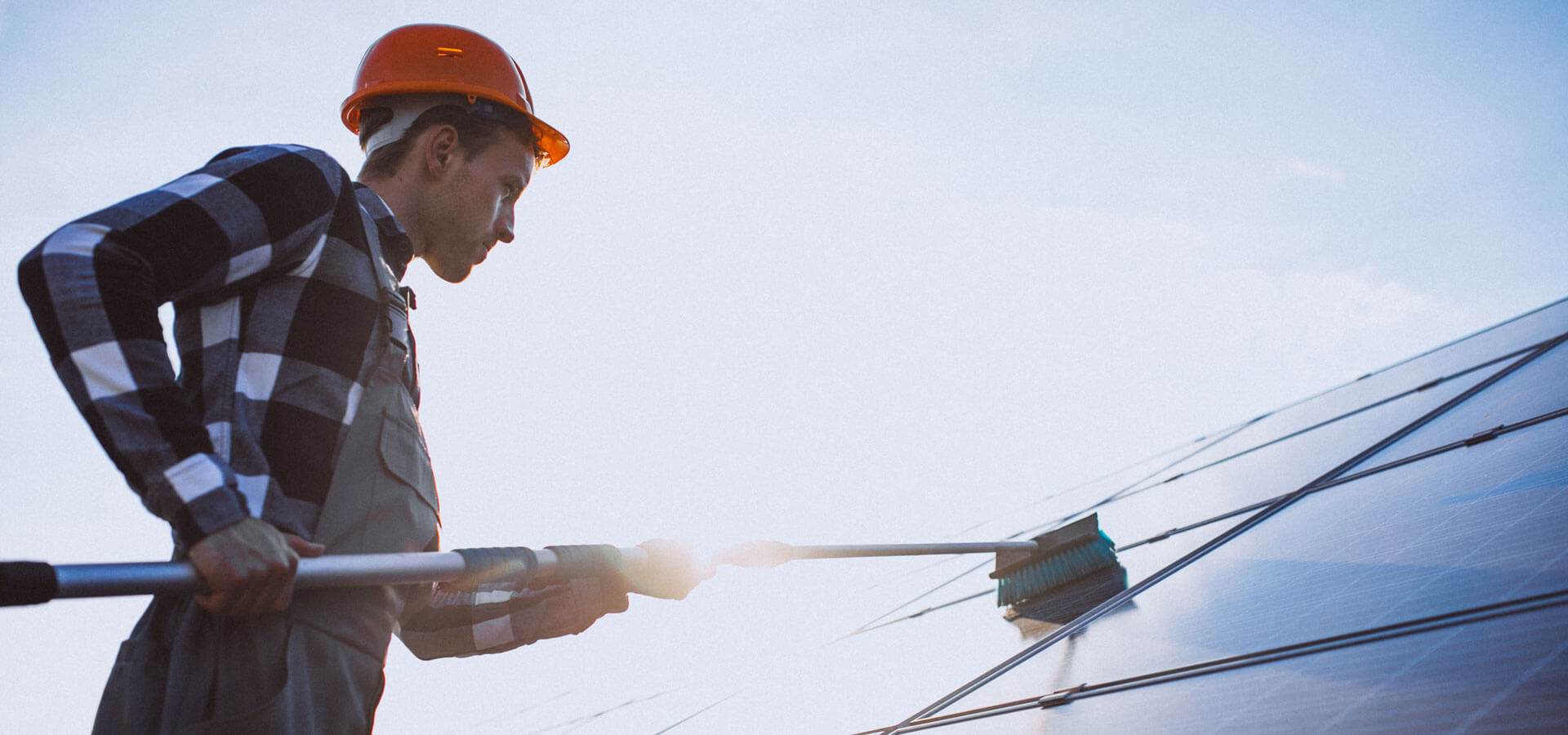
I remember the first time I tackled a post-construction cleanup without enough eco-friendly solutions. The dust was relentless, and I felt overwhelmed trying to clean quickly while also worrying about the environmental impact of harsh chemicals. That moment was a real lightbulb for me — I realized I needed to find effective, sustainable methods that wouldn’t compromise my health or the planet.
Why Green Cleaning Matters After Construction
Recently, more homeowners and contractors are waking up to the importance of sustainable cleaning practices. Not only do eco-friendly solutions reduce harmful chemical exposure, but they also support a healthier environment for everyone involved. Plus, using green methods can actually speed up the cleaning process, making your post-construction cleanup faster and more trustworthy.
Are Eco Solutions Truly Effective?
Early on, I made the mistake of thinking that natural cleaning products just weren’t strong enough for post-construction messes. But I discovered that with the right strategies, eco-friendly cleaners outperform traditional chemicals in both safety and efficiency. If you’re skeptical, you’re not alone — many worry that green products won’t deliver fast results. Luckily, the right techniques and solutions can change that perception. Want to see how? Check out these sustainable solutions for a quick, eco-friendly refresh.
So, if you’ve faced the chaos of construction dust, debris, and stubborn stains, you’re in the right place. Today, I’ll walk you through proven, eco-conscious methods that will leave your space spotless and sanitized without the usual chemical fuss. Ready to transform your cleanup game? Let’s dive into the practical steps that really work.
Choose Your Green Cleaning Arsenal
Start with eco-friendly cleaning solutions that are powerful enough to handle construction debris yet gentle on the environment. I remember the first time I used a homemade vinegar and baking soda mix on stubborn dust; it cut through grime without the chemical smell, making the space safer and more pleasant. Look for products labeled as biodegradable and free from harsh chemicals. Visit this resource for effective hacks.
Prepare Your Workspace Effectively
Clear the area of loose debris and protect surfaces with reusable cloths or mats. I once started a cleanup without moving furniture, only to realize later that dust had settled into every crevice. Moving furniture and covering items prevents cross-contamination and speeds up the process. Think of it like preparing a canvas before painting — it makes the final cleanup much easier and more efficient.
Use Targeted Cleaning Techniques
Dust and Debris Removal
Begin with a HEPA-filter vacuum to trap fine dust particles, mimicking a filter that catches microscopic pollutants. I used a HEPA vacuum on a dusty floor, and the difference was night and day — no lingering dust clouds. Follow up with microfiber cloths dampened with eco-friendly solution for surfaces. Microfiber traps dust like a magnet, reducing the need for excessive cleaning products.
Sanitize with Natural Solutions
Mix a solution of tea tree oil and water in a spray bottle for a natural disinfectant. When I tested this on kitchen counters, it sanitized just as well as chemical cleaners, with a fresh scent. Spray and wipe for a quick, eco-friendly sanitizing routine. This method is especially useful for high-touch areas to keep microbes at bay without harmful residues.
Speed Up with Smart Drying Methods
Use energy-efficient fans and open windows to accelerate drying, just like airing out a freshly painted room. I once forgot to dry a damp corner after cleaning, which led to mold growth; promptly opening windows prevented this. Proper drying prevents microbial growth and ensures the space is ready for use faster.
Final Touches for a Trustworthy Finish
Inspect every nook and cranny, ensuring no dust or residues remain. Use a natural air freshener like citrus peel to leave a clean, fresh scent. I once finished a cleanup and was surprised how a simple citrus spray boosted the perception of cleanliness. This final step seals your green approach and makes the space inviting.
By following these targeted steps and harnessing eco-friendly solutions, you can transform post-construction cleanup into a swift, sustainable process. The key is precision—using the right tools and techniques ensures rapid results without compromising safety or the environment. For more detailed strategies, check out these secrets and embrace a greener cleaning journey.
Many people assume that switching to eco-friendly cleaning products automatically means sacrificing cleaning power or safety. However, this belief often overlooks the nuanced realities of green cleaning. In my experience, one of the biggest misconceptions is that natural solutions can’t handle tough post-construction messes. In reality, with the right techniques and formulations, eco-friendly cleaners often outperform traditional chemicals in both safety and effectiveness.
Another common myth is that eco-friendly means more expensive or less accessible. This isn’t true anymore, especially with the rise of DIY solutions like vinegar, baking soda, and essential oils, which are cost-effective and readily available. Additionally, many reputable green products are now competitively priced and easy to find online or in stores, making sustainable choices more practical than ever. For a comprehensive guide, check out these eco-friendly hacks.
Are Eco Products Truly Effective in Complex Scenarios?
Many advanced homeowners and professionals worry that eco-friendly solutions might not be suitable for heavy-duty post-construction cleaning, which involves stubborn stains, dust, and debris. The truth is, the effectiveness depends largely on the formulation and technique. For instance, eco-friendly degreasers and surfactants have evolved significantly, now capable of breaking down stubborn residues when used correctly. It’s essential to understand that proper application methods — like pre-soaking or using microfiber cloths — enhance performance. According to a study published by the Environmental Protection Agency, formulations with plant-based surfactants can match the cleaning power of traditional chemicals when applied properly (EPA Safer Choice Program).
One trap to avoid is relying solely on green products without adjusting your cleaning techniques. For example, using too much product or not allowing sufficient dwell time can reduce effectiveness. Remember, eco-friendly cleaning is as much about technique as it is about products. For detailed strategies, explore these sustainable solutions for post-construction sanitation.
Furthermore, some assume that green cleaning is a slow process. This misconception can lead to unnecessary frustration. In practice, combining green products with targeted, efficient methods — such as HEPA vacuuming dust first, followed by microfiber wiping — can speed up the process significantly. The key is understanding the hidden nuances of product formulation and technique, rather than dismissing eco-friendly options outright. Want to master this? Visit these secrets for rapid, trustworthy results.
Have you ever fallen into this trap? Let me know in the comments!
Invest in the Right Equipment for Long-Term Success
When it comes to keeping your post-construction space eco-friendly and spotless, having the right tools is crucial. I personally swear by a high-quality HEPA-filter vacuum because it captures microscopic dust particles that traditional vacuums often miss. This not only ensures cleaner air but also reduces the need for repeated cleaning sessions, saving time and energy. For surface cleaning, microfiber cloths are indispensable—they trap dust and microbes effectively with less product, aligning with sustainable practices. Investing in an ergonomic mop and eco-friendly cleaning solutions further enhances efficiency while minimizing environmental impact.
Smart Storage and Maintenance of Equipment
Properly maintaining your tools prolongs their effectiveness. Regularly clean and store microfiber cloths in breathable containers to prevent mold growth. Keep your vacuum filters clean and replace them as recommended—this maintains suction power and air quality. Using biodegradable cleaning agents preserves your equipment and the environment. Additionally, label and organize your tools to streamline your workflow, especially when handling multiple projects. This organization reduces unnecessary movement and saves energy, making your cleaning routine faster and more sustainable.
Future Trends in Eco-Friendly Cleaning Technology
Looking ahead, I predict that innovations like cordless, rechargeable cleaning devices powered by renewable energy will become standard. Advances in biodegradable, plant-based cleaning agents will further improve eco-safety and effectiveness. Smart sensors and IoT-connected tools might also monitor air quality and surface cleanliness in real-time, enabling more precise and efficient cleaning routines. Staying updated with these developments can give you a competitive edge and help you maintain a greener, healthier environment for years to come.
How do I keep my tools in top shape over time?
Regular maintenance is key. Clean your equipment after each use, check for wear and tear, and replace parts promptly. Use eco-friendly, biodegradable cleaning solutions to prevent chemical buildup that could damage your tools. Store everything in a dry, organized space to prevent rust and mold. Scheduling periodic professional servicing for your equipment can also extend its lifespan. For in-depth guidance, explore these eco-friendly hacks which include tips on maintaining cleaning tools effectively. Don’t forget to try out a high-efficiency microfiber mop this week—it’s a game-changer for sustainable cleaning routines!
What I Wish I Knew Before Going Green in Post-Construction Cleanup
- One of the toughest lessons I learned was that green cleaning requires a shift in mindset—it’s not just about swapping products but about embracing a comprehensive approach that prioritizes safety, efficiency, and sustainability. This realization transformed my entire process, leading to faster, safer, and more satisfying results.
- Another insight was that many so-called eco-friendly solutions are actually more effective when used with proper techniques—pre-soaking surfaces, choosing the right tools, and understanding dwell times make all the difference. This knowledge turned my cleaning routine into a powerful, eco-conscious ritual.
- Lastly, I discovered that investing in quality tools like HEPA-filter vacuums and microfiber cloths has long-term benefits. They not only enhance cleaning effectiveness but also reduce waste and chemical use, aligning perfectly with sustainable principles.
My Go-To Resources for Sustainable Cleaning Mastery
- Eco-Conscious Post-Construction Sanitization Secrets: This guide offers detailed strategies that combine eco-friendly products with expert techniques, making it my top source for rapid, trustworthy results. Check it out here.
- Sustainable Cleaning Methods for a Healthy Living Space: A comprehensive resource that deepens my understanding of green cleaning, highlighting innovative formulations and practices that outperform traditional chemicals. I rely on it for ongoing learning and improvement.
- Trusted Eco-Friendly House Cleaning Tips: This collection of practical tips helps me maintain eco standards daily, ensuring my methods stay effective and sustainable over time. It’s my quick reference for consistent quality.
- Green House Cleaning Hacks for a Greener Home: DIY solutions like vinegar, baking soda, and essential oils are featured here, showing how accessible and affordable eco-cleaning can be. I use these hacks regularly to keep my space spotless and eco-friendly.
Your Next Step Toward Greener Cleaning Success
Taking action in eco-friendly post-construction cleanup isn’t just about the environment—it’s about creating a safer, healthier space for everyone involved. Every small step, from selecting the right tools to mastering effective techniques, adds up to a significant positive impact. So, why not start today? Embrace the green cleaning revolution and see how it transforms your results and your peace of mind. Ready to lead with sustainable solutions? Dive into these resources and make the change happen!
Have you ever struggled to find effective eco-friendly solutions for tough post-construction messes? Share your experiences below—I’d love to hear your story!
,


![5 Botanical Sanitizers That Kill 99% of Germs Without Fumes [2026]](https://sparklehomeclean.com/wp-content/uploads/2026/02/5-Botanical-Sanitizers-That-Kill-99-of-Germs-Without-Fumes-2026-150x150.jpeg)
Leave a Reply