


Ever stepped into a freshly renovated home and felt overwhelmed by the mountain of dust, debris, and toxic chemicals lingering in the air? I remember my first post-construction cleanup—thinking I was prepared, only to be hit with sneezing fits and a lingering chemical smell that made me question if I’d ever breathe easy again. It was a lightbulb moment that led me down the path of eco-conscious cleaning solutions, transforming my approach and results.
Why Eco-Friendly Post-Construction Cleaning Matters Now
In today’s world, where sustainability isn’t just a buzzword but a necessity, cleaning after construction should be no different. Traditional methods often rely on harsh chemicals that can harm both the environment and our health. I’ve learned that choosing eco solutions isn’t just good for the planet—it also ensures a safer, healthier home for my family and clients. Plus, with the right techniques, you can speed up the cleaning process, giving you fast, trustworthy results without sacrificing quality or safety.
Have You Faced the Challenge of Heavy Dust and Toxic Residues?
If your answer is yes, you’re not alone. Many homeowners and professionals struggle with post-construction messes that seem impossible to tackle quickly and safely. Trust me, I’ve been there. Early on, I made the mistake of relying solely on conventional cleaning products, which left behind chemical residues and failed to eliminate stubborn microbes. That’s when I discovered that sustainable, eco-friendly methods—like those outlined in this article—are game-changers for rapid, reliable results.
So, if you’re eager to learn how to get your space clean, green, and sanitized swiftly, stay tuned. We’re about to explore practical, eco-friendly strategies that will have your home shining and safe in no time. Ready to make your next post-construction cleanup not just effective but also environmentally responsible? Let’s dive in!
Start with a Thorough Dust Removal
I vividly remember tackling my first eco-friendly cleanup after a renovation. I began by using a HEPA-filter vacuum to remove the heavy layers of dust that settled everywhere. Think of this step as sweeping away the debris to prepare a clean slate. Use a vacuum with a HEPA filter for maximum efficiency in trapping micro-particles and allergens. Following this, damp microfiber cloths are your best friends—they trap dust without spreading it around, unlike dry cloths. This initial step is crucial because it reduces airborne dust and sets the stage for effective sanitization.
Optimize Your Tools for Speed and Safety
Invest in eco-conscious cleaning tools, like microfiber cloths and biodegradable wipes, to ensure safety and sustainability. When I did this, I realized how much faster and safer my process became. These tools are reusable, reducing waste, and are highly effective at capturing dust and microbes. For chemical-free cleaning, I rely on simple solutions like diluted vinegar or baking soda, which are proven to be effective against microbes and residues. These natural options are less toxic yet powerful enough to handle stubborn spots, especially when combined with scrubbing techniques. Visit this guide for more tips on green cleaning tools and methods.
Sanitize with Eco-Friendly Solutions
Next, focus on sanitization. I prefer using plant-based disinfectants that are certified eco-friendly. These solutions kill germs without leaving harmful residues, making the home safer for children and pets. For example, eco-certified hydrogen peroxide or tea tree oil solutions work remarkably well. When I first tried this, I was surprised at how quickly they worked compared to chemical disinfectants. Apply these solutions with microfiber cloths or spray bottles, ensuring even coverage of all surfaces, especially high-touch areas like door handles and switches. This step is akin to giving your space a health check, ensuring microbes are eliminated without introducing toxins.
Target Microbes and Residues
Pay special attention to stubborn residues on surfaces like countertops, window sills, and floors. Use eco-friendly scrubbing brushes or pads, and avoid abrasive chemicals. For heavy residues, a paste of baking soda and water can act as a gentle abrasive. When I cleaned my own space, I noticed how this approach cut down cleaning time while maintaining high sanitization standards. Remember, eco solutions don’t mean sacrificing effectiveness; they mean smarter, safer cleaning.
Finish with Sustainable Air Purification
Finally, improve indoor air quality by using natural air purifiers like houseplants or activated charcoal. I placed a few pothos plants around my workspace, and within days, I noticed less chemical smell and fresher air. Open windows whenever possible to promote natural ventilation, which helps disperse residual dust and VOCs. This step is like giving your home a breath of fresh air—literally. For rapid results, consider portable HEPA air purifiers that run on eco-friendly power sources, providing immediate relief from lingering particles.
Implementing these steps has transformed my post-construction cleanup from a daunting task into an efficient, environmentally responsible routine. For more detailed strategies, check out this article on eco-conscious sanitization secrets. Remember, every small effort counts in creating a safe, sustainable home environment.
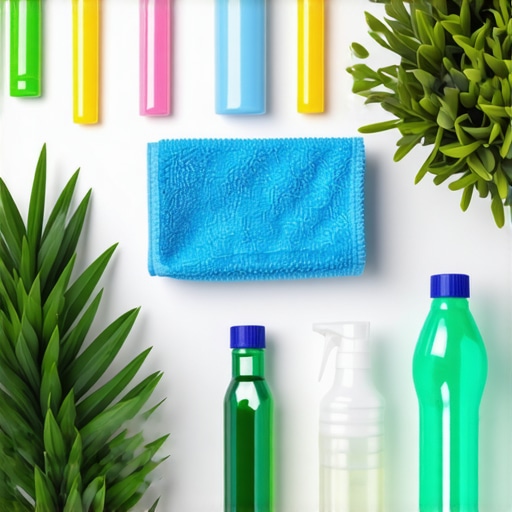
Many people believe that choosing eco-friendly cleaning products automatically guarantees a thorough and effective post-construction sanitation. However, this is a misconception that can lead to overlooked risks and subpar results. For example, some assume that natural solutions like vinegar or baking soda are always sufficient for heavy residues and microbial threats, but in reality, these mild options may struggle against certain stubborn contaminants if not used correctly or in combination with proper techniques. Advanced cleaning often requires a nuanced understanding of product efficacy and surface compatibility. Trust me, relying solely on generic eco-products without understanding their limitations can compromise both safety and sanitation. For deeper insights into the science behind effective eco-friendly cleaning, check out this detailed guide.
Why Do Some Eco-Friendly Solutions Fail in Post-Construction Cleanup?
One common trap is believing that all eco-friendly products are equally effective across different surfaces and residues. In practice, many natural disinfectants like tea tree oil or hydrogen peroxide need proper formulation, concentration, and contact time to work optimally. Without these factors, microbes and residues can linger, creating health risks. Moreover, some practitioners overlook the importance of tools like HEPA vacuums or microfiber cloths, which are essential for capturing fine dust and microbes without spreading them around. This oversight can lead to incomplete cleanup, despite using eco products. To avoid this, I recommend integrating scientifically-backed, eco-conscious methods, such as those outlined in post-construction sanitization secrets.
Another myth is that eco-friendly means no need for specialized equipment. In truth, effective green cleaning often depends on proper tools that maximize the power of natural solutions. For example, using biodegradable wipes combined with microfiber cloths enhances dirt and microbial removal, speeding up the process without sacrificing eco values. Remember, the goal is rapid, reliable results — and that requires understanding the nuances of both products and techniques.
Are You Overlooking the Importance of Air Quality in Your Eco Sanitization?
Many assume that surface cleaning alone suffices, but the air quality after construction is equally critical. VOCs, dust particles, and microbial spores can linger in the air long after the surfaces are cleaned. Using natural air purifiers like activated charcoal or houseplants can significantly improve indoor air safety. However, some underestimate how vital proper ventilation and air purification are to completing a truly eco-friendly cleanup. For advanced results, consider integrating portable HEPA filters that operate on eco-friendly power sources, as explained in this article. This step ensures a comprehensive approach, addressing both surfaces and air.
In summary, understanding the hidden nuances—such as product efficacy, tool compatibility, and air quality—is essential to mastering eco-friendly post-construction cleaning. Don’t fall into the trap of oversimplification, and always seek scientifically supported, sustainable methods to ensure your environment is truly safe and clean. Have you ever fallen into this trap? Let me know in the comments!
How do I maintain efficient cleaning over time?
Keeping your eco-friendly cleaning tools in top shape ensures they continue to perform effectively and safely. I personally recommend investing in high-quality microfiber cloths and HEPA-filter vacuums. Microfiber cloths, when washed properly, retain their cleaning power for hundreds of uses, reducing waste and ensuring consistent dust and microbial removal. For vacuuming, I chose a model with a true HEPA filter, like the Dyson V15 Detect, because it captures fine particles and allergens, making it ideal for post-construction cleanup in eco-conscious homes. Regularly replacing or cleaning filters and cloths extends their lifespan and maintains optimal performance.
Why are specific tools crucial for sustainable sanitation?
Using the right tools can make or break your cleaning routine’s sustainability and effectiveness. For instance, biodegradable wipes are excellent for quick surface sanitation without creating plastic waste. I personally favor the green cleaning tips that emphasize reusable microfiber cloths paired with natural disinfectants. These tools work synergistically to eliminate microbes without relying on harmful chemicals. Additionally, employing eco-friendly scrub brushes with natural fibers helps tackle stubborn residues on surfaces like countertops or floors, ensuring thorough sanitation without toxicity.
Predicting the future of eco-friendly cleaning technology
Advancements in cleaning technology are leaning toward smarter, more energy-efficient devices. I foresee a rise in AI-powered scrubbers and multi-surface sterilizers that adapt to different materials, optimizing cleaning time and resource use. Solar-powered air purifiers with integrated UV-C sterilization are also gaining popularity, offering sustainable air quality solutions for post-construction environments. Staying ahead involves embracing these innovations and integrating them into your routine, ensuring long-term effectiveness and eco-responsibility. For example, exploring advanced eco-friendly tools can give you a significant edge in maintaining a clean, safe home environment.
Make sure to regularly check and replace your filters and tools
Routine maintenance of your cleaning equipment guarantees they operate at peak efficiency. I suggest setting monthly reminders to clean or replace filters, wash microfiber cloths, and inspect brushes for wear. This not only prolongs the lifespan of your tools but also ensures your cleaning methods remain effective against microbes and residues. Incorporate eco-conscious practices such as using biodegradable cleaning agents and air purifiers powered by renewable energy sources. Remember, consistent upkeep is key to sustained, eco-friendly sanitation success. Want to boost your cleaning routine? Try upgrading to a HEPA-filter vacuum or investing in a smart air purifier—both are game changers for long-term health and safety. For more tips on maintaining eco-friendly cleaning tools, check out this resource.
The Hardest Lesson I Learned About eco friendly,house cleaning,sanitizing,post-construction
One of my biggest realizations was that relying solely on natural disinfectants like vinegar or baking soda can be insufficient against stubborn microbial residues. I once thought that these eco solutions would handle everything, but I soon discovered that some residues require a more nuanced approach, including proper contact time and tools like microfiber cloths. This lightbulb moment taught me the importance of combining effective techniques with eco-friendly products for thorough sanitation.
3 Myths About eco friendly,house cleaning,sanitizing,post-construction That Held Me Back
For a long time, I believed that all eco-friendly products were equally effective across all surfaces and residues. I also assumed that surface cleaning alone was enough to ensure air quality, which isn’t true. The third myth was thinking that specialized equipment isn’t crucial—trust me, the right tools like HEPA vacuums and biodegradable wipes make a significant difference. Busting these myths transformed my approach and boosted my results significantly.
What Experts Won’t Tell You About eco friendly,house cleaning,sanitizing,post-construction
Many professionals skip the importance of integrating air purification into their cleaning routines. Using natural air purifiers such as activated charcoal or houseplants, combined with proper ventilation, can drastically improve indoor air quality after construction. I learned that comprehensive sanitation involves both surface cleaning and air quality management, which most overlook. This holistic approach ensures a truly safe, clean environment.
Curated Resources for Eco-Friendly Post-Construction Cleaning
My Essential Toolkit for eco-friendly cleaning includes a high-quality HEPA-filter vacuum, microfiber cloths, and natural disinfectants like eco-certified hydrogen peroxide. I trust these because they combine proven effectiveness with sustainability, reducing waste and chemical exposure. For more insights, I recommend exploring green cleaning tips to enhance your routine, or check out sustainable methods for a healthier home environment.
Your Turn to Try
Embarking on eco-friendly post-construction cleaning is a rewarding challenge that pays off in safety and sustainability. Remember, every small effort contributes to a healthier home and planet. Don’t wait—start integrating these tips today and see the difference for yourself. Your home deserves it, and so does the Earth. What’s your biggest obstacle when switching to eco-friendly cleaning? Share below and let’s learn together!
![5 Botanical Sanitizers That Kill 99% of Germs Without Fumes [2026]](https://sparklehomeclean.com/wp-content/uploads/2026/02/5-Botanical-Sanitizers-That-Kill-99-of-Germs-Without-Fumes-2026-150x150.jpeg)
Leave a Reply