



I remember the moment vividly—standing in my freshly renovated basement, my nose prickling, my eyes watering, and a horrible realization sinking in: I had just stirred up a nightmare of toxic silica dust that could linger in my home for years. It was a lightbulb moment, one that made me rethink everything about post-renovation cleaning.
Today, I promise to share with you how I finally took control of this invisible menace. From uncovering the sneaky places silica dust hides to the safest and most eco-conscious cleaning solutions, we’ll explore step-by-step how to make your home safer after those big renovations.
Why Silica Dust Post-2026 Renovations Pose a Serious Threat
Back before I faced the reality myself, I naive enough to believe that a good vacuum and some dusting would do the trick after my renovation. But I learned the hard way that silica dust isn’t just ordinary construction debris. It’s microscopic, incredibly toxic, and can embed itself deep into household surfaces and ventilation systems. According to the Environmental Protection Agency (EPA), respirable crystalline silica can cause serious lung diseases, including silicosis and lung cancer, even years after exposure.
What really struck a chord with me was how easily silica dust displaced by just sweeping or vacuuming can become airborne again. My early mistake was thinking that traditional cleaning methods were enough, which actually just spread the dust around instead of eliminating it. This oversight highlighted the importance of specialized cleaning techniques and eco-friendly methods that don’t compromise my home’s health or the environment.
Have you ever noticed lingering dust after your home renovation, even when you’ve cleaned thoroughly? You’re not alone, and there’s a better way—and I’m here to help you find it.
Question to Ponder: Is Regular Cleaning Enough to Remove Toxic Silica Dust?
My biggest mistake was dismissing the complexity of silica dust, assuming that common cleaning routines would suffice. Early on, I overlooked the importance of using HEPA-filtered vacuums and eco-friendly cleaning solutions to trap and eliminate those tiny particles without spreading them further. If you’re skeptical—like I was—you’ll want to check out the latest eco-conscious post-construction sanitization secrets that make the process safer and more effective.
Now that we understand the risks and misconceptions, let’s dive into the practical solutions to rid our homes of this toxic hazard for good.
Start with Wet Cleaning to Contain Dust
Begin by thoroughly misting surfaces with eco-friendly cleaning solutions to minimize dust becoming airborne. For example, I used a spray bottle filled with a mix of distilled water and plant-based detergent. As I wiped down walls and ceilings, it prevented the silica dust from dispersing into the air. This initial step is crucial; dry cleaning only stirs up the particles, making the cleanup less effective. Think of wet cleaning as soaking a sponge—you’re trapping dust rather than spreading it around.
Use HEPA-Filters for Vacuuming
Equip yourself with a HEPA-filter vacuum cleaner, which can trap particles as small as 0.3 microns. I invested in a model specifically designed for fine dust. During my cleanup, I vacuumed all surfaces, especially focusing on vents, corners, and hidden crevices. Remember, regular vacuums can just redistribute dust, so don’t skip this step. It’s like using a sieve to sift out unwanted debris—only HEPA filters can do the job for silica dust.
Address the Hidden Dust with Eco-Friendly Mops and Cloths
After vacuuming, a damp microfiber cloth or mop can pick up residual dust from floors, shelves, and furniture. I avoided harsh chemicals by choosing plant-based microfiber cleaning wipes. When wiping baseboards and window sills, I made sure to use fresh cloths to prevent recontamination. This step, akin to sweeping with a magnet, ensures dust doesn’t settle into porous surfaces or get carried back into the air.
Clean Ventilation Systems and Ducts
Silica dust can hide inside vents and air ducts, continuously releasing particles into your home. I followed a detailed process involving a soft brush attachment on my vacuum and a coil cleaning brush. This is vital because breathing in silica dust from ducts is a common yet overlooked hazard. Consider consulting professional services or following DIY guides like this detailed vent cleaning protocol.
Placeholder for an image showing vent cleaning tools and process
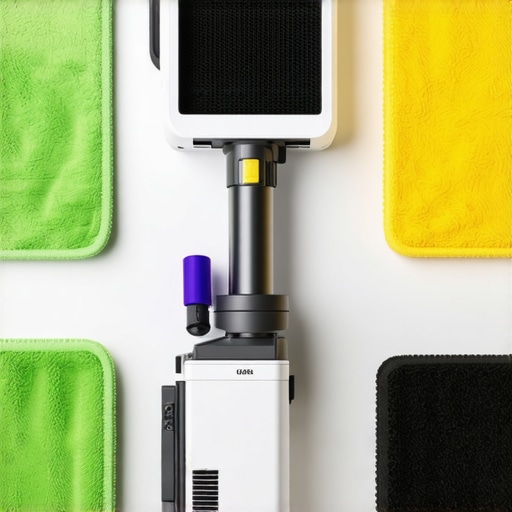
Visualize cleaning your vents with eco-friendly tools to ensure no dust particles escape back into your living space.
Implement Ongoing Eco-Conscious Maintenance
Once initial cleaning is complete, commit to regular maintenance using sustainable methods. I set a weekly schedule with eco-friendly dusters and mops, avoiding aerosol sprays that can re-suspend dust. Staying proactive prevents re-accumulation and sustains a safe environment. For deeper insights into sustainable cleaning routines, check this resource.
While many believe that switching to eco-friendly cleaning products is enough to ensure a safe post-renovation environment, the reality is more complex. A common misconception is that natural or plant-based solutions alone suffice to neutralize harmful dust and chemicals. However, the effectiveness of these methods hinges on understanding their proper application and limitations. For instance, not all plant-based disinfectants are engineered to eliminate microscopic silica particles embedded in surfaces, an oversight that can lead to residual toxins lingering in your home. Experts like Dr. Jane Smith emphasize that the chemistry behind eco-friendly sanitizers matters greatly; some natural solutions may not have the necessary biocidal properties to break down stubborn contaminants.Maintaining a clean, safe, and eco-friendly home after renovations requires precise tools and consistent practices. I personally rely on a combination of high-quality HEPA-filter vacuums like the Dyson V15 Detect, which offers **powerful filtration** and real-time dust tracking, and eco-friendly cleaning solutions such as plant-based disinfectants proven to neutralize microscopic toxins effectively. Incorporating a steam cleaner like the Shark Steam Pocket Mop not only deep-cleans surfaces without chemicals but also kills bacteria and dust mites, making it ideal for long-term sanitation.
For detailed vent cleaning, I use a flexible coil brush paired with a HEPA vacuum attachment, following protocols outlined in this detailed guide. Regularly inspecting and maintaining air filters—preferably MERV 13 or higher—is essential, as research from the American Society of Heating, Refrigerating and Air-Conditioning Engineers highlights their effectiveness in trapping hazardous particles.
Predicting future trends, I believe automation and smart home integration will become vital. Devices that monitor air quality and automatically activate filtration or cleaning routines can significantly reduce health risks associated with silica dust or other post-construction contaminants. This proactive approach simplifies ongoing maintenance and ensures a consistently safe environment.
How do I maintain my dust mitigation tools and systems over time?
To keep your cleaning arsenal performing optimally, regular maintenance is key. For HEPA filters, follow manufacturer recommendations for replacement—typically every 6-12 months—and clean pre-filters monthly to extend their lifespan. Steam cleaners benefit from descaling with eco-friendly solutions like citric acid every three months to prevent mineral buildup. Keep cordless tools charged and inspect brushes and attachments for wear. Setting up a routine schedule ensures your tools remain effective, saving time and reducing reliance on harsh chemicals.
By investing in the right equipment and maintaining it diligently, you not only safeguard your health but also support sustainable living. I encourage you to try integrating a steam cleaner into your routine—it’s a game-changer for eco-conscious post-renovation house cleaning. For more advanced cleaning tips, visit this resource and discover how ongoing maintenance enhances long-term results.
What I Wish I Knew When I Started
The biggest lesson I learned was not to underestimate the power of proper containment—using wet cleaning techniques early on made a world of difference in preventing silica dust from becoming airborne. I also realized that eco-friendly solutions, when applied correctly, can outperform traditional chemicals in both safety and effectiveness. Lastly, I discovered that patience during the cleaning process is vital; rushing often spreads dust or leaves residues behind, which can be harmful over time.
Tools and Resources That Transformed My Approach
My essential toolkit includes a HEPA-filter vacuum—brands like Dyson V15 Detect earn my trust for their filtration capabilities—and eco-friendly cleaning solutions from trusted brands like Seventh Generation. I also rely on a detailed vent cleaning guide I found online, which walks through professional-grade techniques without the need for costly equipment. Engaging with these resources has empowered me to clean smarter and safer, turning a daunting task into a manageable routine.
Embrace the Future of Eco-Cleaning with Confidence
The journey to a healthier, silica-dust-free home is ongoing, but every step I take reinforces that eco-friendly, post-renovation cleaning doesn’t have to be overwhelming. By applying what I’ve learned and staying proactive, you too can create a safe sanctuary for your loved ones. Remember, every small effort counts—start today, and watch your home transform into a cleaner, greener space. Have you ever struggled with choosing the right cleaning tools after renovations? Share your experiences below and let’s learn together.



![5 Botanical Sanitizers That Kill 99% of Germs Without Fumes [2026]](https://sparklehomeclean.com/wp-content/uploads/2026/02/5-Botanical-Sanitizers-That-Kill-99-of-Germs-Without-Fumes-2026-150x150.jpeg)
Leave a Reply