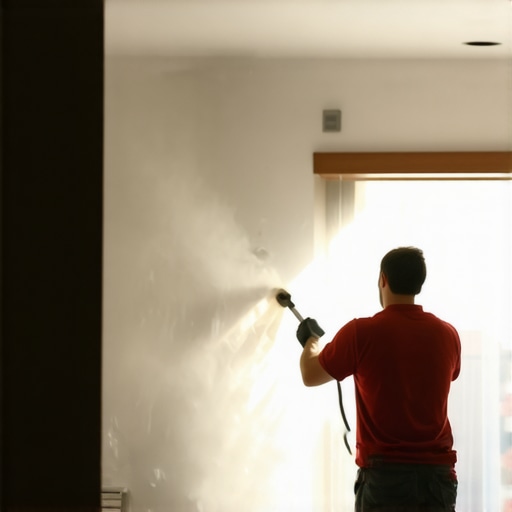
It happened suddenly. I was immersed in a post-renovation project when I realized my entire house was filled with a fine, grayish dust that seemed to settle everywhere—and I mean everywhere. My immediate thought was to wipe down the surfaces and vacuum it away, but then a lightbulb went off. I knew if I wasn’t careful, I’d be sending airborne drywall dust straight into my HVAC system, risking costly damage and long-term health issues for my family.
Why Clearing Drywall Dust Without Knocking Out Your HVAC Matters
Drywall dust isn’t just an inconvenience; it’s a serious health concern and a threat to your home’s HVAC efficiency. Excess dust can clog filters, reduce airflow, and even cause mechanical wear over time. But here’s the kicker—many DIY cleanup efforts inadvertently send more dust into the air, making the problem worse. This is especially critical in 2026, when homeowners are more eco-conscious and eager to adopt sustainable cleaning practices, but often overlook how their methods impact their systems.
The good news? With a strategic approach, you can clear drywall dust effectively without impairing your HVAC or polluting your indoor air quality. Having learned from my early mistakes, I’ve developed a set of habits and tips that work reliably. But before diving into the specifics, let’s tackle a common fear I hear from many homeowners.
Is It Really Possible to Clean Drywall Dust Without Damaging My HVAC?
Early on, I made a costly mistake: I used a regular household vacuum without considering its filtration capabilities. It seemed straightforward—suck up the dust and be done with it. Instead, I ended up spreading more dust into my home’s air, which then clogged my filters faster and added an extra burden to my HVAC system. That experience taught me a crucial lesson: not all cleaning methods are created equal, and some can do more harm than good.
For those of you worried about wasting time or making your situation worse, I get it. That’s why I’ll walk you through tested, eco-friendly strategies that focus on sustainable results—methods that protect your system while keeping your home spotless. For further insights into post-construction cleaning and sustainable solutions, you might find it helpful to explore some comprehensive guides like [post-construction sanitizing](https://sparklehomeclean.com/post-construction-sanitizing-sustainable-solutions-that-shine) or [eco-friendly cleaning tips](https://sparklehomeclean.com/eco-conscious-post-construction-sanitization-secrets).
Now, let’s move from the why to the how—so your drywall dust problem can become a thing of the past without risking your HVAC health.
Start by Properly Containing the Dust
Before you begin cleaning, seal off adjacent rooms with plastic sheeting to prevent dust from spreading. Use painter’s tape to secure the plastic and create a barrier, much like how a painter isolates a section before spraying. This containment minimizes airborne dust and protects your HVAC system from unnecessary exposure. During my own renovation cleanup, I found this initial step crucial—it kept dust from flooding my living spaces and made subsequent cleaning more manageable.
Use a HEPA-Filtered Vacuum for Dry Debris
Opt for a vacuum equipped with a HEPA filter, which captures 99.97% of particles as small as 0.3 microns. Avoid regular household vacuums that are ill-equipped to trap fine drywall dust. I once tried my standard vacuum, only to notice more dust escaping into the air, worsening the situation. Investing in a quality HEPA vacuum turned the tide, helping me remove dust efficiently without recirculating it.
Moisten Surfaces to Lock in Dust
Lightly dampen surfaces and tools with a microfiber cloth or water spray before wiping. This technique works like trapping tiny particles in a sticky spider web, preventing them from becoming airborne. During my attempt, wiping dry surfaces caused dust clouds; spritzing surfaces first kept dust adhered, making cleanup safer for my indoor air. Remember, avoid soaking surfaces excessively, which could damage sensitive materials or create runoff.
Clean Exhaust Vents and Filters Regularly
Wet vacuum or wipe exhaust vents, diffusers, and filters immediately after dusty work. Dust accumulation here can compromise air quality and strain your system. I learned this the hard way when a clogged vent reduced airflow—disrupting heating during winter. Regular maintenance ensures your HVAC remains efficient and dust-free, reducing long-term risks.
Implement Eco-Friendly Cleaning Solutions
Choose plant-based or biodegradable cleaners that do not contribute to indoor pollution. These solutions work effectively on drywall residues and are safer for your family and the environment. For inspiration, [eco-conscious post-construction sanitization](https://sparklehomeclean.com/eco-conscious-post-construction-sanitization-secrets) offers valuable insights into sustainable cleaning practices. Using eco-friendly cleaners also supports your goal of a healthier, chemical-free home.
Prevent Future Dust Spread with Air Purifiers
Deploy portable HEPA air purifiers in work areas to continuously filter airborne particles. This setup acts like a vigilant guard, capturing dust as it tries to escape into living spaces. After cleaning, I placed a purifier near my work zone, noticing immediate improvements in air clarity. This step ensures your HVAC system isn’t burdened by residual dust and maintains a healthier environment for your family.
Many homeowners believe that general cleaning tips or eco-friendly products alone suffice for post-construction sanitation, but in my experience, there’s a deeper level of nuance often overlooked. A common myth is that ‘more is better’ when it comes to disinfectants or cleaning frequency, which can paradoxically reduce effectiveness. Excessive or improper application can leave residues that trap dust and pollutants, undermining your indoor air quality and long-term health, especially if harmful chemicals are involved. Instead, understanding the specific interactions between eco-friendly cleaners and various surface types or microbial targets can elevate your approach. For instance, some biodegradable disinfectants perform best at certain pH levels or contact times—deviating from these can render them ineffective, leading to false confidence and repeated, needless cleaning cycles.
A key mistake is neglecting the significance of proper surface preparation. Surfaces contaminated with drywall dust, adhesives, or finishing compounds require tailored cleaning techniques—simply wiping with a damp cloth isn’t enough. Effective post-construction sanitation involves a multi-step process that ensures all residues are neutralized without introducing new contaminants or harming the environment. This is where specialized protocols, like eco-conscious sanitizing solutions designed for post-renovation environments, make a difference; they are formulated to break down stubborn residues without toxic byproducts.
One advanced question that often puzzles even experienced homeowners is: how do eco-friendly disinfectants interact with existing microbial communities, and can they truly eliminate pathogens effectively? According to recent studies, such as those published in the Journal of Environmental Health Science, plant-based disinfectants can achieve comparable antimicrobial efficacy to traditional chemicals when properly applied, provided active ingredients like thymol or citric acid are used in adequate concentrations and contact times. This highlights the importance of not just choosing eco-friendly options but employing them with informed precision.
Lastly, I want to warn against the trap of relying solely on DIY solutions without understanding these complexities. While natural methods are appealing, improper application or mismatched products can leave behind residues that trap dust, promote mold growth, or fail to eradicate pathogens—making your efforts counterproductive. To truly safeguard your home’s health post-renovation, consider consulting experts who understand the nuanced science behind effective, eco-conscious sanitation. For tailored advice, don’t hesitate to reach out via our contact page. Remember, mastering these subtle details makes all the difference in achieving a healthier, cleaner environment. Have you ever fallen into this trap? Let me know in the comments.Maintaining a clean, safe home after renovation or construction work is an ongoing process that requires the right tools and methods. Investing in high-quality equipment not only streamlines your cleaning routine but also ensures sustainable results that protect your family’s health and the environment. A top choice I personally recommend is a HEPA-filtered vacuum, like the Dyson V11 or a similar model, because of its superior ability to trap microscopic drywall dust particles. This prevents recirculation into your indoor air, which is crucial for eco-friendly cleaning practices. Additionally, integrating portable HEPA air purifiers—such as the Molekule Air or the IQAir HealthPro Plus—in high-traffic or dusty areas can significantly enhance air quality over time, acting as a safeguard against residual particles. For wet cleaning, I rely on microfiber cloths and biodegradable, plant-based cleaning solutions that are effective against stubborn residues yet gentle enough to support eco-conscious living. As research in environmental health highlights, using sustainable sanitizing solutions in combination with effective tools can accelerate the achievement of a healthy interior environment, especially after post-construction activities. To keep equipment in top shape, regularly replace filters in your vacuum and air purifiers, and clean brushes to prevent microbial buildup. Looking ahead, incorporating smart home cleaning devices with automation features may revolutionize long-term maintenance, enabling scheduled sanitization and dust monitoring that adapts to your home’s needs. For detailed strategies on sustainable cleaning and long-term sanitation, check out our recommended guide on [post-construction sanitizing](https://sparklehomeclean.com/post-construction-sanitizing-sustainable-solutions-that-shine). How do I maintain these tools over time? The key is consistent upkeep: regularly inspect filters, replace consumables as per manufacturer instructions, and clean surfaces and components to prevent microbial growth. This routine prolongs equipment lifespan and ensures reliable performance. I challenge you to begin with one high-quality HEPA vacuum—experience how it transforms your cleaning efficiency and indoor air quality. Ready to take it further? Reach out through our [contact page](https://sparklehomeclean.com/contact-us) for personalized advice on choosing the best eco-friendly tools tailored to your home’s needs.
The Hidden Lessons Post-Renovation Taught Me About Sustainable Cleaning
- Sometimes, the most effective strategies come from unexpected mistakes—like using a regular vacuum that recirculated drywall dust, making the situation worse. I learned that investing in quality, HEPA-filtered equipment isn’t just a luxury—it’s a necessity for eco-friendly, health-conscious cleaning.
- Containment is key. Sealing off areas with plastic sheets before cleanup kept dust from migrating and protected my HVAC system, proving that a simple barrier can save you from costly repairs and long-term health issues.
- Moistening surfaces before wiping helps lock in dust, reducing airborne particles and ensuring your cleaning efforts don’t turn into a health hazard. This small tip transformed my post-renovation routine into a safer, more sustainable process.
- Regularly maintaining air filters and exhaust vents is crucial. Overlooking this step can diminish your HVAC’s efficiency and compromise indoor air quality, especially in eco-conscious households aiming for minimal chemical use.
What I Wish I Knew About Eco-Friendly Post-Construction Sanitation
A major revelation was understanding the importance of tailored cleaning solutions—generic sprays won’t cut it. Using products designed for post-construction residue, like eco-conscious sanitizers, makes a significant difference and aligns with my goal of chemical-free indoor air improvement.
Getting this right means considering surface pH, contact time, and the specific eco-friendly disinfectants I employ. It’s tempting to overlook these details, but they are vital for truly effective, safe cleaning that preserves the environment and your health.
Elevate Your Cleanup Game and Feel Proud of Your Home
Embracing these insights has empowered me to maintain a healthier living space without harming the planet. Remember, a cleaner home isn’t just about looks—it’s about creating a safe, sustainable environment for your family to thrive.
Are you ready to transform your post-renovation cleaning routine? Start with one high-quality HEPA vacuum or eco-friendly spray today, and share your experience below—I’d love to hear what works for you!
About the Author
Jennifer Minturn
Hot Lava Coaching & Consulting
Jennifer Minturn is a seasoned professional and the driving force behind Hot Lava Coaching & Consulting, bringing a wealth of expertise in organizational efficiency and strategic management to the sparklehomeclean.com team. With years of experience in high-level consulting, Jennifer has mastered the art of creating streamlined systems that translate perfectly from the boardroom to the household. Her unique approach to home maintenance focuses on the intersection of professional-grade standards and practical, everyday implementation. Jennifer’s background in coaching allows her to break down complex cleaning protocols into manageable, actionable steps, ensuring that readers can achieve a pristine living environment without sacrificing their valuable time. At sparklehomeclean.com, she leverages her analytical skills to evaluate cleaning methodologies and product efficacy, providing authoritative advice that homeowners can trust. Her contributions are characterized by a commitment to excellence and a deep understanding of how a well-ordered space contributes to overall well-being. Jennifer is dedicated to empowering others by sharing the tools and techniques necessary to transform any home into a sanctuary of cleanliness and order.
LinkedIn Profile