
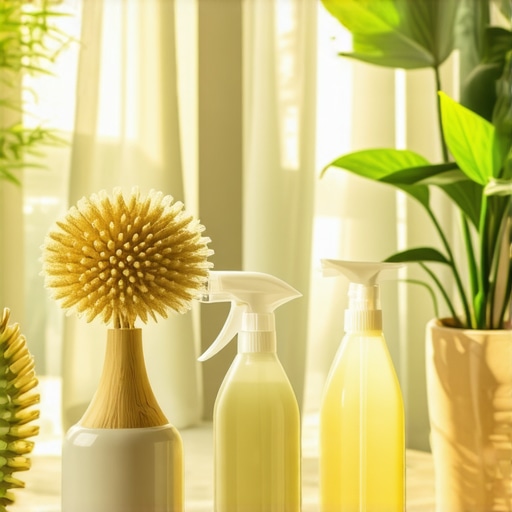
Discovering the Power of Eco-Friendly Cleaning in My Home
One day, I decided to overhaul my cleaning routine after reading about the environmental impact of traditional cleaning products. I realized that switching to eco-friendly house cleaning tips not only benefitted the planet but also created a healthier living space for my family. That was a game-changer for me and sparked a passion for sustainable sanitation practices.
Why I Switched to Green Cleaning Methods
Traditional cleaning supplies often contain harsh chemicals, which can be harmful to both our health and the environment. I found that using natural ingredients like vinegar, baking soda, and lemon significantly reduced indoor air pollution. Plus, these ingredients are affordable and readily available, making it easier for me to maintain eco-conscious habits consistently.
My Favorite Eco-Friendly House Cleaning Hacks
One tip I swear by is creating my own multi-purpose cleaner with vinegar and essential oils. It works wonders on kitchen counters and bathroom tiles. I also discovered that microfiber cloths trap dirt efficiently, reducing the need for chemical disinfectants. For rapid sanitation, I focus on high-touch areas, ensuring quick yet thorough cleaning that keeps germs at bay without relying on synthetic disinfectants.
How to Achieve Rapid Sanitation Sustainably
Speed is essential, especially during busy mornings or unexpected visitors. I’ve learned that pre-soaking surfaces with eco-friendly sprays and using steam cleaners can cut cleaning time while maintaining sanitation standards. According to trusted eco-cleaning sources, eco-friendly methods can be just as effective as conventional ones when executed correctly.
What are the best practices for eco-friendly rapid sanitation without compromising effectiveness?
In my experience, combining natural disinfectants with regular cleaning routines ensures both speed and safety. It’s about smart planning—focusing on high-traffic zones and using innovative tools like steam cleaners. I encourage everyone to explore sustainable cleaning options to create a safer, greener home environment.
If you’re curious about adopting eco-friendly house cleaning tips, I’d love to hear your thoughts or experiences! Feel free to share your journey in the comments below or check out more sustainable practices at this resource.
The Science Behind Eco-Friendly Sanitation: How Natural Ingredients Fight Germs
Understanding the science of natural disinfectants is crucial for effective, eco-conscious cleaning. Ingredients like vinegar, hydrogen peroxide, and essential oils contain antimicrobial properties that can neutralize bacteria and viruses without harmful chemicals. For instance, vinegar’s acetic acid disrupts the cell walls of microbes, making it a potent cleaner for kitchen surfaces and bathroom fixtures. Similarly, tea tree oil and eucalyptus have proven antimicrobial effects, making them valuable components in homemade disinfectants. When combined with proper cleaning techniques, these natural agents can match the efficacy of synthetic disinfectants, offering a safer alternative for your home.
Integrating Eco-Friendly Solutions with Modern Technology
Technological advancements have made sustainable sanitation more accessible and efficient. Steam cleaners, for example, utilize high-temperature steam to sanitize surfaces without chemicals. They are especially effective against stubborn stains and germs on tiles, grout, and upholstery. Additionally, UV-C light devices are gaining popularity for their ability to disinfect air and surfaces rapidly, reducing reliance on chemical agents. By integrating these tools into your cleaning routine, you not only enhance sanitation speed but also reinforce your commitment to eco-friendly practices. If you’re interested, exploring post-construction sanitizing with sustainable methods can expand your understanding of eco-efficient cleaning.
What are the key factors that determine the effectiveness of eco-friendly sanitization?
Achieving rapid and trustworthy results depends on several factors: contact time, proper surface preparation, and the choice of the right natural disinfectant. For instance, pre-soaking surfaces with eco-friendly sprays ensures germs are exposed long enough for natural agents to work effectively. Also, the use of microfiber cloths enhances removal of dirt and microbes physically, reducing the need for chemical disinfectants. Moreover, understanding the specific pathogens present in your environment guides the selection of appropriate natural solutions. Regularly updating your cleaning practices based on emerging research and trusted sources, such as trusted eco-cleaning hacks, ensures your methods stay effective and safe.
How can I tailor eco-friendly cleaning methods to different surfaces and environments?
Different surfaces require specific approaches to maximize sanitation while minimizing chemical use. For example, porous surfaces like wood or natural stone may need gentler solutions, such as a diluted vinegar mixture or baking soda paste, to avoid damage. Non-porous surfaces like glass or stainless steel respond well to vinegar-based cleaners or steam cleaning. In high-traffic areas, increasing the frequency of quick, eco-friendly wipe-downs can prevent buildup of germs and dirt. For environments with sensitive occupants, such as children or pets, selecting hypoallergenic, natural disinfectants becomes even more critical. Exploring eco-friendly house cleaning hacks tailored to specific surfaces can enhance your routine’s effectiveness and safety.
If you’re eager to refine your sustainable cleaning approach or share insights, I invite you to comment below or suggest more eco-friendly practices to explore. For comprehensive guidance, visit this ultimate eco-friendly cleaning guide.
Refining My Approach: The Nuanced Dance of Natural Disinfectants and Modern Tools
Over time, I’ve come to realize that effective eco-friendly sanitation isn’t a static routine but a dynamic, evolving practice. For instance, I’ve experimented with combining hydrogen peroxide with essential oils like tea tree or eucalyptus to amplify antimicrobial effects, aligning with findings from scientific research on natural disinfectants. This layered approach often surpasses my initial expectations, especially when I pair it with innovative tools like steam cleaners, which utilize high-temperature vapor to sanitize without chemicals. The synergy of natural solutions and advanced technology has transformed my cleaning into a mindful, effective ritual that respects both health and the environment.
What Are the Hidden Complexities in Achieving Trustworthy Eco-Cleaning Results?
One challenge that I’ve grappled with is understanding the variability in natural product efficacy, influenced by factors like pH, surface porosity, and microbial resistance. For example, porous surfaces may harbor microbes in tiny crevices, requiring longer contact times or physical agitation—something I learned through trial and error. Moreover, the science suggests that the success of natural disinfectants hinges on proper contact time and surface preparation, which I’ve come to appreciate as the backbone of trustworthy results. Instead of rushing, I now focus on meticulous techniques, like pre-cleaning surfaces to remove dirt and debris, ensuring that natural agents can do their job effectively. This more nuanced understanding has deepened my appreciation for the science behind eco-friendly sanitization and the importance of patience and precision in my routine.
How Do I Balance the Need for Speed with the Integrity of Eco-Conscious Methods?
Balancing efficiency and sustainability is a delicate dance. I’ve found that pre-soaking high-touch areas with eco-friendly sprays allows natural disinfectants to work more rapidly, reducing the time needed for manual scrubbing. Additionally, integrating tools like UV-C light devices can provide rapid surface disinfection, especially in high-traffic zones, without chemicals. Trusted sources, such as trusted eco-sanitizing solutions, reinforce the idea that technology and natural solutions can coexist effectively, provided we tailor our approach to each environment’s unique needs. I encourage readers to reflect on their routines—what methods have worked, what challenges remain—and consider experimenting with these advanced tools to elevate their eco-cleaning practices.
Sharing your journey or insights can be incredibly enriching. I invite you to comment below with your experiences or questions, and explore more about sustainable cleaning at this resource. Together, we can refine our techniques and deepen our understanding of truly effective eco-friendly sanitation.
Unraveling the Science of Natural Disinfectants: Why They Work on a Molecular Level
As my journey into sustainable cleaning deepened, I became increasingly fascinated by the scientific mechanisms underpinning natural disinfectants. For example, hydrogen peroxide acts as a powerful oxidizer, breaking down microbial cell walls and disrupting vital biological processes, as highlighted in a detailed study from scientific research on natural disinfectants. This understanding allowed me to optimize their use, ensuring maximum efficacy in my routine. Combining this knowledge with practical techniques, such as pre-cleaning surfaces prior to disinfection, significantly enhances germ eradication while maintaining eco-friendliness. This fusion of science and practice has transformed my approach, making it more precise and reliable.
The Nuances of Surface Porosity and Microbial Resistance in Eco-Cleaning
One of the more complex challenges I faced was addressing microbes entrenched in porous surfaces like natural stone or unfinished wood. These materials can harbor bacteria and viruses in tiny crevices, making standard natural disinfectants less effective unless applied with patience and proper technique. I learned that increasing contact time and employing physical agitation—such as gentle scrubbing with microfiber cloths—can dramatically improve results. Additionally, understanding microbial resistance patterns, which vary among different environments, allows for targeted, effective cleaning. This nuanced approach requires a blend of scientific insight and hands-on experience, reinforcing the importance of tailored solutions for diverse surfaces. Exploring eco-friendly hacks for various surfaces has been invaluable in refining my practices.
How Can I Leverage Emerging Technologies to Elevate My Eco-Friendly Sanitization Routine?
Integrating modern tools like UV-C light devices and advanced steam cleaners has been a game-changer. UV-C technology, for instance, employs short-wavelength ultraviolet light to damage microbial DNA, leading to rapid and chemical-free disinfection. According to recent advancements discussed in post-construction sanitization resources, these innovations make it possible to achieve professional-grade results at home, without compromising environmental values. When combined with natural disinfectants, these tools create a layered defense—maximizing speed, safety, and sustainability. I encourage fellow enthusiasts to explore these options and share their experiences, as collective knowledge accelerates our journey toward truly eco-conscious sanitization.
The Synergy of Natural Solutions and Technological Innovation in My Routine
Over time, I’ve realized that the most effective eco-friendly cleaning strategies are those that harmonize nature’s gifts with cutting-edge technology. For instance, I now routinely pair hydrogen peroxide mixed with essential oils like tea tree or eucalyptus—boosting antimicrobial power—with steam cleaning for high-touch surfaces. This layered approach not only enhances sanitation speed but also ensures a gentler impact on sensitive environments. The science supports this synergy; high-temperature vapor can physically dislodge dirt and microbes, while natural agents chemically neutralize pathogens. This holistic methodology embodies my commitment to sustainable practices that are both effective and respectful of our planet. For further insights, I recommend reviewing post-construction eco-friendly cleaning tips.
Sharing and Evolving: Your Role in the Future of Eco-Conscious Sanitization
The journey toward mastering eco-friendly sanitation is ongoing, and I believe that sharing our insights accelerates collective progress. Whether it’s experimenting with new natural disinfectants, embracing technological innovations, or tailoring methods to specific environments, each step enriches our understanding. I invite you to reflect on your experiences—what has worked, what challenges remain—and to contribute to this evolving conversation. Engaging with communities through comments or social platforms fosters innovation and accountability. For those eager to deepen their expertise, exploring comprehensive guides like this ultimate eco-friendly cleaning resource can provide valuable direction. Together, we can redefine what effective, sustainable sanitation looks like in everyday life.
Things I Wish I Knew Earlier (or You Might Find Surprising)
Less Is More When It Comes to Chemicals
Early in my journey, I underestimated how powerful simple ingredients like vinegar and baking soda could be. It took trial and error to realize that overloading on chemical cleaners wasn’t necessary for a sparkling home, and often, less is more when it comes to eco-friendly cleaning.
The Importance of Surface Preparation
Pre-clean surfaces to remove dirt and debris before disinfecting. I used to skip this step, thinking it was redundant, but now I see it’s crucial for natural disinfectants to work effectively. This small change made a big difference in my results.
Natural Disinfectants Are Not Less Effective, Just Different
Many assume natural solutions are weaker, but with proper contact time and technique, they can be just as trustworthy as synthetic products. Understanding the science behind ingredients like vinegar’s acetic acid helped me trust their power.
Technology Can Enhance, Not Replace, Natural Methods
Tools like steam cleaners and UV-C devices aren’t just gimmicks—they can amplify the effectiveness of eco-friendly cleaning routines. Combining these with natural disinfectants creates a formidable, sustainable cleaning combo.
Microfiber Cloths Are Game Changers
Switching to microfiber cloths reduced my reliance on disinfectants because they physically trap dirt and microbes efficiently. It’s a simple switch that aligns with my eco-conscious goals.
Resources I’ve Come to Trust Over Time
- Environmental Working Group (EWG): Their guides and ratings help me choose safer, effective cleaning products and educate me about chemical ingredients to avoid.
- NCBI (National Center for Biotechnology Information): Their research on natural disinfectants deepened my understanding of how ingredients like hydrogen peroxide work on a molecular level.
- Green Seal: Certification from Green Seal reassures me that products meet strict environmental and health standards—an invaluable resource for trustworthy recommendations.
- Academic Journals on Microbial Resistance: Staying updated with scientific studies helped me refine my techniques and understand the nuances of natural disinfection.
Parting Thoughts from My Perspective
Embracing eco-friendly house cleaning isn’t just about choosing the right products but also about understanding the science and techniques that make them effective. Trusting natural disinfectants, utilizing modern technology, and continually learning from reputable resources have transformed my routine into a mindful, sustainable practice. If this resonates with you, I’d love to hear your thoughts or experiences. Feel free to share your journey in the comments or explore more at this resource. Together, we can create cleaner, greener homes for a healthier planet.
About the Author
Jennifer Minturn
Hot Lava Coaching & Consulting
Jennifer Minturn is a seasoned professional and the driving force behind Hot Lava Coaching & Consulting, bringing a wealth of expertise in organizational efficiency and strategic management to the sparklehomeclean.com team. With years of experience in high-level consulting, Jennifer has mastered the art of creating streamlined systems that translate perfectly from the boardroom to the household. Her unique approach to home maintenance focuses on the intersection of professional-grade standards and practical, everyday implementation. Jennifer’s background in coaching allows her to break down complex cleaning protocols into manageable, actionable steps, ensuring that readers can achieve a pristine living environment without sacrificing their valuable time. At sparklehomeclean.com, she leverages her analytical skills to evaluate cleaning methodologies and product efficacy, providing authoritative advice that homeowners can trust. Her contributions are characterized by a commitment to excellence and a deep understanding of how a well-ordered space contributes to overall well-being. Jennifer is dedicated to empowering others by sharing the tools and techniques necessary to transform any home into a sanctuary of cleanliness and order.
LinkedIn Profile
Reading this post really resonated with me, especially the part about combining natural disinfectants with modern tools. I recently started using a steam cleaner in my home, and I was surprised at how effective it is on high-touch surfaces like doorknobs and light switches. Pairing that with a DIY vinegar-based spray has made my cleaning routine both faster and safer, especially since I have pets and young children. One challenge I faced was ensuring I used the right contact time for natural disinfectants to work effectively, especially on porous surfaces. Does anyone have tips on optimizing contact time or choosing the best tools for different surfaces? I’d love to hear your experiences and suggestions, as this approach has truly improved my home’s sanitation without sacrificing eco-friendliness.
This post really highlights some practical approaches I’ve been experimenting with in my own cleaning routine. I’ve found that pre-soaking surfaces with eco-friendly sprays really does give natural disinfectants the extra contact time they need, especially on high-touch areas like light switches and handles. I’ve also started incorporating small steam cleaners, which are surprisingly effective at covering large areas quickly without any chemicals, making the process safer for my kids and pets. A challenge I’m still working through is balancing quick cleaning with thorough disinfection—sometimes I feel rushed and worry I might miss spots. For anyone dealing with porous surfaces, I’ve noticed that using a slightly longer soak or gentle scrubbing really enhances efficacy, as porous materials can hide microbes in tiny crevices. Has anyone else tried combining these techniques, or are there other tools that helped improve your natural sanitation efforts? I think continuous experimentation is key to finding what works best in our unique environments.
This post really underscores how integrating technology with natural cleaning solutions can make our routines not only faster but also safer. I’ve been experimenting with steam cleaning and vinegar solutions for high-touch zones like door handles and light switches, and I’ve noticed a real difference in both cleanliness and peace of mind, especially with pets around. One thing I’ve struggled with is balancing thorough disinfection with speed — sometimes rushing results in missed spots or inadequate contact time. Do you all have tips for striking that balance, especially on porous surfaces like natural stone or unfinished wood? I’m also curious if anyone has tried combining UV-C light devices with natural disinfectants to boost safety without chemical reliance. I believe continuous innovation in eco-friendly methods will help us create healthier homes without compromising our sustainability goals. Would love to hear your experiences or recommended tools for maintaining both speed and effectiveness at once.