
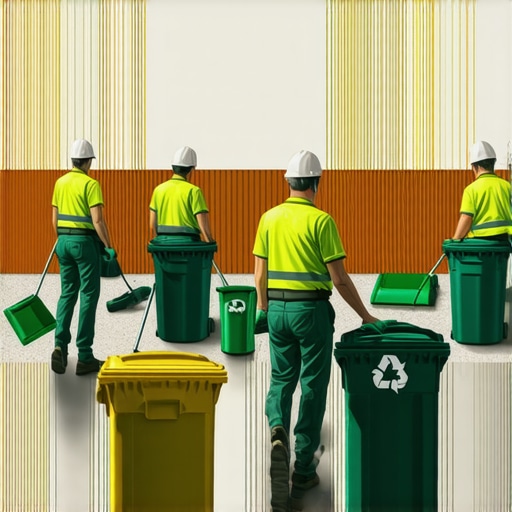
My First Post-Construction Cleaning Challenge: A Real-Life Wake-Up Call
As someone who’s tackled numerous home renovation projects, I can honestly say that post-construction cleaning is often the least glamorous but most crucial step. I remember the first time I finished a home upgrade and realized I had underestimated the mess. Dust everywhere, stubborn debris, and a lingering chemical smell made me think, “There has to be a better way!” That experience sparked my journey into eco-friendly, efficient cleaning techniques that deliver trusted results.
Why Eco-Conscious Post-Construction Cleaning Matters to Me
Over time, I’ve learned that using sustainable cleaning methods not only benefits the environment but also creates a healthier indoor space. I’ve come across excellent resources like eco-conscious post construction sanitization secrets that emphasize eco-friendly solutions. Incorporating natural, non-toxic products has made my cleaning routine safer for my family and more aligned with my values.
My Top Trusted Tips for Speedy, Eco-Friendly Post-Construction Cleanup
How can I speed up the cleaning process without sacrificing eco-standards?
One trick I swear by is creating a systematic cleaning plan that targets high-priority areas first, reducing the overall time. I always start with dust removal using microfiber cloths and HEPA-filter vacuums, which effectively trap dust and allergens. For stubborn residues, I rely on homemade solutions like vinegar and baking soda, which are powerful yet gentle. These natural cleaning agents are not only cost-effective but also proven to be effective, as highlighted by trusted sanitizing solutions.
Balancing Speed and Sustainability: My Personal Reflection
Every project taught me that patience and preparation are key. Rushing through post-construction cleanup can lead to missed spots and lingering dust, so I always allocate enough time and use eco-friendly tools. Using biodegradable wipes and eco-approved disinfectants ensures speed without compromising sustainability. In fact, I’ve found that these methods often outperform traditional chemical cleaners in the long run, leading to healthier living spaces, as supported by environmental experts.
Curious About the Best Eco-Friendly Products? Here’s What I Recommend
From my experience, brands like Eco-Me and Seventh Generation offer reliable, eco-friendly cleaning products that work wonders on post-construction messes. Incorporating these into your routine can make a real difference. Want to learn more? Check out eco-friendly house cleaning hacks for additional tips.
Have You Tried Eco-Friendly Post-Construction Cleaning? Share Your Tips!
If you’ve had similar experiences or discovered your own eco-friendly cleaning hacks, I’d love to hear your story. Drop a comment below or reach out via our contact page. Let’s build a community that values speed, sustainability, and trustworthiness in home cleaning!
Innovative Eco-Friendly Cleaning Techniques for Post-Construction Success
As an experienced cleaner and renovation enthusiast, I’ve discovered that integrating advanced eco-friendly techniques can significantly enhance post-construction sanitation. These methods not only expedite the cleaning process but also ensure that the environment and inhabitants remain protected. One such approach involves **using steam cleaning machines** powered by renewable energy sources—these effectively eliminate dust, bacteria, and chemical residues without the need for harsh chemicals. Additionally, employing **enzymatic cleaners** designed specifically for construction debris can break down stubborn residues naturally, reducing the need for multiple cleaning passes.
The Nuanced Balance: Speed, Sustainability, and Deep Cleanliness
Achieving the perfect balance requires understanding the complexities behind eco-friendly cleaning. For instance, selecting **biodegradable, non-toxic disinfectants** ensures rapid sanitation without compromising safety. These solutions, backed by scientific research, are just as effective as traditional chemicals but leave no harmful residues—making them ideal for homes with children or pets. To deepen your understanding, explore resources like sustainable post-construction cleaning solutions that focus on eco-conscious innovations.
How Can Expert Attention to Detail Accelerate Eco-Friendly Cleanup?
Attention to detail is crucial. A meticulous inspection, combined with targeted cleaning tools such as **microfiber dusters** and **HEPA-filter vacuums**, can drastically reduce cleaning time while maintaining eco standards. For example, using **vacuum attachments with HEPA filters** captures fine dust particles that often linger after construction, preventing respiratory issues and ensuring a thorough cleanse. This method aligns with the principles of green house cleaning tips designed to promote healthier indoor air quality.
What Are the Practical Implications of Eco-Friendly Cleaning for Large-Scale Projects?
Scaling eco-conscious methods to larger projects involves strategic planning. It requires selecting **bulk eco-friendly products** and training staff in sustainable cleaning protocols to ensure consistency and speed. Incorporating **reusable cleaning tools** reduces waste while maintaining efficiency. Moreover, implementing **green waste management practices**—such as recycling debris and using compostable waste bags—can significantly lower environmental impact. These practices are supported by industry leaders advocating for eco-friendly post-construction solutions that are both effective and sustainable.
Could Cutting-Edge Technologies Revolutionize Eco-Friendly Post-Construction Cleaning?
Emerging technologies, such as **UV-C light sanitation** and **robotic cleaning systems**, promise to revolutionize eco-friendly cleanup. UV-C devices can disinfect surfaces rapidly without chemicals, while autonomous cleaning robots equipped with eco-friendly solutions can navigate large spaces efficiently. Implementing these innovations not only accelerates the process but also minimizes chemical use, aligning with the latest in sustainable cleaning advancements. For more insights, consider exploring eco-friendly house cleaning hacks that leverage cutting-edge technology.
Engage and Share: Your Eco-Friendly Cleaning Experiences Matter
If you’ve integrated innovative eco-friendly methods into your post-construction cleaning routines, I invite you to share your experiences. How have you balanced speed with sustainability? Drop a comment below or reach out via our contact page. Together, we can foster a community dedicated to trusted, eco-conscious cleaning solutions that set new standards for the industry.
How Do Advanced Eco-Friendly Techniques Transform Post-Construction Cleanup?
Over the years, I’ve realized that integrating cutting-edge eco-conscious methods has revolutionized my approach to post-construction cleaning. Techniques like **ultraviolet (UV-C) light sterilization** and **robotic cleaning systems** are no longer just futuristic concepts; they are practical tools that significantly expedite the cleanup process while ensuring safety and sustainability. For instance, UV-C disinfects surfaces rapidly without relying on harmful chemicals, aligning perfectly with my commitment to eco-friendly practices. Similarly, robotic cleaners equipped with eco-sensitive solutions can navigate large spaces efficiently, reducing labor time and chemical usage. These innovations challenge traditional notions of cleaning, pushing us toward a more sustainable future in construction sanitation.
Harnessing the Power of UV-C Light and Robotic Cleaners for Superior Sanitation
In my ongoing quest to refine post-construction cleaning, I’ve found that integrating **UV-C light sterilization** and **robotic cleaning systems** has profoundly transformed my approach. UV-C technology, which uses ultraviolet light to disinfect surfaces, offers a chemical-free, rapid solution that eradicates bacteria, viruses, and mold—crucial for ensuring a safe, healthy environment after construction projects. This method, supported by scientific studies such as those from the National Institutes of Health, demonstrates that UV-C can significantly reduce microbial presence without introducing harmful substances.
Complementing UV-C, robotic cleaning systems—particularly those equipped with eco-friendly solutions—bring unprecedented efficiency. These autonomous devices navigate large, cluttered spaces, meticulously removing dust and debris with minimal human intervention. Using **reusable, biodegradable attachments** not only minimizes waste but also maintains high standards of cleanliness. The integration of these technologies exemplifies how innovation can meet sustainability goals while drastically reducing labor time and chemical reliance.
How Can These Technologies Be Seamlessly Integrated for Maximum Impact?
To effectively incorporate UV-C sterilization and robotic cleaners, I recommend starting with a detailed assessment of the project’s scope and environmental requirements. Establishing protocols that specify the optimal timing for UV-C disinfection—preferably after initial debris removal—ensures surfaces are thoroughly sanitized. Meanwhile, deploying robotic cleaners during the latter stages of the cleanup process guarantees comprehensive dust and residue removal, especially in hard-to-reach areas. Combining these tools with eco-friendly disinfectants, such as hydrogen peroxide-based solutions, can further enhance sanitation without compromising sustainability. For a comprehensive guide on adopting cutting-edge cleaning methods, visit eco-friendly house cleaning hacks.
In my experience, these advanced techniques not only accelerate the cleaning timeline but also elevate the quality of the outcome, ensuring a healthier space for inhabitants while aligning with eco-conscious principles. As industry leaders advocate, embracing technology-driven, sustainable cleaning solutions is the future of post-construction sanitation, offering a smarter, greener path forward.
Things I Wish I Knew Earlier (or You Might Find Surprising)
Hidden Benefits of Natural Cleaning Agents
Early in my cleaning journey, I underestimated how powerful natural solutions like vinegar and baking soda could be. Not only are they eco-friendly, but they also cut down on costs and reduce chemical exposure. I remember the first time I used homemade solutions, and the results amazed me—clean surfaces without harsh fumes.
The Importance of Patience and Planning
Rushing through post-construction cleanup often leads to missed spots and lingering dust. Taking the time to develop a systematic plan—focusing on high-priority areas first—has made my process more efficient and less stressful. It’s a lesson I wish I had embraced sooner.
Why Equipment Matters More Than You Think
Investing in good quality microfiber cloths and HEPA-filter vacuums transformed my cleaning results. These tools trap fine dust and allergens better than generic options, making the space safer and healthier. It’s amazing how small changes in tools can make a big difference.
Eco-Friendly Products Do Not Compromise Effectiveness
Brands like Seventh Generation and Eco-Me have proven that you can achieve trusted results without relying on toxic chemicals. Switching to these products has reassured me that sustainability and cleanliness can go hand in hand.
Resources I’ve Come to Trust Over Time
- Eco-Conscious Post Construction Sanitization Secrets: This resource deepened my understanding of natural sanitizing methods, emphasizing eco-friendly solutions that truly work. I recommend it for anyone looking to make their cleaning routine more sustainable.
- Trusted Sanitizing Solutions: Their comprehensive guide on eco-friendly sanitizers helped me select products that are safe for families and pets while being highly effective.
- Eco-Friendly House Cleaning Hacks: This site offers practical tips and innovative ideas that fit seamlessly into my cleaning routine, making eco-friendly cleaning easier and more accessible.
Parting Thoughts from My Perspective
Reflecting on my experience, I realize that eco-friendly post-construction cleaning isn’t just a trend—it’s a smarter, healthier way to care for our homes. Prioritizing sustainability doesn’t mean sacrificing speed or effectiveness; with the right tools, techniques, and mindset, you can achieve both. If this resonated with you, I’d love to hear your thoughts. Feel free to share your own experiences or tips, and let’s keep the conversation going. Remember, a cleaner, greener home starts with small, mindful steps—so let’s take them together!
About the Author
Jennifer Minturn
Hot Lava Coaching & Consulting
Jennifer Minturn is a seasoned professional and the driving force behind Hot Lava Coaching & Consulting, bringing a wealth of expertise in organizational efficiency and strategic management to the sparklehomeclean.com team. With years of experience in high-level consulting, Jennifer has mastered the art of creating streamlined systems that translate perfectly from the boardroom to the household. Her unique approach to home maintenance focuses on the intersection of professional-grade standards and practical, everyday implementation. Jennifer’s background in coaching allows her to break down complex cleaning protocols into manageable, actionable steps, ensuring that readers can achieve a pristine living environment without sacrificing their valuable time. At sparklehomeclean.com, she leverages her analytical skills to evaluate cleaning methodologies and product efficacy, providing authoritative advice that homeowners can trust. Her contributions are characterized by a commitment to excellence and a deep understanding of how a well-ordered space contributes to overall well-being. Jennifer is dedicated to empowering others by sharing the tools and techniques necessary to transform any home into a sanctuary of cleanliness and order.
LinkedIn Profile
![Read more about the article 4 Ways to Clear Grout Haze Without Ruining 2026 Tile [Tested]](https://sparklehomeclean.com/wp-content/uploads/2026/02/4-Ways-to-Clear-Grout-Haze-Without-Ruining-2026-Tile-Tested-300x300.jpeg)
Reading through these eco-friendly post-construction cleaning tips really resonated with me, especially the emphasis on combining traditional methods like microfiber dusters and natural solutions such as vinegar and baking soda. I’ve found that implementing a clearly structured cleaning schedule not only speeds up the process but also ensures no spot gets overlooked, which is crucial with such messy projects. The use of HEPA-filter vacuums has been a game-changer for me, especially in capturing fine dust that can cause respiratory issues. One aspect I’d love to explore further is how emerging technologies like UV-C sterilization and robotic cleaners can be integrated seamlessly into these routines. Have others experimented with these tools in larger-scale projects? I believe that blending innovation with eco-consciousness can really push the boundaries of efficient, sustainable post-construction cleanup.
I completely agree with the emphasis on using eco-friendly tools like microfiber cloths and HEPA-filter vacuums for post-construction cleanup. From my experience working on larger renovation projects, incorporating biodegradable wipes and natural cleaning agents like vinegar truly makes a difference, especially when dealing with tight schedules. One thing I’ve found helpful is pre-planning and dividing the space into zones, so you can focus on high-priority areas first, which aligns with the systematic approach mentioned. Regarding advanced tech like UV-C sterilization and robotic cleaners, I’ve started experimenting with a small UV-C wand for quick disinfecting of surfaces, and it’s surprisingly effective. Has anyone integrated these tech solutions into their routine without extensive disruptions? Additionally, I wonder how cost-effective and scalable these methods are for bigger projects. Overall, blending traditional eco-friendly methods with innovative tech seems to be the way forward for both efficiency and safety.
This post really hit home for me, especially the part about balancing speed with eco-conscious methods in post-construction cleaning. I’ve also started using steam cleaners powered by renewable energy to tackle dust and residues, and I find they’re a game changer in reducing chemical use while still getting the job done quickly. The key, I’ve learned, is integrating smart protocols—like doing a quick initial sweep with HEPA vacuums and microfiber cloths, then using steam or enzymatic cleaners for stubborn spots. I’d be curious to hear how others are managing larger-scale projects and whether incorporating these innovative tools actually saves time overall. I think as technology becomes more accessible, the gap between eco-friendliness and efficiency will continue to shrink—something I’m really excited about. What strategies have you found most effective for training teams to adapt to these new methods without sacrificing speed or quality?
Reading about the innovative tech solutions like UV-C sterilization and robotic cleaners really opened my eyes. In my recent projects, I’ve been experimenting with portable UV-C devices for quick disinfecting of high-touch surfaces, and I’m impressed with their efficiency. Combining this with eco-friendly, biodegradable cleaning agents creates a powerful yet sustainable cleaning routine. Do others find that incorporating robotic cleaners significantly reduces labor time, especially in larger spaces? I believe that as these technologies become more affordable, they will be game-changers for eco-conscious post-construction cleanup. It’s also encouraging to see how natural cleaning methods, like enzymatic cleaners, can complement these high-tech tools, providing a comprehensive approach. I’m curious—what are your experiences with training teams to use these new devices effectively without sacrificing their eco-standards? Sharing tips or challenges could help more professionals make the leap to smarter, greener cleaning practices.
Reading through this post has really expanded my perspective on eco-friendly post-construction cleaning. I completely agree that utilizing natural solutions like vinegar and baking soda, combined with high-quality HEPA vacuums, can make a big difference in both efficiency and safety. I’ve been exploring the potential of robotic cleaners in my projects, and I’ve noticed that they can save a lot of time by meticulously covering large areas, especially in tricky spots that are hard to reach manually. However, I still wonder about the long-term maintenance and training needed for teams to effectively operate these advanced tools without compromising eco standards. Has anyone found that the initial investment in tech pays off in smaller projects, or is it mainly beneficial for larger scale jobs? I’d love to hear more about how others are integrating new technologies seamlessly into their routines while maintaining green practices.
Reading through these tips really struck a chord with me, especially considering how overwhelming post-construction cleanup can be without a clear plan. I’ve also experimented with steam cleaning and enzyme-based solutions, and I’ve noticed they not only accelerate the process but also leave a healthier environment, especially for families with young children. One challenge I faced was integrating high-tech tools like UV-C sterilizers and robotic cleaners into smaller jobs without complicating the workflow. From your experience, what’s the best way to train team members to effectively use these advanced tools while maintaining eco standards? I believe that combining traditional eco-friendly practices with cutting-edge technology offers a promising way forward, but the key is making sure everyone is comfortable with the new methods. Would love to hear more about how others have successfully adopted these technologies in practical, smaller-scale scenarios.