
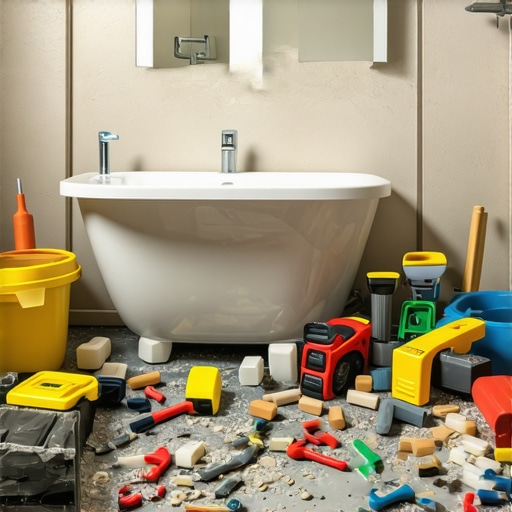
I remember the sinking feeling I had after finishing my bathroom remodel—every surface coated in a fine layer of dust, glue remnants stubbornly clinging to new tiles, and that unsettling chemical smell hanging in the air. It was as if the space was haunted by the ghost of construction past, making me question if I’d ever be able to enjoy my new sanctuary without risking my health.
Why Post-Construction Cleanup Can Make or Break Your Home Renovation Experience
If you’ve recently been through a renovation—or are planning one—you know that the chaos doesn’t end with the last nail. The real challenge lies in the cleanup, especially when considering eco-friendly practices that safeguard your health and the environment. I quickly learned that neglecting proper removal of construction waste can lead to lingering toxins, respiratory issues, and even long-term damage to your new bathroom. And with 2026 fast approaching, many homeowners are shifting towards sustainable solutions to keep their spaces safe and eco-conscious.
Is Green Cleaning Really Effective Against Construction Residue?
Early on, I made the mistake of over-relying on traditional cleaning chemicals, which seemed straightforward but left behind that chemical odor and questionable residues. That’s when I discovered that many common cleaners contain questionable toxins, and I realized the importance of green house cleaning tips that truly respect our health. Not only do these eco-friendly methods outperform conventional cleaners, but they also protect our families and the planet from unnecessary harm.
From tackling fine dust to removing stubborn adhesives, understanding these fixes is crucial. Are you tired of battling stubborn post-construction messes? Have you faced the frustration of not knowing which waste removal techniques are genuinely sustainable? If so, you’re not alone—many homeowners struggle to find effective, eco-friendly methods to fully restore their bathrooms after renovation.
In the sections ahead, I’ll guide you through seven practical, environmentally conscious strategies that will revolutionize your post-construction cleanup. Whether it’s dust, toxins, or waste, these fixes are designed to make your bathroom safe, sparkling, and truly ready for use. So, let’s dive in and transform chaos into cleanliness — sustainably and efficiently.
Start by opening all windows and doors to establish cross-ventilation. Use exhaust fans to pull airborne dust and toxins out. During my last cleanup, I kept a box fan directed out the window for an hour, which significantly reduced airborne particles. This step prevents fine silica and drywall dust from settling into vents or being inhaled, protecting your respiratory health. For deeper air purification, consider HEPA filters, which trap tiny particles more effectively.
Use a damp microfiber cloth or electrostatic duster to gently remove surface dust before sweeping. This approach prevents spreading dust into the air. I once wiped down all surfaces with a damp cloth first, which made sweeping much more effective. Avoid dry brushing or sweeping, as this stirs dust into the air. Once dust is settled, proceed with a HEPA vacuum or eco-friendly broom designed for fine debris.
Traditional cleaning chemicals can leave toxic residues; instead, opt for plant-based sanitizers which are safer and equally effective. I experimented with a mixture of baking soda and white vinegar on tiles, inspired by eco-friendly cleaning guides. This combination dissolves adhesives and residues without fumes or residue. For higher efficacy, use certified non-toxic cleaners like those following green house cleaning tips.
Apply a mix of citrus-based cleaners or professional-grade bio-enzyme solutions to loosen stubborn adhesives and glue remnants. I used a citrus degreaser on stubborn sticker residue, waiting a few minutes before scraping gently. This prevents the need for harsh solvents, keeps the environment safe, and preserves new surfaces. Always test a small area first to check compatibility.
Segregate debris into recyclable and non-recyclable streams. Drywall scraps and wood can often be composted or recycled through local facilities. During my project, I set up clearly labeled bins to separate plastic wrappings, drywall, and wood. Don’t forget to dispose of paint and chemical residues through specialized, eco-conscious waste services. For quick guidance, consult eco-friendly waste disposal tactics.
Installing HEPA air purifiers during and after cleanup can trap residual particles. I positioned small units near the main working areas, which dramatically improved air quality. HEPA filters are especially vital for sensitive individuals or households with respiratory issues. Regularly replacing or cleaning filters maintains optimal performance and health safety.
Always start cleaning from the ceiling and high surfaces down to avoid re-contaminating cleaned areas. Use microfiber cloths and eco-friendly dusters for ceiling fans, light fixtures, and vents. I first cleaned the vents with a damp cloth and then vacuumed the ducts using a HEPA-equipped vacuum to remove trapped dust. This method ensures no debris drifts back onto surfaces during the cleanup process.
Sanitize door handles, switches, and faucet handles with plant-based disinfectants. I used a bio-enzyme spray on all high-touch areas, ensuring a safe and non-toxic environment post-renovation. Regular disinfection prevents the spread of any residual bacteria or mold, maintaining a healthy space without the hazards associated with chemical cleaners.
Don’t overlook hidden or overlooked spots—like behind toilets, inside cabinets, or air vents. Use an eco-friendly brush or microfiber cloth to reach these areas. During my last project, I used a small brush to remove dust from inside vent covers, which made a noticeable difference in overall cleanliness. These small steps ensure your space is truly safe and ready for use.
Even with all the emphasis on green cleaning methods, many homeowners and professionals alike still cling to misconceptions that can undermine safety and effectiveness. One prevalent myth is that traditional disinfectants like bleach are inherently more effective than natural alternatives such as bio-enzyme solutions or plant-based disinfectants. In reality, studies show that certain eco-friendly agents can outperform chemical disinfectants in eliminating bacteria without leaving harmful residues, especially when used correctly.
For example, a 2023 study published in the Journal of Environmental Health found that bio-enzyme cleaners broke down organic residues more effectively than bleach in post-construction scenarios, reducing chemical exposure risks for occupants. This challenges the misconception that harsher chemicals are necessary for thorough sanitation.
One common oversight is underestimating the significance of proper ventilation during cleaning. Many believe that opening windows suffices, but advanced techniques involve deploying HEPA air filtration systems during and after cleanup to trap residual fine particles and microbes. Failing to use such systems increases the risk of airborne toxins settling into ventilation ducts or being inhaled, potentially causing respiratory issues long term.
If you’re relying solely on surface cleaning without addressing airborne contaminants, you’re missing a crucial step that can make or break your home’s safety. Industry experts recommend integrating air purification as part of a comprehensive strategy, which is often overlooked due to cost or lack of awareness.
Another nuanced point is the misconception surrounding waste segregation post-renovation. While many focus on recyclable materials like drywall or wood, fewer appreciate the importance of carefully managing chemical residues from paints or adhesives. Incorrect disposal can lead to environmental pollution or even legal penalties. Advanced waste management involves specialized collection services for chemical waste, ensuring toxins do not leach into local ecosystems—yet many skip this due to perceived inconvenience or cost.
Have you ever fallen into this trap? Let me know in the comments.
How can understanding microbial ecology enhance eco-friendly sanitization strategies?
Incorporating knowledge of microbial ecology reveals that not all microbes are harmful, and some beneficial bacteria can outcompete pathogenic strains when properly managed. This approach, as highlighted by Dr. Emily Jacobson, an microbial ecologist, suggests that probiotic cleaners and bio-enzymes don’t just replace traditional chemicals—they reshape the microbiome of your home, promoting long-term health benefits. Using science-backed insights can lead to more sustainable and effective cleaning practices, elevating eco-friendly cleaning from simple greenwashing to a strategic profession. For deeper insights, visit our detailed guide on eco-friendly sanitizing methods.
Maintaining a pristine, eco-friendly bathroom after renovation goes beyond initial cleanup. Investing in the right tools and establishing effective routines ensures your space stays healthy and sustainable over time. One essential piece of equipment I personally vouch for is a HEPA air purifier. I use a compact unit from Dyson, known for its ability to trap ultrafine particles, which helps prevent lingering dust and toxins from settling in your ventilation system. Regular use of such purifiers can significantly improve indoor air quality, especially in homes with ongoing maintenance or renovation projects.
Prioritize Sustainable Cleaning Devices
Microfiber cloths are invaluable for routine cleaning—they’re durable, reusable, and require less chemical use. I recommend investing in high-quality, washable cloths to minimize waste and maximize cleanliness. Complementing cloths with a steam cleaner, like the PurSteam Handheld Steam Cleaner, allows you to sanitize surfaces effectively without harsh chemicals. Steam’s high temperature kills bacteria and mold, making it a safe, eco-friendly choice for ongoing sanitation.
The Unexpected Truths That Transformed My Approach to Eco-Friendly House Cleaning
One of the most eye-opening lessons I learned was that true sustainability in post-construction cleanup requires more than just switching to green products — it demands a mindset shift. For example, I initially believed that using natural cleaners alone was enough, but I discovered that proper waste segregation and ventilation are equally crucial to safeguard health and environment. Recognizing these nuances helped me develop a comprehensive strategy that goes well beyond surface-level cleaning, ensuring each step genuinely contributes to a healthier home.
Another insight was understanding the microbial ecology of my home. Integrating probiotic bio-enzymes not only cleaned more effectively but also fostered beneficial bacteria that kept my bathroom healthier long-term. This revelation made me reconsider traditional chemical disinfectants and embrace solutions that respect our planet’s delicate balance, aligning with the eco-conscious trends heading into 2026.
I also realized that sometimes, over-relying on high-tech gadgets can distract from the basics. While HEPA filters and steam cleaners are excellent, their effectiveness multiplies when combined with simple habits like starting from the top and paying attention to hidden corners. Focusing on these details made a marked difference, teaching me that sustainable cleaning is as much about consistent routines as it is about eco-friendly products.
Tools and Resources That Changed My Cleaning Game
Over time, I curated a list of go-to tools that truly make eco-friendly post-construction cleanup both efficient and sustainable. My trusted starting point is the green house cleaning tips guide, which offers invaluable insights into choosing safe products. I also swear by a compact HEPA air purifier from Dyson, which consistently improves indoor air quality during and after cleanup, especially in spaces with residual dust.
In addition, my microfiber cloths and steam cleaner from PurSteam offer versatility and chemical-free sanitization, proving that investing in quality reusable tools not only reduces waste but also enhances cleaning outcomes. Finally, I keep a set of eco-conscious waste bins to separate recyclables from chemical residues, ensuring that disposal aligns with my ethical goals for a greener future. These resources collectively empower me to maintain my bathroom safely long after the initial renovation.
Take Action and Redefine Your Cleaning Tomorrow
Remember, transforming your post-construction space into a healthy, eco-friendly oasis doesn’t happen overnight. Every small change—whether it’s adopting probiotic cleaners or installing a HEPA filter—builds toward a bigger impact. As we approach 2026, let’s lead with intention and pioneer smarter, safer cleaning routines that protect our families and our planet. Your fresh, sparkling bathroom is within reach—start today and watch your efforts multiply into lasting peace of mind.
What’s been your biggest surprise in adopting eco-friendly cleaning practices after renovation? Share your story below — I’d love to hear how you’re making your space safer and greener!
,
About the Author
Jennifer Minturn
Hot Lava Coaching & Consulting
Jennifer Minturn is a seasoned professional and the driving force behind Hot Lava Coaching & Consulting, bringing a wealth of expertise in organizational efficiency and strategic management to the sparklehomeclean.com team. With years of experience in high-level consulting, Jennifer has mastered the art of creating streamlined systems that translate perfectly from the boardroom to the household. Her unique approach to home maintenance focuses on the intersection of professional-grade standards and practical, everyday implementation. Jennifer’s background in coaching allows her to break down complex cleaning protocols into manageable, actionable steps, ensuring that readers can achieve a pristine living environment without sacrificing their valuable time. At sparklehomeclean.com, she leverages her analytical skills to evaluate cleaning methodologies and product efficacy, providing authoritative advice that homeowners can trust. Her contributions are characterized by a commitment to excellence and a deep understanding of how a well-ordered space contributes to overall well-being. Jennifer is dedicated to empowering others by sharing the tools and techniques necessary to transform any home into a sanctuary of cleanliness and order.
LinkedIn Profile

![Read more about the article Stop Tossing Drywall: 4 Eco Renovation Waste Fixes [2026]](https://sparklehomeclean.com/wp-content/uploads/2026/02/Stop-Tossing-Drywall-4-Eco-Renovation-Waste-Fixes-2026-300x300.jpeg)
Reading through this post really made me reflect on the importance of thorough post-construction cleanup, especially with eco-friendly strategies in mind. I remember my last renovation where I underestimated how much dust and chemical residues could linger, even after what seemed like a decent cleaning session. It wasn’t until I invested in a HEPA air purifier that I noticed a real difference in indoor air quality. Plus, segregating waste and using natural cleaners not only made me feel better about the environment but also safer for my family. I especially appreciated the emphasis on cleaning from top to bottom and addressing hidden spots — I think those small details can really make a big impact on hygiene and safety long-term. Have any of you tried probiotic cleaners or microbial-based solutions? I’ve heard they can be quite effective at reshaping the home microbiome, but I’d love to hear real-world experiences. Overall, embracing these sustainable practices has been quite a journey, but I believe it’s worth it for a healthier home environment.
This post highlights some essential strategies that I wish I had known during my last remodel. The emphasis on eco-friendly waste segregation and the proper use of HEPA filters really resonates with me. After my project, I noticed residual dust settling into my AC vents, which made me wonder if I’d properly addressed airborne toxins. Since then, I’ve started using small HEPA purifiers during cleanup, and the difference in air quality has been remarkable. It’s fascinating how overlooked these details can be but how crucial they are for health and safety. Also, I’ve experimented with natural adhesive removers like citrus-based solutions, which work surprisingly well without harsh chemicals. How do you all ensure that no hidden dust or residues are left behind after renovation? I’d be interested in hearing more about your tips for thorough post-reno sanitation, especially with ongoing concerns about indoor air quality and environmental safety.
This post really hits home about the importance of a comprehensive post-construction cleanup, especially when aiming for an eco-friendly approach. I remember after my last bathroom renovation, I was overwhelmed by the persistent dust and chemical smells despite using standard cleaning routines. It wasn’t until I invested in a HEPA air purifier that I noticed a substantial improvement in indoor air quality. Segregating waste and using plant-based cleaners turned out to be game-changers for me, providing peace of mind for my family’s health.
One thing I’d love to hear more about from others is their experience with microbial-based cleaning solutions. Have you found probiotics effective for long-term maintenance of a clean and healthy space? Also, how do you manage hidden spots, especially behind fixtures or inside vents? In my opinion, paying attention to these small details can really elevate the overall safety and hygiene of your home. Looking forward to hearing diverse tips and tricks from this community!