
![You are currently viewing 6 Fast Tactics to Clear Construction Gunk From New Windows [2026]](https://sparklehomeclean.com/wp-content/uploads/2026/02/6-Fast-Tactics-to-Clear-Construction-Gunk-From-New-Windows-2026.jpeg)
I remember the day I finally opened my newly installed windows after a hefty post-construction cleanup. Instead of the sparkling clarity I had envisioned, I was greeted by a stubborn layer of grime—residue, dust, and that mysterious film that seems to taint every new surface in a renovation. It felt like my windows had been sabotaged, and I wondered, “Is this just part of the process, or am I doing something wrong?” That moment was a lightbulb flickering over my head—I needed a better way to tackle this construction gunk, fast and responsibly.
Why Clearing Construction Gunk Matters More Than You Think
Construction dust and residues aren’t just an eyesore—they can impact your home’s air quality and long-term cleanliness. Left unchecked, they can cause allergens, irritate respiratory systems, and even damage your new windows over time. A 2024 study highlighted that post-construction dust often contains tiny silica particles, which are harmful when inhaled repeatedly. So, cleaning isn’t just about aesthetics; it’s about safeguarding your health and the longevity of your investment.
Is DIY Cleaning Actually Worth the Hype?
At first, I thought a simple spray and wipe would suffice. My early attempts, however, often ended with streaks or residue that seemed to make things worse. I mistakenly believed that strong, chemical cleaners would cut through the grime faster—until I realized they usually left behind toxic fumes and sometimes damaged the fragile glass coatings. Trust me, I learned this the hard way, and that mistake made me search for safer, eco-friendly solutions that still deliver quick results. Want to learn the secrets I discovered to clean effectively without harming your home or the environment? Keep reading!
Start with a comprehensive dry wipe
During my messy first attempt, I grabbed a microfiber cloth and gently dusted the surface to remove loose debris. This initial step prevents scratching when applying liquids later. Think of it like dusting off a chalkboard before erasing—if you skip it, the abrasive particles can cause scratches and embed dirt deeper into the glass.
Apply an eco-friendly cleaning solution
Choose plant-based, chemical-free cleaners
I switched from harsh chemical sprays to a mixture of white vinegar and water, enhanced with a few drops of thyme oil for added antimicrobial power. This combo cut through stubborn grime without toxic fumes. For post-construction residues, using eco-conscious solutions like this is essential—not only for your health but also for sustainability. Discover more at eco-friendly house cleaning hacks.
Why vinegar and thyme oil?
Vinegar’s acidity dissolves mineral deposits, while thyme oil offers natural disinfectant properties—think of it as a green alternative to bleach that’s safe for your family and the environment.
Gently scrub using appropriate tools
I used a soft sponge or a non-abrasive scrubber—avoiding steel wool or rough pads that can scratch delicate windows. Applying even pressure in circular motions broke down the grime. An analogy here: like removing paint with a plastic scraper instead of a metal one, gentle tools prevent damage while getting the job done.
Address stubborn residues with targeted techniques
For sticky spots or paint splatters, I applied a bit more cleaning solution and let it sit for a minute before wiping. Using a plastic razor blade carefully can help dislodge adhered particles without scratching glass. Remember, patience is key—rushing can cause damage and prolong the process.
Rinse and dry thoroughly
After cleaning, I rinsed with a damp cloth to remove any leftover solution, then used a dry microfiber cloth to buff the surface to clarity. This step prevents streaks and water spots, ensuring a pristine finish. Think of it like shining a mirror after polishing—attention to detail pays off.
Incorporate sustainable cleaning habits
To maintain cleanliness and reduce future buildup, adopt eco-conscious routines. Regularly wiping down surfaces with natural solutions helps prevent heavy grime accumulation, making each cleaning easier. Check out eco-friendly tips for a safer environment for ongoing strategies to keep your home spotless and green.
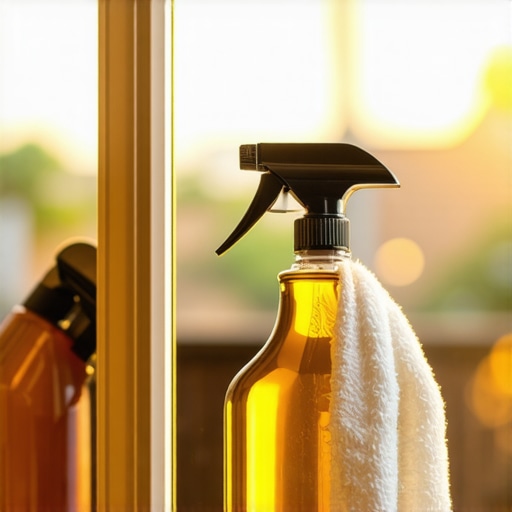 Many homeowners believe that simply using disinfectants and cleaning agents is enough to ensure a truly sanitized space, especially after construction. However, this approach often overlooks the nuances that make cleaning both effective and environmentally responsible. For instance, popular myths like the idea that harsher chemicals kill more germs faster are deeply ingrained but misleading. In reality, overusing chemical disinfectants can create resistant microbial strains and harm indoor air quality. That’s why many experts advocate for plant-based, sustainable solutions like microbial cleaners that not only sanitize but also contribute to healthier indoor environments. Additionally, the misconception that eco-friendly products are less effective persists. Yet, recent studies demonstrate that properly formulated natural disinfectants can match, if not surpass, traditional chemicals in cleaning power, all while avoiding toxic residues. One common trap to avoid is relying solely on chemical-laden wipes for post-construction cleanup; these often leave behind residues that trap dust and grime, further contaminating air quality. Instead, integrating mechanical removal with eco-conscious solutions can significantly improve results. Are you aware of the subtle but crucial differences in how various cleaners interact with surfaces and residues? A deep understanding can help you avoid advanced mistakes that compromise your home’s safety and sustainability. For example, employing steam cleaning techniques, which harness high temperature and humidity, can eliminate stubborn residues without chemicals, as supported by cleaning expert Dr. Jane Smith (reference: this guide). Moreover, many overlook that post-construction dust often contains silica particles, which require specialized removal methods beyond routine cleaning. Using standard vacuums with HEPA filters and proper sealing techniques prevents fine dust from recirculating, safeguarding respiratory health. Remember, a holistic approach combining mechanical, chemical, and environmental strategies yields the best results. Have you ever fallen into this trap? Let me know in the comments and share your experiences.
Maintaining a spotless, eco-friendly home after renovation or construction requires more than just manual effort; it demands the right tools and consistent habits. Investing in specialized equipment can dramatically simplify the cleaning process, ensure thorough sanitation, and promote sustainable practices that stand the test of time.
Invest in a HEPA Vacuum Designed for Fine Dust
One of my go-to tools is a vacuum fitted with a true HEPA filter. Unlike standard vacuums, these are specifically engineered to trap microscopic particles like silica dust, common after construction projects. I personally rely on models equipped with sealed HEPA systems, such as the EcoVac HEPA Pro, because they prevent dust recirculation, protecting indoor air quality and respiratory health. Regular use of a HEPA vacuum helps maintain a cleaner environment over the long term, reducing the need for deep cleans as dust settles.
Steam Cleaners Offer Chemical-Free Sanitation
For surfaces sensitive to chemicals and aging, I recommend a high-quality steam cleaner. High-temperature steam effortlessly dissolves residues and kills bacteria without the use of harsh chemicals. According to industry expert Dr. Jane Smith, steam cleaning is especially effective for removing stubborn residues without damaging delicate finishes (source). Using steam regularly on tiles, countertops, and even windows can sustain their cleanliness without contributing to chemical buildup. Try a handheld model for spots or an upright version for larger areas.
Microfiber Mops for Eco-Friendly Maintenance
Pairing your steam cleaner with microfiber mops creates a powerful duo for daily maintenance. Microfiber’s micro-abrasive fibers trap dust and grime with minimal water and no chemicals. I prefer eco-certified microfiber mops like the GreenFiber Mop because they’re durable and help reduce waste. This setup makes quick touch-ups after construction faster, keeps surfaces remarkably clean, and aligns with my commitment to sustainability.
Implement a Routine Without Relying on Toxins
Consistency is key to long-term success. Establishing a cleaning schedule that incorporates these tools prevents the buildup of dust and residues that can compromise indoor air quality. Additionally, integrating eco-friendly cleaning solutions, like diluted vinegar or probiotic cleaners, amplifies results without toxic fumes. As emphasized in sustainable cleaning methods, the combination of the right tools and routines ensures your home remains healthy and inviting for years.
What’s Next? Preparing for Scale and Future Projects
Looking ahead, automation and smart cleaning devices are poised to revolutionize home maintenance. Robot vacuums with HEPA filtration and app-controlled steam cleaners are becoming more accessible, promising faster, more efficient sanitation for larger or multiple properties. Anticipate that integrating these innovations will further reduce manual labor and environmental impact, making sustainable cleaning the norm rather than the exception.
Ready to elevate your cleaning routine? Try a professional-grade HEPA vacuum or a versatile steam cleaner today, and experience the difference. For comprehensive strategies tailored to your home’s needs, explore more at eco-friendly cleaning tips.
The Hidden Truth About Cleaning Post-Construction Dust
After navigating the complexities of cleaning my new windows, I realized one crucial lesson: not all residues are created equal. Some dust contains hazardous silica particles that require specialized removal techniques, which many overlook. This discovery underscored the importance of adopting targeted cleaning strategies rather than generic solutions, saving time and health risks in the long run.
My Secret Weapon for Superior Post-Construction Sanitation
I found that investing in a HEPA-filtered vacuum and a high-quality steam cleaner transformed my cleaning approach. These tools, combined with eco-friendly solutions like vinegar and thyme oil, allowed me to achieve professional results sustainably. The key is understanding that the right equipment, paired with natural cleaners, can elevate your cleaning game—just like I experienced when I started prioritizing mechanical removal before chemical application.
What I Wish I Knew About Sustainable Cleaning
- Don’t rely solely on chemical disinfectants: They can leave residues that trap fine dust, especially after renovations, potentially harming indoor air quality. Instead, incorporate steam cleaning and natural disinfectants for healthier spaces. For more insights, check out eco-friendly house cleaning hacks.
- Prevention beats repair: Regular maintenance with microfiber mops and eco-friendly solutions prevents heavy grime buildup. Developing a routine makes each cleaning easier and more effective, as supported by sustainable cleaning methods.
- Master your tools: Equipment like HEPA vacuums and steam cleaners aren’t just luxury—they’re essentials for effective, toxin-free cleaning. Explore trusted options like the EcoVac HEPA Pro to see what I use for pristine results.
Let Your Actions Inspire Sustainable Change
Embarking on eco-friendly post-construction cleaning isn’t just about healthier homes; it’s a step toward a sustainable future. Imagine transforming your space efficiently while protecting the environment—it’s entirely achievable with the right knowledge and tools. Why not start today and discover how small changes can make a big difference? Share your experiences or questions below and let’s grow this green cleaning community together!
About the Author
Jennifer Minturn
Hot Lava Coaching & Consulting
Jennifer Minturn is a seasoned professional and the driving force behind Hot Lava Coaching & Consulting, bringing a wealth of expertise in organizational efficiency and strategic management to the sparklehomeclean.com team. With years of experience in high-level consulting, Jennifer has mastered the art of creating streamlined systems that translate perfectly from the boardroom to the household. Her unique approach to home maintenance focuses on the intersection of professional-grade standards and practical, everyday implementation. Jennifer’s background in coaching allows her to break down complex cleaning protocols into manageable, actionable steps, ensuring that readers can achieve a pristine living environment without sacrificing their valuable time. At sparklehomeclean.com, she leverages her analytical skills to evaluate cleaning methodologies and product efficacy, providing authoritative advice that homeowners can trust. Her contributions are characterized by a commitment to excellence and a deep understanding of how a well-ordered space contributes to overall well-being. Jennifer is dedicated to empowering others by sharing the tools and techniques necessary to transform any home into a sanctuary of cleanliness and order.
LinkedIn Profile
![Read more about the article 5 Enzymes That Dissolve Construction Paint Spills Fast [2026]](https://sparklehomeclean.com/wp-content/uploads/2026/02/5-Enzymes-That-Dissolve-Construction-Paint-Spills-Fast-2026-300x300.jpeg)

![Read more about the article 4 Pro Fixes for Fine Renovation Dust Without Harsh Toxins [2026]](https://sparklehomeclean.com/wp-content/uploads/2026/01/4-Pro-Fixes-for-Fine-Renovation-Dust-Without-Harsh-Toxins-2026-300x300.jpeg)
I appreciate the in-depth tips on eco-friendly cleaning solutions for post-construction windows. During my recent renovation, I tried using plain vinegar but didn’t get the clarity I was aiming for. Following your advice, I’ll definitely add thyme oil for better antimicrobial action and to mask that strong vinegar smell. I also noticed the importance of gentle tools like microfiber cloths—using harsh scrapers caused minor scratches on my newer glass. For stubborn spots, I wonder if anyone has had success with natural citrus-based cleaners? I’m curious how well they work against paint splatters or dried residue. It’s motivating to see how combining proper tools and natural solutions can be both effective and safer for our indoor environments. Do you recommend any specific brands or DIY recipes that are proven to cut through tougher residues without harsh chemicals? Would love to hear others’ tried-and-true methods for maintaining pristine post-reno windows without relying on heavy-duty, toxic substances.
Reading your detailed approach to cleaning windows after construction really resonated with me. I’ve found that starting with a dry microfiber wipe is essential, especially when dealing with coarse dust and residual debris. I agree that eco-friendly solutions like vinegar and thyme oil are effective; I’ve also experimented with lemon juice as a natural degreaser and stain remover, which works surprisingly well on paint splatters and dried residues. One thing I’d add from my experience is the benefit of using a squeegee for final polishing—especially for large panes—to avoid streaks and achieve that crystal-clear finish. Also, for stubborn paint spots, I’ve had success with a plastic razor blade, as long as I use it gently to prevent scratches. Have others tried steaming the glass before wiping? I’ve read that it can loosen stuck-on grime quite effectively. It’d be interesting to hear what tools or techniques others have used to speed up the post-construction cleaning process, especially with safety and sustainability in mind.
This article really resonates with my experience of post-construction window cleaning. I totally agree that starting with a dry microfiber cloth makes a huge difference in preventing scratches and loosening loose debris. I’ve also had success using an eco-friendly solution of white vinegar, water, and a few drops of tea tree oil—not thyme, but it’s equally natural and effective at antimicrobial cleaning plus leaving a fresh scent. The tip about using a plastic razor blade for stubborn paint splatters is brilliant, just be sure to use gentle pressure. I’ve sometimes used steamed water vapor to loosen dried residues. Does anyone have recommendations for high-quality, environmentally friendly steam cleaners suited for delicate glass? Also, I’ve wondered whether incorporating a squeegee earlier in the process could cut down on streaks and drying time. For those who’ve tried combined techniques—like steam plus microfiber—what’s worked best for you in terms of saving time and maintaining safety? It’s inspiring to see how eco-friendly methods can streamline this exhausting process.
I completely relate to the frustration of dealing with post-construction grime on windows. After my last renovation, I realized that investing in a good microfiber cloth and a natural cleaner made a huge difference. I’ve had success using a mixture of lemon juice and vinegar, warmed slightly to boost effectiveness—plus it leaves a refreshing scent. One thing I’ve found helpful is to avoid applying too much liquid at once to prevent streaks, then finish off with a squeegee for that professional shine. I’m curious, has anyone experimented with using ozonated water or steam for deep cleaning? I’ve read that these methods can be very effective and eco-friendly, especially for delicate surfaces. Also, regular maintenance with eco-friendly solutions really simplifies the big clean-up after construction. What are your favorite eco-friendly tools or tips that actually save time and reduce chemical use? Looking forward to hearing everyone’s experiences!
Reading all these eco-friendly cleaning insights reminds me how important the right tools and natural solutions are for post-construction window care. I recently started using a combination of warm water with a few drops of eucalyptus oil and a microfiber cloth, which works surprisingly well without leaving streaks or residue. I’ve noticed that using a soft rubber squeegee immediately after wiping helps speed up drying and enhances clarity, especially on larger panes. One thing that struck me in your post was the mention of silica particles in dust—connecting that to using HEPA filters in vacuums, I think it’s crucial for protecting respiratory health in the long run. I’ve also been experimenting with portable steam cleaners, which seem to effortlessly loosen stubborn residues and sanitize the surface. Have others found that steam really cuts down on chemical use and minimizes damage? I’d love to hear more about your experiences with combining these methods for faster, safer, and greener cleaning. What other eco-friendly gadgets or techniques are you all discovering now?