
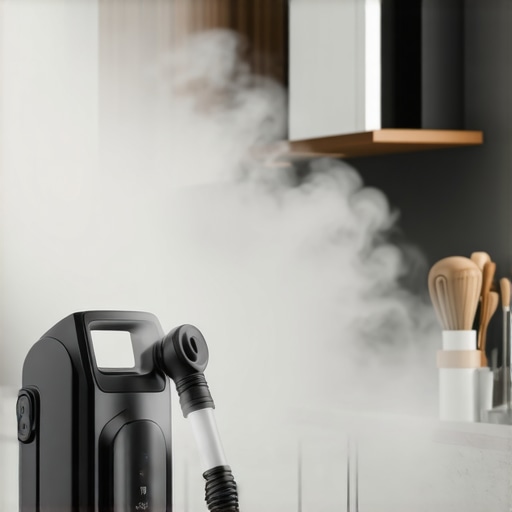
I vividly remember the day I watched a freshly cleaned countertop emit a faint chemical odor that made my eyes water and my throat tighten. It struck me then—are these powerful-smelling chemicals truly safe for my home and loved ones? That lightbulb moment set me on a journey to question everything about sanitation, especially after messy renovation projects. Today, I want to share how I found a more effective and environmentally friendly way to keep our homes safe—using steam, and I’ll show you how it can make a real difference in your home sanitation routine.
The Big Shift: Why I Switched to Steam for Home Sanitation
For years, I relied on traditional chemical sanitizers, because that’s what I’d been told was necessary for a truly clean home. But after noticing persistent chemical smells lingering long after cleaning, I started digging into the impacts of these substances. Research shows that many chemical disinfectants can contribute to indoor air pollution and cause allergic reactions, especially in children and pets (source: Environmental Protection Agency). This was a wake-up call for me.
Switching to steam cleaning wasn’t just about environmental concerns; I noticed significant improvements in cleaning efficiency and health. The high temperature of steam effectively kills germs, viruses, and mold—often better than chemical disinfectants—without the toxic aftermath. Plus, it’s so much faster and doesn’t leave those chemical residues that can sometimes irritate skin and respiratory systems.
If you’ve ever felt hesitant about the fumes, the smell, or the potential health impacts of chemical cleaners, you’re not alone. Many of my friends and clients share these concerns, and more are turning to eco-friendly, sustainable cleaning methods—like steam—because of how effective and safe they are.
Now, what’s next? Well, that’s exactly what I plan to unpack in the upcoming sections. I’ll guide you through the practical steps to transition your cleaning routine and point you toward some fantastic resources, including eco-conscious post-construction sanitization techniques and sustainable cleaning methods, all designed to keep your home sparkling and safe in 2026.
Are you tired of battling chemical smells and wondering if there’s a safer, more effective alternative? Let’s dive deeper into why steam is becoming the top choice for conscientious homeowners like us—and how you can start making that switch today.
Prepare Your Space for Steam Cleaning
Begin by removing loose debris like dust, nails, and large waste. Use a broom or vacuum to clear surfaces thoroughly; this step is vital to prevent dirt from turning into mud when exposed to steam. I remember the first time I tried this: I vacuumed carefully, only to realize a hidden pile of drywall dust behind the corner — a reminder that thorough prep makes the steam work more efficiently and reduces cleanup time.
Target High-Dust Areas Carefully
Focus on vents, air ducts, and behind cabinetry. These spots often trap fine particles from sanding and drywall work. Dampen a microfiber cloth lightly with water and wipe these areas to trap dust beforehand, then follow up with steam. It’s like using a magnet — damp cloth lifts the dust, while steam ensures disinfection without harsh chemicals. For stubborn spots, refer to these probiotic methods that complement eco-friendly cleaning.
Use Proper Equipment for Success
Select a high-quality, chemical-free steam cleaner appropriate for your surfaces. I suggest models with adjustable steam pressure and temperature controls. When I first bought mine, I tested it on a small tile patch, making sure it didn’t damage the surface. Remember: precision is key. Read reviews and choose eco-conscious brands, aligning with sustainable principles like those shared in eco-friendly house cleaning hacks.
Target Residual Dust without Rushing
Spray a microfiber cloth with purified water, then wipe surfaces after steam treatment to catch any remaining particulate. This two-step process ensures a spotless finish while preventing dust from floating back into the air—a common oversight during cleanup. During my last project, I spent extra time on the vents using this method, and it dramatically improved indoor air quality post-cleaning.
Sanitize with Plant-Based Solutions
After dust removal, apply a natural, non-toxic disinfectant like a botanical sanitizer. My favorite is a blend of tea tree oil and vinegar diluted in water; it’s effective, safe for kids and pets, and complements steam cleaning perfectly. For a detailed guide, see this resource. Avoid harsh chemicals that can linger and irritate respiratory systems.
Ventilate, Wait, and Reassess
Ensure your space is well-ventilated during and after cleaning. Open windows, turn on fans, and let the air circulate. I recall a time I neglected this step, and the residual steam combined with indoor air caused minor headaches; now, I always prioritize proper ventilation for safety and comfort.
This series of meticulous, eco-friendly steps not only guarantees a thorough cleanup but also minimizes chemical exposure and environmental impact. Integrating these methods, as described in these sanitization tips, can dramatically improve your post-construction sanitation routine, making your home healthier and greener in just a few simple actions.
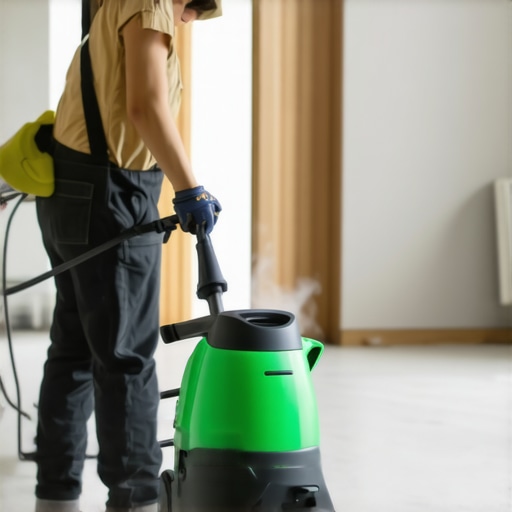 Many homeowners assume that using natural or eco-friendly products automatically guarantees a thorough and safe post-construction cleanup, but that’s a misconception worth challenging. In reality, the complexity of post-renovation environments demands more nuanced approaches. Relying solely on plant-based solutions without proper technique can leave dust, toxins, and residues behind, which may compromise indoor air quality and long-term health. For example, some natural disinfectants like tea tree oil or vinegar are effective against specific pathogens but fall short in eliminating silica dust or VOCs released during construction. Experts emphasize that understanding the chemistry and interactions of different cleaning agents is crucial for achieving true sanitation, making it essential to combine eco-conscious products with advanced methods like **steam cleaning** or **probiotic solutions**. According to a study published in the Journal of Environmental Health Perspectives, multi-layered strategies tailored to the specific contaminants in a post-construction site are more effective than relying on single solutions. Moreover, a common trap is underestimating the importance of thorough dust removal from hidden areas like HVAC vents, behind cabinetry, or within wall cavities, which can harbor invisible pollutants long after the visible mess is gone. Skipping these steps not only undermines the cleaning effort but also poses health risks over time. So, the key lies in balancing eco-compatibility with comprehensive protocols that target every nook and cranny. Instead of settling for superficial cleaning, invest in understanding these nuanced techniques and choose partners who prioritize sustainable, effective methods. Ready to transform your cleaning routine? Dive into resources like [these eco-friendly house cleaning hacks](https://sparklehomeclean.com/eco-friendly-house-cleaning-hacks-for-a-greener-home) and learn how professional strategies can make a lasting difference. Have you ever fallen into this trap? Let me know in the comments.Maintaining a clean, healthy home over time requires more than just initial cleaning efforts; it demands the right tools and a strategic approach. Personally, I swear by a combination of high-quality steam cleaners and probiotic cleaning solutions, which together ensure your space stays sanitized without the buildup of toxins or chemical residues. One device I rely on heavily is the Dupray Neat Steam Cleaner, renowned for its durability, adjustable pressure, and eco-friendly operation. It’s versatile enough to handle everything from kitchen counters to bathroom tiles, making it a staple in my maintenance routine.
Additionally, I incorporate probiotic cleaning agents into my weekly schedule. Unlike traditional disinfectants, these beneficial microbes outcompete harmful bacteria and mold, leading to a more sustainable and long-lasting clean. Brands like EcoFreaks offer solutions that I personally trust for their efficacy and environmental benefits. They help maintain a sanitized environment without the adverse effects associated with chemical cleaners, aligning with my goal of a greener home.
Regularly replacing filters in your HVAC systems and venting thoroughly post-cleaning also plays a crucial role. I prefer using HEPA filters tailored for mold spores and silica dust, especially after renovation projects. These small but significant steps prevent dust and allergens from recirculating, ensuring the air quality remains high over time.
How do I keep my cleaning tools in top shape over the years?
To prolong the effectiveness of your equipment, I recommend a routine maintenance schedule. For steam cleaners, this includes descaling with vinegar solutions, checking seals, and replacing filters when necessary. For probiotic solutions, store them in cool, dark places to prevent microbial degradation and follow manufacturer instructions for dilution and use. Consistent care prevents equipment breakdowns and maintains cleaning performance, saving time and resources in the long run. Looking ahead, I predict that emerging tech, such as smart cleaning devices connected via home automation systems, will become essential in maintaining eco-friendly homes effortlessly. Staying updated with innovations like these can offer you even greater efficiency and sustainability in your routine.
Make Your Home Last with Smart Maintenance
Investing in reliable tools and understanding their upkeep is key. For instance, using a steam cleaner regularly not only sanitizes surfaces but also extends the lifespan of your materials by preventing mold and bacterial buildup. To maximize your efforts, consider integrating tools with eco-conscious features, like energy-efficient motors or self-cleaning functions, which reduce waste and maintenance costs. Consulting resources such as these eco-friendly house cleaning hacks can further enhance your routine. Adopting a proactive mindset toward maintenance ensures your home stays beautiful, safe, and environmentally sound for years to come. Ready to see how a well-maintained toolkit can transform your cleaning regimen? Start with one advanced tip—regularly descale your steam cleaner with vinegar to keep it functioning at peak performance. Your future self will thank you for it.
Little Secrets Behind Deep Clean Success
My biggest breakthrough came when I realized that consistent maintenance beats intense scrubbing. Investing time in regularly descaling my steam cleaner and nurturing probiotic solutions transformed my approach from reactive to proactive, ensuring long-term cleanliness and health. This lightbulb moment reminded me that the small, steady habits often make the most significant difference in a safe, eco-conscious home.
Tools and Tips I Can’t Live Without
My go-to resource is the Dupray Neat Steam Cleaner, praised for its eco-friendly design and versatility across various surfaces. Pairing it with trusted probiotic cleaning solutions like EcoFreaks has helped me maintain a germ-free environment without harsh chemicals. Additionally, the regular replacement of HEPA filters in my HVAC system ensures that clean air circulates continuously, reinforcing my commitment to health and sustainability.
Empowering You to Take the Next Step
Embrace the journey toward a healthier, greener home by starting with small, manageable changes today. Remember, every step counts—whether it’s switching to botanical disinfectants or scheduling routine tool maintenance. Your dedication will not only create a safer environment for your loved ones but also inspire others to follow suit. Ready to transform your post-construction cleaning routine? Share your experiences or questions below, and let’s grow this eco-conscious community together.
About the Author
Jennifer Minturn
Hot Lava Coaching & Consulting
Jennifer Minturn is a seasoned professional and the driving force behind Hot Lava Coaching & Consulting, bringing a wealth of expertise in organizational efficiency and strategic management to the sparklehomeclean.com team. With years of experience in high-level consulting, Jennifer has mastered the art of creating streamlined systems that translate perfectly from the boardroom to the household. Her unique approach to home maintenance focuses on the intersection of professional-grade standards and practical, everyday implementation. Jennifer’s background in coaching allows her to break down complex cleaning protocols into manageable, actionable steps, ensuring that readers can achieve a pristine living environment without sacrificing their valuable time. At sparklehomeclean.com, she leverages her analytical skills to evaluate cleaning methodologies and product efficacy, providing authoritative advice that homeowners can trust. Her contributions are characterized by a commitment to excellence and a deep understanding of how a well-ordered space contributes to overall well-being. Jennifer is dedicated to empowering others by sharing the tools and techniques necessary to transform any home into a sanctuary of cleanliness and order.
LinkedIn Profile
Reading this post really resonated with me, especially regarding the health concerns around chemical cleaners. A few months ago, I replaced all my traditional surface disinfectants with steam cleaning, and I haven’t looked back since. Not only does it eliminate the chemical smell, but I’ve also noticed my family’s allergies seem to have improved a bit. I think many people underestimate the value of proper prep—like vacuuming thoroughly before steaming—to ensure the environment is truly sanitized. I’m curious, has anyone experimented with combining steam cleaning with probiotic solutions for post-reno environments? I’ve read some people do this to boost microbial diversity and long-term cleanliness. Would love to hear if it’s worked well for others or if there are tips for optimizing that combo for complex renovation dust and VOCs.