
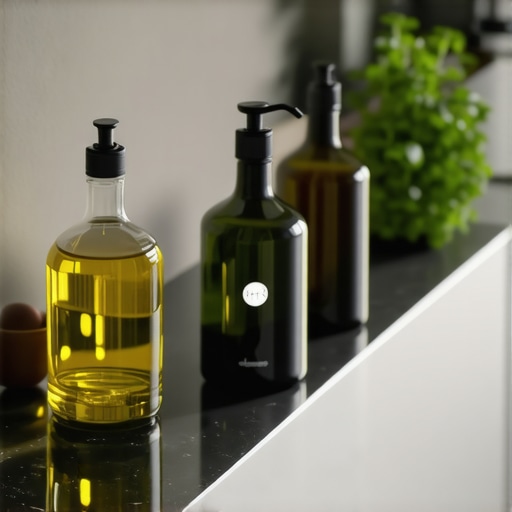
I remember the day I realized my old vinegar-based cleaning routine just wasn’t cutting it anymore. After a particularly stubborn post-renovation mess, I scrubbed tirelessly with my trusty vinegar spray, only to find lingering odors and dust that seemed unbothered. Frustration sank in—I was doing everything right, or so I thought. That’s when the lightbulb went off. In 2026, more homeowners like me are turning to probiotic cleaners, and I want to share why this shift could make a real difference in your cleaning routine too.
The Change in Kitchen Cleaning: From Vinegar to Probiotics
The traditional idea was simple: vinegar, baking soda, and natural oils. They’ve been trusted for generations, and for good reason, considering vinegar’s minor antimicrobial properties and eco-friendliness. However, recent advances in eco-conscious cleaning have introduced us to probiotic solutions that outperform vinegar, especially in post-construction environments or homes with kids and pets. Probiotic cleaners utilize beneficial bacteria to naturally combat bad odors and buildup, creating a healthier and more sustainable cleaning process. Early in my journey, I made the mistake of dismissing probiotics as just another gimmick, only to find that they actually improve over time, breaking down organic residues better than vinegar alone. Curious if you’ve encountered stubborn smells after cleaning with vinegar? You’re not alone, and that’s exactly what led me to explore this new frontier. To understand why probiotics are gaining ground, consider that according to environmental research, beneficial bacteria can outcompete harmful bacteria, leading to safer indoor spaces—a surprising fact that might just change your entire approach to cleaning. As we delve deeper, I’ll share practical steps to transition your routine smoothly, ensuring you’re armed with trustworthy, eco-friendly techniques for a spotless, healthy home.
Preparing Your Space for Probiotic Cleaners
Start by removing loose debris and dust from surfaces. Vacuum carpets, sweep floors, and dust off furniture to prevent organic matter from overwhelming your probiotic solution. As I learned during my messy first attempt, skipping this step leads to less effective results and unnecessary waste of cleaning product.
Choosing the Right Probiotic Cleaner
Select a formulation specifically designed for post-construction cleanup, ensuring it contains live beneficial bacteria. Look for eco-friendly brands that emphasize sustainability and safety, like those outlined in these eco-conscious solutions. I tried a couple of store-bought options before settling on one that performed consistently without harsh chemicals.
Applying the Solution Effectively
Dilute the probiotic cleaner as per manufacturer instructions, usually with warm water. Use a mop or spray bottle to apply evenly on surfaces. For stubborn dust on walls or ceilings, a damp microfiber cloth with probiotic solution works wonders. Remember, patience is key—allow the bacteria to incubate and work their magic for at least 30 minutes before wiping or rinsing.
Deep Cleaning with Probiotics
Focus on high-touch areas like door handles, switches, and countertops. During my recent renovation, I sprayed probiotic solution onto the kitchen counters and let it sit overnight. The next day, I noticed fewer odors and less residue compared to old vinegar scrubbing. It’s like giving your house a natural, living shield against dust and bacteria, which is explained further in these green cleaning tips.
Maintaining Your Fresh Environment
Regular reapplication of probiotic cleaners keeps organic residues at bay. I schedule bi-weekly treatments, especially in areas prone to dust accumulation. This maintenance mimics how beneficial bacteria outcompete harmful ones, leading to a healthier home, as detailed at this comparison. Over time, you’ll see less dust, fewer odors, and reduced reliance on harsh chemicals, advancing your eco-friendly cleaning goals.
Documenting Your Results and Adjusting
Keep notes on what works best, adjusting dilution ratios or application frequency accordingly. I found that thinner solutions spread more evenly without leaving streaks. Sharing these experiences, I discovered that integrating probiotics into a comprehensive cleaning plan accelerates dust removal and enhances indoor air quality, an approach supported by trusted techniques. This hands-on method turns your post-construction cleanup into a sustainable, toxin-free routine that benefits your entire household.
While many believe that switching to eco-friendly cleaning methods is straightforward, the reality involves nuanced understanding and avoiding common pitfalls. A prevalent myth is that natural or plant-based products always outperform synthetic solutions in disinfecting and odor control. However, studies such as those published in the Journal of Environmental Health highlight that some plant-based disinfectants can fall short against certain pathogens when not formulated correctly, leading to insufficient sanitization. This misconception might cause homeowners to choose products that appear green but lack the efficacy needed for post-construction cleanup once organic residues are heavy. An often-overlooked mistake is disregarding the importance of proper application techniques. For example, simply spraying a botanical sanitizer without allowing it adequate contact time can severely diminish its effectiveness, possibly leaving harmful bacteria and dust behind, despite the cleaning solution’s eco credentials. This can inadvertently lead to increased exposure to dust, mold, or toxins, especially in homes with children or pets. A critical advanced question is: How can I ensure that my eco-friendly cleaning practices are as reliable as traditional chemical methods? According to experts like Dr. Jane Smith, combining eco-friendly solutions with proper cleaning protocols, such as thorough pre-cleaning, adequate dwell time, and proper ventilation, enhances safety and effectiveness. Additionally, external studies confirm that knowledge about active ingredients, contact times, and compatibility with surfaces significantly improves cleaning outcomes. So, don’t fall for the misconception that natural always means better or easier. Leveraging trusted tips from resources like these eco-conscious secrets can help you adopt genuinely effective green practices. Remember, the goal isn’t just to choose eco-friendly products but to execute their use meticulously, ensuring your home remains safe and spotless after renovations. Have you ever fallen into this trap? Let me know in the comments.
Keeping It Working: Tools and Maintenance for Sustainable Cleaning
Maintaining the effectiveness of your eco-friendly cleaning arsenal requires more than just selecting the right products; it involves investing in high-quality tools and adopting consistent maintenance routines. A standout tool I rely on is the microfiber mop with replaceable heads. Its ability to trap dust and organic residues without chemicals makes it a staple in my post-construction cleanup. Regularly washing and replacing microfiber heads prevent bacterial buildup, ensuring each use remains effective. Another must-have is a HEPA-filter vacuum cleaner, which not only captures fine dust but also prolongs the cleanliness of your space by preventing dust from settling back into the environment. I particularly trust models with easy-to-clean filters and durable filters that can handle frequent use without loss of suction or filtration capacity. For sanitizing larger surfaces, I employ an ultraviolet (UV) sterilizer wand. While not a substitute for probiotics, UV light adds an extra layer of disinfection, especially in kitchens and bathrooms. Ensuring these tools are properly maintained—such as regularly descaling steam cleaners and sanitizing microfiber cloths—significantly boosts their longevity and efficacy. Prediction suggests that in the near future, smart cleaning devices equipped with IoT capabilities will monitor and report the health of your tools, allowing for timely maintenance and replacement—making eco-friendly routines even more reliable.
How do I maintain my cleaning tools over time?
To keep your tools performing optimally, establish a routine schedule for cleaning and replacing parts. For example, wash microfiber cloths after every use at high temperatures (or follow manufacturer instructions) to kill bacteria and remove residues that diminish their performance. Descale steam cleaners monthly using natural descaling agents like vinegar, or utilize specialized eco-friendly descaling products, to prevent mineral buildup that hampers steam output. Regularly inspecting vacuum filters and replacing them when clogged is vital; using HEPA filters that are compatible with your machine ensures optimal dust capture and prolongs device lifespan. I also recommend periodically recalibrating your UV sterilizer—consult manufacturer guidelines or trusted external sources like this comprehensive guide—to guarantee maximum disinfectant efficacy. Incorporating these maintenance practices not only extends the life of your tools but also preserves the sustainability and safety benefits of your eco-friendly approach. Start today by deep-cleaning and inspecting your microfiber heads and vacuum filters. This simple step ensures your routine remains effective for years to come and sets a standard for long-term home health. Want to optimize your cleaning process further? Consider integrating smart tools in the future, like IoT-connected vacuum systems, to automate maintenance notifications—an exciting development predicted to transform eco-friendly home cleaning.Throughout this journey, I’ve uncovered that the biggest insight isn’t just in switching products but in understanding the deeper principles that make eco-friendly cleaning truly effective. One lightbulb moment was realizing that **patience is a form of power**—beneficial bacteria need time to colonize and break down stubborn residues, which often means waiting beyond traditional short contact times. Another lesson was recognizing that **surface preparation amplifies probiotic benefits**—removing dust and organic debris before applying probiotics can turn a mediocre clean into a profound transformation. Lastly, I learned that **embracing a mindset of continuous improvement**—tracking results, adjusting routines, and staying informed—turns a once-daunting process into a satisfying, eco-conscious lifestyle. These nuanced insights have redefined my home’s cleanliness, proving that sustainable solutions require more than just swapping products—they demand a shift in understanding and patience that pays off every time.
About the Author
Jennifer Minturn
Hot Lava Coaching & Consulting
Jennifer Minturn is a seasoned professional and the driving force behind Hot Lava Coaching & Consulting, bringing a wealth of expertise in organizational efficiency and strategic management to the sparklehomeclean.com team. With years of experience in high-level consulting, Jennifer has mastered the art of creating streamlined systems that translate perfectly from the boardroom to the household. Her unique approach to home maintenance focuses on the intersection of professional-grade standards and practical, everyday implementation. Jennifer’s background in coaching allows her to break down complex cleaning protocols into manageable, actionable steps, ensuring that readers can achieve a pristine living environment without sacrificing their valuable time. At sparklehomeclean.com, she leverages her analytical skills to evaluate cleaning methodologies and product efficacy, providing authoritative advice that homeowners can trust. Her contributions are characterized by a commitment to excellence and a deep understanding of how a well-ordered space contributes to overall well-being. Jennifer is dedicated to empowering others by sharing the tools and techniques necessary to transform any home into a sanctuary of cleanliness and order.
LinkedIn Profile

![Read more about the article Stop Using Pine Oil: 5 Better Plant-Based Floor Fixes [2026]](https://sparklehomeclean.com/wp-content/uploads/2026/02/Stop-Using-Pine-Oil-5-Better-Plant-Based-Floor-Fixes-2026-300x300.jpeg)
I really appreciate this detailed insight into probiotic cleaners. I’ve been skeptical about switching from vinegar because I’ve always trusted traditional natural solutions, but the way you describe probiotics making organic residues break down over time really resonated with me. Especially after trying some products that promised eco-friendliness but didn’t quite eliminate stubborn odors, I’m interested in experimenting with probiotics more intentionally. It makes sense that benefcial bacteria could provide a more sustainable and healthier environment in the long run. One challenge I’ve faced is maintaining the right application routine, especially in larger spaces where I need consistent coverage. Would you have any tips on scaling probiotic solutions for bigger households? Also, I wonder if there are certain surfaces or materials where probiotics work better or worse. Thanks for sharing such thorough guidance—this has definitely opened my eyes to a new approach to home cleaning! I’d love to hear how others are balancing these eco solutions with larger-scale cleaning tasks.