I still vividly remember the day I nearly lost my breath during a post-renovation cleanup. Dust and harsh chemical fumes filled the air, and I wondered if I was doing more harm than good. That moment sparked a lightbulb: there has to be a better way—something safer, more sustainable, yet just as effective. As I dove into the world of eco-friendly sanitizers, I discovered that plant-based solutions aren’t just trendy; they are transforming the way we sanitize our homes in 2026.
Why Switching to Plant-Based Sanitizers Matters More Than Ever
In today’s world, where health and environmental concerns go hand in hand, the demand for green cleaning methods has skyrocketed. Traditional disinfectants often contain chemicals that can linger in our homes, affecting our air quality and our health. What if I told you that you could achieve lab-clean results with ingredients straight from nature? That’s what makes plant-based sanitizers so compelling—they promise the same level of sanitation without toxic side effects. Plus, embracing these solutions aligns with a broader movement toward sustainability and planetary health. According to recent studies, using natural disinfectants can reduce indoor pollution and contribute to a healthier living space. If you’ve faced the frustration of battling stubborn germs with harsh chemicals, you’re not alone. And believe me, early on, I made the mistake of dismissing plant-based options as ineffective—only to find that they often outperform chemical counterparts when used correctly. Ready to explore how these green solutions can change your cleaning routine? Let’s dive into understanding their benefits and how to incorporate them effectively.
Start with a Thorough Dust Removal
During my first eco-friendly cleanup, I learned that dust from drywall and insulation can hide in every corner. Use a microfiber cloth or a eco-friendly vacuum with HEPA filters to trap airborne particles effectively. Focus on ceilings, walls, and floors, ensuring you don’t just spread the dust around. For stubborn dust in hard-to-reach spots, a soft brush attachment works wonders. Remember, this initial step sets the tone for a safe and sanitary environment, reducing the chemical load later on.
Clean Surfaces Using Natural Solutions
Next, I combined white vinegar and water in a 1:1 ratio, applying it with a spray bottle to surfaces like countertops, cabinets, and fixtures. This mix is proven effective against bacteria and grease without harmful toxins—much better than traditional chemical cleaners. For tougher stains, add a few drops of tea tree oil, which has natural antimicrobial properties. Always test a small area first to prevent any damage, especially on delicate surfaces. This process ensures a deep clean while keeping chemicals out of the home’s air.
Disinfect with Plant-Based Sanitizers
After cleaning, I turned to plant-based disinfectants specially formulated for post-construction sanitizing. These solutions are designed to eliminate germs quickly and sustainably, outperforming many chemical counterparts when used correctly. Apply the sanitizer as per the manufacturer’s instructions, focusing on high-touch zones like door handles, switches, and fixtures. Allow sufficient contact time for maximum efficacy, just like chemical disinfectants but without the hazardous fumes. Using products like these supports a healthier indoor environment and aligns with eco-conscious cleaning practices, making your space safer for children and pets alike.<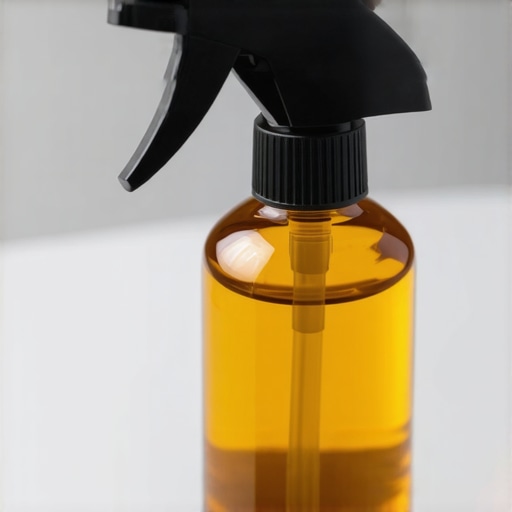 >Many homeowners and novice cleaners assume that choosing eco-friendly methods automatically means sacrificing sanitation or efficiency, but this is a common misconception. In reality, understanding the nuances of green cleaning reveals that traditional beliefs often oversimplify the complexities involved in achieving both safety and effectiveness. One widespread myth is that natural sanitizers lack the power to eliminate harmful germs fully. However, recent research indicates that properly formulated plant-based disinfectants can outperform conventional chemicals when applied correctly, especially in post-construction environments where dust and microbes are prevalent. It’s essential to recognize that not all green products are created equal; selecting formulations backed by scientific validation guarantees a higher standard of hygiene. Another mistake people frequently make is underestimating the importance of thorough dust removal before applying sanitizers. Overlooking this step diminishes the overall effectiveness, as dust particles can shield bacteria and spores from disinfectants. Moreover, many overlook the significance of contact time, which is critical for natural solutions to neutralize pathogens effectively. This oversight can be particularly problematic in post-renovation cleaning, where unseen microbial reservoirs linger in overlooked corners. A common trap is assuming vinegars and basic solutions suffice for all surfaces, but some materials require tailored approaches to prevent damage while maintaining sanitation. For instance, porous surfaces like unsealed wood may absorb acids, leading to deterioration, so understanding the specific needs of each surface is vital. From an advanced perspective, experts emphasize that combining multiple eco-friendly solutions and understanding their interaction enhances overall efficacy. For example, pairing enzymatic cleaners with natural disinfectants can target a broader spectrum of microbes without harmful residuals, a principle supported by the Environmental Protection Agency’s eco-certification standards. To make the most of your post-construction cleaning routine while staying true to eco-conscious principles, consider consulting comprehensive guides and expert insights available at [Eco-Friendly Post-Construction Strategies](https://sparklehomeclean.com/eco-conscious-post-construction-sanitization-secrets). Remember, shifting perceptions about green cleaning’s limitations not only benefits your health but also advances broader sustainability goals. Have you ever fallen into this trap? Let me know in the comments.Maintaining a spotless, eco-friendly home requires more than just good intentions—it’s about having the right tools and methods to ensure longevity and efficiency. Personally, I rely on a combination of high-quality microfiber cloths and HEPA-filter vacuums. These tools are crucial because they trap airborne particles and dust effectively, preventing the buildup of allergens and microbes over time. For post-construction cleaning, an industrial-grade wet/dry vacuum with strong suction power makes quick work of drywall dust and debris. I swear by brands like Dyson for their reliable HEPA filtration and durability, which consistently outperform cheaper models in demanding environments. To streamline cleaning routines, I incorporate eco-friendly cleaning software solutions that schedule maintenance tasks, track supplies, and provide checklists tailored to specific surfaces. These digital tools help me stay organized and ensure no corner is neglected, especially after complex projects. Prediction-wise, as technology advances, I see smart-cleaning devices integrating IoT capabilities, allowing even more precise and automated sanitation processes, minimizing human error.
### How do I maintain these tools over time?
Regular maintenance is key. For microfiber cloths, I rinse thoroughly after each use and wash at high temperatures to eradicate germs. HEPA vacuums benefit from frequent filter replacements—every 3 to 6 months depending on usage—to keep suction and filtration performance optimal. For software, periodic updates ensure compatibility with new devices and security patches. To ensure long-term results, I also invest in sustainable cleaning solutions that are compatible with my machines, which reduces wear and tear. For in-depth guidance, check out the comprehensive strategies for eco-conscious post-construction sanitization at [Eco-Conscious Post-Construction Sanitization Secrets](https://sparklehomeclean.com/eco-conscious-post-construction-sanitization-secrets). Remember, investing in quality tools and routine upkeep not only extends their lifespan but also supports your goal of maintaining a healthier and greener home environment.Reflecting on my journey into eco-friendly post-construction sanitization has revealed some invaluable insights I wish I had known earlier. First, I realized that even the most well-intentioned green solutions can fall short without proper surface preparation—dust and debris can shield microbes, rendering natural disinfectants less effective; always prioritize thorough dust removal before sanitizing. Second, I learned that not all plant-based products are created equal; choosing scientifically validated formulations ensures maximum efficacy and safety, so invest in products backed by credible certification bodies. Third, patience is a virtue—allowing sufficient contact time with natural sanitizers makes all the difference in neutralizing germs, especially in environments laden with construction dust and spores. Lastly, integrating routine maintenance with eco-friendly tools prolongs cleanliness and health benefits, emphasizing that a small investment now pays off in long-term well-being. These lessons underscore the importance of combining scientific understanding with practical application in eco-conscious cleaning routines, transforming ordinary chores into a powerful act of environmental stewardship and health preservation. For in-depth strategies, I recommend exploring the comprehensive guide on post-construction sanitization at this resource—it’s been a game-changer for me.
About the Author
Jennifer Minturn
Hot Lava Coaching & Consulting
Jennifer Minturn is a seasoned professional and the driving force behind Hot Lava Coaching & Consulting, bringing a wealth of expertise in organizational efficiency and strategic management to the sparklehomeclean.com team. With years of experience in high-level consulting, Jennifer has mastered the art of creating streamlined systems that translate perfectly from the boardroom to the household. Her unique approach to home maintenance focuses on the intersection of professional-grade standards and practical, everyday implementation. Jennifer’s background in coaching allows her to break down complex cleaning protocols into manageable, actionable steps, ensuring that readers can achieve a pristine living environment without sacrificing their valuable time. At sparklehomeclean.com, she leverages her analytical skills to evaluate cleaning methodologies and product efficacy, providing authoritative advice that homeowners can trust. Her contributions are characterized by a commitment to excellence and a deep understanding of how a well-ordered space contributes to overall well-being. Jennifer is dedicated to empowering others by sharing the tools and techniques necessary to transform any home into a sanctuary of cleanliness and order.
LinkedIn Profile