![You are currently viewing Stop Breathing Dust: 4 Post-Construction Cleanup Tactics [2026]](https://sparklehomeclean.com/wp-content/uploads/2026/01/Stop-Breathing-Dust-4-Post-Construction-Cleanup-Tactics-2026.jpeg)
I vividly remember the moment I realized how much dust was lingering in my home after a renovation; it was like a thin layer of gray snow settling everywhere, making breathing difficult and turning cleaning into an endless chore. That lightbulb moment hit me hard—how could I have overlooked those tiny particles that seemed to infiltrate every corner? This experience made me realize that post-construction dust isn’t just a nuisance—it’s a health hazard that many homeowners underestimate.
Confronting the Dust Dilemma Left Behind by Construction
The truth is, post-construction dust can be surprisingly persistent, coating surfaces and filling the air long after the last paint stroke or drywall install. It’s more than just an inconvenience; it’s a serious concern for your family’s health and safety. Now, why does this dust linger so stubbornly? The answer lies in the tiny particles that become airborne during renovations—these can easily penetrate your home’s filters and settle into every nook and cranny, impacting air quality and leading to respiratory issues. Experts even suggest that remediation isn’t as simple as a quick wipe; it requires targeted strategies that ensure thorough removal.
Is Eco-Friendly Cleaning Really Effective for Post-Construction Dust?
Early in my cleaning journey, I made the mistake of thinking that standard cleaning methods would suffice. Spoiler alert: they don’t. Just like with most eco-friendly practices, you have to do things differently to achieve trusted results. I used ineffective sweeping techniques that only moved dust around rather than removing it. From my experience, integrating environmentally conscious techniques—like proper vacuum filters and green cleaning solutions—makes a significant difference. For more tips, you might want to explore [eco-friendly house cleaning hacks](https://sparklehomeclean.com/eco-friendly-house-cleaning-hacks-for-a-greener-home) which emphasize safe, sustainable ways to tackle stubborn residues.
But don’t worry, I’ll guide you through four practical tactics to make your post-construction cleanup both effective and eco-conscious. This isn’t about magic; it’s about smart strategies that have worked for me—and can work for you too. Ready to breathe easier and restore your home’s freshness? Let’s get started.
Start with High-Quality Vacuuming
Begin your cleanup by using a HEPA-filter vacuum cleaner to thoroughly remove dust from surfaces and carpets. I once spent an entire Saturday battling stubborn drywall and sawdust, only to realize that a vacuum with proper filtration dramatically reduced airborne particles. Ensure you vacuum everything—floors, walls, ceilings, and hidden corners—to prevent dust from settling again.
Pick the Right Tools
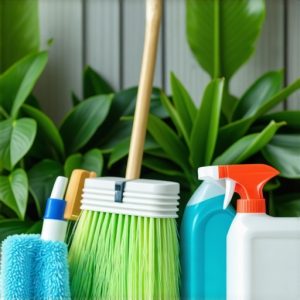
Opt for eco-friendly, biodegradable cleaning supplies that won’t compromise your health or environment. Microfiber cloths are excellent for trapping fine particles without the need for chemical cleaners. When working with sensitive areas, test a small patch first to ensure materials aren’t damaged. For powerful suction capable of handling construction debris, consider using a backpack vacuum designed for heavy-duty cleaning, which makes the process more efficient.
Master the Art of Wet Dusting
Dry dusting just disperses particles into the air, making your job harder. Instead, use damp microfiber cloths to wipe down surfaces—this traps dust and prevents it from resettling. I vividly recall wiping down a newly painted wall; a quick damp cloth removed residual dust, leaving it spotless and free of streaks. This technique significantly improves air quality and is a cornerstone of eco-friendly cleaning.
Sanitize with Sustainable Solutions
After dust removal, sanitize surfaces using eco-conscious disinfectants like vinegar or tea tree oil solutions. These natural agents are effective against bacteria and viruses without introducing harmful chemicals. For instance, I mixed white vinegar with water in a spray bottle and applied it to kitchen counters and door knobs, ensuring a safe environment for my family. For a more comprehensive approach, explore [eco-friendly post-construction sanitization secrets](https://sparklehomeclean.com/eco-conscious-post-construction-sanitization-secrets) which provide tailored green techniques.
Focus on Air Quality Improvements
Use HEPA air purifiers during and after cleaning to capture remaining airborne particles. Temporarily sealing windows and vents minimizes dust circulation. I set up a purifier in my main living area during my cleanup, which noticeably reduced dust in the air and made breathing easier. Remember, maintaining good ventilation aids in quicker dust clearance and promotes healthier indoor air. For advanced tips on eco-aware air quality management, explore [green house cleaning tips](https://sparklehomeclean.com/green-house-cleaning-tips-for-a-safer-environment).
Repeat and Maintain
Since post-construction dust can resettle, regular cleaning sessions are essential. Schedule bi-weekly deep cleans and monitor areas prone to dust accumulation. I found that keeping a dedicated microfiber cloth nearby encouraged quick touch-ups, preventing dust from building up again. This ongoing habit ensures your home remains safe and clean, long after the initial cleanup. For sustainable routines tailored to your space, consider reviewing [sustainable cleaning methods for a healthy living space](https://sparklehomeclean.com/sustainable-cleaning-methods-for-a-healthy-living-space).Many assume that switching to eco-friendly cleaning products automatically guarantees a safe and effective post-construction cleanup, but in reality, there’s more nuance involved. A widespread misconception is that natural solutions are always gentler and less effective; however, without proper techniques, they can leave behind residues that compromise air quality and safety. For example, relying solely on vinegar or tea tree oils may not eliminate stubborn dust and pathogens from surfaces, especially in the aftermath of extensive renovations. Studies, like those referenced by the American Journal of Public Health, show that certain natural disinfectants require precise application methods to perform comparably to chemical solutions.
Another hidden nuance is the trap of believing that eco-friendly equals less time-consuming. In my experience, green cleaning often demands more attention to detail, especially when dealing with fine dust and debris from construction sites. Skipping proper techniques, such as wet dusting or using HEPA-filter vacuums, can result in dust resettling, negating the benefits of eco-conscious methods. Therefore, mastering advanced strategies—like combining eco-friendly solutions with targeted tools—is essential for effective sanitization.
A common myth is that post-construction cleaning can be a DIY task, but this can be a costly mistake. Without proper equipment and knowledge, you risk leaving behind hazardous particles that can affect your family’s health. For instance, oversights in air purification or neglecting contaminated surfaces may lead to respiratory issues down the line. To avoid these pitfalls, it’s advisable to consult expert techniques, such as those outlined in professional guides on eco-conscious post-construction sanitation. These resources emphasize thoroughness and leveraging green methods for maximum safety.
Have you ever fallen into this trap? Let me know in the comments. Remember, implementing an eco-friendly cleaning routine isn’t just about switching products—it’s about understanding the intricacies of proper application, equipment, and timing. By recognizing these nuances, you ensure your cleanup process is both truly sustainable and effective, safeguarding your home’s health for the long term.Maintaining a pristine, eco-friendly home after post-construction cleanup requires the right tools and consistent routines. I personally swear by a HEPA-filter vacuum, like the Dyson V11 Absolute, which effectively traps fine dust particles that standard vacuums might miss. Its advanced filtration system is essential because construction dust can be incredibly microscopic, and using a vacuum with HEPA filters ensures that airborne particles don’t re-enter your living space. Additionally, investing in a steam cleaner such as the McCulloch MC1275 enhances the sanitation process without relying on chemical disinfectants, aligning with sustainable practices. Regularly using a steam cleaner not only keeps surfaces hygienic but also helps in breaking down stubborn residues, reducing the need for harsh chemicals over time. To stay on top of your cleaning game, I recommend scheduling weekly deep cleans with these tools and adopting a maintenance checklist to prevent dust buildup. Prediction suggests that as green technology advances, we’ll see even more integrated cleaning devices with smart sensors that monitor air quality and automatically activate purification or cleaning modes, making long-term home maintenance effortless.
How do I maintain eco-friendly cleanliness routines over time?
Implementing simple habits, like air-drying laundry and avoiding disposable cleaning wipes, complements your toolkit and extends the lifespan of your equipment. Remember, the key to sustainable cleaning isn’t just about tools but also about establishing routines that prioritize indoor air quality and low environmental impact. For further insights into maintaining your eco-cleaning efforts, check out [eco-friendly house cleaning hacks](https://sparklehomeclean.com/eco-friendly-house-cleaning-hacks-for-a-greener-home). Don’t hesitate—try integrating a HEPA-filter vacuum into your routine this week and experience the difference it makes in improving your indoor air. Your home’s health depends on the tools you choose and your commitment to consistent upkeep! 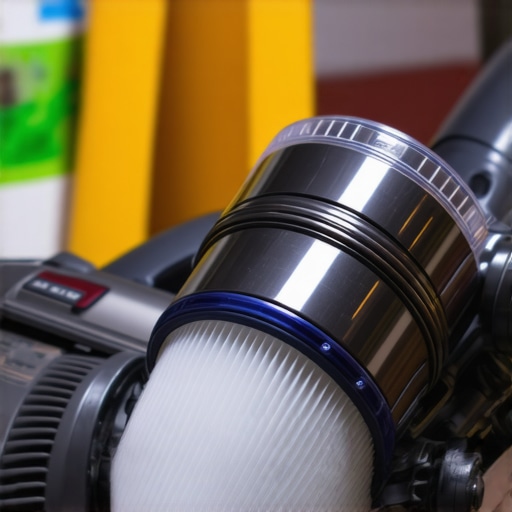
What I Wish I Knew When I Began Tackling Dust
The biggest lesson I learned is that patience is essential—eco-friendly methods take time and attention to detail but pay off in healthier, cleaner homes. I used to rush through cleaning, thinking eco solutions alone would do the trick. Now I know that thoroughness, especially in wet dusting and air purification, makes all the difference. Another insight is that integrating quality equipment, like HEPA-filter vacuums, isn’t an extravagance but a necessity—it’s truly the backbone of effective dust removal. Additionally, I realized that consistent maintenance routine, rather than a one-time effort, keeps post-construction dust at bay, creating a safer environment for my family. Lastly, understanding the science behind dust particles—how they linger and resettle—helped me be strategic in my cleaning approach, ensuring I didn’t just move dust around but actually eliminated it.
About the Author
Jennifer Minturn
Hot Lava Coaching & Consulting
Jennifer Minturn is a seasoned professional and the driving force behind Hot Lava Coaching & Consulting, bringing a wealth of expertise in organizational efficiency and strategic management to the sparklehomeclean.com team. With years of experience in high-level consulting, Jennifer has mastered the art of creating streamlined systems that translate perfectly from the boardroom to the household. Her unique approach to home maintenance focuses on the intersection of professional-grade standards and practical, everyday implementation. Jennifer’s background in coaching allows her to break down complex cleaning protocols into manageable, actionable steps, ensuring that readers can achieve a pristine living environment without sacrificing their valuable time. At sparklehomeclean.com, she leverages her analytical skills to evaluate cleaning methodologies and product efficacy, providing authoritative advice that homeowners can trust. Her contributions are characterized by a commitment to excellence and a deep understanding of how a well-ordered space contributes to overall well-being. Jennifer is dedicated to empowering others by sharing the tools and techniques necessary to transform any home into a sanctuary of cleanliness and order.
LinkedIn Profile