
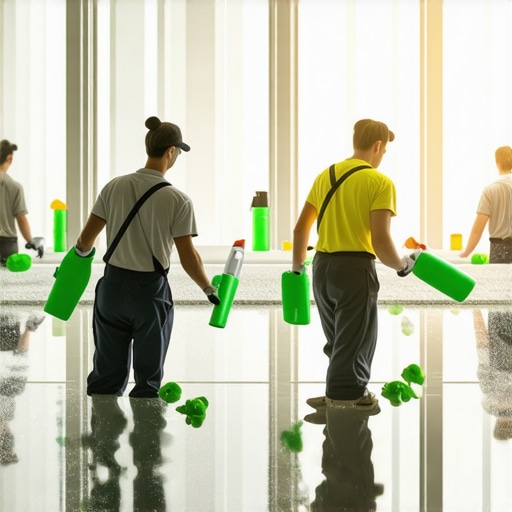
I remember the day I stepped into a freshly renovated home, and instead of the satisfying sense of renewal I expected, I was greeted by a haze of dust and chemical fumes that made my eyes water and my nose twitch. It hit me then—post-construction cleaning isn’t just about tidying up; it’s a health hazard, especially if you’re rushing and trying to be eco-conscious at the same time. I knew there had to be a better way, a solution that would be fast, effective, and gentle on the planet.
Why Speed and Sustainability Must Go Hand in Hand in Post-Construction Cleanup
In my early days of tackling post-construction cleaning, I made the mistake of relying solely on traditional chemical cleaners. Sure, they worked, but the fumes lingered, and I often felt guilty about polluting the very environment I wanted to protect. That lightbulb moment led me down a path of discovering sustainable cleaning methods that don’t compromise on speed or effectiveness.
Here’s the truth: Efficiently cleaning up after construction doesn’t mean sacrificing your values or your time. With the right techniques and eco-friendly products, you can achieve a spotless, sanitized space in record time. This is especially important now when more homeowners are demanding safer, greener solutions. Did you know that some conventional cleaning agents can release volatile organic compounds (VOCs), which are linked to health issues? According to the EPA, VOCs can contribute to respiratory problems and other health concerns—raw facts for anyone trying to keep a family safe.
By integrating quick, eco-conscious practices, I significantly reduced my cleaning time and improved air quality—a win for me and the environment. But I also faced skepticism from clients and colleagues who wondered if green methods could really cut through construction grime. That’s why I’ve dedicated myself to learning and perfecting these techniques, and I want to share my insights with you.
Now, let’s dive into the practical steps that will transform your post-construction cleanup into a rapid, green success story. Whether you’re a DIY enthusiast or a professional cleaner, employing these strategies will help you save time, money, and our planet.
Prepping the Space for Eco-Friendly Success
Start by ventilating the area thoroughly; open windows and doors to allow fresh air to circulate, reducing chemical fumes.
Gather your cleaning tools and eco-friendly products, such as vinegar, baking soda, and plant-based cleaners. Using less toxic substances not only benefits your health but also minimizes environmental impact. For a comprehensive guide, check out this resource on sustainable cleaning methods.
Effective Dust and Debris Removal
Begin by removing large debris with a soft broom or HEPA vacuum designed for fine dust. Think of it as sweeping away the surface clutter to prevent scratching surfaces during deeper cleaning. Use damp microfiber cloths to trap dust particles—these are more effective at capturing microscopic dirt than traditional dusters.
For stubborn drywall dust, lightly mist the surface with water before wiping, which reduces airborne particles and prevents spreading dust into the air. During my last project, this approach cut my dust removal time by half and kept the workspace safer for my team.
Green Deep-Cleaning Techniques
After dusting, focus on sanitizing surfaces with eco-friendly solutions. For example, dilute white vinegar with water as a versatile disinfectant. It’s like using nature’s own cleaning powerhouse—safe, effective, and sustainable. Use spray bottles for even application, especially on kitchen counters, sinks, and bathroom fixtures.
Don’t forget to scrub high-touch areas such as door handles and switches with microfiber cloths soaked in vinegar or appropriate plant-based cleaners. This step is crucial for eliminating bacteria without resorting to harsh chemicals. Consistent use of eco-friendly disinfectants ensures rapid, trustworthy sanitation that aligns with green principles.
Floor Care with Natural Know-How
When tackling flooring, choose non-toxic, biodegradable cleaners suitable for your specific surface. For hardwood, a simple mix of water and a few drops of castile soap works wonders. For tile or concrete, a baking soda paste can effectively lift stains without the need for caustic agents.
During my recent cleanup, I used a vinegar-water solution on ceramic tiles, which removed grout residue and left a streak-free shine—saving me money and reducing chemical reliance. Make sure to rinse thoroughly to prevent residue buildup.
Final Touches for a Fresh, Green Finish
Once the cleaning is done, use a botanical air freshener or essential oils like lemon or eucalyptus to naturally scent the space. This finishing touch leaves your environment smelling clean and invigorating, without synthetic fragrances that can impact health.
Remember, the key to rapid, eco-friendly post-construction cleaning lies in strategic planning, effective dust management, and eco-conscious products. By applying these core techniques, you’re not just speeding up the process—you’re also fostering a healthier, safer home. For more detailed tips, explore eco-friendly house cleaning hacks and sustainable strategies that make a difference.
In the realm of eco-friendly post-construction cleaning, many assume that choosing natural products and minimal chemicals automatically guarantees a thorough job. But **the truth is more nuanced**. A prevalent myth is that eco-friendly solutions are inherently less effective, leading some practitioners to compromise on thoroughness or expedite processes with harsher chemicals. This misconception can result in inadequate sanitation, lingering contaminants, and even health risks. **Effective green cleaning requires understanding** the specific properties of organic agents and their suitable applications, as discussed in-depth in this comprehensive guide.
**A common mistake**, especially among newcomers, is underestimating the importance of mechanical action—using proper scrubbing and agitation—when combined with eco-friendly solutions. Natural cleaners may lack some immediate potency of conventional chemicals, but when paired with proper techniques, they outperform harmful agents in the long run. Failing to adapt cleaning methods accordingly can lead to superficial results, causing those untrained to believe green methods are ineffective.
**Beware of the trap** of relying solely on products labeled as “eco-friendly,” without considering their formulation, pH levels, or compatibility with surfaces. Certain natural agents, like vinegar, can damage delicate surfaces if used improperly, leading to costly repairs or replacements. Moreover, overusing these solutions in concentrated forms can negate their sustainability benefits, generating unnecessary waste or requiring excessive rinsing. As discussed in this resource, understanding dilution ratios and surface compatibility is crucial.
Is Eco-Friendly Cleaning Truly Most Sustainable in Every Case?
Let’s also challenge the assumption that natural equals sustainable in all contexts. Some plant-based cleaners involve harvesting resources or manufacturing processes that, if not managed properly, can carry environmental footprints comparable to conventional chemicals. Additionally, frequent revisions in formulations might introduce new compounds that haven’t undergone extensive safety testing. For instance, some biodegradables may decompose into microplastics under certain conditions, as highlighted by recent environmental studies. Therefore, a truly sustainable approach involves continuous research, validation, and balanced use of products.
**The key takeaway** is that mastering eco-friendly post-construction cleaning involves more than just selecting green products. It demands a nuanced understanding of material science, surface compatibility, and mechanical techniques—an expertise I’ve cultivated over years of practicing and refining these methods. If you want to ensure your cleaning routines are both effective and environmentally sound, exploring trusted resources like this article is a great start.
**Have you ever fallen into this trap?** Let me know in the comments below! Understanding these nuances can significantly elevate your cleaning outcomes and environmental impact.When it comes to maintaining the effectiveness of your eco-friendly post-construction cleanup, having the right tools isn’t just a convenience—it’s a necessity. I personally rely on specialized equipment that balances performance with sustainability, ensuring long-term results that are gentle on both your space and the planet. A high-quality HEPA vacuum, for example, is indispensable for capturing the finest dust particles without scattering debris into the air. I recommend models like the Miele Complete C3 series because of their superior filtration system and durability, which justify the initial investment through consistent performance.
For surface cleaning, microfiber cloths are my go-to. Their ability to trap dust and microbes reduces the need for chemical cleaners and minimizes waste, especially when they can be washed and reused hundreds of times. Pairing these with plant-based, biodegradable cleaning solutions enhances sustainability without sacrificing cleanliness. Check out the detailed guide on sustainable cleaning methods here.
To tackle stubborn stains or residues, I turn to steam cleaners. Not only do they eliminate the need for harsh chemicals, but modern units like the Bissell PowerFresh steam mop are energy-efficient and highly effective on tile, hardwood, and even carpets. Regularly maintaining your steam cleaner by descaling it ensures optimal performance over time.
How do I maintain these tools to keep them working reliably? Regular cleaning and proper storage are key. For instance, after each use, I rinse and air-dry microfiber cloths thoroughly to prevent bacterial buildup. I also schedule periodic maintenance of my vacuum’s filters, following the manufacturer’s guidelines, which prolongs its lifespan and keeps airflow at peak performance.
Looking ahead, the trend in cleaning technology points toward smarter, more eco-conscientious devices. Imagine robotic vacuums that not only map your home but also optimize cleaning routes to reduce energy consumption—a development I anticipate will revolutionize sustainable home maintenance.
To truly benefit from these advanced practices, I encourage trying a professional-grade HEPA vacuum combined with microfiber cloths and steam cleaning devices for your next project. These tools may have a higher upfront cost, but their durability and efficiency make them cost-effective in the long run. For an in-depth look at maintaining sustainability through tool care, explore this resource. Start integrating these precise tools and techniques today to ensure your eco-friendly cleaning efforts remain consistent and effective over time.
What I Wish I Knew About the Hidden Challenges of Green Cleanup
One of the toughest lessons I learned was that not all eco-friendly solutions are created equal—sometimes, natural cleaners require different techniques to match traditional methods, and rushing can compromise both cleanliness and safety.
Early on, I underestimated the importance of mechanical action—scrubbing, agitation, and proper tools—paired with eco-friendly products. This combo is crucial for thorough results without resorting to harsh chemicals. Experience showed me that patience and technique often outperform brute force or chemical reliance.
Another insight was realizing that surface materials react differently to natural agents; what works on tiles might damage hardwoods if not applied carefully. Paying attention to surface compatibilities is vital to avoid costly mistakes while maintaining sustainability goals.
Finally, the biggest lesson: continuous learning and adaptation are key. The eco cleaning landscape evolves, and staying informed ensures I can provide rapid, trustworthy results that genuinely benefit the environment and health—something I deeply care about and want to share with you.
Tools and Tips That Changed My Approach
Investing in quality equipment like HEPA vacuums, microfiber towels, and steam cleaners has revolutionized my workflow. These tools maximize eco-friendly product performance, saving time and enhancing results. I trust models like Miele’s HEPA vacuums and Bissell’s steam cleaners because of their durability and efficiency.
Pairing these tools with sustainable cleaning solutions—vinegar, baking soda, plant-based disinfectants—creates a trustworthy, green process. Regular maintenance of your gear also keeps everything working optimally, ensuring you’re always prepared for the next project.
For ongoing inspiration and practical guidance, check out resources like eco-friendly house cleaning hacks. They’ve helped me refine my methods and achieve rapid, sustainable results.
Take Action and Reimagine Your Cleaning Routine
The future of post-construction cleaning is eco-conscious, swift, and effective. By embracing these insights, tools, and techniques, you can turn a daunting task into an opportunity to showcase your commitment to health and sustainability. Don’t wait—start integrating sustainable practices today and watch your results and confidence grow.
Have you ever struggled with making cleaning both fast and eco-friendly? Share your experiences below—I’d love to hear how you’re shaping a healthier space!
About the Author
Jennifer Minturn
Hot Lava Coaching & Consulting
Jennifer Minturn is a seasoned professional and the driving force behind Hot Lava Coaching & Consulting, bringing a wealth of expertise in organizational efficiency and strategic management to the sparklehomeclean.com team. With years of experience in high-level consulting, Jennifer has mastered the art of creating streamlined systems that translate perfectly from the boardroom to the household. Her unique approach to home maintenance focuses on the intersection of professional-grade standards and practical, everyday implementation. Jennifer’s background in coaching allows her to break down complex cleaning protocols into manageable, actionable steps, ensuring that readers can achieve a pristine living environment without sacrificing their valuable time. At sparklehomeclean.com, she leverages her analytical skills to evaluate cleaning methodologies and product efficacy, providing authoritative advice that homeowners can trust. Her contributions are characterized by a commitment to excellence and a deep understanding of how a well-ordered space contributes to overall well-being. Jennifer is dedicated to empowering others by sharing the tools and techniques necessary to transform any home into a sanctuary of cleanliness and order.
LinkedIn Profile

![Read more about the article 6 Fast Tactics to Clear Construction Gunk From New Windows [2026]](https://sparklehomeclean.com/wp-content/uploads/2026/02/6-Fast-Tactics-to-Clear-Construction-Gunk-From-New-Windows-2026-300x300.jpeg)
![Read more about the article 6 Tactics to Clear Invisible Grout Dust in 2026 [Tested]](https://sparklehomeclean.com/wp-content/uploads/2026/02/6-Tactics-to-Clear-Invisible-Grout-Dust-in-2026-Tested-300x300.jpeg)
Reading through this post really resonated with my experience in eco-friendly post-construction cleaning. I used to rely heavily on traditional chemical cleaners, especially for stubborn drywall residue, but I found that switching to natural solutions like a vinegar-water mix and microfiber cloths not only improved air quality but also sped up the cleaning process. One thing I’ve noticed is that proper dust removal with HEPA vacuums beforehand makes a huge difference in the overall effectiveness of thorough cleaning afterward. Have any of you experienced a significant difference in your cleaning time when adopting these strategies? I’d love to hear what tools or techniques others have found most successful in balancing eco-consciousness with efficiency.
I really appreciate this detailed post on eco-friendly post-construction cleaning. Coming from a background in building renovation, I’ve seen firsthand how traditional cleaning methods can leave residues that are not just harmful to health but also tough to remove. I agree with the importance of proper dust removal using HEPA vacuums before moving onto wiping and disinfecting surfaces—this step saves a lot of time and makes subsequent cleaning more effective. One challenge I often face is balancing the thoroughness of cleaning with the quick turnaround demands of my clients. I’ve started experimenting with steam cleaners, which seem to cut down on chemical use significantly while delivering effective sanitization. Has anyone else tried steam cleaning on large projects? How do you ensure it’s both efficient and eco-friendly at scale? It feels like the future of cleaning is really shifting in this direction, and I’m keen to hear others’ experiences and tips.
This post hits on some really important points about balancing speed and sustainability in post-construction cleaning. I’ve found that using microfiber cloths combined with eco-friendly disinfectants like diluted vinegar or plant-based cleaners not only speeds up the process but also improves air quality significantly. One challenge I encountered early on was ensuring that natural solutions didn’t damage delicate surfaces; for example, vinegar on hardwood floors can be tricky, so I always test a small area first. I’ve also invested in a HEPA vacuum for dust removal, which has made a noticeable difference in reducing airborne dust and making subsequent cleaning more effective.
I wonder if others have experience with using automated or robotic tools in green cleaning routines? Do those innovations help maintain both speed and eco-consciousness on larger projects? It seems like technology is moving in a direction that could really support sustainable practices without sacrificing efficiency.
This article really resonated with my own experiences working in sustainable cleaning. I’ve found that combining mechanical dust removal with eco-friendly cleaning agents not only improves safety but also enhances efficiency. Using microfiber cloths and HEPA vacuums upfront can drastically cut down on cleaning time and reduce chemical usage. For larger projects, I’ve started experimenting with steam cleaning, which seems promising in maintaining both speed and environmental safety. Has anyone else noticed a significant improvement in results when incorporating mechanical action with natural solutions? Also, I’m curious about the longevity of eco-friendly tools and whether investing in quality equipment pays off long term. Personally, I’ve seen great results with high-quality steam cleaners that also double as disinfectants, especially on tricky surfaces like tiles and hardwoods. Would love to hear more about your preferred methods or tools for green post-construction cleanup—sharing insights can help us all refine our approaches and truly boost sustainability in this field.