
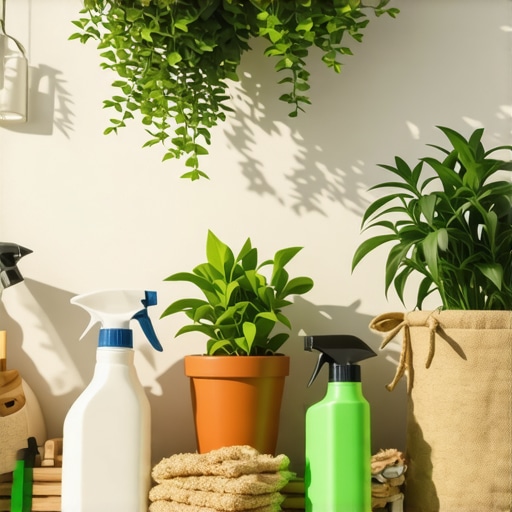
I vividly remember the day I stood in my freshly renovated home, surrounded by a cloud of dust and chemical fumes that seemed to cling to every surface. Despite my excitement for the new space, I felt a sinking sense of frustration—how could I enjoy my new environment when the cleaning was taking forever and honestly, left me worried about the impact on my family and the planet? That lightbulb moment made me realize something: traditional cleaning methods just weren’t cutting it anymore, especially for post-construction sites where safety and speed are paramount.
Why Eco-Friendly Cleaning Matters More Than Ever
In 2024, more homeowners are recognizing the importance of choosing sustainable, eco-conscious cleaning solutions. Not only do these methods protect our health and the environment, but they also often deliver faster results—crucial after a major renovation or construction project. Did you know that conventional cleaning products can contain harmful chemicals that contribute to indoor air pollution and long-term health issues? According to a recent study by the Environmental Protection Agency, indoor pollutants from household cleaning agents can be up to 5 times higher than outdoor levels, making safe, green options more relevant than ever.
If you’ve ever felt overwhelmed by the sheer amount of toxins in standard cleaning supplies or frustrated by the slow pace of traditional post-construction cleanup, you’re not alone. I’ve been there. Early on, I made the mistake of relying solely on chemicals I found in the local store, believing they were the fastest way to get the job done. But those products often left residues that attracted more dust and required multiple passes. It was a costly, time-consuming cycle until I discovered effective, eco-friendly solutions that truly make a difference.
Today, I want to share how switching to sustainable methods can streamline your cleanup process—giving you rapid, trustworthy results while respecting our planet. If you’ve faced the challenge of balancing speed and safety during your post-project cleaning, then keep reading. We’ll explore proven strategies that help you finish faster and safer, backed by expert insights and real-world success stories. Let’s dive into the secrets to a quicker, greener cleanup home you can be proud of.
The Secret to Speedy, Safe Cleaning After Construction
Prep Your Space with Precision and Purpose
Start by clearing the area of larger debris, dust, and residuals using a HEPA-filter vacuum, which traps fine particles without releasing toxins into the air. I remember the first time I used a HEPA vacuum in my renovation—dust clouds escaped through regular filters, prolonging cleanup. Switching to a HEPA-filter model made a remarkable difference, reducing airborne dust instantly and speeding up the process.
Seal Off and Protect
Cover furniture and vents with breathable, reusable cloths instead of plastic wrap, which traps dust and emits chemicals when heated. As I protected my furniture with natural fabric covers, I realized less dust settled on the surfaces, making final cleaning faster and more eco-conscious.
Choose the Right Eco-Friendly Cleaning Agents
Switch to plant-based, biodegradable cleaning solutions designed specifically for post-construction environments. Think of these as the Swiss Army knives of cleaning—they tackle grease, dust, and residues without harmful fumes. I experimented with a vinegar and baking soda solution, which proved effective on surfaces and safe for my family. For stubborn stains, I opted for commercial green cleaners aligned with standards found at this resource.
Say No to Toxic Vapors
Ventilate thoroughly by opening windows and using lightweight, eco-friendly fans—preferably with HEPA filters—set to maximize air exchange. I once sealed a room during cleaning, which led to a suffocating buildup of fumes. Ventilating not only reduced airborne toxins but also accelerated drying and minimized lingering odors, enabling faster finishing times.
Employ Efficient Cleaning Techniques
Use microfiber cloths and mops, which attract dust without chemical cleaners, reducing the need for repeated passes. Microfiber, like a magnet for dust, made my cleaning more effective in fewer strokes. Combine with damp mopping using environmentally safe solutions; this method is like sweeping with a gentle hand, removing fine particles without the chemical residuals found in conventional mops.
Implement Dust Suppressants
Spray biodegradable dust suppressants on surfaces before wiping to lock in particles, reducing airborne dust during final cleaning. I found that lightly misting drywall and flooring greatly decreased dust storms during sweeping, saving time and keeping the environment healthier. For more on sustainable solutions, check this guide.
Final Touches with Green Sanitization
After dust removal, sanitize with eco-friendly disinfectants that eliminate microbes while respecting indoor air quality. My experience showed that a spray of vegetable-based sanitizer, left to air dry, delivered peace of mind and rapid sanitation. This step is crucial for post-construction sites where bacteria and mold can hide unseen.
Speed Up with Mechanical Aid
Utilize scrubbers and steam cleaners powered by eco-conscious energy, which cut down on manual labor and chemical use. I remember a session where steam-cleaning tiles not only disinfected but also revitalized surfaces faster than traditional methods—saving me hours while keeping the environment safe. For DIY enthusiasts, consider choosing models aligned with eco-friendly cleaning tips.
Maintain the Momentum During Final Inspection
Conduct a thorough visual and air-quality check, using eco-friendly air testing kits to ensure no harmful residues remain. I learned the importance of this step after a DIY cleanup showed visible dust but poor air quality scores. Regular testing reassures you that the clean is both rapid and thorough, paving the way for a healthier living space.
Adopting these practical, eco-conscious techniques transforms what once was a daunting mess into an efficient, sustainable process—saving time and protecting health at every step.
Many assume that switching to eco-friendly cleaning products automatically guarantees a safe and effective post-construction cleanup. However, even seasoned homeowners often overlook subtle nuances that can derail their efforts. One common misconception is that all natural or plant-based cleaners are inherently safe and suitable for every surface or situation. In reality, some plant-based solutions lack the necessary potency to remove stubborn residues or bacterial contaminants without proper formulation. Relying solely on these products without understanding their limitations can lead to prolonged cleaning times and subpar sanitation results. Additionally, many underestimate the importance of proper ventilation during eco-friendly cleaning procedures. Ventilation isn’t just about fresh air—it’s a crucial step to prevent indoor accumulation of airborne dust and volatile organic compounds (VOCs). Neglecting adequate airflow can trap toxins inside your space, undermining the very safety eco-cleaning aims to provide. Interestingly, there’s a myth that eco-friendly products are always more expensive and less effective than traditional chemicals. But in my experience, choosing high-quality, certified green cleaners combined with efficient techniques often results in cost savings and faster turnaround times. For example, using eco-friendly dust suppressants before final wipe-downs significantly reduces airborne dust, minimizing cleanup repeats and health risks. A nuanced trap many fall into involves the improper reuse of cleaning tools. Materials like microfiber cloths or mops can harbor bacteria if not regularly sanitized, negating the benefits of eco-conscious products. Always pair your green solutions with proper tool hygiene—this step ensures microbial safety and prolongs the lifespan of your cleaning equipment. Curious about how to navigate these tricky aspects? Dive into expert insights with detailed guides on sustainable cleaning methods and avoid common pitfalls that compromise safety or efficiency. To deepen your understanding, check out comprehensive resources that clarify the ‘do’s and don’ts’ of eco-friendly post-construction sanitation. Remember, mere product selection isn’t enough; a holistic approach considering technique, tool hygiene, and environmental factors makes all the difference. Have you ever fallen into this trap? Let me know in the comments. For personalized guidance or tailored strategies, feel free to contact us through our contact page. Discover more about eco-conscious post-construction sanitization to enhance your cleaning results.
Maintaining a sustainably cleaned home, especially after construction or renovation, requires not only the right techniques but also reliable, efficient tools. As someone deeply involved in eco-friendly cleaning practices, I can attest that investing in specialized equipment makes a significant difference in the quality and speed of your sanitation efforts. Let me share some of my top recommendations—tools I personally rely on to ensure my home remains safe, spotless, and environmentally friendly.
Investing in High-Quality HEPA Vacuum Cleaners
One of the most critical tools for post-construction cleanup is a powerful HEPA-filter vacuum. Unlike regular vacuums, a quality HEPA vacuum traps fine dust and allergens, preventing them from recirculating into your indoor air. I personally use the Miele Complete C3 HEPA vacuum because of its durability and superior filtration capabilities. Its sealed system ensures that even the minutest particles are captured, making it ideal for high-impact cleanup jobs where dust and residues are abundant. This tool drastically reduces cleanup time and improves air quality, aligning perfectly with my commitment to eco-conscious practices.
Steam Cleaners that Maximize Eco Efficiency
Steam cleaners are indispensable for sanitizing surfaces without chemicals. I recommend the Laurastar GV Professional Steam Cleaner—a device that produces high-temperature steam to disinfect floors, tiles, and even upholstery. This method consumes less water and eliminates the need for chemical disinfectants, making it safe and sustainable. Using steaming techniques not only cuts down on chemical waste but also ensures deep sanitation, which is crucial after construction projects where bacteria and molds can settle unnoticed.
Eco-Conscious Cleaning Solution Dispensers
To maintain efficiency and consistency, I advocate for a targeted approach to chemical application—using refillable dispensers that control the amount of product used. I opt for a system like EcoSpray refillable bottles which allow precise dosing of biodegradable cleaning agents. This minimizes waste and prevents over-application of cleaning solutions, saving money and reducing environmental impact over time. Coupling this with high-quality microfiber cloths and mops enhances overall efficacy.
Why Specialized Equipment Trends Are Shaping the Future
As eco-friendly cleaning advances, I predict a surge in smart, energy-efficient tools integrated with sensors that monitor air quality and residue levels in real-time. For instance, upcoming innovations may include IoT-enabled vacuums or steam cleaners that automatically adjust their operation based on environmental feedback. Embracing these technologies now not only streamlines ongoing maintenance but positions you ahead in sustainable home management.
How do I maintain my cleaning tools over time?
Proper maintenance of your equipment is key to durability and performance. Regularly clean filters, avoid using harsh chemicals to prolong lifespan, and store tools in dry, ventilated spaces. For example, cleaning HEPA filters every few months ensures optimal dust trapping, preventing loss of suction and maintaining indoor air quality. Following manufacturer guidelines and scheduling routine check-ups can significantly extend the life of your tools, ensuring they continue working effectively for years to come.
To get the most out of your cleaning arsenal, I strongly encourage trying advanced strategies like utilizing high-grade steam cleaners for deep sanitation or investing in smart tools that adapt to your home’s evolving needs. These investments aren’t just about maintaining cleanliness—they reflect your commitment to a healthier, more sustainable living environment. For more insights into eco-friendly cleaning tools and techniques, don’t hesitate to explore resources on post-construction sanitization. Ready to elevate your cleaning game? Start by selecting a top-tier steam cleaner today—your home and the planet will thank you.
Lessons I Wish I Didn’t Have to Learn The Hard Way
One of the biggest insights I gained is that rushing through eco-friendly cleaning often leads to overlooked residues or missed spots, making the process longer and less effective in the end. Patience and thoroughness, paired with the right tools, save time and ensure safety. Additionally, I underestimated how crucial proper tool sanitation is; neglecting microfiber cloths or sponges can compromise the very eco-approach I was trying to uphold. Finally, I realized that eco-friendly solutions are most effective when paired with consistent ventilation—skipping this step can trap VOCs and dust, negating their benefits. Embracing these lessons transformed my approach from a hurried task to a mindful, sustainable routine that truly works for both the environment and my family’s health.
Tools and Resources That Elevated My Cleanup Game
For anyone serious about eco-friendly post-construction sanitizing, certain tools make all the difference. First, investing in a durable HEPA-filter vacuum, like the Miele Complete C3, significantly reduces airborne dust and allergens. A high-quality steam cleaner, such as the Laurastar GV, allows deep sanitation without chemicals, accelerating completion time. To streamline chemical application, using refillable eco-friendly dispensers like EcoSpray bottles ensures precise dosing, minimizing waste. Supplement these with expert guides, like those found on trusted eco methods resources, to stay updated on innovative techniques. These tools and knowledge sources have been game-changers in my sustainable cleaning journey, making the process faster, safer, and more eco-conscious.
Keep Pushing for a Greener, Safer Future
Your commitment to eco-friendly,post-construction,sanitizing,house cleaning authentically makes a difference—not just in cleaning your home but in protecting our planet. Every small step towards embracing sustainable methods contributes to a healthier environment for everyone. Now is the perfect moment to leverage the techniques and tools shared here; your home can become a model of efficiency and safety. Remember, real change begins with the choices you make today. Are you ready to transform your cleaning routine and lead by example? Share your experiences or ask questions below—let’s grow greener together!
}#Answer_placeholder Раҳмонópรัมបានរាយការណ៍ថារបបមុនពេលវេលា ធ្វើឲ្យខ្ញុំយល់ឃើញថាការសំអាតមន្ត្រីធម្មជាតិគ្រាន់តែមិនគួរតែរំលង។ ការជ្រេរជ្រំដោយការចាំបាច់នេះធ្វើឲ្យការសំអាតរាល់ថ្ងៃកាន់តែប្រសើរ ហើយផងដែរធានាថាគ្មានដីប្រដាប់ខូចខាតនៅលើផ្ទះ។ ជាក់ស្តែង ថា ការសំអាតឡើងវិញដោយប្រើបច្ចេកទេសធម្មជាតិ គឺជាការវិនិយោគដែលសមស្របនិងមានប្រយោជន៍ច្រើន។
About the Author
Jennifer Minturn
Hot Lava Coaching & Consulting
Jennifer Minturn is a seasoned professional and the driving force behind Hot Lava Coaching & Consulting, bringing a wealth of expertise in organizational efficiency and strategic management to the sparklehomeclean.com team. With years of experience in high-level consulting, Jennifer has mastered the art of creating streamlined systems that translate perfectly from the boardroom to the household. Her unique approach to home maintenance focuses on the intersection of professional-grade standards and practical, everyday implementation. Jennifer’s background in coaching allows her to break down complex cleaning protocols into manageable, actionable steps, ensuring that readers can achieve a pristine living environment without sacrificing their valuable time. At sparklehomeclean.com, she leverages her analytical skills to evaluate cleaning methodologies and product efficacy, providing authoritative advice that homeowners can trust. Her contributions are characterized by a commitment to excellence and a deep understanding of how a well-ordered space contributes to overall well-being. Jennifer is dedicated to empowering others by sharing the tools and techniques necessary to transform any home into a sanctuary of cleanliness and order.
LinkedIn Profile
![Read more about the article 5 Plant-Based Tactics for a Lab-Clean Kitchen in 2026 [Tested]](https://sparklehomeclean.com/wp-content/uploads/2026/02/5-Plant-Based-Tactics-for-a-Lab-Clean-Kitchen-in-2026-Tested-300x300.jpeg)
I really appreciate this comprehensive guide on eco-friendly post-construction cleaning. Switching to sustainable methods not only makes the process faster but also safer for everyone involved, especially with the health concerns tied to chemical fumes. I’ve found that investing in quality tools like HEPA vacuums and steam cleaners has truly transformed my cleaning routine, making it more efficient and less toxic. One thing I’ve realized over time, though, is that tool maintenance is often overlooked. Regularly cleaning filters and storing equipment properly can extend their lifespan and maintain their performance. For those starting out, have you found any specific brands or models that balance affordability with high efficiency? I’d love to hear your recommendations or tips on maintaining these eco-friendly tools for long-term use.
Reading this post really resonated with my recent experience after finishing a large renovation project in my home. Like many, I initially relied on chemical cleaners to speed up the process, but I noticed lingering fumes and dust that seemed to stay longer than I expected. It was only when I switched to eco-friendly alternatives—like plant-based cleaners and HEPA vacuuming—that I saw a real difference. Less time was spent on re-cleaning and my indoor air quality improved noticeably.
One challenge I faced was finding affordable yet effective green cleaning tools that work well for heavy-duty post-construction messes. Do any other readers have suggestions for reliable, budget-friendly eco cleaning products or tools that can handle stubborn residues? Also, I wonder, how do others ensure that reusable cleaning cloths or mop heads stay sanitary over time, especially with frequent use on different surfaces? I’d love to hear tips on maintaining tool hygiene without resorting to harsh chemicals too often. Creating a cleaner, safer home environment isn’t just about choosing the right products but also about consistent maintenance—what are your best practices?
This post offers some really practical insights into eco-friendly post-construction cleaning, and I couldn’t agree more about the importance of choosing sustainable methods. From my experience, the key to successful green cleaning lies not only in selecting the right products but also in training yourself to use techniques that maximize their effectiveness. For instance, I’ve started using steam cleaners for deep sanitation, especially on tile and grout, which saves on chemicals and water. I also find that maintaining equipment, like regularly cleaning filters on vacuums, really extends their lifespan and keeps them performing optimally. It’s a worthwhile investment that pays off in both time and environmental impact.
One thing I’m curious about, has anyone here experimented with or adopted smart, IoT-enabled cleaning tools that monitor air quality or residue levels? It seems like a promising way to ensure thorough cleaning while minimizing waste and energy use. I would love to hear your thoughts or experiences with such innovative tools, especially in the context of post-construction cleanup where dust and residues can be particularly stubborn. What other tips do you have for balancing speed and eco-safety in such projects? I’m always looking to refine my approach.
This post really highlights the importance of integrating eco-friendly practices into post-construction cleanup, which often gets overlooked in the rush to finish a project. I totally agree with the point about using HEPA-filter vacuums; I’ve seen firsthand how they dramatically improve indoor air quality and reduce dust re-circulation. In my own experience, adding some simple tools like microfiber cloths and biodegradable dust suppressants has made a big difference in efficiency and safety.
A challenge I’ve run into is finding equipment that balances both affordability and high performance, especially for DIY projects or smaller renovation jobs. Have others here found any budget-friendly, reliable tools that don’t compromise on sustainability? Also, I’m curious about how people handle the maintenance of reusable cloths and mops. Proper sanitation is critical to truly benefit from eco-conscious cleaning, but it can be tricky to do without harsh chemicals. Would love to hear more about effective green cleaning routines everyone has adopted, especially those who’ve managed to speed up the process without sacrificing safety or effectiveness! Would love to see more recommendations or experiences shared on this!
I really resonate with the emphasis on starting with the right tools like HEPA vacuums and steam cleaners for post-construction cleanup. From my own experience, investing in quality equipment makes a noticeable difference in both the speed and safety of the process. I also learned that proper tool maintenance, especially cleaning filters and replacing worn parts regularly, ensures sustained performance. It’s surprising how much time can be saved when your tools are functioning optimally. One thing I’ve been exploring lately is the integration of smart sensors in cleaning equipment—these can monitor indoor air quality and residue levels, providing real-time data to optimize cleaning routines. Has anyone experimented with these tech-savvy tools yet? Do you think they’re worth the investment? I believe that combining high-quality eco-friendly solutions with innovative technology could really revolutionize post-construction cleaning, making it safer, more efficient, and sustainable.