I remember the day I realized my usual cleaning routine wasn’t just ineffective but potentially harmful. After a messy post-renovation weekend, I was eager to get my home spotless—fast. But the strong chemical cleaners I relied on left me coughing and overwhelmed, not to mention uncertain about the toxins lingering in my space. That lightbulb moment pushed me to explore eco-friendly house cleaning methods that deliver **quick, trusted results** without compromising my family’s health.
Why Eco-Friendly Cleaning Matters More Than Ever
In recent years, awareness about the environmental and health impacts of traditional cleaning products has skyrocketed. Many conventional cleaners contain hazardous chemicals that can contribute to respiratory issues, allergies, and even long-term health problems. Plus, after major projects like construction or remodeling, the debris and residues require thorough sanitization—fast. That’s where eco-friendly options step in, promoting sustainable practices that are safe for both your family and the planet.
Is Eco-Friendly House Cleaning Actually Worth the Hype?
Early on, I made the mistake of dismissing green cleaning as just a passing trend. I believed conventional products worked faster and were more powerful. But I learned that many eco-friendly solutions are not only effective but also faster in delivering results—especially when you use the right strategies and products. If you’re skeptical, you’re not alone. Today, I’ll share the practical techniques I’ve adopted that prove eco-friendly cleaning can be both quick and reliable. Curious if it’s right for your home? Check out [sustainable cleaning methods for a healthy living space](https://sparklehomeclean.com/sustainable-cleaning-methods-for-a-healthy-living-space) for more insights.
Kick Off with Decluttering and Dust Removal
Start by removing all debris, leftover materials, and clutter to create a clear workspace. I once faced a room piled high with drywall scraps and paint cans; tackling this mess first made the subsequent cleaning smoother and faster. Use a microfiber cloth or broom to trap dust instead of sweeping with a traditional broom, which can stir up particles. Think of it as sweeping leaves into a dustpan—controlled and efficient—rather than a gust of wind dispersing dust into the air. Clearing the space lays a solid foundation for effective cleaning and sanitizing.
Choose Eco-Friendly Cleaning Solutions for Sanitation
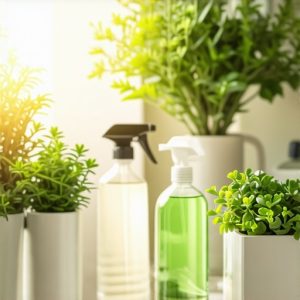
Switch from chemical cleaners to plant-based, biodegradable solutions. For example, a mixture of white vinegar and baking soda effectively handles grime and disinfects surfaces without harmful fumes. I mixed a homemade spray—equal parts vinegar and water—and tested it on a kitchen backsplash. It cut through stubborn stains and evaporated quickly, leaving no toxic residue. Use a spray bottle for even application, and avoid over-saturating surfaces, especially porous ones. This approach simplifies cleanup and ensures safety for inhabitants and pets alike.
Sanitize Carefully Post-Construction
Sanitization is crucial after renovation to eliminate bacteria, mold, or residual dust. I relied on eco-friendly disinfectants certified for sustainable use, which are often just dilute solutions of safe active ingredients. Apply these with microfiber cloths or mops, ensuring coverage of all surfaces. Consider using a steam cleaner for heavy-duty sanitizing, as it kills germs without chemicals, functioning as a natural disinfectant—akin to sterilizing vegetables with hot water. This method is especially advantageous for large floors or countertops, providing rapid, thorough sanitation.
Utilize Green Tools to Boost Efficiency
Equip yourself with reusable microfiber cloths, eco-friendly scrub brushes, and environmentally safe mops. These tools capture dust and microbes more effectively than disposable paper towels, reducing waste. I carry a small kit with washable cloths and a spray bottle, enabling quick touch-ups during cleanup. Think of it as having a toolbox ready for a DIY project—compact yet versatile. Regularly washing these tools in a machine with eco-friendly detergent ensures they remain effective and sustainable for multiple uses. Leveraging quality green tools accelerates the cleaning process while minimizing ecological impact.
Final Touches to Achieve a Fresh, Safe Environment
After the bulk of cleaning, focus on high-touch areas—door handles, switches, and faucet fixtures—using a natural disinfectant spray. I enhanced my routine by wiping down these spots, which often harbor bacteria and germs. For added freshness, consider diffusing natural essential oils like tea tree or lavender, which also have antimicrobial properties. Think of this as spritzing a room with a breath of fresh forest air—clean, natural, and invigorating. These final touches seal the room’s transformation into a healthy, eco-friendly sanctuary.
Many assume that switching to eco-friendly cleaning solutions means avoiding all common mistakes, but reality often surprises us. One of the biggest misconceptions is that natural products are inherently safe and effective in every scenario, which isn’t always true. For instance, some green disinfectants lack the potency needed to thoroughly sanitize post-renovation sites, leading many to believe their home is safe when residues of dust, mold, or bacteria may still linger. This false sense of security can result in health risks down the line, especially without proper knowledge of product capabilities. Furthermore, a prevalent myth is that eco-friendly solutions work instantly—this misconception can cause rushed cleaning efforts that overlook crucial steps, reducing overall effectiveness. Advanced strategies involve understanding the nuances of product chemistry—research indicates that certain plant-based disinfectants require longer contact times to neutralize pathogens effectively, contrasting with the quick action of traditional chemicals. If you’re aiming for thorough and trustworthy sanitation, it’s essential to recognize that not every green product performs identically; some may need supplementary methods like steam cleaning or prolonged application. Using inadequate tools or neglecting proper surface preparation can further compromise results, leading to recontamination or incomplete removal of hazards. For example, relying solely on sprays without physical scrubbing might miss embedded dust or microbial colonies. To avoid these pitfalls, I recommend consulting trusted sources like [eco-friendly house cleaning tips for a safer environment](https://sparklehomeclean.com/eco-friendly-house-cleaning-tips-for-a-safer-environment), which delve into the efficiencies of various green products and techniques. Remember, successful eco-friendly post-construction sanitizing isn’t just about choosing natural solutions—it’s about understanding their limitations and integrating them with best practices. Have you ever fallen into this trap? Let me know in the comments. Mastering these hidden nuances ensures your cleaning efforts truly protect your home and loved ones.Maintaining an eco-friendly cleaning system post-renovation or construction is crucial for long-term health and sustainability. One of my top recommendations is investing in a high-quality steam cleaner, such as the McCulloch MC1385 Deluxe, which uses hot steam to sanitize surfaces without any chemicals. This tool is especially effective for deep-cleaning floors and kitchen counters, providing reliable sanitation that works with less environmental impact. Additionally, I rely heavily on microfiber cleaning cloths, which can be washed and reused hundreds of times, drastically reducing waste. Their superior ability to trap dust and microbes ensures surfaces stay hygienic longer, making routine maintenance quicker and more efficient.
For scheduling regular upkeep, I utilize eco-conscious cleaning software like EcoClean Scheduler. It helps me track cleaning routines and ensures I don’t overlook high-touch areas prone to recontamination. Such digital tools not only streamline workflow but also remind me to maintain proper sanitation intervals—perfect for those committed to long-term cleanliness.
Prediction-wise, I foresee advancements in smart cleaning technologies, including IoT-connected devices that monitor indoor air quality and surface cleanliness in real-time. These innovations could automate the cleaning process further, providing continuous oversight and immediate responses to potential contaminants.
How do I maintain these tools over time?
Regular maintenance is key. For example, steam cleaners require descaling every few months to prevent mineral buildup. I follow manufacturer instructions meticulously, often using citric acid solutions to descale parts and ensure optimal performance. Microfiber cloths should be washed in cold water with eco-friendly detergent, avoiding fabric softeners that diminish their effectiveness. As for digital tools, software updates are essential—they keep your system secure and improve functionality.
Making these tools part of your routine guarantees sustainability and efficiency. Incorporate them into your weekly cleaning schedule, and you’ll notice your eco-friendly practices deliver dependable, long-lasting results. For more advanced green cleaning techniques, check out [eco-friendly house cleaning tips for a safer environment](https://sparklehomeclean.com/eco-friendly-house-cleaning-tips-for-a-safer-environment). Remember, the right tools paired with consistent maintenance will keep your home not just clean, but truly safe and eco-conscious for years to come.
The Hardest Lesson I Learned About eco-friendly,post-construction,sanitizing,house cleaning
One of my biggest realizations was that not all green products are created equal; some lack the potency needed for thorough sanitation after renovations. Relying solely on these solutions without understanding their limitations can leave residues behind, risking health issues down the line. It taught me to combine eco-friendly products with physical cleaning techniques like scrubbing or steam cleaning for dependable results.
The Myth My Eco-Friendly Cleaning Routine Breaks
I used to think that switching to natural solutions meant I could skip detailed surface prep, but I learned that dirt and microbial colonies hide in nooks and embedded in porous materials. Proper surface preparation and patience are essential — natural cleaners require adequate contact time and sometimes a bit of mechanical action to be truly effective.
How I Discovered My Best Tools for Rapid, Trustworthy Sanitation
After experimenting with various gadgets, I found that a high-quality steam cleaner, like the McCulloch MC1385, revolutionized my cleaning routine. It’s chemical-free yet powerful enough to eliminate bacteria and mold quickly, especially for post-renovation messes. Microfiber cloths also became indispensable—they’re reusable, trap dust effectively, and complement eco-friendly cleaning methods seamlessly.
Secrets That Broke My Cleaning Plateaus
Incorporating digital tools, like eco-conscious cleaning schedules, helped me stay consistent without stress. These apps remind me when to refresh tools, reapply disinfectants, or focus on high-touch zones. Additionally, understanding the importance of time—allowing eco-friendly disinfectants to work—was a game changer in achieving trustworthy sanitation results.
Incorporating My Lessons into a Lasting Eco-Friendly Practice
The more I learned, the more confident I became in blending science-backed eco-products with proven cleaning techniques. This approach not only ensured a safer environment for my family but also minimized environmental impact. For anyone looking to elevate their post-construction cleaning game, I recommend consulting trusted content like green house cleaning tips to deepen your understanding.
Empower Your Next Cleaning Adventure
Remember, mastering eco-friendly,post-construction,sanitizing,house cleaning is about understanding your tools and products, patience, and consistency. Every small step you take toward sustainable cleaning not only revitalizes your space but also contributes to a healthier planet. Ready to transform your cleaning routines and enjoy quicker, safer, eco-friendly results? Dive into the possibilities today!
What’s been your biggest challenge in implementing eco-friendly house cleaning? Let me know in the comments below!
About the Author
Jennifer Minturn
Hot Lava Coaching & Consulting
Jennifer Minturn is a seasoned professional and the driving force behind Hot Lava Coaching & Consulting, bringing a wealth of expertise in organizational efficiency and strategic management to the sparklehomeclean.com team. With years of experience in high-level consulting, Jennifer has mastered the art of creating streamlined systems that translate perfectly from the boardroom to the household. Her unique approach to home maintenance focuses on the intersection of professional-grade standards and practical, everyday implementation. Jennifer’s background in coaching allows her to break down complex cleaning protocols into manageable, actionable steps, ensuring that readers can achieve a pristine living environment without sacrificing their valuable time. At sparklehomeclean.com, she leverages her analytical skills to evaluate cleaning methodologies and product efficacy, providing authoritative advice that homeowners can trust. Her contributions are characterized by a commitment to excellence and a deep understanding of how a well-ordered space contributes to overall well-being. Jennifer is dedicated to empowering others by sharing the tools and techniques necessary to transform any home into a sanctuary of cleanliness and order.
LinkedIn Profile