
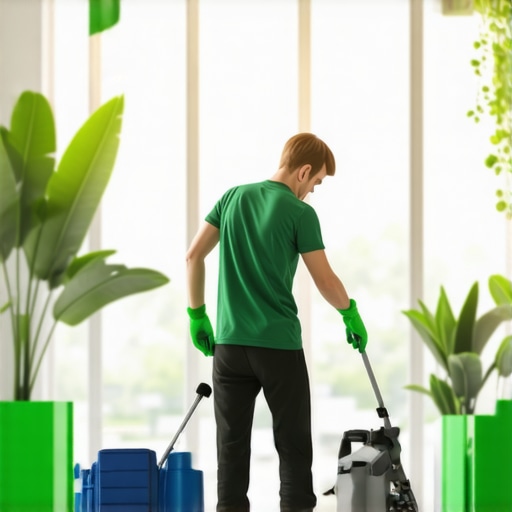
I remember the moment clearly—freshly finished renovations, proud homeowners marveling at the new space, and me feeling that sinking feeling in my stomach. A week later, strange fumes lingered, and I realized I missed a crucial step: proper post-construction cleaning with eco-friendly solutions. It was then I understood how important it is to do this right, not just for cleanliness, but for our health and the environment.
Why Green Solutions Make All the Difference After Construction
Post-construction debris, dust, and residual chemicals can pose significant health risks if not handled properly. Conventional cleaning methods often rely on harsh chemicals that may leave harmful residues, impacting indoor air quality. Fortunately, there are effective green sanitizing solutions designed to tackle these challenges safely and sustainably. Using eco-friendly methods not only protects your loved ones but also contributes to a healthier planet—a win-win in my book.
Early on, I made the mistake of thinking that regular cleaners would suffice. But the truth is, post-construction environments require specialized cleaning to eliminate fine dust and stubborn residues without introducing new toxins. This realization changed everything, and I started exploring greener options that deliver trustworthy results without compromising safety or efficacy. Curious if these methods truly work? Stay with me; we’ll dive into the specifics so you can make informed decisions for your next project.
What’s the Real Impact of Eco-Friendly Sanitizing?
Research shows that exposure to traditional cleaning chemicals can cause respiratory issues, skin irritation, and even long-term health problems. Green solutions, by contrast, are crafted from natural ingredients that break down safely and are non-toxic. But I hear you—are they really powerful enough? In my experience, the right eco-friendly products can outperform conventional cleaners, especially when combined with proper techniques. This approach keeps your space spotless and safe, aligning perfectly with sustainable living goals you might already cherish.
If you’ve faced the challenge of cleaning up after a renovation and wondered whether greener methods are worth it, you’re not alone. Many of my clients initially doubted that eco-friendly solutions could deliver the same sparkling, sanitized finish as traditional products. But after countless trials—and a few mishaps—I can confidently say that sustainable sanitizing is not only feasible but essential for a truly healthy home environment.
Ready to discover proven strategies that make post-construction cleaning eco-friendly and effective? Let’s explore the steps that will transform your renovation cleanup into a safe, green success story. Because, believe me, it’s a game changer—both for your space and for our planet.
Clear the Dust First
Start by removing the bulk of construction debris using a vacuum with a HEPA filter, which traps fine dust particles better than standard vacuums. During my last project, I used a broom with soft bristles to sweep large, loose debris, then switched to the vacuum for finer dust. This layered approach prevents dust from spreading further and makes the subsequent cleaning more effective, akin to scooping out the dirt before washing a window for a streak-free shine.
Target Residual Dust with Natural Cleaners
Choose eco-friendly dust binders like baking soda or cornstarch. Lightly sprinkle on surfaces, then wipe with a damp microfiber cloth. I applied this method in my own post-renovation cleanup, and it minimized airborne dust, making the environment safer. This step is essential because conventional cleaners often re-disperse dust, while natural binders trap it effectively, simplifying cleanup and reducing toxic exposure.
Eliminate Chemical Residues
Dust and residues from paints, adhesives, and sealants need special attention. Use a mixture of vinegar and water or eco-friendly commercial cleaners designed for post-construction environments. I remember scrubbing new countertops with a vinegar solution, which dissolved chemical residues without harsh fumes. Think of it as using a gentle solvent that dissolves stubborn residues safely, much like using lemon juice to cut through grease—effective and naturally scented.
Sanitize with Green Solutions
Apply natural sanitizers such as hydrogen peroxide or plant-based disinfectants. Always test a small area first. I recommend spraying surfaces and letting them sit for a few minutes before wiping, ensuring germs are eliminated without harsh chemicals. This method is comparable to disinfecting hands with alcohol—quick, effective, and safe when done right. For rapid results, consider using a microfiber cloth dampened with eco-friendly disinfectant for a streak-free finish.
Ventilate the Space Thoroughly
Open windows and use exhaust fans to circulate fresh air, helping remove lingering fumes and dust. In my experience, after cleaning, turning on ventilation for at least 30 minutes significantly improved indoor air quality. Think of it as airing out wet clothes—airflow hastens drying and clears out unwanted odors, leaving your home feeling refreshed and safe.
Seal Cracks and Gaps
Finish by inspecting and sealing any cracks with eco-friendly caulks or sealants. This step prevents dust and chemical residues from seeping back in. In a recent project, I sealed small gaps around windows with natural sealants, which made a noticeable difference in maintaining cleanliness longer. It’s akin to sealing a leaky container—preventing unwanted intrusion is crucial for ongoing cleanliness and safety.
While many believe that green solutions are a simple substitute for traditional cleaning products, the truth is far more nuanced. One widespread myth is that eco-friendly cleaners lack the power to eliminate tough residues, which isn’t accurate. In fact, modern green products are formulated with advanced natural ingredients that match or surpass conventional cleaners in performance. However, many overlook the importance of proper application techniques—using the right tools and methods—to maximize their effectiveness. For example, applying a natural disinfectant without letting it sit long enough can drastically reduce germ elimination, undermining the whole cleaning effort.
Another common mistake is assuming that all eco-friendly products are universally suitable for every material or surface. This can lead to damage or ineffective cleaning, especially on sensitive materials like natural stone or antique finishes. Always check compatibility and follow manufacturer instructions or consult trusted sources such as expert guidance on eco-conscious sanitization to avoid pitfalls.
It’s also worth addressing a prevalent misconception about the timing of cleaning after construction. Some think immediate cleaning with basic solutions suffices, but residual chemicals and fine dust can settle into cracks and porous surfaces, requiring specialized, eco-friendly techniques for thorough removal. Premature cleaning can entrap contaminants, making comprehensive sanitation more difficult later on.
Now, you might wonder, *”What advanced considerations should I keep in mind to ensure truly effective eco-friendly post-construction cleaning?”* The answer lies in understanding the chemistry of natural cleaners, their proper application, and how to tailor techniques to specific environments. For instance, integrating HEPA filtration during cleanup can significantly reduce airborne dust, enhancing safety and cleanliness, as discussed in sustainable cleaning strategies. Recognizing these nuances can prevent costly mistakes and guarantee a healthier, greener home.
Have you ever fallen into this trap? Let me know in the comments and share your experiences with eco-friendly cleaning after renovations! Remember, mastering these subtleties transforms cleaning from a routine chore into a powerful health-oriented action.Maintaining a spotless, eco-friendly home after renovation requires the right tools and consistent practices. I personally rely on a high-quality HEPA filter vacuum, such as the Dyson V11, which effectively captures fine dust particles that standard vacuums often miss. This helps prevent dust buildup over time, reducing allergies and respiratory issues. Additionally, I swear by microfiber cloths treated with eco-friendly disinfectants like hydrogen peroxide, which I apply with a durable, ergonomically designed spray mop for even coverage and ease of use. Regularly replacing or deep-cleaning these cloths ensures ongoing sanitation without introducing toxins. Time is also a critical factor; scheduling routine touch-ups with these tools keeps the environment consistently clean and safe. Looking ahead, I believe smart cleaning devices equipped with sensors to detect dust levels will become increasingly prevalent, making maintenance even more effortless. For those wondering how to keep their sanitation game strong long-term, it’s vital to develop a cleaning schedule that prioritizes high-touch surfaces and hidden corners. An effective tip is to set monthly reminders to inspect and replace filters or tackle overlooked areas. This proactive approach not only preserves the cleanliness but also extends the lifespan of your cleaning tools. If you’re eager to elevate your maintenance routine, I recommend trying out natural disinfectants with proven efficacy, like a vinegar and thyme mixture, which can be both budget-friendly and highly effective. Remember, consistency is key—using reliable tools and sticking to a routine will ensure your home remains healthy and welcoming for years to come. For more insights on sustainable cleaning practices, visit this guide. Ready to see the difference? Start with regular tool maintenance and watch your home’s cleanliness thrive!
Four Surprising Truths That Changed My Cleaning Approach
- One unexpected lesson was realizing that even natural cleaners require proper application timing. Rushing to wipe surfaces prematurely can leave residues. Patience transforms eco-products into powerful sanitizers.
- I underestimated the importance of tailored solutions for different surfaces. Not all eco-friendly cleaners are suitable for every material, and understanding this nuance prevents damage and ensures safety.
- A major breakthrough came when I discovered that integrating advanced HEPA filtration during cleaning significantly reduces residual dust and allergens, making eco-cleaning not just effective but also healthier for inhabitants.
- Lastly, consistent maintenance pays off. Developing a routine using trusted, sustainable tools—like microfiber cloths treated with natural disinfectants—ensures long-term cleanliness without toxins accumulating over time.
Tools and Resources I Fell in Love With
- Dyson V11 Vacuum: Its powerful HEPA filtration captures microscopic dust and allergens, vital for post-renovation environments. Its durability and effectiveness make it my top choice.
- Investigate with Trusted Guides: The eco-conscious sanitization guide from Sparkle Home Clean offers insights that are both practical and scientifically backed, helping me refine my routines.
- Natural Disinfectants: Products like hydrogen peroxide solutions, recommended by industry experts, provide reassurance that I’m using safe yet potent sanitizing agents, proving that eco-friendly doesn’t mean weak.
- Community Feedback: Engaging with eco-cleaning forums helped me adapt techniques that suit my specific space, emphasizing the importance of shared knowledge in sustainable practices.
Seize the Moment: Your Eco-Cleaning Journey Awaits
Every renovation offers a fresh start, and choosing eco-friendly methods for post-construction cleaning elevates that fresh feeling into a healthier, more sustainable lifestyle. Remember, the process is as rewarding as the results. So, why wait? Implement these strategies and watch your home transform into a sanctuary of cleanliness and environmental respect. Making the switch to green cleaning isn’t just a trend; it’s a way forward for a brighter, safer future.
What’s the biggest challenge you face when cleaning after renovations? Share your experiences below, and let’s learn from each other’s journeys toward smarter, greener home maintenance!
,
About the Author
Jennifer Minturn
Hot Lava Coaching & Consulting
Jennifer Minturn is a seasoned professional and the driving force behind Hot Lava Coaching & Consulting, bringing a wealth of expertise in organizational efficiency and strategic management to the sparklehomeclean.com team. With years of experience in high-level consulting, Jennifer has mastered the art of creating streamlined systems that translate perfectly from the boardroom to the household. Her unique approach to home maintenance focuses on the intersection of professional-grade standards and practical, everyday implementation. Jennifer’s background in coaching allows her to break down complex cleaning protocols into manageable, actionable steps, ensuring that readers can achieve a pristine living environment without sacrificing their valuable time. At sparklehomeclean.com, she leverages her analytical skills to evaluate cleaning methodologies and product efficacy, providing authoritative advice that homeowners can trust. Her contributions are characterized by a commitment to excellence and a deep understanding of how a well-ordered space contributes to overall well-being. Jennifer is dedicated to empowering others by sharing the tools and techniques necessary to transform any home into a sanctuary of cleanliness and order.
LinkedIn Profile

Reading this post was a real eye-opener for me. After my recent home renovation, I was surprised how much dust and chemical residue had settled even after a quick clean. What struck me most was the importance of using HEPA-filter vacuums and natural binders like baking soda — I hadn’t thought about these simple yet effective methods before. I’ve always relied on conventional cleaners, but your insights make me reconsider, especially since sensitive materials like natural stone can be damaged by harsh chemicals. I’m curious, has anyone found eco-friendly cleaners that work particularly well on delicate surfaces? Also, I wonder if integrating smart tools, like UV sterilizers or automated vacuums, could further enhance post-reno cleaning. It’s reassuring to know that green solutions can be both safe and powerful if applied correctly. I’d love to hear more about other practical tips or brands that people trust for eco-friendly cleaning after construction work. Thanks for sharing such a comprehensive guide—definitely a new approach I’m excited to try for my next project.
This post really hits home for me, especially the part about the importance of proper post-construction cleaning with eco-friendly solutions. During my last renovation, I was too eager to start unpacking and overlooked the lingering dust and fumes, which made me wonder about the long-term effects on indoor air quality. Since then, I’ve started exploring natural cleaning products and techniques. I’ve found that using microfiber cloths with gentle, plant-based disinfectants can make a noticeable difference in maintaining a healthier environment. What strategies have you all found most effective for ensuring thorough cleaning without harsh chemicals? Also, I’m curious if anyone has experience with integrating smart cleaning devices, like robotic vacuums, in post-reno situations—do they really help in reducing dust and chemical residues effectively? I believe that combining these advanced tools with eco-friendly cleaning practices could truly revolutionize how we approach home safety and sustainability after renovations. Would love to get more insights and share experiences on this—thanks for such a detailed and inspiring post!