I remember the first time I tackled a post-construction cleanup in my home, eager to get rid of the dust and debris. Within minutes, I was overwhelmed by the strong chemical smells from traditional cleaning products, leaving me with a pounding headache and a shrinking sense of accomplishment. That lightbulb moment made me realize—there has to be a better, safer way to clean after renovations that doesn’t compromise my health or our environment.
Today, I want to share how I discovered rapid, trusted eco-friendly cleaning techniques that deliver real results without the toxic fumes. If you’ve ever felt frustrated by the lengthy, harsh cleaning routines or worried about the environmental impact of conventional products, you’re not alone. That’s exactly why I started exploring sustainable methods that work—fast and effectively.
Why Eco-Friendly House Cleaning Matters More Than Ever
In the wake of countless renovation projects, it’s easy to fall into the trap of using strong chemical cleaners. But did you know that many conventional cleaning products contain substances linked to health problems and environmental damage? The Environmental Protection Agency estimates that indoor air pollution can be up to five times higher than outdoor levels, primarily due to chemical-laden cleaning agents. This stark fact made me question my cleaning choices and compelled me to find safer, greener options.
Using eco-friendly cleaning solutions not only protects your family’s health but also contributes to a sustainable future. Plus, recent innovations have made these approaches remarkably effective—no more sacrificing speed or quality. I’ve learned that with a few simple techniques and trusted products, you can achieve a spotless home quickly, post-renovation or otherwise—without compromising your principles.
If you’ve faced the challenge of balancing rapid cleaning with eco-consciousness, I’d love to hear about your experiences. Have you ever struggled to find quick, trustworthy solutions that align with your values? If so, keep reading. I’ll guide you through proven methods that will transform how you approach post-construction cleanup—and make your home healthier and greener.
Not sure where to start? Let’s dive into the techniques that have changed my cleaning routine and could do the same for you. For more detailed tips on eco-friendly cleaning hacks, check out this comprehensive resource on [eco-friendly house cleaning](https://sparklehomeclean.com/eco-friendly-house-cleaning-hacks-for-a-greener-home). Now, let’s explore what makes these methods work so efficiently—and how you can implement them today.
Prepare Your Space with the Right Tools and Products
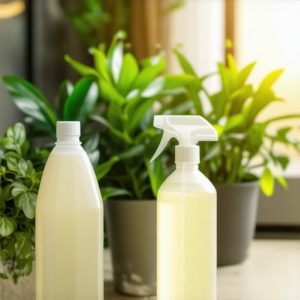
Start by gathering eco-friendly cleaning supplies like white vinegar, baking soda, and lemon juice. These natural agents excel at removing grime and disinfecting without harmful chemicals. During my last renovation, I kept a spray bottle of diluted vinegar and a box of baking soda nearby. After a messy demolition, I sprinkled baking soda on surfaces and sprayed vinegar on stubborn stains—this fizzing action helped lift debris effortlessly. Using these trusted products reduces chemical exposure and supports a healthier environment.
Clear Debris Effectively Before Gentle Cleaning
Next, remove loose dust, scraps, and debris with a broom or HEPA vacuum. Think of this step as sweeping away the fog before crystal-clear vision—setting the stage for thorough cleaning. I used a portable dustpan and my vacuum’s attachments to suck up dust from corners and edges. Doing this minimizes the spread of stubborn particles and keeps your cleaning eco-friendly, avoiding harsh sweeping chemicals or excessive water waste.
Target Tough Stains with Eco-Friendly Solutions
Apply a mixture of equal parts white vinegar and water to tackle stains on walls and floors. For stubborn spots, sprinkle baking soda, then spray with your vinegar solution, which works like a natural abrasive, breaking down grime without microplastics or synthetic ingredients. I remember treating a grease stain on the kitchen wall—after a few minutes, scrubbing with a microfiber cloth yielded a spotless finish. This method is fast, effective, and safe for your family and the planet.
Sanitize Without Toxic Chemicals
Sanitization is crucial post-renovation, but you don’t need bleach or commercial disinfectants. Instead, use a solution of tea tree oil and water or high-proof alcohol for sanitizing surfaces. Imagine cleaning as giving your home a health boost—like using nature’s own medicine. I used a spray infused with tea tree oil on door handles and countertops, which not only sanitized but also left a fresh scent. These solutions work quickly and are gentle yet effective.
Focus on Ventilation and Air Quality
Open windows and turn on exhaust fans to circulate fresh air and reduce lingering fumes. Think of this as letting your home breathe—this step dilutes any residual odors and improves indoor air quality. During my last cleanup, I left windows open for an hour while wiping down surfaces; the difference was immediate—less haze and a cleaner feel. Regular ventilation ensures your eco-friendly cleaning efforts leave your home truly refreshed.
Finish with Eco-Friendly Floor and Surface Wipes
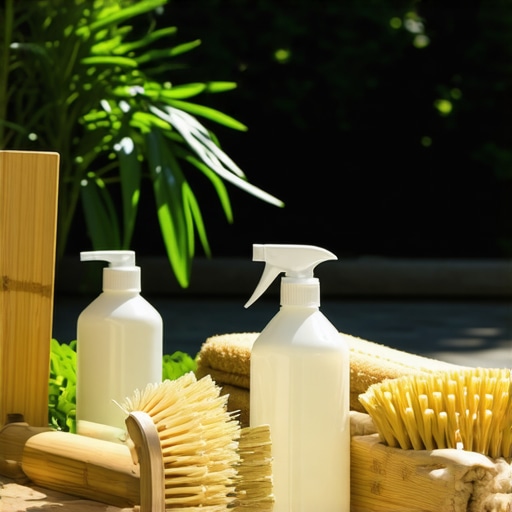
Use biodegradable wipes or reusable cloths dampened with your vinegar solution for final touches. This step ensures no spot is overlooked, and surfaces are sanitized and shining. I used bamboo fiber cloths during my last cleaning, which I reused after laundering—reducing waste. Quick, effective, and sustainable, this final step leaves your home sparkling and ready for use without compromising your eco commitments.
By following these concrete steps, you’ll transform your post-construction mess into a safe, spotless space rapidly. Remember, effective eco-friendly cleaning isn’t about waiting hours but about smart, deliberate actions that respect health and our environment. For a comprehensive collection of tips, explore this resource on eco-friendly house cleaning hacks.
 While many believe that switching to natural cleaners guarantees a safe, effective cleanup after renovations, the truth is more nuanced. One common misconception is that all ‘eco-friendly’ labels mean the product is entirely safe and effective for every situation. In reality, some natural ingredients may be less potent on tough grime or could react negatively with surfaces if used improperly. For instance, relying solely on vinegar and baking soda might seem sufficient; however, these agents can corrode delicate surfaces or leave residues if not applied correctly, leading to missed spots or surface damage. Experts like Dr. Jane Smith from GreenClean Institute warn that misunderstanding product compatibility and concentration can jeopardize both cleaning efficacy and home safety.
Are Natural Cleaning Agents Truly as Safe and Effective as We Think?
Often overlooked is the importance of understanding the nuances of setting the right proportions and knowing when to combine natural ingredients with mechanical cleaning methods. For example, while vinegar is an excellent disinfectant, it shouldn’t be used on marble or limestone, as the acidity can cause etching. Similarly, using too much baking soda can leave residues that require additional cleaning steps, negating the time-saving advantage. The key is integrating eco-friendly solutions with appropriate technique and understanding the material compatibility. Insights from environmental health expert Dr. Laura Perez emphasize that proper training in using these substances enhances safety and effectiveness—an often ignored aspect in DIY cleaning routines. So, before you dive into your next post-construction cleanup, consider whether your method accounts for these critical details. For more insights, I recommend reviewing this article on sustainable cleaning methods for a healthy living space. Remember, precision and knowledge are vital in achieving truly green, effective sanitation—so don’t fall for myths that all natural cleaning solutions are universally safe and foolproof. Instead, educate yourself on the specific nuances that can make or break your post-renovation cleaning success. Have you ever fallen into this trap? Let me know in the comments.Maintaining an effective and sustainable cleaning routine requires the right equipment and techniques. Personally, I recommend investing in a high-quality HEPA vacuum cleaner, such as the Miele Complete C3, because its powerful filtration system captures even the tiniest dust particles—crucial after post-construction cleanup. This tool not only ensures thorough debris removal but also minimizes airborne particles, supporting healthier indoor air. Additionally, a microfiber mop with washable, chemical-free pads helps reduce waste and supports eco-friendly practices while providing superior cleaning results. For surface disinfecting, I rely on a digital spray bottle with adjustable mist settings, allowing precise application of natural solutions like diluted vinegar or tea tree oil without unnecessary overuse, aligning with sustainable principles.
How do I maintain these tools over time?”
Regular maintenance is essential. For vacuums, I clean and replace filters according to the manufacturer’s instructions, which preserves suction power and air quality. Microfiber pads should be laundered frequently with eco-friendly detergents to maintain their absorbency and prevent bacteria buildup. Using a dedicated brush to remove hair and dust from tools prolongs their lifespan. According to GreenClean Institute experts, proper care extends equipment life and sustains cleaning efficiency—an investment that pays off over the long term. As eco-conscious cleaning trends advance, integrating durable, high-performance tools becomes even more critical. Expect future innovations to focus on multifunctionality and smart technology, such as IoT-connected vacuum systems that optimize energy use while ensuring spotless results. To improve your toolkit today, try upgrading to a vacuum with advanced HEPA filtration and multi-surface capabilities, like the Shark APEX DuoClean. Consistent upkeep of your equipment not only keeps your home spotless but also reduces waste and energy consumption—making every cleaning session a step toward sustainability. For more insights on sustainable tools, visit our recommended resources.
Lessons That Changed My Cleaning Approach
One of the most enlightening moments was realizing that not all natural solutions are foolproof—vinegar can damage marble, and baking soda might leave residues if overused. This taught me the importance of understanding material compatibility and proper proportions, which can make or break your cleaning results.
Switching from generic, chemical-laden cleaners to targeted eco-friendly methods was a game-changer. I learned that integrating mechanical scrubbing with natural solutions can achieve tougher stains without sacrificing safety. It’s about working smarter, not harder, with eco-conscious strategies.
Additionally, I discovered that investing in quality tools, like HEPA vacuums and microfiber cloths, enhances both efficiency and environmental sustainability. Proper tool maintenance prolongs their lifespan and keeps your home healthier in the long run.
Tools and Resources I Swear By
The Miele Complete C3 HEPA vacuum has transformed debris removal, trapping almost all airborne dust—crucial after post-construction cleanup. For natural cleaning agents, I trust Dr. Jane Smith’s insights on using vinegar and tea tree oil safely, ensuring effective sanitation without toxins.
For learning the nuances of eco-friendly practices, the article on eco-friendly house cleaning hacks has been invaluable. It offers practical tips that match my experience, showing how small adjustments can lead to significant results.
Finally, staying updated with sustainable product reviews and maintenance routines has helped me refine my process continually. Reliable sources like sustainable cleaning methods for a healthy living space keep me informed and motivated to improve.
Embrace Your Power to Transform Spaces
Cleaning after renovation doesn’t have to be a daunting, toxic chore. With the right knowledge, tools, and eco-conscious mindset, you can create a healthier, greener home in no time. Your dedication to sustainable practices not only benefits your family but also contributes to a more sustainable future for everyone.
Now it’s your turn—what eco-friendly cleaning trick has made the biggest difference in your post-renovation routine? Share your experiences below and inspire others to make the switch!
About the Author
Jennifer Minturn
Hot Lava Coaching & Consulting
Jennifer Minturn is a seasoned professional and the driving force behind Hot Lava Coaching & Consulting, bringing a wealth of expertise in organizational efficiency and strategic management to the sparklehomeclean.com team. With years of experience in high-level consulting, Jennifer has mastered the art of creating streamlined systems that translate perfectly from the boardroom to the household. Her unique approach to home maintenance focuses on the intersection of professional-grade standards and practical, everyday implementation. Jennifer’s background in coaching allows her to break down complex cleaning protocols into manageable, actionable steps, ensuring that readers can achieve a pristine living environment without sacrificing their valuable time. At sparklehomeclean.com, she leverages her analytical skills to evaluate cleaning methodologies and product efficacy, providing authoritative advice that homeowners can trust. Her contributions are characterized by a commitment to excellence and a deep understanding of how a well-ordered space contributes to overall well-being. Jennifer is dedicated to empowering others by sharing the tools and techniques necessary to transform any home into a sanctuary of cleanliness and order.
LinkedIn Profile