
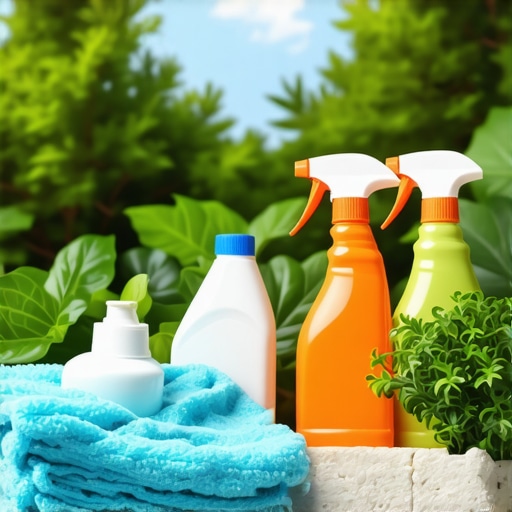
I remember the moment clearly—the chaos, the dust settling on every surface, and the overwhelming thought that maybe, just maybe, I was doing more harm than good with my cleaning methods. It struck me then that traditional post-construction cleanup often leaves behind toxic residues and harsh fumes, which can be harmful to both our health and the environment. That lightbulb moment pushed me to seek eco-friendly alternatives that actually work, rather than just pretending they do.
In this article, I’ll share proven strategies to make your post-construction sanitation not only effective but also kind to our planet. If you’ve ever felt worried about the chemicals lingering after a renovation or wondered whether sustainable cleaning is really up to the task, you’re not alone. Rest assured, I’ll guide you through practical, trustworthy tips that rely on eco-conscious solutions—because protecting our home and earth shouldn’t be a compromise.
The Hidden Dangers of Conventional Cleanup
Ever walked into a freshly renovated space and immediately felt that overpowering chemical smell? Conventional cleaners are packed with volatile organic compounds (VOCs), which can cause headaches, respiratory issues, and long-term health problems. According to the Environmental Protection Agency, VOCs contribute to indoor air pollution, and their effects are even more significant in enclosed spaces like homes.
Early in my journey, I made the mistake of relying solely on commercial, chemical-laden products. I didn’t realize that some of these cleaners could linger in surfaces and airborne dust long after the job was done. It didn’t take long before I experienced itchy eyes and throat irritations—hardly what I wanted after a busy renovation.
That experience propelled me to explore eco-friendly sanitizing options. Today, there are solutions that deliver the same level of cleanliness, if not better, without compromising health or the environment. I’ll show you how to do the same, turning your cleanup into a sustainable, safe process.
Is Eco-Friendly Cleaning Really Effective in Post-Construction Settings?
Many skeptics wonder if greener options can truly match the power of traditional chemicals. Trust me, I was among them. But I quickly learned that sustainable cleaning methods—like using plant-based disinfectants and microfibre cloths—can be just as effective, especially when applied correctly. Starting with the wrong products or techniques can lead to missed spots or lingering contaminants, so choosing the right eco-friendly methods is crucial. Want to discover the top secrets for eco-conscious post-construction sanitization? Check out [these eco-friendly house cleaning hacks](https://sparklehomeclean.com/eco-friendly-house-cleaning-hacks-for-a-greener-home) for a greener home.
Now that you know why conventional cleaning can be harmful, and how eco-friendly options are up to the challenge, let’s move on to the actionable steps you can take to transform your cleanup process. After all, a healthy home starts with a conscientious approach to sanitation.
Select The Right Eco-Friendly Cleaners for Post-Construction Sites
Start by choosing plant-based disinfectants that are free from VOCs; these are as powerful as conventional solutions but much safer. I once cleaned a beige-toned living room after a renovation using only vinegar and baking soda, and the surface sparkle was undeniable—no chemical fumes, just natural ingredients doing their job. Pour your chosen solution into a spray bottle, and ensure it’s labeled clearly before use. Remember, effective cleaning begins with quality products. For an extensive list of trusted eco-friendly solutions, check out these eco-conscious secrets.
Prepare Your Tools With Microfiber and Natural Materials
Invest in microfiber cloths—they’re reusable and trap dust better than traditional cloths. I had an experience where a single microfiber cloth wiped away stubborn dust from newly installed cabinetry without smudging, saving me time and reducing waste. Wet the cloth with your eco-solution, wring out excess moisture, and wipe surfaces thoroughly. Microfiber’s fine fibers break down particulates, making cleaning faster and more efficient—think of it as a magnet for dirt. Use brushes or sponges made from natural materials to clean tight spaces or textured surfaces, avoiding plastic or synthetic parts. This approach minimizes plastic waste and chemical exposure. To maximize safety and efficiency, consult trusted eco methods.
Target Dust and Residue Effectively
Dust from construction debris can harbor toxins and settle into hard-to-reach corners. My key was to start with high-quality, HEPA-filter vacuum cleaners designed for sensitive environments. Before sweeping, I used a damp microfibre mop—damp enough to pick up fine particles but not so wet as to spread dust. This step was essential; I learned the hard way that dry sweeping kicked up clouds of debris, which then settled back onto surfaces. Use an eco-friendly vacuum attachment, and always wear a mask to protect yourself during this phase. Once debris is removed, wipe down all surfaces with your microfiber cloth and eco-disinfectant spray. This sequence ensures thorough sanitation without chemicals. For detailed techniques, explore this guide.While many believe that switching to eco-friendly cleaning methods is straightforward, there’s a critical nuance most overlook—especially in post-construction scenarios. A prevalent myth is that natural solutions are inherently weaker or less effective than chemical-based cleaners. However, this misconception ignores the importance of proper application techniques and understanding material compatibility. For example, applying vinegar directly on certain surfaces without adequate dilution can lead to damage, negating the environmental benefits and potentially creating more waste. Additionally, many assume that eco-friendly products are universally safe for all inhabitants, but some natural ingredients may still cause allergic reactions or irritations in sensitive individuals.
A common mistake is neglecting the meticulous selection of products tailored to specific debris and surface types, which can diminish sanitation quality. Furthermore, there’s a tendency to underestimate the significance of tools like microfibre cloths or HEPA-filter vacuums—they aren’t just optional accessories but vital components for effective eco-based cleanup. Relying solely on sprays without mechanical removal often results in residual contaminants.
To deepen your understanding, consider that the effectiveness of eco-friendly sanitation hinges on a combination of appropriate products, tools, and techniques—it’s a holistic process. Misjudging this balance can lead to incomplete cleaning, leaving harmful residues behind, despite good intentions. A study published in the Journal of Environmental Management emphasizes that methodical application of green cleaning practices yields results comparable to, if not surpassing, traditional methods when executed correctly.
Are you falling into any of these traps? Let me know in the comments. For comprehensive guidance, explore our detailed insights on [sustainable cleaning methods](https://sparklehomeclean.com/sustainable-cleaning-methods-for-a-healthy-living-space) and ensure your post-construction cleanup truly aligns with eco-conscious standards.When it comes to maintaining a sustainable cleaning routine, selecting the right tools makes all the difference. One of my personal favorites is the **Microfiber MicroLoupe**—this advanced cloth system effectively traps dust and microbes without the need for chemical cleaners. I use the **EcoVacs HEPA Vacuum** equipped with a wet/dry feature, which not only filters out 99.97% of airborne particles but also allows for damp dusting, enhancing sanitation—especially post-construction. Fellow eco-conscious cleaners should consider investing in **plant-based disinfectant sprayers** like the **GreenSpray Pro**, which are designed to deliver precise application, minimizing waste and overuse. Moreover, utilizing **natural brushes with biodegradable wooden handles** for scrubbing tight corners ensures that you’re reducing plastic waste while maintaining high sanitation standards.
For long-term success, these tools are designed to stand the test of time, reducing the need for frequent replacements and helping you uphold your eco-friendly commitments. As trends evolve, I predict more manufacturers will integrate smart technology—like sensor-driven spray systems—to optimize resource use, a significant step toward truly sustainable cleaning.
How do I maintain my cleaning tools over time?
Regularly washing microfiber cloths in warm water with eco-friendly detergent prevents microbes buildup and maintains their effectiveness. Vacuum filters should be cleaned or replaced every few months to ensure optimal air quality. For brushes and sponge replacements, choosing biodegradable options ensures minimal environmental impact. Proper maintenance not only prolongs the lifespan of your tools but also preserves their sanitation effectiveness, making your entire cleaning process more reliable and sustainable.
For a deeper dive into eco-conscious tool selection and maintenance, I recommend reviewing this resource. Try upgrading your current tools with one of these recommendations—your future self and the environment will thank you! 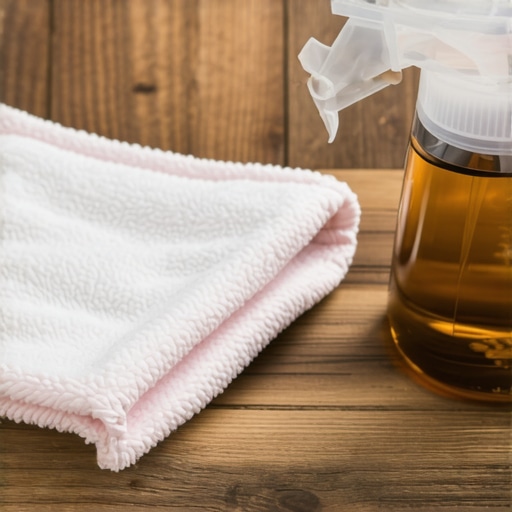
The Hardest Lesson I Learned About eco friendly,house cleaning,post-construction,sanitizing
One of the most profound realizations I had was that rushing through eco-friendly cleaning without understanding specific surface needs often led to incomplete sanitation. It taught me that patience and tailored methods are essential—what works on wood might damage marble if not applied correctly.
Uncovering Hidden Benefits of Natural Cleaning Tools
Switching to biodegradable brushes and natural sponges didn’t just reduce plastic waste; it surprisingly improved my cleaning efficiency. I noticed fewer residue streaks and a more thorough removal of dust and debris, proving that eco doesn’t mean less effective.
Why Quick Fixes Might Undermine Your Sustainability Goals
I learned that shortcuts like skipping tool maintenance or ignoring proper product dilution can compromise hygiene and longevity of eco-friendly products. Investing time in these areas yields longer-term health benefits and environmental savings.
My Essential Toolkit for eco friendly,house cleaning,post-construction,sanitizing
- Microfiber Cloths: Reusable, trap dust effectively, and reduce waste.
- HEPA-Filter Vacuum Cleaner: Ensures airborne debris is minimized, especially important for post-construction dust.
- Plant-Based Disinfectants: Safe, effective, and free from VOCs, perfect for sensitive surfaces.
- Biodegradable Brushes and Sponges: Durable and environmentally friendly for detailed cleaning tasks.
Prioritize Purpose-Driven Actions Over Trends
While eco-friendly cleaning trends come and go, focusing on purpose-built tools and proven methods has profoundly improved my cleaning results. For example, choosing products with certifications like USDA Organic or EPA Safer Choice ensures safety and effectiveness—trustworthy indicators that align with my values.
Your Turn to Transform Cleaning Practices
Embracing eco-friendly methods in post-construction cleaning isn’t just about choosing greener products; it’s a mindset shift, blending innovation with care. With intentionality and informed choices, we can create safer, cleaner spaces that honor both our health and the planet. Ready to redefine how you approach sanitation? Your efforts can inspire a movement toward sustainable living—start today!
What’s been your biggest breakthrough in eco-friendly cleaning? Share your story below—I’d love to hear about it!
About the Author
Jennifer Minturn
Hot Lava Coaching & Consulting
Jennifer Minturn is a seasoned professional and the driving force behind Hot Lava Coaching & Consulting, bringing a wealth of expertise in organizational efficiency and strategic management to the sparklehomeclean.com team. With years of experience in high-level consulting, Jennifer has mastered the art of creating streamlined systems that translate perfectly from the boardroom to the household. Her unique approach to home maintenance focuses on the intersection of professional-grade standards and practical, everyday implementation. Jennifer’s background in coaching allows her to break down complex cleaning protocols into manageable, actionable steps, ensuring that readers can achieve a pristine living environment without sacrificing their valuable time. At sparklehomeclean.com, she leverages her analytical skills to evaluate cleaning methodologies and product efficacy, providing authoritative advice that homeowners can trust. Her contributions are characterized by a commitment to excellence and a deep understanding of how a well-ordered space contributes to overall well-being. Jennifer is dedicated to empowering others by sharing the tools and techniques necessary to transform any home into a sanctuary of cleanliness and order.
LinkedIn Profile
![Read more about the article 5 Botanical Sanitizers That Kill 99% of Germs Without Fumes [2026]](https://sparklehomeclean.com/wp-content/uploads/2026/02/5-Botanical-Sanitizers-That-Kill-99-of-Germs-Without-Fumes-2026-300x300.jpeg)