
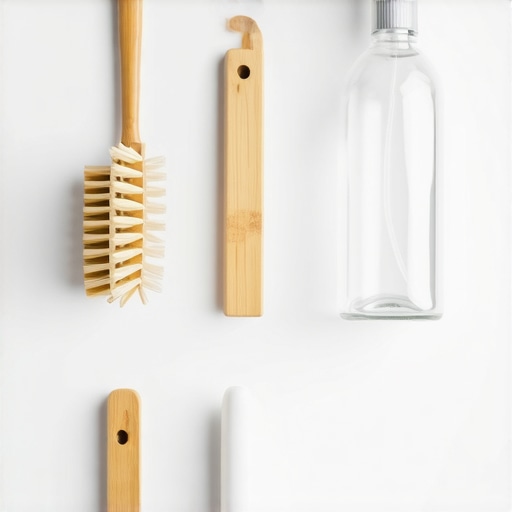
It was late afternoon, and I looked around my freshly renovated home, only to be greeted by a haze of dust, lingering chemical smells, and surfaces that still needed attention. That lightbulb moment hit me like a ton of bricks—post-construction cleanup isn’t just about wiping down surfaces; it’s about doing so safely, swiftly, and with care for our environment. I was overwhelmed, worried about exposing my family to harmful residues, and frustrated with the plethora of cleaning options that all seemed to claim they were eco-friendly but didn’t deliver results.
Bright Ideas for a Greener Cleanup After Construction
Cleaning up after a renovation can be a daunting task, especially when you want to be kind to the planet while ensuring your home is spotless and safe. From my own experience and countless tips I’ve gathered along the way, I want to share achievable, eco-conscious strategies that make quick work of this mess—without sacrificing the health of your family or the environment. Today, we’ll explore how to harness environmentally friendly cleaning methods that are both effective and sustainable, so your space can shine in its best, safest light.
Is Eco-Friendly Sanitizing a Realistic Goal for Post-Construction Cleanup?
Many initially worry that environmentally safe cleaning products won’t cut through the grime or eliminate hazardous residues left by construction materials. Early on, I made the mistake of relying solely on traditional chemical cleaners, which left me with lingering fumes and a nagging doubt about safety. I discovered that not all green products are created equal, but with the right knowledge and techniques, eco-friendly cleaning can be just as powerful with a fraction of the impact. Research shows that using sustainable methods can reduce indoor air pollution and protect water quality—crucial considerations after a construction project (source: [EPA](https://www.epa.gov/indoor-air-quality-iaq/green-cleaning)). So, if you’ve faced these concerns, know that there are proven ways to achieve a thorough clean without compromising your eco-values.
Armed with this understanding, let’s dive into practical, tried-and-true tips for making your post-construction cleanup both environmentally friendly and effective.
Start With a Clear Plan
Before diving into cleaning, visualize the entire space, identifying high-dust areas, chemical residues, and surfaces needing special attention. I once walked into my living room covered in drywall dust, feeling overwhelmed. Instead of rushing, I mapped out a sequence: dusting, wiping, then sanitizing. This approach kept me organized and efficient, preventing recontamination. Create a checklist focusing on eco-friendly products and methods to streamline your process and minimize waste.
Ventilate Before Cleaning
Open all windows and doors to allow fresh air to circulate, reducing the concentration of dust and chemical smells. I remember my first post-reno cleaning where I neglected this step, resulting in a stuffy, chemical-laden environment. Ventilation helps dissipate airborne particles and fumes, making your workspace healthier. Use fans strategically to enhance airflow, and consider running an air purifier with a HEPA filter if available. Proper ventilation is your first line of defense against indoor pollution.
Use Eco-Friendly Dust Removal Tools
Switch to a microfiber cloth or a sustainable dust mop instead of disposable wipes. Microfiber traps fine dust particles more effectively, reducing chemical reliance. During my own cleanup, I used a microfiber cloth dampened with water to wipe surfaces. It captured dust efficiently and was reusable, cutting down on waste. Incorporate a high-quality, eco-certified vacuum with HEPA filters for thorough debris removal from carpets and hard floors. This combination ensures a deep clean without choking the environment or your lungs.
Tackle Surfaces with Natural Cleaners
Mix vinegar and baking soda to create powerful, non-toxic cleaning solutions. For tough stains, a paste of baking soda and water often does the trick. I once cleaned kitchen counters my contractor had splattered with paint using just these simple ingredients—no harsh chemicals needed. For large surfaces, dilute vinegar in water and add a few drops of eco-friendly dish soap. Always test on a small area first to ensure no surface damage. These natural cleaners eliminate residues safely and effectively, keeping your home chemical-free.
Sanitize Smartly
Use biodegradable, EPA-approved disinfectants that are safe for indoor use. Apply them with microfiber cloths or spray bottles, avoiding overuse.^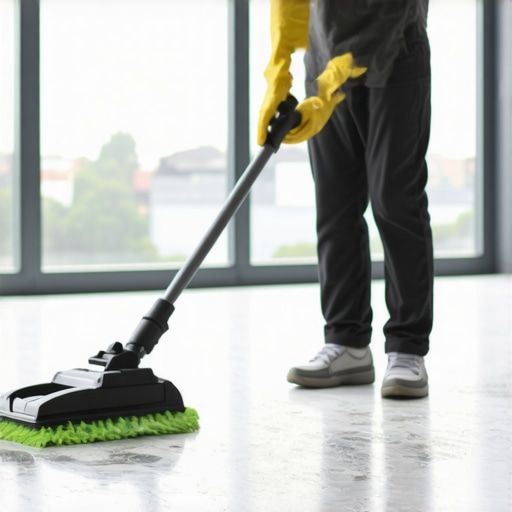 ^ I once sanitized an entire bathroom with a diluted eco-friendly disinfectant, ensuring harmful pathogens from construction dust were eliminated. Focus on high-touch areas like doorknobs, switches, and handrails. Let the solution sit for the recommended contact time, then wipe. This method ensures safety and sanitation without risking environmental health.
Check for Hidden Hazards
Inspect your home for overlooked residues like adhesives or paint splatters that may still emit fumes. I missed a small section of painted wall, which later developed a strong odor. Use eco-safe spot cleaners or consult professional advice if needed. Allow the cleaned areas to ventilate further if residues persist. Being thorough prevents lingering toxins and improves indoor air quality.
Dispose of Waste Responsibly
Bag and recycle debris, dust, and used cleaning materials whenever possible. I remember filling several biodegradable bags with construction dust, taking care to avoid spills. Avoid pouring leftover chemicals down drains; instead, find local disposal programs. Proper waste management minimizes environmental impact and keeps your home safe for everyone.
Maintain with Regular Eco-Friendly Upkeep
Establish a routine using sustainable products to prevent dust buildup and residues from accumulating again. I now stick to bi-weekly cleaning with eco-certified solutions, which keeps my space consistently fresh. Regular maintenance ensures long-term health, peace of mind, and a safer environment for your family and the planet. For more ideas on sustainable cleaning, visit our eco-conscious post-construction sanitizing tips.
Many assume that choosing eco-friendly cleaning products automatically guarantees a thorough and safe cleanup after construction, but there’s more nuance to consider. One widespread misconception is that all green cleaners lack the potency needed to eliminate stubborn residues and pathogens left by renovation materials. In reality, modern eco-friendly formulations can be just as effective, especially when combined with proper cleaning techniques such as detailed dust removal and adequate ventilation. However, a common pitfall I’ve encountered is relying solely on natural solutions without understanding their limitations or proper application methods. For example, some believe that vinegar and baking soda can substitute all professional disinfectants, yet certain pathogens may require EPA-approved biocidal products for comprehensive sanitization, especially in high-risk environments. \n\nAnother nuance people often overlook is the importance of understanding product certifications and formulation ingredients. Not all green labels are equal; some may still contain trace chemicals or ineffective preservatives. To truly maximize safety and efficacy, consult trusted sources like EPA’s Safer Choice program or seek products with transparent ingredient disclosures. Additionally, many think that the eco-friendly approach is slower or more labor-intensive, but integrating effective cleaning strategies—such as using microfiber cloths or HEPA-filter vacuums—can streamline the process without compromising sustainability. \n\nA sneaky trap to avoid is underestimating the significance of proper waste disposal. Construction debris can contain hazardous residues, and improper handling can negate the benefits of eco-friendly cleaning. Always ensure waste is separated and disposed of according to local regulations, reducing environmental impact. For a comprehensive guide on sustainable cleaning practices tailored for post-construction scenarios, visit [our eco-conscious post-construction sanitizing tips](https://sparklehomeclean.com/eco-conscious-post-construction-sanitization-secrets). \n\nLet’s also address an advanced question that often baffles even seasoned cleaners: How can you ensure that persistent chemical residues from construction materials don’t linger, undermining your eco-friendly efforts? According to environmental experts, implementing a targeted pre-wipe or rinse with detoxifying solutions—such as activated charcoal sprays or specialized residue removers—can enhance overall safety. Combining this with ongoing monitoring of indoor air quality ensures your space remains truly healthy. Remember, effective post-construction cleanup is a layered process, requiring attention to detail, appropriate product selection, and strategic techniques.\n\nHave you ever fallen into this trap? Let me know in the comments. For more insights on making your cleaning process both effective and eco-friendly, explore our detailed posts on [sustainable cleaning methods](https://sparklehomeclean.com/sustainable-cleaning-methods-for-a-healthy-living-space) and [eco-friendly house cleaning hacks](https://sparklehomeclean.com/eco-friendly-house-cleaning-hacks-for-a-greener-home).Ensuring your home remains clean and safe after renovations requires the right equipment. From my experience, investing in a high-quality HEPA-filter vacuum is a game-changer—it captures fine dust and airborne particles that standard vacuums just can’t handle, significantly improving indoor air quality. Pair this with microfiber cloths for dusting; their electrostatic properties trap even the tiniest particles, reducing the need for chemical cleaners. For large surfaces, a steam cleaner can disinfect without chemicals, making it ideal for eco-conscious cleaning routines. Additionally, a durable, refillable spray bottle allows precise application of natural cleaners like vinegar and baking soda, minimizing waste and exposure. Incorporating an air purifier with HEPA and activated carbon filters helps eliminate residual odors and toxins, creating a healthier environment. Looking ahead, as technology advances, smart cleaning devices that synchronize with home automation systems promise even more efficient, eco-friendly cleaning processes—stay tuned for these innovations.
How do I maintain my cleaning tools and techniques over time?
Regularly check and replace filters in your HEPA vacuum and air purifier to ensure optimal performance. Wash microfiber cloths frequently in hot water without fabric softeners to sustain their electrostatic properties. Keep steam cleaners and spray bottles clean and dry after each use to prevent mold and bacterial buildup. Developing a routine of equipment maintenance not only prolongs the lifespan of your tools but also guarantees consistently high-quality cleaning results. For detailed advice, visit our contact page to connect with specialists or explore more comprehensive strategies at our eco-friendly cleaning hacks. Additionally, referencing technical specifications like those from the EPA’s Guide on Eco-Friendly Cleaning Equipment can help you select the most effective tools tailored to your needs. Implementing and maintaining these tools ensures your home stays pristine and safe well into the future, aligning with your commitment to sustainability.
Lessons Only Insiders Usually Learn
One of my biggest breakthroughs was realizing that rushing through the cleanup often means missing hidden residues, which can compromise both safety and eco-goals. Taking the time to pre-inspect allowed me to target stubborn spots effectively, saving me time and materials in the long run. I also discovered that investing in quality, eco-certified tools not only made my work easier but also aligned perfectly with my sustainability values, demonstrating that efficiency and environmental consciousness can go hand-in-hand. Lastly, I learned that securing my waste correctly prevents environmental contamination, a step many overlook, yet it’s crucial for truly responsible cleaning.
Tools and Guides That Changed My Approach
For anyone serious about eco-friendly post-construction sanitation, these practical tips became my go-to resources, blending effective strategies with sustainability. I rely on the EPA’s guidance on green cleaning standards and always choose products with verified safety profiles. My toolkit includes a HEPA-filter vacuum, microfiber cloths, and natural cleaning solutions—each selected for their proven performance and minimal environmental footprint. Making informed choices from these sources transformed my cleaning routine into a streamlined, responsible process that delivers real results.
Take Action to Make a Lasting Impact
Remember, every step you take toward eco-friendly cleaning after construction not only purifies your space but also contributes to a healthier planet. Embrace sustainable methods, stay curious about new innovations, and don’t hesitate to reach out for expert advice—visiting our contact page can connect you with specialists ready to help. Your home can shine brightly, safe for your loved ones and gentle on the Earth. Now is the perfect time to start your journey toward a cleaner, greener living environment—your future self will thank you.
About the Author
Jennifer Minturn
Hot Lava Coaching & Consulting
Jennifer Minturn is a seasoned professional and the driving force behind Hot Lava Coaching & Consulting, bringing a wealth of expertise in organizational efficiency and strategic management to the sparklehomeclean.com team. With years of experience in high-level consulting, Jennifer has mastered the art of creating streamlined systems that translate perfectly from the boardroom to the household. Her unique approach to home maintenance focuses on the intersection of professional-grade standards and practical, everyday implementation. Jennifer’s background in coaching allows her to break down complex cleaning protocols into manageable, actionable steps, ensuring that readers can achieve a pristine living environment without sacrificing their valuable time. At sparklehomeclean.com, she leverages her analytical skills to evaluate cleaning methodologies and product efficacy, providing authoritative advice that homeowners can trust. Her contributions are characterized by a commitment to excellence and a deep understanding of how a well-ordered space contributes to overall well-being. Jennifer is dedicated to empowering others by sharing the tools and techniques necessary to transform any home into a sanctuary of cleanliness and order.
LinkedIn Profile

Reading this post really resonates with my own experience after completing a renovation. I was initially overwhelmed by the amount of dust and chemical residues, but carefully planning my cleanup made all the difference. I found that investing in a HEPA-filter vacuum and using microfiber cloths dramatically improved the quality of my indoor air, with less reliance on harsh chemicals. I especially appreciated the tips about ventilating the space before starting—once I did this, the fumes and dust levels were notably reduced, making the process much more comfortable and safer for my family. Natural cleaners like vinegar and baking soda are indeed effective for many surfaces, though I’ve learned that for stubborn residues, a targeted approach with eco-safe residue removers really helps. My question is, for those of you who have used natural disinfectants, how do you ensure they provide enough pathogen elimination, particularly in high-touch areas like door handles and switches? Thanks for sharing such practical advice—I believe that with the right tools and knowledge, we can truly achieve a thorough and eco-friendly cleanup.
This post really hits home for me, especially the part about natural cleaners and their eficácia. I’ve had success using a vinegar and water solution for general surfaces, but I’ve always worried if it’s enough for high-touch areas like doorknobs and light switches, where germs tend to linger. I recently started incorporating eco-friendly disinfectant sprays that are EPA-approved for tougher sanitation, especially in kitchens and bathrooms. I’d love to hear from others about their experiences with natural disinfectants—how do you balance faith in natural cleaning with the need for effective pathogen control? Also, I agree that good ventilation is crucial, and opening windows during and after cleaning really helps clear out residual fumes. Overall, adopting a layered approach—using natural cleaners, eco-safe disinfectants, and proper airing—seems like the most practical way to ensure a safe, green cleanup. Has anyone here tried UV sterilizers or other tech-based solutions to enhance natural sanitizing? Would love to get some insights!
I really appreciate this detailed post about eco-friendly cleanup after renovations. It resonates with my own experience, especially the emphasis on proper ventilation and natural cleaning solutions. I found that regularly maintaining my tools, like filters in my HEPA vacuum and microfiber cloths, makes a noticeable difference in staying efficient. Switching to sustainable products not only helps the environment but also protects my family from exposure to harsh chemicals, which is a top priority for us. One challenge I faced was ensuring that natural disinfectants, like vinegar-based solutions, actually achieved high-touch surface sanitation, since some argue they’re not always enough for pathogens. I’ve started using EPA-approved eco-friendly disinfectants for these areas, but I wonder if anyone has insights into combining natural methods with advanced tech solutions like UV sterilizers or fogging systems to maximize safety? Would love to hear your experiences and tips on balancing eco-approaches with rigorous sanitization in high-traffic zones.