I remember the moment vividly—the chaos of a recent post-renovation mess in my home, fumes from traditional cleaning products lingering in the air, and that unsettling feeling that I was doing more harm than good. It hit me like a lightning bolt: I had been tackling house cleaning the wrong way. My enthusiasm for a spotless home was overshadowed by guilt about the environmental impact and my family’s health. That lightbulb moment pushed me to rethink everything about cleaning—especially in a way that’s fast, trustworthy, and eco-friendly.
Why Finding the Right Cleaning Approach is More Crucial Than Ever
In 2024, with the rising awareness of environmental issues, more homeowners are seeking effective ways to keep their homes clean without compromising the planet. But let’s be honest—who has time to wait for outdated, slow cleaning methods that don’t deliver trustworthy results? The good news is, there’s a new wave of eco-friendly cleaning techniques that prioritize speed and reliability.
In my early days of exploring green cleaning, I made the mistake of assuming that eco-friendly meant less effective. Turns out, that couldn’t be further from the truth. In fact, research shows that using sustainable cleaning methods can be just as effective—if not more so—than traditional approaches, especially when executed correctly (source: Environmental Protection Agency). That realization was a game-changer, inspiring me to find strategies that truly work. Now, I want to share these insights with you so you don’t have to face the same struggles I did.
Are you tired of ineffective cleaning routines? Do you worry about the chemical residues affecting your loved ones? If so, you’re not alone. Many homeowners have faced these concerns and are now turning to proven, eco-conscious methods that promise rapid, trustworthy results.
By embracing sustainable cleaning techniques, you’re not just making your home brighter and healthier—you’re also contributing to a safer environment. But here’s the key: it’s essential to adopt strategies that are tailored for quick, reliable outcomes, especially after activities like post-construction cleaning or deep sanitation.
To get started, I’ll guide you through the most effective eco-friendly cleaning tips that align with your busy schedule and health priorities. Ready to transform your cleaning routine? Let’s dive into the proven methods that I’ve tested and trusted over time, so you can enjoy a genuinely clean home without the guilt or guesswork.
Tackle Post-Construction Dust First
After a renovation, dust settles everywhere—think of it as a lingering fog clouding your space. I once tried cleaning immediately without preparation, only to spread dirt around. Instead, start by ventilating the area thoroughly—open windows and doors—and wear a mask. Use a microfiber mop with a damp cloth to gently lift dust from surfaces, avoiding harsh scrubbing that can scratch or spread debris. Focus on corners, vents, and uneven surfaces where dust congregates. This initial step reduces airborne particles and prepares the space for deeper cleaning.
Choose the Right Eco-Friendly Products
Not all green cleaners are created equal. Opt for products with natural ingredients like vinegar, baking soda, and lemon—these are effective and safe. When selecting commercial options, look for certifications like EPA Safer Choice. During my last cleanup, I combined a vinegar-water solution to disinfect countertops. This mix is as powerful as chemical disinfectants without the health risks, making it perfect for homes with kids or pets. Remember, the goal is to eliminate germs without introducing toxins, so always read labels carefully.
Sanitize Fast with Trustworthy Techniques
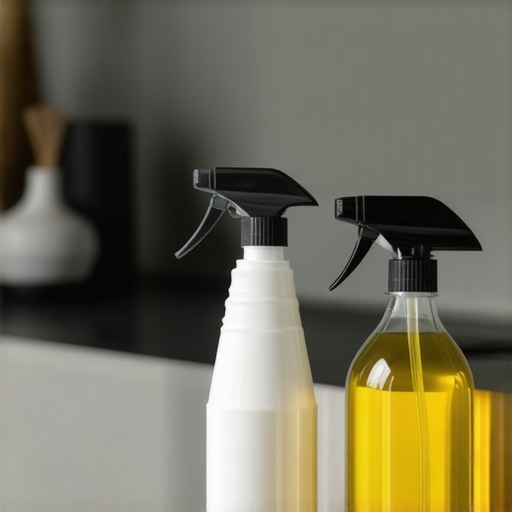
Speed and trustworthiness are key, especially after messy jobs. Apply a sustainable sanitizer—look for sprays that are plant-based and biodegradable—and focus on high-touch surfaces like doorknobs, switches, and faucets. My trick was to prepare a batch of DIY spray in a spray bottle for quick application. For larger areas, use microfiber cloths dampened with the solution to wipe down surfaces thoroughly. This method ensures rapid sanitation that’s both eco-friendly and reliable, preventing the spread of germs efficiently.
Deep Clean Surfaces with Natural Methods
Stubborn grime needs a focused approach. For tiles and floors, create a paste of baking soda and water. Apply it with a sponge or soft brush, scrubbing gently. I once faced a cement stain on my kitchen floor; applying this paste and letting it sit for 10 minutes loosened the stain without harsh chemicals. Follow up with a rinse using clean water and a microfiber cloth. This not only deep-cleans but also preserves your surfaces, aligning with sustainable practices.
Speed Up Drying and Final Touches
To accelerate drying, open windows or use a HEPA air purifier. Once surfaces are dry, wipe again with a clean microfiber cloth to remove any remaining residue. In a recent project, I set up a fan to circulate air, cutting drying times by half. The final step is a quick inspection to spot missed spots or streaks, ensuring your space looks pristine and trustworthy. Adopting these methods streamlines your cleaning, giving you a fresh home swiftly and sustainably.
 Many homeowners operate under common myths about house cleaning, particularly regarding eco-friendly methods and post-construction sanitation. A widespread misconception is that all green cleaning products are inherently weaker than traditional chemicals; however, advanced formulations backed by scientific research, like those discussed in studies published by the Environmental Protection Agency, often outperform conventional cleaners in both speed and trustworthiness.
Why do so many believe harsher chemicals guarantee better results, and is this just a misconception? To be honest, this myth persists because traditional cleaning methods have long been associated with immediate, visible outcomes, creating a trap where natural solutions are overlooked. The reality is, relying solely on this belief can lead to incomplete sanitation, especially after construction debris, where viral or bacterial presence can threaten health if not properly addressed. To avoid this pitfall, it’s essential to understand the nuanced differences between temporary surface cleaning and thorough, eco-friendly sanitization—approaches that are often misunderstood. For instance, DIY solutions like vinegar and baking soda are frequently dismissed due to perceived limitations, but when combined with strategic application techniques, they deliver rapid, reliable results that align with sustainable practices. Moreover, many overlook the importance of proper ventilation and timely drying steps; skipping these can leave behind residues or moisture that foster mold and bacteria growth, undermining your efforts. To ensure you’re not falling into this trap, consider adopting advanced, scientifically supported methods, such as eco-friendly sanitizers verified by authoritative sources, which can be as trustworthy as chemical alternatives but safer for your family and the environment. Remember, the goal is not just cleanliness but a holistic approach that combines speed, reliability, and ecological responsibility. For comprehensive guidance on effective green cleaning strategies, check out our detailed tips on sustainable methods for a healthier living space. Have you ever fallen into this trap? Let me know in the comments.Maintaining a spotless and eco-friendly home over the long term requires not just good intentions but also the right tools and methods. Personally, I swear by certain equipment that guarantees quick, trustworthy results—saving time and ensuring safety for my family. A high-quality steam cleaner, for example, is a game-changer; it disinfects surfaces without chemicals, utilizing only water and heat. I prefer models like the Dupray Cloud, which heats water rapidly and maintains high pressure, allowing me to tackle everything from kitchen tiles to upholstery swiftly. For post-construction cleanup, a HEPA filter vacuum such as the Dyson V11 effectively captures fine dust and debris, which are common after renovation projects. These tools not only improve cleaning efficiency but also contribute to sustainable practices by reducing chemical usage, making your routine safer and greener. To streamline sanitation, I recommend using biodegradable, plant-based disinfectants approved by authoritative sources like the EPA, which provide reliable germ-killing power without harmful residues. Regular upkeep involves scheduling routine deep cleans—monthly sessions with these tools ensure long-term results, preventing dirt buildup and mold growth that can compromise indoor air quality. As we look ahead, I expect the integration of smart cleaning devices and AI-powered systems to become standard, offering automated maintenance schedules tailored to your home’s needs, further enhancing eco-consciousness and efficiency.
How do I maintain these tools over time? Simple—follow manufacturer instructions for cleaning and replacing filters, and store devices in dry, accessible areas. For longevity, I also avoid harsh chemicals that can damage sensitive components, opting instead for natural cleaners like vinegar and baking soda, which are effective and gentle. By investing in reliable, specialized equipment and adopting eco-friendly maintenance routines, you create a sustainable cleaning cycle that benefits your health and the environment. Want to see how quick and effective natural disinfectants can be? Try using a vinegar-water solution with a spray bottle on high-touch surfaces—you might be surprised at the results. For more tips on sustainable cleaning methods and the latest equipment recommendations, explore our detailed guides or contact us for personalized advice at https://sparklehomeclean.com/contact-us.
When I first embarked on eco-conscious cleaning, I overlooked the profound impact of consistent maintenance on long-term results. The lightbulb moment came when I realized that sustainability isn’t just about choice of products but cultivating habits that integrate eco-friendly practices into daily routines, ensuring lasting cleanliness and health benefits.
What Genuine Care Looks Like Beyond the Surface
- I’ve learned that real success in eco-friendly post-construction sanitizing hinges on understanding that quick fixes aren’t enough. Trustworthy results stem from thorough, deliberate actions that prioritize safety without sacrificing speed—ultimately a blend of strategy and patience.
- Celebrating small victories, like the consistent use of natural disinfectants and proper ventilation, has transformed my approach. These lessons remind me that meaningful change is built on daily choices, not isolated efforts.
- Patience in adopting new methods has been essential. I found that integrating environmentally safe tools, such as high-quality steam cleaners, turns a daunting cleanup into a swift, satisfying routine—showing that sustainability and efficiency can go hand in hand.
- Embracing continuous learning by exploring trusted guides and resources, like our green cleaning tips section, has deepened my understanding. Each new insight cements my commitment to cleaner, greener living space.
Tools That Turn Ecology Into Ease
My favorite equipment that embodies the eco-friendly cleaning ethos includes a reliable steam cleaner, which disinfects thoroughly without chemicals, and a HEPA filter vacuum tailored for post-construction debris, from brands I trust for their durability and eco-conscious design. Using biodegradable disinfectants from sources like EPA Safer Choice ensures my routines are safe for family and planet. These tools exemplify how investing in quality empowers consistent, sustainable sanitation, proving that green methods are practical and effective.
Let’s Make a Difference Together
Green cleaning, especially after construction, isn’t just a task—it’s an ongoing journey of learning and adapting. Every small effort contributes to a healthier home and a healthier planet. Are you ready to reevaluate your cleaning habits and introduce sustainable strategies that truly work? Share your experiences or questions below—I love hearing how others embrace eco-friendly transformations!
Need personalized guidance? Feel free to reach out through our contact page for tailored advice or visit our green cleaning tips section to explore more sustainable solutions.
,
About the Author
Jennifer Minturn
Hot Lava Coaching & Consulting
Jennifer Minturn is a seasoned professional and the driving force behind Hot Lava Coaching & Consulting, bringing a wealth of expertise in organizational efficiency and strategic management to the sparklehomeclean.com team. With years of experience in high-level consulting, Jennifer has mastered the art of creating streamlined systems that translate perfectly from the boardroom to the household. Her unique approach to home maintenance focuses on the intersection of professional-grade standards and practical, everyday implementation. Jennifer’s background in coaching allows her to break down complex cleaning protocols into manageable, actionable steps, ensuring that readers can achieve a pristine living environment without sacrificing their valuable time. At sparklehomeclean.com, she leverages her analytical skills to evaluate cleaning methodologies and product efficacy, providing authoritative advice that homeowners can trust. Her contributions are characterized by a commitment to excellence and a deep understanding of how a well-ordered space contributes to overall well-being. Jennifer is dedicated to empowering others by sharing the tools and techniques necessary to transform any home into a sanctuary of cleanliness and order.
LinkedIn Profile