
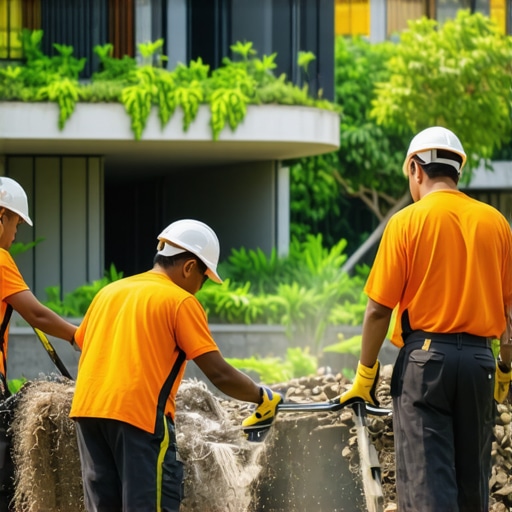
I remember the first time I tackled a post-construction cleanup after a major renovation. Dust particles the size of tremors, lingering paint fumes, and stubborn debris seemed impossible to conquer with traditional cleaning methods. At that moment, I had a lightbulb moment—would there’s a way to clean faster, smarter, and more sustainably? If you’ve ever stood amid a post-renovation mess, feeling overwhelmed and worried about the environmental impact of your cleaning routine, you’re not alone. Today, I promise we’ll explore eco strategies that deliver quick, reliable sanitation without compromising our planet.
Why Eco-Friendly Post-Construction Cleaning Matters More Than Ever
The importance of adopting environmentally conscious cleaning methods has skyrocketed. Not only do these strategies help preserve our health and the environment, but they also often result in faster cleanup times. Conventional cleaning products are filled with chemicals that can linger long after the dust settles, posing health risks and contributing to indoor air pollution. Conversely, eco-friendly solutions prioritize sustainability, safety, and efficiency.
Initially, I made the mistake of relying solely on strong chemical cleaners, thinking they would speed up the process. However, I quickly learned that such products often require more rinsing and venting, extending the time needed for a thorough clean. Moreover, I overlooked the fact that many green cleaning methods are just as effective—if not more so—when applied correctly.
Research shows that using sustainable cleaning solutions can reduce hazardous waste and improve sanitation outcomes. This potent combination of eco-consciousness and efficiency is becoming a game-changer in post-construction cleanup. For more insights, check out [post-construction sanitizing solutions that are both sustainable and effective](https://sparklehomeclean.com/post-construction-sanitizing-sustainable-solutions-that-shine).
But before we dive into practical tips, I want to address a common skepticism: “Can green methods really keep up with the demands of post-construction cleaning?” That’s a fair question, and one I grappled with early on. The key lies in understanding which eco strategies are not just environmentally friendly but also tailored for speed and reliability. Ready to learn how you can revolutionize your cleanup routines? Let’s start with the basics and move toward smarter, greener solutions that truly deliver.
Gather Your Eco-Friendly Tools and Supplies
Start by assembling non-toxic, biodegradable cleaning products such as plant-based detergents, vinegar, baking soda, and essential oils. Use microfiber cloths and sustainable scrub brushes. I remember collecting these after reading about green cleaning [here](https://sparklehomeclean.com/eco-friendly-house-cleaning-tips-for-a-healthy-living-space). Having the right tools ensures efficiency and reduces waste.
Break Down the Cleanup into Phases
Remove Debris and Large Particles First
Begin with a thorough removal of large debris—wood scraps, plastic, drywall chunks—using sturdy, eco-friendly waste disposal bags. Picture sweeping away shattered drywall like clearing rubble after a storm—quickly, systematically, eliminating obstacles.
Dust and Surface Cleaning
Use damp microfiber cloths to trap dust on surfaces. This approach prevents dust from resettling and minimizes airborne particles. I once tackled a room where dust settled into every nook; with this method, I reduced cleanup time significantly.
Sanitize and Disinfect
Mix vinegar with water or use eco-certified sanitizers to disinfect surfaces. Apply with cloths (not sprays, to reduce VOCs). Think of it as giving your space a health check—the faster, greener way that keeps everyone safe.
Target Persistent Stains and Grease
For stubborn spots, sprinkle baking soda and add vinegar to create a natural foaming action. Let it sit briefly before scrubbing with a sustainable brush. I recall tackling a greasy kitchen wall; this combo cut cleaning time in half while being gentle on the environment.
Maintain Air Quality and Ventilation
Open windows and doors during and after cleaning to disperse any residual fumes. Use eco-friendly air purifiers or houseplants to enhance indoor air quality. This step is vital, especially after applying cleaning solutions—think of it as giving your indoor space a breath of fresh air.
Implement Quick Routines for Future Cleanups
Adopt daily minimalistic cleaning using organic sprays and microfiber cloths. This prevents buildup and makes deep cleans manageable. For ongoing sustainability, explore [green house cleaning tips](https://sparklehomeclean.com/green-house-cleaning-tips-for-a-safer-environment) that align with your home’s needs. Consistency transforms daunting cleans into manageable tasks and reduces chemical reliance.
Dispose of Waste Responsibly
Ensure all waste is separated into recyclable, compostable, and hazardous materials. Check local guidelines for disposal—this practice aligns with sustainable sanitation efforts and minimizes environmental impact. I once meticulously sorted waste from a renovation site—it felt good knowing I reduced landfill contribution.
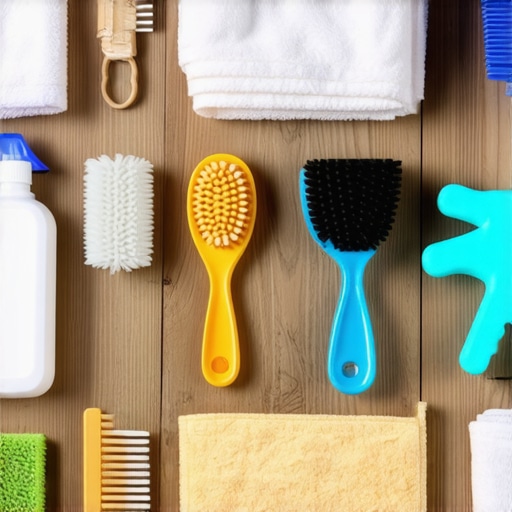
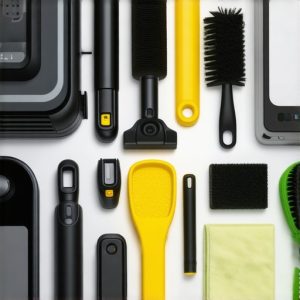
Visualize eco-friendly cleaning tools in action: biodegradable products, microfiber cloths, and sustainable brushes, emphasizing minimal environmental impact.
Many believe that eco-friendly cleaning is just about swapping chemical products for natural ones, but in my experience, this is a gross oversimplification. A widespread misconception is that green cleaning methods are inherently less effective or slower. In reality, when applied with proper technique and understanding of nuances, eco-friendly cleaning can outperform traditional methods both in speed and sanitation quality. For example, using microfiber cloths not only reduces waste but also improves dust removal efficiency, leading to quicker cleanups. This revolves around a critical nuance: understanding which eco strategies are genuinely effective versus those that are surface-level clever tricks. Commonly, cleaners fall into the trap of relying on trendy green products without mastering their optimal application, often diminishing their potential. Moreover, many believe that green cleaning is only suitable for light maintenance, but with the right deeper strategies—like targeted natural disinfectants—it can handle post-construction messes effectively. An advanced mistake to watch out for involves overlooking the importance of ventilation when using eco-friendly solutions. Without proper airflow, residual fumes—even natural ones—can linger and impact indoor air quality. A study by the EPA highlights that adequate ventilation significantly improves indoor air quality during cleaning, regardless of the products used. This emphasizes that eco-friendly strategies require a holistic approach, integrating product choice, technique, and environmental controls. Are you aware of the subtle complexities that make or break green cleaning effectiveness? Let’s dig deeper into techniques that truly elevate your sanitation game. For instance, understanding the microbial efficacy of various natural disinfectants can be game-changing. Check out ecological yet potent solutions in my post on [sustainable cleaning methods for a healthy living space](https://sparklehomeclean.com/sustainable-cleaning-methods-for-a-healthy-living-space). Remember, superficial adoption of green practices often results in underwhelming results, but mastery of nuances elevates your cleaning routine from average to expert level. Don’t fall into the trap of complacency—continue learning about advanced cleaning nuances to stay ahead in sustainability and effectiveness. Want to learn more about avoiding common pitfalls? Visit our [privacy policy](https://sparklehomeclean.com/privacy-policy) for insights and resources. Have you ever fallen into this trap? Let me know in the comments.Maintaining an effective eco-friendly cleaning routine over time requires the right tools and a strategic approach. Personally, I swear by high-grade microfiber cloths—they trap dust and microbes more efficiently than traditional rags, reducing the need for chemical cleaners and cutting down on waste. These cloths pay for themselves quickly, since you can wash and reuse them multiple times, aligning perfectly with sustainable practices. Additionally, an industrial-grade HEPA vacuum cleaner, like the Dyson V11, has dramatically improved my ability to remove embedded dust and debris post-construction without dispersing particles into the air, which is crucial for indoor air quality and sanitation. For sanitizing, I prefer eco-certified disinfectants, such as those based on plant-derived compounds, which are just as effective as chemical options but safer for long-term use in homes. Incorporating tools like handheld steam cleaners can also accelerate deep cleaning sessions, especially when tackling stubborn grime in corners or on textured surfaces, without introducing chemical residues.
Looking ahead, I predict that smart cleaning technology will become more prevalent—wireless, app-controlled devices equipped with sensors to monitor airborne dust levels or surface cleanliness, ensuring that your efforts are precisely targeted. Investing early in such tech could streamline routine maintenance and make eco-friendly cleaning more effortless.
So, how do I maintain these tools over time? Regular care is key. Microfiber cloths should be rinsed thoroughly after each use and washed separately to prevent fiber degradation. HEPA vacuums require periodic filter replacements, typically every 6-12 months depending on usage, which ensures optimal performance. Always follow the manufacturer’s instructions for your eco-friendly cleaning solutions to preserve their efficacy; using a fresh spray bottle every few weeks can keep your disinfectants potent.
For a comprehensive look at durable, eco-conscious cleaning tools, check out my recommendations at [eco-friendly house cleaning hacks for a greener home](https://sparklehomeclean.com/eco-friendly-house-cleaning-hacks-for-a-greener-home). Maintaining your tools and understanding their proper care maximize their lifespan and ensure consistent, sustainable results. Remember, the effectiveness of your routine hinges on the quality and upkeep of your equipment, so invest time in routine maintenance just as much as your cleaning strategies.
Finally, integrating technology-driven tools like ultraviolet light sanitizers, endorsed by microbial experts like Dr. Charles P. Gerba, can significantly enhance sanitation levels in less time—proof that advanced equipment can complement eco-friendly practices effectively. Trying out one of these advanced solutions today could revolutionize your long-term sanitation results and make your cleaning routine more sustainable. Ready to elevate your eco-cleaning game? Start by choosing a microfiber cloth or steam cleaner and keep it in top condition. Your home and environment will thank you.
The Hardest Lesson I Learned About Eco-Friendly Cleaning After Renovations
One of the most profound realizations came when I underestimated the importance of proper ventilation while using natural disinfectants. I thought that simply opening windows was enough, but I soon discovered that without strategic airflow, residual fumes could linger, affecting indoor air quality and overall effectiveness. This taught me that even eco-products require thoughtful application and environmental controls to truly shine.
Three Myths About Post-Construction Green Cleaning That I Want to Bust
- Green cleaning is less effective: I found that with the right tools like microfiber cloths and steam cleaners, eco-friendly strategies often outperform traditional chemical methods in speed and sanitation.
- Eco solutions take longer: Proper technique, such as targeting stubborn stains with baking soda and vinegar, allows for rapid, chemical-free cleaning without sacrificing thoroughness.
- You can’t handle large messes sustainably: Combining high-quality tools and strategic phases of cleaning—debris removal, dusting, sanitizing—makes green post-construction cleanup swift and sustainable.
Why My Best Tools Came From Personal Experience
I trust microfiber cloths for their durability and dust-trapping ability, reducing waste and chemical use, which I detail in my post on [eco-friendly house cleaning hacks](https://sparklehomeclean.com/eco-friendly-house-cleaning-hacks-for-a-greener-home). An industrial-grade HEPA vacuum transformed my cleanup process, giving me confidence that I’m not dispersing dust into the air. These tools, coupled with eco-certified disinfectants I select carefully, create a powerful, sustainable cleaning routine I can rely on. For ongoing tips, check out [my easy-to-follow eco cleaning recommendations](https://sparklehomeclean.com/eco-friendly-house-cleaning-tips-for-rapid-trustworthy-results).
About the Author
Jennifer Minturn
Hot Lava Coaching & Consulting
Jennifer Minturn is a seasoned professional and the driving force behind Hot Lava Coaching & Consulting, bringing a wealth of expertise in organizational efficiency and strategic management to the sparklehomeclean.com team. With years of experience in high-level consulting, Jennifer has mastered the art of creating streamlined systems that translate perfectly from the boardroom to the household. Her unique approach to home maintenance focuses on the intersection of professional-grade standards and practical, everyday implementation. Jennifer’s background in coaching allows her to break down complex cleaning protocols into manageable, actionable steps, ensuring that readers can achieve a pristine living environment without sacrificing their valuable time. At sparklehomeclean.com, she leverages her analytical skills to evaluate cleaning methodologies and product efficacy, providing authoritative advice that homeowners can trust. Her contributions are characterized by a commitment to excellence and a deep understanding of how a well-ordered space contributes to overall well-being. Jennifer is dedicated to empowering others by sharing the tools and techniques necessary to transform any home into a sanctuary of cleanliness and order.
LinkedIn Profile
This post resonates strongly with my own experience in tackling post-construction cleanup, especially the emphasis on using eco-friendly tools. I was initially skeptical about how effective natural disinfectants could be compared to chemical options, but after implementing microfiber cloths and vinegar solutions, I noticed a significant reduction in residual fumes and faster turnaround times. One challenge I faced was ensuring proper ventilation during cleaning, which your article highlights as crucial. It’s interesting to see how integrating simple steps like opening windows and using houseplants can drastically improve indoor air quality. I wonder, has anyone experimented with automated or smart ventilation systems to optimize airflow during eco-cleaning routines? I’d love to hear more about how technology can further streamline sustainable post-renovation sanitation—perhaps even in conjunction with advanced tools like UV sanitizers.
Reading this post really brought to mind my own experiences with post-construction cleanup. I used to rely heavily on chemical cleaners, thinking they sped things up, but like many here have noted, they often prolonged the process because of necessary ventilation and rinsing. Switching to eco-friendly options like microfiber cloths, natural disinfectants, and proper waste segregation has drastically improved my efficiency. One thing that stands out is ventilation — I’ve found that installing a simple exhaust fan with a timer system helps maintain optimal airflow, especially in indoor environments where cross-ventilation isn’t enough. Interestingly, I recently invested in a smart air purifier that monitors airborne particles, and it’s a game-changer. Has anyone else experimented with tech integrations, such as smart vents or sensors, to further refine eco-cleaning routines? I’d love to hear how others are leveraging technology for sustainable sanitation, especially during large-scale renovations. The future of eco-cleaning seems to be heading toward smarter, more integrated solutions, which makes the process even more promising.
What I appreciate most about this post is the emphasis on integrating eco-friendly tools early in the cleanup process. In my experience, having a well-planned phase-wise approach—starting with debris removal, followed by dusting and disinfecting—not only speeds up the entire operation but also minimizes waste. I’ve found that microfiber cloths and natural disinfectants like vinegar work wonders, especially when combined with proper ventilation strategies, such as portable exhaust fans. I’m curious, have others experimented with natural enzyme-based cleaners for stubborn stains or organic air purifiers to improve indoor air quality during these deep cleans? I think the future of sustainable post-construction cleaning lies in smart integration of tools and techniques to maximize efficiency while protecting our environment. It’s inspiring to see how focusing on proper tool maintenance, like regular filter changes, can extend the lifespan of equipment and ensure consistent results. How do others balance the initial investment in high-quality eco-tools with the long-term savings and environmental benefits? Would love to hear your insights!
I really appreciate this comprehensive approach to eco-friendly post-construction cleaning. It’s interesting how the emphasis on phase-wise cleaning and proper ventilation can make such a difference in efficiency and safety. I’ve personally started incorporating microfiber cloths and natural disinfectants like hydrogen peroxide in my projects, and I’ve noticed a significant reduction in chemical fumes and residue. One challenge I often face is maintaining consistent waste segregation on-site, especially with larger crews. Have others found effective ways to streamline waste sorting in active renovation environments? Also, with the rise of smart home integrations, I’ve been exploring AI-powered air quality monitors to optimize ventilation and ensure healthier indoor spaces post-cleanup. It would be great to hear if anyone has experimented with such technology or has tips on combining traditional eco strategies with innovative tech tools for faster, greener outcomes. Overall, this post reinforces how sustainable practices can be both efficient and healthier for occupants and workers alike.
This post really sheds light on how integrating eco-friendly practices can genuinely streamline post-renovation cleaning. I agree that tools like microfiber cloths and natural disinfectants are game-changers—I’ve found that they not only work well but also save money long-term since they’re reusable and don’t require harsh chemicals. A point that resonated with me is the importance of proper ventilation; I used to underestimate this step, but I’ve noticed that opening multiple windows and using simple exhaust fans significantly improves air quality and reduces lingering fumes. Have others experimented with dehumidifiers or air purifiers with HEPA filters during or after the cleanup to further enhance indoor air? I’m curious about how new tech, like automatic sensors or smart ventilation, could take this process even further. All in all, promoting a holistic, mindful approach to sustainability makes the entire process more effective and healthier for everyone involved.