
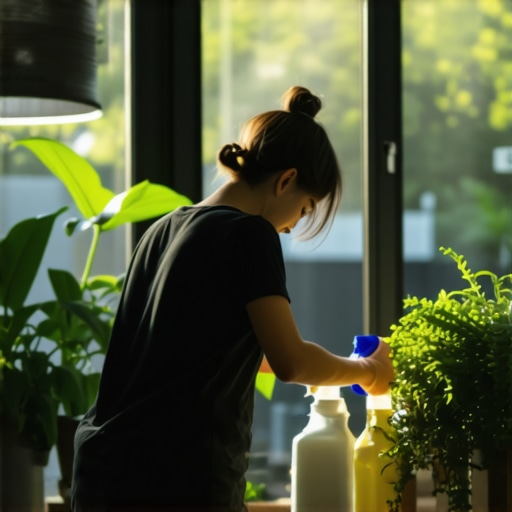
It was the moment I realized I’d been doing it all wrong. After a hefty renovation, I stood amid the chaos, breathing in the dust, chemicals lingering in every corner, and feeling utterly overwhelmed. The smell of fresh paint, stubborn debris, and chemical cleaners made me wonder—was this really the best way to restore my home? That lightbulb moment spurred me to rethink everything about post-construction cleaning. I wanted results that were fast, trustworthy, and kind to the environment. If you’ve ever felt that sinking frustration, you’re not alone. Today, I’ll share how adopting eco-friendly cleaning methods can transform your post-construction cleanup, giving you rapid, reliable results you can trust.
Why Eco-Friendly Cleaning is a Game-Changer After Construction
The traditional approach often involves harsh chemicals that not only pose health risks but also harm our planet. Early on, I made a mistake I see many others repeat—I relied solely on conventional cleaners and didn’t consider the impact. Not only did it leave my home smelling worse, but I also worried about the lingering toxins affecting my family’s health. The good news? Switch to sustainable methods, and everything changes. Eco-friendly cleaning isn’t just a trend; it’s a smart, effective way to tackle the mess safely and efficiently. Curious if it really makes a difference? Check out [this resource](https://sparklehomeclean.com/sustainable-cleaning-methods-for-a-healthy-living-space) for more insights. Sustainable solutions cut down on harmful residues, speed up the cleaning process, and create a healthier environment for everyone involved. Plus, they’re often more effective than the chemical-heavy alternatives. So, how can you achieve results that are quick, reliable, and eco-conscious? That’s what we’ll explore next. But first, let’s address a common concern: Is all this eco-friendly talk just hype? Or can it truly replace traditional post-construction cleaning tactics? If you’ve been skeptical, I get it. I’ve been there. Let’s dig into that next and see why making the switch is worth it.
Select Eco-Friendly Cleaning Products That Cut Through Dust and Debris
Start by choosing biodegradable, non-toxic cleaners that effectively remove construction residues without harming your health or the environment. When I tackled my recent renovation, I opted for plant-based solutions like vinegar and baking soda, which proved just as powerful as chemical cleaners. Spray the solution generously over surfaces, allowing it to loosen stubborn dirt, then wipe clean with microfiber cloths for quick results.
Prioritize Air Circulation and Ventilation for a Safer Space
Open windows and install fans to circulate fresh air, helping to remove airborne dust, chemical fumes, and odors swiftly. During my cleanup, I kept the windows wide open and used portable HEPA air purifiers, which significantly reduced dust and chemical lingering in the air, creating a healthier environment faster. Proper ventilation accelerates drying times and minimizes respiratory irritation. 
Use Microfiber Cloths and Eco-Friendly Tools for Effective Cleaning
Replace traditional rags with microfiber cloths—they trap dust, dirt, and residues more efficiently, reducing the need for excessive cleaning agents. I invested in reusable microfiber mops and scrubbers during my project, which halved my cleaning time. These tools are durable, washable, and environmentally friendly, making the process faster and more sustainable.
Target High-Contact and Contaminated Spots with Specialized Sanitization
Identify zones prone to germ buildup—door handles, switches, and countertops—and sanitize them with eco-friendly disinfectants approved for post-construction use. I used a plant-based disinfectant spray, ensuring surfaces were safe for my family and pets without sacrificing cleanliness. Regular, targeted sanitization prevents mold and bacteria growth, offering rapid peace of mind.
Implement Quick-Dry Techniques to Accelerate the Process
After cleaning, speed up drying by using fans, dehumidifiers, or microfiber cloths to absorb residual moisture. During my cleanup, employing a combination of fans and microfiber cloths shortened the drying phase, allowing me to finish the job in record time. Fast drying prevents new dust from settling and reduces the chance of mold formation.
Dispose of Debris Responsibly to Keep the Site Tidy
Sort construction waste into recyclable and non-recyclable bins, ensuring environmentally conscious disposal. I coordinated with local recycling centers for materials like cardboard and metal, which sped up the cleanup and minimized landfill contribution. Proper debris management not only supports sustainability but also keeps the site safe and organized.
Incorporate Sustainable Practices into Routine Maintenance
Establish a cleaning routine that emphasizes eco-friendly habits, like using reusable cloths and natural disinfectants. During my post-renovation, regular cleaning using sustainable solutions maintained the space’s freshness, preventing buildup, and reducing future work. Consistency ensures that eco-friendly methods become second nature, saving time and resources in the long run.
Many assume that choosing natural cleaning products alone ensures a safe and effective post-construction cleanup, but this is a misconception. While eco-friendly solutions are crucial, their misuse or misunderstanding can lead to subpar results. For example, some believe that pre-made green cleaners are universally effective, yet certain stubborn residues require specific formulations, like those detailed in [trusted eco house cleaning tips](https://sparklehomeclean.com/eco-friendly-house-cleaning-tips-for-a-greener-home). Furthermore, over-reliance on DIY methods without understanding chemical interactions can inadvertently leave harmful residues, counteracting the purpose of eco-conscious cleaning. A common myth is that all natural disinfectants offer the same level of sanitation; in reality, their efficacy varies widely, and improper application can leave bacteria behind, risking health issues.
It’s vital to recognize the nuances of eco-sanitization: not every green product is suitable for every surface or contamination level. For instance, certain plant-based disinfectants may be less effective against mold if not used correctly. This highlights the importance of understanding specific product capabilities, as discussed in [post-construction sanitizing secrets](https://sparklehomeclean.com/post-construction-sanitization-secrets).
Are you aware of the advanced techniques to maximize eco-friendly cleaning effectiveness? One overlooked aspect involves the timing and method of application. Properly diluting solutions, ensuring adequate contact time, and using appropriate tools like microfiber cloths can significantly improve results, as simple as they sound. Ignoring these details can reduce cleaning speed and trustworthiness, leading homeowners to revert to harsher chemicals, which is counterproductive.
An often unnoticed trap is neglecting comprehensive air quality management during cleaning. Building sites are laden with airborne dust, volatile organic compounds (VOCs), and chemical fumes that linger if not properly ventilated, impeding sanitation efforts. Experts emphasize that implementing robust ventilation strategies accelerates the process and enhances outcomes. For a deep dive into these advanced methods, the article on [eco-conscious post-construction sanitization](https://sparklehomeclean.com/eco-conscious-post-construction-sanitization-secrets) is a must-read.
In addition, many overlook the importance of continuous education about evolving green technologies and products. Staying informed ensures you aren’t caught off guard by new formulations, regulations, or best practices that could make your cleanup more efficient and safer. Regularly consulting comprehensive guides, like those available at [sustainable cleaning](https://sparklehomeclean.com/sustainable-cleaning-methods-for-a-healthy-living-space), can prevent costly mistakes.
Lastly, understanding the limitations of eco-friendly methods is key to not slipping into overconfidence. Natural does not mean omnipotent; sometimes, combining eco-friendly products with advanced tools or techniques yields the best results. Avoid the trap of assuming that green cleaning alone suffices for heavy-duty residues or pathogen elimination. A balanced approach, integrating expertise with eco-conscious principles, makes a significant difference.
Have you ever fallen into this trap of misconceptions? Let me know in the comments. Mastering these nuanced aspects of post-construction cleaning ensures your space is not only spotless but also healthy and sustainable—truly a testament to your attention to detail and commitment to innovation.When it comes to maintaining a spotless, healthy home after renovations, having the right tools makes all the difference. Personally, I swear by a set of high-quality microfiber cloths—they’re reusable, trap dust effectively, and reduce the need for chemical cleaners. My next must-have is a HEPA air purifier, which rapidly clears airborne dust and VOCs, ensuring safer air quality during cleanup. For scrubbing stubborn residues, I rely on eco-friendly electric scrub brushes—they save time and reduce physical effort, making the process smoother. Additionally, a portable, rechargeable wet/dry vacuum helps me extract debris efficiently from carpets and hard floors, minimizing messy dust clouds. To stay organized and ensure thorough sanitation, I use chemical-free disinfectant sprayers that distribute even, controlled amounts of natural disinfectants. Looking ahead, I predict that smart, IoT-enabled cleaning gadgets will become commonplace, allowing homeowners to monitor air quality and sanitization levels remotely for ongoing safety.
How do I maintain these tools over time?
Regular cleaning and maintenance are crucial. Microfiber cloths should be washed separately to preserve their lint-trapping properties. HEPA filters in air purifiers require periodic replacement—check manufacturer guidelines to keep them functioning optimally. Electric scrub brushes benefit from occasional motor checks and brush replacements; consult the user manual for specific maintenance routines. For the vacuum, emptying the debris container after each use and checking for blockages prolongs its lifespan. Finally, disinfectant sprayers should be flushed and stored properly to prevent mold growth. Using these tools diligently, along with eco-friendly cleaning solutions, ensures your cleanup remains effective and sustainable. For detailed insights into sustainable equipment options, visit [this resource](https://sparklehomeclean.com/eco-friendly-house-cleaning-hacks-for-a-greener-home). Incorporate these tools into your routine, and you’ll notice quicker, more trustworthy results. Ready to upgrade? Start by investing in a high-quality microfiber cloth and see how it transforms your cleaning experience.After immersing myself in the world of green cleaning, I learned that the most overlooked lesson is how much confidence can be built from small, consistent changes. One deep insight was realizing that even eco-friendly products can falter if not used correctly; the key lies in understanding each product’s unique interactions and application techniques. I also uncovered that misinformation around natural disinfectants often leads homeowners to underestimate their effectiveness, which only prolongs the cleaning process and leaves residues. The biggest lightbulb moment? Seeing the incredible impact of proper ventilation, not just on air quality but on the speed and trustworthiness of the entire cleanup operation. Lastly, I discovered that integrating advanced, eco-conscious tools—like HEPA purifiers and microfiber systems—revolutionizes outcomes, making sustainable post-construction cleaning feel effortless and more reliable than ever before. Dive into these insights to avoid common pitfalls and elevate your eco-friendly cleaning game!
Tools, Tips, and Tactics That Changed My Approach
I rely on high-quality microfiber cloths and eco-friendly disinfectant sprays known for their effectiveness in post-renovation environments. For ongoing improvements, I recommend exploring [trusted eco house cleaning secrets](https://sparklehomeclean.com/trusted-eco-house-cleaning-secrets-for-rapid-sustainable-sanitation), which I personally follow for updates and tips. Investing in a portable HEPA air purifier has been transformative in reducing airborne dust and fumes, enhancing both safety and confidence during cleanup. I also advocate for using electric scrub brushes and rechargeable vacuums—tools that cut cleaning time dramatically, all while staying aligned with green principles. For further guidance, check out [this comprehensive resource](https://sparklehomeclean.com/post-construction-sanitizing-sustainable-solutions-that-shine). These tools and insights truly underpin more rapid, trustworthy results, embodying a blend of innovation and sustainability that I wish I had embraced sooner.
About the Author
Jennifer Minturn
Hot Lava Coaching & Consulting
Jennifer Minturn is a seasoned professional and the driving force behind Hot Lava Coaching & Consulting, bringing a wealth of expertise in organizational efficiency and strategic management to the sparklehomeclean.com team. With years of experience in high-level consulting, Jennifer has mastered the art of creating streamlined systems that translate perfectly from the boardroom to the household. Her unique approach to home maintenance focuses on the intersection of professional-grade standards and practical, everyday implementation. Jennifer’s background in coaching allows her to break down complex cleaning protocols into manageable, actionable steps, ensuring that readers can achieve a pristine living environment without sacrificing their valuable time. At sparklehomeclean.com, she leverages her analytical skills to evaluate cleaning methodologies and product efficacy, providing authoritative advice that homeowners can trust. Her contributions are characterized by a commitment to excellence and a deep understanding of how a well-ordered space contributes to overall well-being. Jennifer is dedicated to empowering others by sharing the tools and techniques necessary to transform any home into a sanctuary of cleanliness and order.
LinkedIn Profile
![Read more about the article 7 Natural Ways to Strip Floor Wax Without Toxic Fumes [2026]](https://sparklehomeclean.com/wp-content/uploads/2026/02/7-Natural-Ways-to-Strip-Floor-Wax-Without-Toxic-Fumes-2026-300x300.jpeg)
I find it really inspiring how this approach emphasizes not just effectiveness but also health and sustainability in post-construction cleaning. When I recently renovated my kitchen, I started exploring eco-friendly methods after reading about their benefits in similar contexts. What really made a difference for me was using microfiber cloths, which not only trap dust better but are also reusable, reducing waste. Ventilation was another game-changer; opening windows and using HEPA purifiers helped clear out airborne dust and fumes quickly. However, I wonder about using natural disinfectants on heavily contaminated surfaces—do you have any tips for ensuring they’re truly effective against bacteria and mold, especially in damp areas? It seems like understanding the limitations of these products is crucial to avoid health risks or incomplete sanitation. Overall, I’d love to hear more about how other homeowners balance eco-friendly practices with heavy-duty cleaning challenges, particularly in humid climates where mold is a concern.
Reading through this post really resonated with me because I recently went through a similar post-renovation process and was overwhelmed by the mess and chemical smells. What stood out is how much more effective eco-friendly cleaning solutions can be when combined with good ventilation and proper tools. I’ve used vinegar and baking soda as well, and I found that their effectiveness improves dramatically when applied with microfiber cloths and scrubbers, just as you mentioned. My question for others here is: how do you deal with stubborn residues that seem to need stronger cleaners? Have you found natural alternatives that are truly effective against tough grime or mold, especially in humid climates? It’s interesting to see how integrating small practices—like faster drying and responsible debris disposal—can make a big difference in both the speed and safety of the cleanup. I’m keen to learn more about advanced techniques that help tackle these challenges without reverting to harsh chemicals. Any tips or personal success stories? Would love to hear your experiences.
This post really highlights the importance of integrating eco-friendly practices into post-renovation cleanup, which is something I’ve been increasingly interested in for my own home projects. One thing I’ve found helpful is the use of enzyme-based cleaners, especially for tackling stubborn residues like adhesives or paint overspray. They work gently yet effectively, and I feel better knowing I’m not introducing harmful chemicals into my living space. Ventilation has indeed been a game-changer for me as well; during my last cleanup, I kept windows open and used HEPA filters to clear the air, which made the process much safer and quicker. I’d love to hear from others—what are your go-to tools or techniques for ensuring deep cleaning of difficult spots while sticking to eco-friendly solutions? Do you think technological innovations like smart air quality monitors will become essential in future cleaning routines? It’s exciting to see how sustainable methods are evolving to meet these challenges.