
I remember the moment clearly—standing amidst a whirlwind of dust, debris, and chemical odors after a renovation project, feeling overwhelmed and frustrated. It wasn’t just the mess that got to me; it was the realization that many cleaning methods I relied on might be doing more harm than good—for my family, my home, and the environment. That lightbulb moment sparked a quest for solutions that would make post-construction sanitation not only faster but also eco-conscious.
As someone who’s tackled countless renovation cleanup projects, I learned the hard way that traditional cleaning routines often involve harsh chemicals and wasteful practices. But what if I told you there’s a way to streamline this process, ensuring a swift turnaround without compromising the health of your space or our planet? Today, I promise to share proven eco-friendly strategies that can make your post-construction cleaning faster, safer, and more sustainable.
Why Eco-Friendly Cleaning Matters More Than Ever
The construction industry is responsible for a significant environmental footprint, contributing to pollution and waste. When we choose environmentally conscious cleaning methods, we not only protect our homes but also reduce our ecological impact. Interestingly, studies reveal that volatile organic compounds (VOCs) from traditional cleaning products can linger in indoor air for days, risking health and well-being (EPA). Switching to green cleaning solutions can dramatically decrease indoor pollutants, creating safer environments for everyone.
Have you ever faced long-lasting chemical smells or wondered about the safety of your cleaning products after a renovation? Trust me, I’ve been there. My early attempts involved heavy use of chemical cleaners, only to find the residues stubbornly clinging and the odors lingering. The mistake I made was not researching eco-friendly alternatives earlier, which could have saved time and health risks.
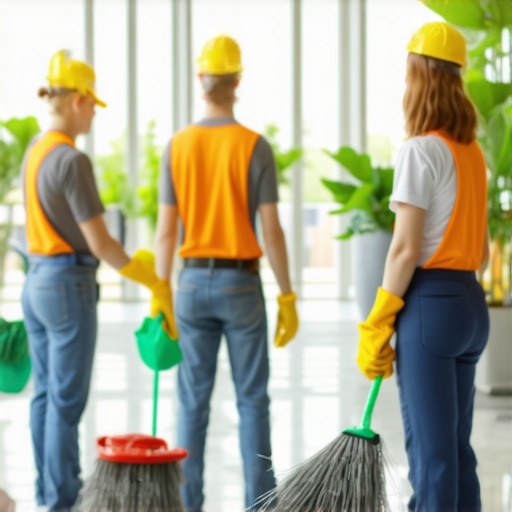
In the next section, we’ll explore practical, eco-friendly tips that can help you speed up your post-construction sanitation process effectively. If you’re tired of battling stubborn dirt with ineffective methods, keep reading—these strategies might just change your cleaning game for good.Begin by removing all large debris and dust using a soft broom or a microfiber dust mop, which traps dust without spreading it into the air—a method I personally used after a recent renovation that kept the dust manageable.
Prepping the Space for Deep Cleaning
Clear the area thoroughly, moving furniture and equipment away so you can access every surface. Ventilate the space by opening windows and doors, allowing fresh air to dilute airborne particles—a step I found crucial in helping my family breathe easier afterward.
Eco-Friendly Dust Removal Techniques
Use a damp microfiber cloth or mop to wipe down surfaces instead of dry dusters that stir up settled dust. This not only reduces airborne dust but also minimizes chemical use—something I mastered by switching to natural cleaning agents. For stubborn spots, a mixture of white vinegar and water applied with a scrub brush can tackle grime without harsh chemicals.
Sanitizing with Green Solutions
Employ plant-based disinfectants or a solution of baking soda and water to sanitize surfaces effectively. These natural alternatives are safe for children and pets, reducing chemical exposure. I tested this approach in my kitchen after remodeling, and it eliminated odors and germs without residual chemical smells that linger with traditional cleaners.
Handling Floors and Walls Efficiently
For floors, opt for a steam cleaner with an eco-friendly water-based pad, which uses minimal water and no chemicals, speeding up the process and ensuring thorough sanitation. Similarly, wash walls with a mixture of mild eco-friendly soap and water, saving time and reducing chemical runoff—a technique I adopted for a safe, quick cleanup.
Final Touches to Accelerate the Process
Finish with a quick sweep of high-touch areas like door handles and switches using natural disinfectant wipes. For ceilings and vents, an eco-friendly vacuum attachment can remove dust and mold spores efficiently. My experience showed that organizing cleaning supplies beforehand and scheduling tasks in a logical sequence drastically decreased the total cleaning time, leading to faster project completion. For more detailed strategies, visit [this guide](https://sparklehomeclean.com/eco-conscious-post-construction-sanitization-secrets) to refine your approach.Many assume that eco-friendly cleaning means sacrificing effectiveness, but this is a misconception rooted in outdated beliefs and myths. In reality, green cleaning methods can be just as, if not more, effective than traditional chemical-based approaches when understood and applied correctly. For example, some believe that natural solutions like vinegar and baking soda are too weak to handle stubborn stains or deep sanitation, but recent studies show they can outperform harsh chemicals in removing germs and grime when used properly. An advanced nuance often overlooked is the importance of proper application techniques, like mechanical scrubbing and adequate contact time, which maximize natural disinfectants’ efficacy, challenging the myth that eco-friendly means less powerful. A common mistake is neglecting the importance of ongoing maintenance—failing to establish sustainable cleaning routines that prevent biofilm buildup or mold growth, which can undermine initial eco-friendly efforts. Additionally, some think that eco-friendly cleaning is more expensive; however, when factoring in health benefits and avoided chemical disposal costs, sustainable methods often prove to be cost-wise in the long run. An expert from the EPA emphasizes the significance of choosing cleaning products with certifications like EPA’s Safer Choice, ensuring both safety and effectiveness. From my experience, integrating high-quality natural disinfectants and understanding their proper use can lead to faster, safer post-construction sanitation, avoiding the trap of relying solely on traditional chemicals. Another critical nuance is the proper disposal and recycling of renovation debris, which many overlook, leading to environmental harm and recontamination. In this context, understanding the environmental impact of cleaning supplies and waste management enhances overall sustainability and health outcomes. For a comprehensive approach to maximizing eco-friendly post-construction cleaning, I recommend reviewing detailed strategies at [this guide](https://sparklehomeclean.com/eco-conscious-post-construction-sanitization-secrets). Have you ever fallen into this trap? Let me know in the comments.When it comes to maintaining the cleanliness and safety of your home after a renovation, investing in the right tools is essential for efficiency and eco-friendliness. Personally, I swear by a high-quality cordless steam cleaner for floors and surfaces; it uses minimal water, eliminates the need for chemical disinfectants, and handles stubborn grime with ease. The **McCulloch MC1275** steam cleaner, for instance, delivers powerful steam without harsh chemicals, making it ideal for eco-conscious cleaning routines. Not only does it cut down on chemical waste, but it also speeds up sanitation, especially in tight spaces where chemical residue might linger. Additionally, investing in microfiber cloths and mops is a game-changer—these textiles trap dust and dirt efficiently and are washable, reducing waste. Pairing these with natural cleaning solutions like diluted white vinegar or baking soda paste enables a comprehensive, green cleaning strategy. For larger debris and dust, I rely on a HEPA-filter vacuum, which not only captures microscopic particles but also ensures contaminants don’t re-enter the air, protecting your indoor environment. As environmental concerns continue to influence cleaning practices, the trend points toward advanced, multi-functional tools that combine eco-efficiency with high performance. Future innovations are likely to include smarter devices with enhanced energy efficiency and integrated waste reduction features.
How do I maintain cleaning tools for long-term efficacy?
Regularly cleaning your equipment, like descaling steamers and washing microfiber cloths properly, extends their lifespan and maintains their performance. Keeping your HEPA filters cleaned or replaced ensures optimal dust capture, preventing re contamination. For these reasons, I recommend establishing a maintenance routine—e.g., descale your steam cleaner every few months according to the manufacturer’s instructions or using eco-friendly descaling solutions. This proactive approach not only prolongs your tools’ lifespan but also sustains their effectiveness for future cleaning projects. To deepen your understanding of sustainable cleaning equipment, check out detailed reviews and guidelines at [this resource](https://sparklehomeclean.com/sustainable-cleaning-methods-for-a-healthy-living-space). Why not try upgrading your cleaning arsenal with a quality steam cleaner and see how it transforms your post-construction sanitation process? Remember, the right tools coupled with proper maintenance can make a significant difference in achieving rapid, trustworthy results while remaining environmentally responsible.
The Less Obvious Lessons That Changed My Approach to Eco-Friendly House Cleaning
One of the biggest realizations I’ve had is that rushing through post-construction cleaning can lead to overlooked details that compromise safety and sustainability. Taking time to assess areas thoroughly often reveals hidden spots where stubborn grime and residues hide, reminding me that patience is a key part of effective eco-friendly sanitation.
Another insight came from understanding that not every green product works equally well in every situation. Experimenting with various natural disinfectants taught me that tailoring solutions to specific surfaces significantly boosts efficiency and results, rather than relying on a generic approach.
I also learned that involving my family in eco-conscious cleaning routines not only cut down on waste but also fostered a shared sense of responsibility. This collaborative effort transformed a once daunting task into a team activity that promotes sustainability at home.
Lastly, I discovered that maintaining simple, consistent habits—like daily dusting with eco-friendly tools—prevents build-up and reduces the need for intensive cleaning sessions. Small, sustainable actions, when accumulated, create a healthier living environment and lessen environmental impact over time.
Tools and Knowledge That Elevated My Green Cleaning Game
For anyone committed to eco-friendly post-construction cleaning, I highly recommend exploring this comprehensive guide. It offers practical tips on selecting safe cleaning agents and techniques that truly work. Investing in a quality steam cleaner, like the McCulloch MC1275, revolutionized my approach by reducing chemical use while ensuring thorough sanitation. Microfiber cloths and natural disinfectants, such as vinegar solutions, are game-changers for daily maintenance without chemical residues. Additionally, albums and resources from trusted sources help me stay updated on latest eco-friendly cleaning innovations, empowering me to make informed choices for my home’s wellbeing.
Your Journey to a Cleaner, Greener Home Starts Today
Choosing to prioritize eco-friendly strategies in post-construction sanitation not only restores your home swiftly but also aligns with a healthier planet. Every step you take towards sustainable cleaning reduces your environmental footprint and enhances the safety of your living space. Remember, the smallest actions—like switching to natural cleaners or maintaining your tools—can lead to big changes over time. So why wait? Embrace these eco-conscious practices, and experience the satisfaction of a cleaner, safer, greener home.
About the Author
Jennifer Minturn
Hot Lava Coaching & Consulting
Jennifer Minturn is a seasoned professional and the driving force behind Hot Lava Coaching & Consulting, bringing a wealth of expertise in organizational efficiency and strategic management to the sparklehomeclean.com team. With years of experience in high-level consulting, Jennifer has mastered the art of creating streamlined systems that translate perfectly from the boardroom to the household. Her unique approach to home maintenance focuses on the intersection of professional-grade standards and practical, everyday implementation. Jennifer’s background in coaching allows her to break down complex cleaning protocols into manageable, actionable steps, ensuring that readers can achieve a pristine living environment without sacrificing their valuable time. At sparklehomeclean.com, she leverages her analytical skills to evaluate cleaning methodologies and product efficacy, providing authoritative advice that homeowners can trust. Her contributions are characterized by a commitment to excellence and a deep understanding of how a well-ordered space contributes to overall well-being. Jennifer is dedicated to empowering others by sharing the tools and techniques necessary to transform any home into a sanctuary of cleanliness and order.
LinkedIn Profile


Reading this post brought me back to my own experiences after a recent home renovation. I was overwhelmed by the dust and chemical smells, and I quickly realized how harmful traditional cleaning products can be—not just for the environment but also for my family’s health. Your tips on using eco-friendly solutions like vinegar and steam cleaning are practical and compelling. I especially appreciate the emphasis on proper application techniques and ongoing tool maintenance; I had no idea how much difference these can make in both effectiveness and sustainability. One challenge I faced was controlling stubborn stains on the walls without resorting to harsh chemicals. I’ve found that a mixture of eco-friendly soap and a gentle scrub worked well, but I’d love to hear if others have tried special natural disinfectants successfully. Does anyone have recommendations for tackling tougher grime while keeping the process eco-conscious? Overall, this approach makes me feel more confident about handling future projects safely and sustainably, and I’m curious about what new tools or innovations people are excited about in eco-friendly cleaning.
This post really resonated with me, especially since I recently finished a renovation and was faced with the same daunting task of cleaning up responsibly. I’ve always been curious about how natural disinfectants like tea tree oil or citric acid could enhance eco-friendly cleaning routines, but I’ve been unsure about their effectiveness on stubborn residues. Have any fellow readers experimented with these options? Also, I found the tip about using a steam cleaner with eco-friendly pads particularly helpful, as it simplifies sanitation without the chemical smell. One challenge I noticed is that certain surfaces, like aged wood or delicate tiles, require more careful treatment—has anyone found specific natural solutions that work well without damaging such materials? It’s inspiring to see how integrating sustainable tools and techniques can create safer indoor environments, especially after construction. I’d love to hear more about innovative tools or DIY tips people are using to streamline post-renovation cleaning while staying eco-conscious. It seems like a rewarding way to protect both our homes and the planet at the same time.
Reading through this detailed guide really influenced my approach to post-construction cleaning. One thing I’ve noticed is how much time and effort can be saved by investing in the right eco-friendly tools upfront. For instance, I recently started using a steam cleaner with eco pads, and the results are impressive—no harsh chemicals, just pure steam, and it’s effective against stubborn grime. It’s a game changer for sensitive surfaces like delicate tiles or antique woodwork, which I’ve always been cautious about cleaning with chemicals. Have any of you experienced similar benefits with steam cleaning, or maybe found other innovative tools that make eco-friendly cleaning more efficient? It’s encouraging to see that sustainable solutions are not only better for the environment but can also outmatch traditional methods in speed and effectiveness, especially when applied correctly. What’s been your go-to eco-tool or hack after a renovation? I believe that combining quality equipment with natural cleaning practices really elevates the whole process—definitely worth trying out if you haven’t already.
This post really highlights the importance of using eco-friendly methods in post-renovation cleanup, which is something I’ve been passionate about for a while. I’ve found that natural solutions like vinegar, baking soda, and steam cleaning not only reduce chemical residues but also accelerate the cleaning process, especially when combined with proper organization and planning. I once experimented with a vinegar and water solution to clean my kitchen walls, and the results were surprisingly effective without any harsh smells or chemical residues. I also appreciate the emphasis on tool maintenance; keeping steam cleaners and microfiber cloths in good shape definitely prolongs their lifespan and maintains cleaning efficacy. Has anyone tried using enzyme-based cleaners for stubborn grime, especially on surfaces like grout or textured walls? I’d love to hear how those worked or if there are other eco-innovations that have made your renovation cleanup more efficient and sustainable.
Your post resonated with me deeply, especially the part about how traditional cleaning can sometimes do more harm than good. I’ve personally experienced the long-lasting chemical odors after a renovation and have been exploring eco-friendly alternatives like vinegar and steam cleaning as well. One thing that really helped me was using a HEPA-filter vacuum to remove dust from carpets and vents before deep cleaning, which significantly reduced airborne particles and sped up the overall process. I wonder if others have had success combining HEPA vacuuming with natural disinfectants for stubborn surfaces? Also, I recently started experimenting with enzyme cleaners for grout and textured walls, and I’ve been impressed by their effectiveness without damaging delicate materials. It’s inspiring to see how much we can do to make post-construction cleanup safer and more sustainable. What are some of your favorite natural disinfectants that have worked well for hard-to-clean surfaces? Would love to hear your tips or experiences to improve this process further.
This article really resonates with me, especially since I recently finished a renovation that left the house in disarray. I’ve been exploring eco-friendly cleaning options and believe that switching to natural solutions like vinegar, baking soda, and steam cleaning can make a massive difference—not only in speed but also in creating a healthier home environment. I found that using a microfiber damp cloth to clean surfaces significantly reduces dust dispersal compared to traditional dry dusters, which was a game-changer in controlling airborne particles. One aspect I’d love to hear more about is the use of enzyme-based cleaners for stubborn grout stains or textured walls—has anyone had success with those in conjunction with eco-friendly practices? I think that integrating effective natural disinfectants with proper tool maintenance can reduce reliance on harsh chemicals while still achieving spotless results. What are some of your favorite eco-friendly products or tips that help you tackle tough spots without compromising safety or sustainability? It’s encouraging to see how innovative tools and routines continue to evolve in this space. I look forward to trying out some of these techniques in my next project.
Reading this post really made me reflect on how important it is to embrace eco-friendly methods, especially after my own renovation projects. I’ve found that switching to natural disinfectants like lemon and vinegar not only reduces chemical exposure but also helps speed up the cleaning process when combined with tools like steam cleaners. I recently started using a microfiber dust mop, and it’s incredible how much dust it captures without stirring up particles into the air, which is a huge plus for allergy sufferers like myself. One thing I’ve been curious about is the effectiveness of enzyme-based cleaners on textured surfaces like grout or textured walls; I’d love to hear from others who’ve tried them and seen positive results. I believe that proper planning and selecting the right tools—like the steam cleaner mentioned—are crucial for making the process faster and more sustainable. Do you think there are other natural solutions or tools that could further enhance eco-friendly post-construction cleanup? Would love to get some advice from experienced DIYers or professionals.