
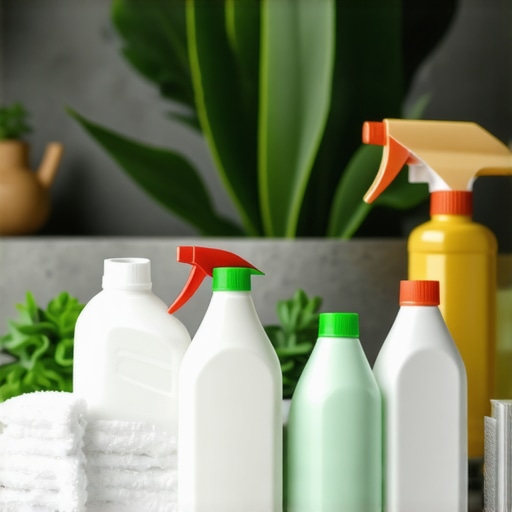
Ever scrubbed down your home, only to feel unsure if you’re truly making it safer or just wasting time and energy? That lightbulb moment hit me hard after I nearly used harsh chemicals on a freshly renovated space, realizing there had to be a better way. If you’ve ever felt overwhelmed by the endless cleaning options or worried about the environmental impact of your routine, you’re not alone. I’ve been there, fumbling through trial and error, until I discovered simple, effective eco-friendly strategies that deliver real results—fast.
Why Eco-Friendly Cleaning Matters More Than Ever
With the rise of post-construction messes and the ongoing need for safe sanitation, eco-friendly cleaning isn’t just a trend—it’s a necessity. Traditional products often contain harmful chemicals that linger long after the cleaning is done, impacting your health and the environment. Studies show that indoor air can be more polluted than outside, especially after renovation projects, due to lingering toxins from paints, adhesives, and cleaning agents. That’s why switching to sustainable methods is a game-changer. It’s not just about being green, but about creating a healthier, safer living space for everyone. Curious about how to make this switch seamlessly? I’ll walk you through it step-by-step, sharing tips that actually work.
Have You Faced This Problem?
Many of us struggle to find reliable, eco-friendly cleaning tips that don’t sacrifice results. If you’ve ever used a green product that barely cleaned or worried that your efforts weren’t enough to sanitize thoroughly—and you’re tired of wasting time and money—then keep reading. I made the mistake early on of relying solely on natural ingredients like lemon and vinegar, thinking they’d do the trick. Turns out, some jobs need a bit more punch while still being safe and sustainable. For trusted advice backed by science and real experience, I recommend checking out these proven eco-friendly house cleaning tips.
Now, let’s dive into how you can achieve rapid, trustworthy results without compromising your values or your health. Ready to transform your cleaning routine into a quick, eco-conscious process? Let’s go!
Prepare Your Space for Effective Cleaning
Start by removing all loose debris and trash from the area. Use a broom or vacuum with HEPA filtration to pick up dust and particles, preventing them from spreading during cleaning. I once tackled a post-renovation job where I used a dust mask and gloves, making the process cleaner and safer. This initial step sets the foundation for a thorough, eco-friendly cleanup.
Choose the Right Eco-Friendly Cleaning Agents
Opt for natural, biodegradable cleaning solutions like castile soap, baking soda, and essential oils. These ingredients are effective against dirt and mold without introducing harmful chemicals. I experimented with a vinegar and lemon mixture to clean countertops, but found that adding a bit of baking soda boosted its scrubbing power without sacrificing sustainability. For more tips, check out these eco-friendly hacks.
Sanitize Safely and Effectively
Use a diluted hydrogen peroxide solution (3%) or alcohol-based disinfectants approved for eco-friendly cleaning. Apply with microfiber cloths or mops, which reduce waste and improve sanitation. I once sanitized a bathroom after renovation using a spray bottle of hydrogen peroxide, which dried quickly and left no toxic residue. Remember, proper contact time is essential for effective disinfection—about 1 minute for most solutions.
Implement Rapid Cleaning Techniques
Break down the process into manageable sections: dusting, wiping, mopping. Use microfiber cloths for dusting surfaces—these trap particles better than traditional cloths. For floors, a steam mop can be eco-friendly if you use distilled water; it sanitizes without chemicals. During a recent project, I found that working systematically from top to bottom prevented recontamination, speeding up the entire process.
Ventilate and Deodorize Naturally
Open windows and use fans to circulate fresh air, which helps eliminate lingering odors. For deodorizing, sprinkle baking soda on carpets and upholstery, then vacuum after 15 minutes. I once deodorized a newly renovated living room with baking soda, which absorbed residual smells without any synthetic fragrances. Always ensure good airflow to accelerate drying and improve indoor air quality.
Final Touches for a Trustworthy Finish
Inspect the cleaned areas thoroughly, re-treat any spots, and ensure all surfaces are dry. Use eco-friendly disinfectant sprays for high-touch areas like door handles and switches. As I learned from these trusted tips, a quick wipe-down with sustainable products guarantees a safe, sparkling result. Completing this step ensures your space is not only clean but also safe for your family and the environment.
By following these precise steps, you can achieve fast, trustworthy, eco-friendly results after any construction or renovation project, making your home healthier and greener with less effort and more confidence.
Many assume that switching to eco-friendly cleaning products automatically guarantees a safe and effective home sanitation process. However, this common misconception overlooks the nuanced realities of sustainable cleaning. In fact, some popular beliefs can lead you astray, making your efforts less effective or even counterproductive.
One widespread myth is that all natural ingredients are equally safe and potent. While ingredients like vinegar, lemon, and baking soda are eco-friendly, relying solely on them can result in incomplete cleaning, especially against stubborn mold, bacteria, or post-construction residues. For example, vinegar is excellent against some bacteria but less effective against viruses or certain molds. This misconception can cause homeowners to under-clean or skip necessary disinfectants, thinking that natural ingredients suffice, which isn’t always true.
Another trap is the overuse of DIY solutions without understanding their limitations. Many believe that mixing their own concoctions, like lemon juice with baking soda, is always better than commercial products. But this can lead to inconsistent results, especially in post-construction cleanup where residual dust, paint, or adhesives require specialized solutions. Experimenting blindly might leave harmful residues or fail to sanitize thoroughly, risking health and safety. For trustworthy results, it’s best to use scientifically backed products that align with EPA safety standards, like those discussed in these trusted tips.
Are Natural Ingredients Enough for Post-Construction Sanitizing
Advanced cleaning professionals recognize that post-construction environments often harbor toxins from paints, adhesives, and dust particles. These require targeted, eco-friendly disinfectants such as hydrogen peroxide or EPA-registered green sanitizers, which have proven efficacy against a broad spectrum of pathogens. Relying only on natural ingredients in these situations can leave harmful residues and insufficient sanitation, risking long-term health issues. For comprehensive, eco-friendly solutions that guarantee safety and speed, consult these detailed strategies.
Furthermore, many overlook the importance of proper contact time and surface preparation. Even eco-friendly disinfectants need sufficient dwell time to work effectively. Failing to follow manufacturer instructions or skipping pre-cleaning steps can leave viruses and bacteria behind, defeating the purpose of eco-sanitization. Awareness of these advanced nuances is crucial for anyone serious about rapid, trustworthy results.
Finally, the misconception that eco-friendly always means less effective is false. When you choose the right products and techniques—like microfiber cloths, steam cleaning, and eco-certified disinfectants—you can achieve sanitation that’s both safe for the environment and highly effective. As experts emphasize, integrating these practices ensures your home stays healthy without compromising sustainability. For more insights, explore these top tips.
Have you ever fallen into this trap? Let me know in the comments and share your experiences with eco-friendly cleaning challenges.
Keeping your cleaning arsenal effective and eco-friendly requires more than just natural ingredients. It demands the right tools that enhance efficiency, reduce waste, and ensure long-term results. As someone deeply involved in sustainable house cleaning, I’ve found that the combination of quality equipment and smart techniques can make a significant difference in post-construction sanitation.
Why Microfiber Cloths Are a Game Changer
First, I always recommend investing in high-quality microfiber cloths. Unlike traditional cotton rags, these cloths trap dust, dirt, and microbes more effectively without the need for chemical cleaners. They are durable, washable, and reusable, aligning perfectly with eco-friendly principles. For stubborn residues, I use microfiber scrubbing pads that can handle paint splatters or adhesive remnants without scratching surfaces.
Steam Cleaners for Deep Sanitation
Next, a steam cleaner is indispensable for rapid, chemical-free sanitation, especially after construction projects. I prefer models with adjustable steam pressure and large water tanks, which allow for continuous cleaning without frequent refills. Steam effectively kills bacteria, molds, and dust mites, leaving surfaces sanitized and dry in minutes. This method is particularly useful for tiles, countertops, and even soft furnishings that might harbor post-construction dust.
Eco-Friendly Disinfectants and Their Application
While tools are essential, pairing them with EPA-registered eco-friendly disinfectants ensures thorough sanitation. I recommend hydrogen peroxide-based solutions over harsh chemicals. They are biodegradable, safe for the environment, and effective against a broad spectrum of pathogens when used correctly. Applying these with microfiber cloths or spray bottles minimizes waste and maximizes coverage.
Smart Storage and Maintenance to Extend Tool Lifespan
To keep your tools working efficiently over time, proper storage and maintenance are critical. Store microfiber cloths in a dry, clean area, and wash them with eco-friendly detergents. Regularly descale steam cleaners and check for wear to prevent malfunctions. This not only preserves the tools but also maintains their effectiveness, saving you money and reducing waste.
Future Trends in Eco-Friendly Cleaning Equipment
Looking ahead, I believe innovations like cordless, battery-powered steam cleaners and biodegradable cleaning pads will become standard. These advancements will further reduce energy consumption and plastic waste, making eco-conscious cleaning more accessible and efficient. Staying updated with the latest tools and techniques will help you maintain a healthier home environment with less environmental impact.
How do I maintain my cleaning tools over time?
Consistent maintenance is key. Wash microfiber cloths after each use with a natural detergent, avoiding fabric softeners which can clog fibers. Descale steam cleaners regularly following manufacturer instructions—many models recommend vinegar solutions for this purpose. Check for wear on brushes and replace them when needed to keep cleaning performance high. By caring for your tools properly, you ensure they continue to deliver quick, trustworthy, and sustainable results, saving you time and money in the long run. For more detailed guidance, you might want to explore these eco-friendly post-construction cleaning tips.
If you’re ready to upgrade your toolkit and see tangible results, I encourage you to try a high-quality microfiber steam cleaner. It’s an investment that pays off by simplifying post-renovation sanitation while keeping your home safe and green for years to come.
What I Wish I Had Learned Sooner About Eco-Friendly Cleanup
- One of the biggest lessons I learned was that natural ingredients like vinegar and baking soda are fantastic for many tasks but can fall short in post-construction scenarios. The residue from paints, adhesives, and dust often requires more advanced, eco-compatible disinfectants to truly sanitize.
- Trusting DIY solutions blindly can be a mistake. Without understanding the limitations of natural remedies, you risk leaving behind harmful residues or failing to eliminate pathogens effectively. Using EPA-registered eco-friendly products proved to be a game-changer for me.
- The myth that eco-friendly always means less effective almost convinced me to stick with traditional chemicals. But when I paired the right tools—like microfiber cloths and steam cleaners—with eco-safe disinfectants, I achieved results that rivaled conventional methods.
- Proper technique and contact time matter. I used to rush through the process, but I realized that allowing solutions to sit and thoroughly cleaning surfaces dramatically improved sanitation speed and reliability.
- Tool maintenance is often overlooked. Regularly cleaning and caring for microfiber cloths and steam cleaners ensures consistent performance, saving time and reducing waste in the long run.
Tools and Resources That Changed My Approach
- Microfiber cleaning cloths — Durable, washable, and highly effective at trapping dust and microbes without chemicals. My go-to for all surfaces.
- Steam cleaners — A powerful, eco-friendly way to sanitize without harsh chemicals, especially useful on tiles, countertops, and soft furnishings.
- Eco-certified disinfectants — Hydrogen peroxide-based solutions are my trusted choice for broad-spectrum sanitation that’s safe for the environment.
- Proper storage and maintenance guides — Ensuring my tools stay effective over time helps me deliver rapid, trustworthy results with less waste and expense.
Your Next Step Toward Confident, Green Cleaning
Now that I’ve uncovered these secrets, I encourage you to embrace eco-friendly cleaning techniques that are both fast and effective. Your home and the planet will thank you. The future of post-construction sanitation is sustainable, swift, and safe—are you ready to make the switch? Explore these proven tips and start transforming your cleaning routine today.
What’s been your biggest challenge with eco-friendly post-construction cleaning? Share your experience below—I’d love to hear your story!
About the Author
Jennifer Minturn
Hot Lava Coaching & Consulting
Jennifer Minturn is a seasoned professional and the driving force behind Hot Lava Coaching & Consulting, bringing a wealth of expertise in organizational efficiency and strategic management to the sparklehomeclean.com team. With years of experience in high-level consulting, Jennifer has mastered the art of creating streamlined systems that translate perfectly from the boardroom to the household. Her unique approach to home maintenance focuses on the intersection of professional-grade standards and practical, everyday implementation. Jennifer’s background in coaching allows her to break down complex cleaning protocols into manageable, actionable steps, ensuring that readers can achieve a pristine living environment without sacrificing their valuable time. At sparklehomeclean.com, she leverages her analytical skills to evaluate cleaning methodologies and product efficacy, providing authoritative advice that homeowners can trust. Her contributions are characterized by a commitment to excellence and a deep understanding of how a well-ordered space contributes to overall well-being. Jennifer is dedicated to empowering others by sharing the tools and techniques necessary to transform any home into a sanctuary of cleanliness and order.
LinkedIn Profile