
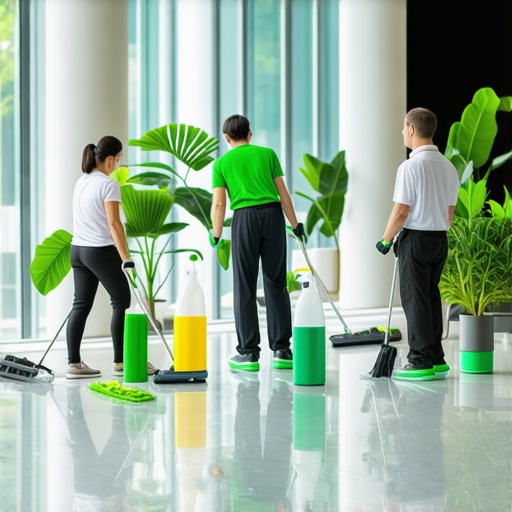
I remember the moment quite vividly. I was knee-deep in a post-construction mess, surrounded by dust, paint splatters, and a lingering chemical smell that made my eyes water. I had just finished a big renovation project, eager to move back into my space, but the chaos was overwhelming. Worse, I realized I’d been using harsh, chemical-heavy cleaners that left behind residues and fumes, not to mention the environmental impact I was unknowingly contributing to. That was my lightbulb moment—realizing there had to be a smarter, greener way to handle post-construction cleanup that didn’t sacrifice speed or safety.
Why Eco Solutions Matter Right Now
In today’s world, we’re more conscious than ever about the impact our choices have on the environment—and our health. Post-construction cleaning, which often involves heavy-duty chemicals and waste, is a prime area where sustainable practices can make a huge difference. Not only do eco-friendly methods protect our planet, but they also create safer spaces for residents and workers by reducing toxic residues and fumes. Plus, adopting green cleaning strategies can actually speed up the sanitation process, getting your home or office back in shape faster without compromising quality. According to a study published by the Environmental Protection Agency, green cleaning products can be just as effective as conventional ones, but with a much lower environmental footprint, and they often lead to healthier indoor air quality.
Have you ever faced the frustration of waiting for stubborn chemicals to evaporate, only to realize the process could have been faster and safer? If so, you’re not alone. Early in my cleaning journey, I made the mistake of ignoring the importance of eco-conscious solutions, relying solely on traditional, chemical-laden cleaners. That oversight slowed down my progress, left residues, and sometimes even caused allergic reactions. Since then, I’ve learned that the right green strategies can transform post-construction cleanup into a swift, safe, and sustainable process—something I want to share with you today.
Is Eco-Friendly Cleaning Actually Worth the Hype?
Many skeptics ask whether sustainable cleaning methods can truly match the effectiveness of conventional products. My answer is a resounding yes, but it’s crucial to choose wisely. The key lies in understanding which eco-friendly solutions work best for post-construction debris and residues. For example, natural enzymatic cleaners and biodegradable disinfectants can break down stubborn grime without harmful chemicals. If you’re curious about proven methods, I recommend checking out these eco-conscious post-construction sanitization secrets. They detail how green strategies can deliver quick, trustworthy results—a must-know for anyone serious about safe, sustainable sanitation.
So, if you’ve ever felt overwhelmed by the mess and the toxic fumes, know that there’s a better way. In the following sections, I’ll walk you through practical, eco-friendly tips that will help you clean faster, safer, and greener. Ready to transform your post-construction cleaning routine? Let’s dive in and make your space sparkling and sustainable—without the stress.
Choose the Right Sustainable Cleaning Products
Start by selecting eco-friendly cleaners that cut through dust, paint, and residues without harmful chemicals. I remember when I first switched to natural enzymatic cleaners; the difference was night and day. Not only did they work effectively on stubborn grime, but they also made my space smell fresh without chemical fumes. For a comprehensive list of trusted products, check out these eco-conscious strategies. When shopping, look for biodegradable labels and certifications like EPA Safer Choice.
Prepare Your Space for Eco Cleaning
Clear the area of large debris and move furniture to facilitate thorough cleaning. I once tackled a cluttered living room after a renovation—removing furniture was messy, but it made the cleaning much easier. Think of it as clearing obstacles before a race; it speeds up the process and ensures no corner is overlooked. Use microfiber cloths and mops—they trap dust better and reduce waste. Remember, less is more: avoid overusing cleaners to minimize chemical runoff and waste.
Master Green Cleaning Techniques
Use a damp microfiber cloth for dusting surfaces—think of it as a magnet for dirt. For stubborn residues, apply enzymatic cleaners directly to affected areas and let them sit for a few minutes. This is akin to giving the cleaner time to do its work, much like letting a marinade soak into meat. When mopping floors, use diluted biodegradable disinfectants; they are just as effective as conventional solutions but safer for your family and environment. I experimented with a vinegar-based solution, which worked surprisingly well on tile and concrete surfaces. For detailed methods, visit these hacks.
Ensure Proper Ventilation and Residue Removal
Open windows and use fans to circulate fresh air, helping residues evaporate faster. During my last project, I kept a window open while cleaning, which cut drying time in half. Think of it as airing out a room after painting—ventilation accelerates safety and cleanliness. After cleaning, wipe down surfaces with a clean, damp cloth to remove any remaining residues. This step is crucial to prevent chemical build-up and ensure a safe environment. Additionally, avoid rushing—allow surfaces to dry completely before moving furniture back in. This simple practice enhances safety and prolongs the cleanliness.
Proper Waste Disposal and Reuse
Separate recyclable waste from debris and dispose of it responsibly. I learned that composting certain biodegradable waste reduces landfill contribution significantly. Use reusable cleaning cloths and mop heads to cut down on plastic waste, much like refilling a water bottle instead of buying new. Consider repurposing leftover materials or donating unused supplies to community projects. These small steps multiply the positive impact of your green efforts, making your post-construction cleanup truly sustainable. For more on waste management, explore sustainable cleaning methods.
< >
>
Many people believe that switching to eco-friendly cleaning solutions automatically means sacrificing effectiveness or safety. However, this is a misconception that can lead to overlooked nuances and costly mistakes. In my experience, one of the most common myths is that natural products are inherently weaker than chemical cleaners. While it’s true that some products may seem less potent, the truth is that many eco-friendly cleaners are specifically formulated to be just as effective—if not more so—when used correctly. For example, enzymatic cleaners can break down stubborn residues without relying on harsh acids or solvents, which makes them a smart choice for post-construction sanitation. For a detailed overview, check out these eco-conscious strategies.
Another nuance often missed is the importance of proper application techniques. Using eco-friendly products isn’t just about swapping out chemicals; it’s about understanding how to maximize their potential. Applying too little may render them ineffective, while overuse can cause unnecessary waste and potential residue buildup. Additionally, many assume that eco solutions require longer wait times before surfaces are safe to use. In reality, with proper ventilation and residue removal, green cleaning can be faster than traditional methods, which often rely on lengthy curing or evaporation periods. A common mistake is neglecting this step, leading to lingering residues that compromise safety and cleanliness.
What advanced misconceptions do even experienced cleaners often overlook?
One sophisticated trap is underestimating the significance of residue removal after cleaning. Many believe that applying an eco-friendly disinfectant is enough, but residues from cleaning solutions themselves can cause issues—especially on porous materials or delicate surfaces. Residues can trap dirt or even react with new debris, making subsequent cleaning more difficult. According to a study published by the EPA, thorough residue removal is essential to ensure the longevity of eco-friendly cleaning efforts and maintain indoor air quality. This means wiping down surfaces with a damp cloth after cleaning, ensuring no chemical residues are left behind, which might otherwise cause allergic reactions or surface damage. Being vigilant about this step is crucial for both safety and sustainability.
Furthermore, some overlook the importance of compatibility between cleaning products and surfaces. Not all natural cleaners are suitable for every material; using an enzymatic cleaner on a delicate marble countertop or a biodegradable disinfectant on treated wood can lead to unintended damage. It’s essential to read labels carefully and test products on small areas first. This attention to detail is often neglected by beginners eager to speed up the process but can result in costly repairs or compromised surfaces.
Lastly, I want to warn you about the misconception that eco-friendly cleaning is a one-size-fits-all solution. Effective post-construction sanitation requires a tailored approach, considering the specific debris, residues, and surfaces involved. Combining different strategies—such as mechanical removal, appropriate chemical use, and proper ventilation—creates a comprehensive plan that ensures rapid, safe, and sustainable results. For advanced insights, consider exploring these methods.
Have you ever fallen into this trap? Let me know in the comments. Mastering the nuances of eco-friendly cleaning isn’t just about swapping products; it’s about understanding how they work together to deliver safe, effective, and sustainable results.
Keeping your cleaning tools and methods effective over time is essential to maintaining a safe, sustainable environment after construction projects. I rely heavily on high-quality microfiber cloths because they are durable, reusable, and trap dust and residues more efficiently than traditional cleaning rags. Investing in these cloths has reduced my waste significantly and improved my cleaning speed, especially when combined with eco-friendly solutions like enzymatic cleaners. For stubborn residues, I prefer biodegradable scrub brushes with natural bristles—they’re gentle on surfaces but tough on grime, making them an indispensable part of my toolkit. Regular maintenance of these tools ensures longevity and optimal performance. Rinsing microfiber cloths thoroughly and air-drying them prevents mold and bacteria buildup, extending their usability and keeping my space healthier.
Another game-changer in my arsenal is a versatile, rechargeable cordless steam cleaner. I use it for deep cleaning floors, tiles, and even upholstery, as it effectively sanitizes surfaces without chemicals. The steam penetrates pores, breaking down residues and killing bacteria, making it perfect for post-construction environments where residues can be stubborn. Plus, its rechargeable nature means I avoid disposable batteries and minimize waste. As technology advances, I predict that more eco-friendly cleaning devices will incorporate smarter energy use and multi-functionality, further streamlining sustainable sanitation efforts.
For managing waste efficiently, I recommend a robust compost bin for organic debris and a dedicated recycling station for plastics and metals. I use reusable spray bottles filled with biodegradable disinfectants, which I refill as needed, reducing single-use plastic waste. An often overlooked tool is a handheld vacuum with HEPA filters, which I utilize to quickly clear dust from surfaces and air vents, preventing airborne residues that could be harmful or allergenic. Maintaining these tools involves regular filter changes and proper storage to keep them in top condition for future projects.
How do I maintain my tools and methods for long-term success?
Consistent cleaning and proper storage are key. For example, cleaning brushes and cloths immediately after use prevents residue buildup, which can compromise their effectiveness. Periodic calibration of steam cleaners ensures they operate at optimal temperatures and pressure, maximizing sanitation while conserving energy. Additionally, I stay informed about new eco-friendly innovations by following trusted industry sources and participating in online forums dedicated to sustainable cleaning practices. This proactive approach helps me adapt quickly to emerging solutions and maintain high standards in sanitation. Remember, investing in quality tools and maintaining them properly not only saves money in the long run but also reinforces your commitment to sustainability. I encourage you to try integrating a rechargeable steam cleaner into your routine, as it’s a powerful step toward safer, greener cleaning—discover more at these sustainable solutions.
The Hardest Lesson I Learned About Eco-Friendly Post-Construction Cleaning
One of the most eye-opening lessons I encountered was realizing that not all eco-friendly products are created equal. Some natural cleaners, despite their green labels, may not deliver the results I need on stubborn residues. It taught me the importance of researching and testing products before committing to a cleaning routine, ensuring effectiveness without compromising sustainability.
My Surprising Revelation About Residue Removal
I used to believe that applying a green disinfectant was sufficient after cleaning. However, I found that residues from cleaners themselves can trap dirt and cause reactions that undermine safety and cleanliness. Wiping surfaces with a damp cloth after cleaning became a game-changer, helping me maintain a truly safe environment and enhancing the longevity of eco-friendly solutions.
The Power of Proper Tool Maintenance
Investing in durable microfiber cloths and rechargeable steam cleaners profoundly impacted my cleaning efficiency. Regularly maintaining these tools—rinsing cloths thoroughly and calibrating steam devices—not only extends their lifespan but also ensures consistent, high-quality results. This small investment in tool care pays off in better sanitation and sustainability over time.
Curated Resources for Deeper Learning
- Eco-Conscious Sanitization Secrets: A comprehensive guide I trust for practical, eco-friendly post-construction cleaning strategies. It combines proven techniques with sustainable product recommendations.
- Green House Cleaning Tips: An insightful resource that offers innovative tips for greener cleaning routines, perfect for maintaining a sustainable home environment.
- Sustainable Cleaning Methods: An authoritative source on integrating sustainability into everyday cleaning practices, ensuring safety for both the planet and your loved ones.
- Effective Trustworthy Strategies: A trusted blog that shares real-world experiences and tested methods for rapid, eco-friendly sanitation after construction projects.
Your Next Step Towards Greener Cleaning
Embarking on an eco-friendly post-construction cleaning journey may seem daunting at first, but every small step counts. By choosing the right products, maintaining your tools, and staying informed through trusted resources, you are making a profound difference — for your health, your home, and the planet. Don’t wait to start transforming your cleaning routine into a sustainable, effective process that you can be proud of.
What’s the biggest challenge you’ve faced when switching to eco-friendly cleaning methods? Share your story below—I’d love to hear how you’re making a difference!
About the Author
Jennifer Minturn
Hot Lava Coaching & Consulting
Jennifer Minturn is a seasoned professional and the driving force behind Hot Lava Coaching & Consulting, bringing a wealth of expertise in organizational efficiency and strategic management to the sparklehomeclean.com team. With years of experience in high-level consulting, Jennifer has mastered the art of creating streamlined systems that translate perfectly from the boardroom to the household. Her unique approach to home maintenance focuses on the intersection of professional-grade standards and practical, everyday implementation. Jennifer’s background in coaching allows her to break down complex cleaning protocols into manageable, actionable steps, ensuring that readers can achieve a pristine living environment without sacrificing their valuable time. At sparklehomeclean.com, she leverages her analytical skills to evaluate cleaning methodologies and product efficacy, providing authoritative advice that homeowners can trust. Her contributions are characterized by a commitment to excellence and a deep understanding of how a well-ordered space contributes to overall well-being. Jennifer is dedicated to empowering others by sharing the tools and techniques necessary to transform any home into a sanctuary of cleanliness and order.
LinkedIn Profile


Reading this post really resonated with me because I’ve recently started incorporating eco-friendly cleaning into my renovation cleanup routine. I used to rely solely on chemical cleaners, but I noticed that residues often delayed occupancy due to lingering fumes. Switching to natural enzymatic cleaners made a real difference — they worked just as effectively, and the fresh scent was such a bonus. One thing I’d love to learn more about is how other professionals manage ventilation during and after cleaning when using these greener solutions. Do you have any tips for quick drying times and ensuring all residues are thoroughly removed? It seems that proper residue removal is often overlooked but makes such a big impact on safety and indoor air quality. I’m curious: have you found specific tools or techniques that expedite this process without compromising the eco-nature of the cleaning? Looking forward to more insights on sustainable post-construction cleaning.
This post really highlights how important it is to rethink our approach to post-construction cleaning, not just for the environment but for our own health and efficiency. I’ve found that using enzymatic cleaners and biodegradable disinfectants truly makes a difference in not only speed but also in creating a safer indoor environment. One technique I’ve adopted is thoroughly ventilating the space during and after cleaning, which significantly reduces drying times and fumes. Also, I use microfiber cloths and clean them regularly—this helps trap dust and residues more effectively than traditional rags, making the process faster. I’d be interested in hearing from others about their favorite eco-friendly tools that help speed things up without sacrificing safety. Do you think technology like steam cleaners will become a standard part of green cleaning routines in the future? I believe they hold a lot of potentials, especially when combined with other sustainable methods.
Reading this detailed post really opened my eyes to how much potential there is in eco-friendly post-construction cleaning. I can personally relate to the frustration of dealing with chemical residues that seem to linger long after the initial cleaning, especially when trying to move back into a renovated space quickly. I’ve started experimenting with natural enzymatic cleaners, and the results are promising—not only do they work on stubborn residues, but they also improve indoor air quality significantly. I’m curious, has anyone tried using portable ozone generators or other innovative ventilation tech to speed up residue removal? I believe these tools could complement green cleaning practices well, especially in spaces with limited ventilation options. Also, I wonder how eco-friendly these tech solutions are in terms of energy consumption. It’s a balancing act, but the potential for a safer, cleaner environment post-renovation is truly motivating. Would love to hear more experiences or recommendations on integrating tech with green cleaning—open to suggestions!
This post offers so many practical insights into the benefits of eco-friendly cleaning methods after construction. I experienced similar frustrations with chemical residues lingering and delaying the final move-in, and switching to natural enzymatic cleaners made a noticeable difference. I especially agree on the importance of good ventilation—opening windows and using fans does wonders for reducing drying time and fumes. I’ve also started using reusable microfiber cloths, which not only trap dust more efficiently but also cut down on waste.
One question I have is about the long-term maintenance of eco-friendly tools like steam cleaners. How often do you recommend calibrating or servicing them to keep performance optimal? I’m also curious if anyone has tried integrating smart air purifiers or ozone generators into the cleaning process to speed up residue removal—are these worthwhile investments or do they pose concerns in terms of energy use and safety? Overall, I believe embracing these greener solutions can really transform post-construction sanitation into a safer, faster, and more sustainable process.
This post really hits home for me, especially about the importance of residue removal. I’ve often seen it overlooked, but it’s crucial for ensuring safety and maintaining that fresh, clean environment after a big renovation. I’ve personally started using microfiber cloths and natural cleaners like vinegar and enzymatic solutions, which work surprisingly well. The key I’ve found is thoroughly wiping surfaces after cleaning to eliminate any leftover residues. And yes, proper ventilation really helps speed things up. I’ve been experimenting with small portable air purifiers that use HEPA filters, and they seem to make a big difference by clearing out airborne particles and residues much faster. Has anyone else had experience with these devices? Do they actually help in reducing cleaning time and improving air quality post-cleaning? I’d love to hear everyone’s tips—sometimes the small details really make all the difference in making the process faster and safer.
Reading this post really made me reflect on how switching to eco-friendly cleaning solutions has transformed my approach to post-renovation sanitation. I used to rely heavily on traditional chemical cleaners, which often left residues that took ages to evaporate completely, delaying the space’s occupancy and raising health concerns. Since shifting to enzymatic and biodegradable cleaners, I’ve noticed not only faster drying times but also a noticeable improvement in indoor air quality, which is so critical after construction work. I also started integrating small portable air purifiers with HEPA filters, and they seem to significantly speed up residue removal, especially in spaces with limited ventilation.
One thing I’m curious about is how others best manage the balance between thorough cleaning and the environmental impact of their tools and tech. Do you find that advanced tech like ozone generators make a real difference, or do they introduce new challenges such as energy consumption? It’s inspiring to see how sustainable practices can truly enhance safety and efficiency post-renovation—what’s your go-to eco-friendly tool or tip that’s made a noticeable difference for you?