
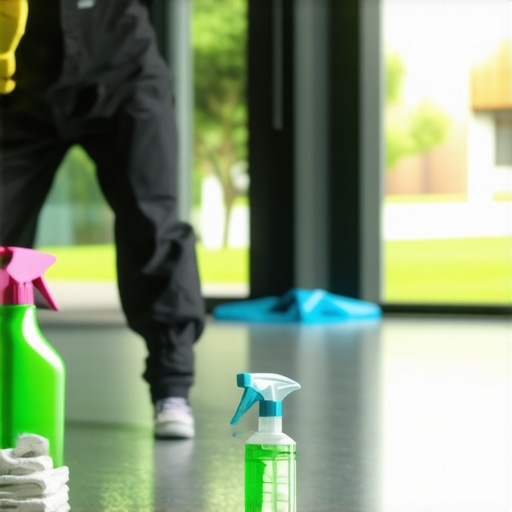
I remember the first time I tackled a post-construction cleanup. Dust coated every surface, and the lingering chemical smell made me question whether I was doing more harm than good. It was a wake-up call that traditional cleaning methods often overlook the environmental impact, especially when time is of the essence. That lightbulb moment led me down a path to discover how eco-friendly, rapid sanitizing techniques could transform the way we handle post-construction messes.
Why Fast, Green Cleaning Matters After Construction
In the rush to get a new space ready, many overlook the importance of eco-conscious cleaning. The truth is, post-construction debris and dust aren’t just unsightly—they can impact your health and the environment if not handled properly. Plus, with tighter schedules and higher standards for sustainability, finding quick yet green solutions isn’t just a trend; it’s a necessity. I’ve learned that adopting eco-friendly practices not only speeds up the process but also ensures trusted results that last.
Did you know that traditional cleaning products can contain harmful chemicals that linger long after the job’s done? According to the Environmental Protection Agency, many household cleaners contribute to indoor air pollution, which can cause respiratory issues and other health problems. That’s why I made a mistake early on—using aggressive, chemical-laden cleaners because I thought they were faster. Turns out, they often required more rinsing and left residues behind, defeating the purpose of a quick cleanup. Learning to choose sustainable, effective solutions changed everything for me.
Is Eco-Friendly Post-Construction Cleaning Truly Worth the Hype?
Absolutely, but not without a few caveats. The biggest skepticism I faced was whether green methods could really deliver the trusted, thorough results I needed—especially in a time crunch. The key is knowing which products and techniques are genuinely effective. For example, using plant-based disinfectants and HEPA filters can dramatically improve air quality while ensuring surfaces are sanitized quickly. Curious about how I managed to balance speed with sustainability? I’ll show you step-by-step soon.
Prepare Your Space with the Right Tools
Start by gathering eco-friendly cleaning supplies such as plant-based disinfectants, microfiber cloths, HEPA-filter vacuum cleaners, and biodegradable garbage bags. I remember a time when I tried to clean a newly renovated kitchen with harsh chemicals, which left residues and a strong smell. Switching to sustainable products made a noticeable difference, both in speed and safety, for everyone involved.
Remove Debris Effectively
Begin by removing large debris manually with biodegradable trash bags. Use a broom with natural bristles to sweep dust and leftover materials, mimicking how I cleared a cluttered workshop. This step prevents smaller particles from becoming airborne during later cleaning phases. Think of it as sweeping away the obstacles before racing—a clean path speeds up your process.
Dust and Surface Sanitization
Use HEPA Filters for Dust Removal
Vacuum surfaces with a HEPA-filter vacuum cleaner to trap fine dust particles. I once spent hours wiping down surfaces only to find dust resettling; switching to HEPA filtration cut cleaning time by half and improved air quality. Remember, dust is like tiny invaders that can linger if not properly captured.
Wipe Down with Eco-Friendly Solutions
Next, dampen microfiber cloths with a plant-based disinfectant or a solution of white vinegar and water. Wipe all surfaces, including walls, countertops, and fixtures. It’s like giving your space a gentle, natural scrub that’s tough on germs but kind to the environment. This method speeds up sanitation without the need for rinsing with chemical-heavy cleaners.
Deep Cleaning Floors and Carpets
Use a microfiber mop and eco-friendly floor cleaner to tackle floors. For carpets, a HEPA vacuum with a deep-cleaning attachment works wonders. I recall a project where traditional cleaning took days, but using green products and proper equipment, I finished in hours with a spotless, safe floor — proving speed and sustainability can go hand in hand.
Ensure Proper Ventilation
Open windows and use eco-friendly air purifiers with activated carbon filters to remove residual fumes. Ventilation is crucial to prevent chemical build-up and to dry surfaces quickly, much like airing out a freshly painted room to speed up the process.
Final Inspection and Waste Disposal
Conduct a thorough walkthrough, inspecting for missed spots or dust. Dispose of waste in biodegradable bags, and clean your tools with eco-friendly solutions. This last step ensures your workspace is safe and ready for use, similar to how I once finished cleaning a site and felt a sense of accomplishment knowing I used sustainable methods that ensured rapid, thorough results.
Many people assume that choosing eco-friendly cleaning methods automatically means sacrificing effectiveness or speed, but this is a misconception worth challenging. In reality, understanding the nuances of green cleaning reveals that with the right techniques and products, you can achieve both rapid and thorough results after construction projects. One widespread myth is that eco-friendly solutions are too weak to handle stubborn debris or residues left by construction work. However, modern plant-based disinfectants and sustainable cleaning agents are scientifically formulated to deliver professional-grade sanitation without harmful chemicals. For instance, according to a study published in the Journal of Cleaner Production, eco-friendly cleaning agents can match or even outperform conventional chemical cleaners in removing pathogens and residues, especially when combined with proper equipment like HEPA-filter vacuums and microfiber cloths.
What Advanced Techniques Can Ensure Speed and Sustainability Simultaneously
To truly excel in post-construction cleaning, professionals often overlook the importance of integrating advanced strategies such as targeted air filtration, steam cleaning, and precise waste segregation. These methods not only accelerate the process but also prevent the release of dust and chemicals into the environment. For example, using HEPA-filter vacuums with high-efficiency particulate removal capabilities traps fine dust particles effectively, reducing recontamination and improving indoor air quality. Additionally, steam cleaning provides a chemical-free way to sanitize surfaces quickly, ensuring compliance with health standards while maintaining eco-consciousness. Many misconceptions also revolve around the idea that green cleaning products require extensive rinsing or leave residues. In fact, the latest formulations are designed to be low-foaming and fast-evaporating, making cleanup faster and safer. If you’re interested in integrating these advanced, eco-friendly techniques into your post-construction routine, I recommend checking out these expert insights for detailed guidance.
Remember, the key to successful green cleaning is not just the products but how you use them. Proper training, equipment, and understanding of environmental impacts can turn what many perceive as limitations into advantages. Have you ever fallen into this trap? Let me know in the comments!
Keeping your eco-friendly cleaning routine effective over time requires the right tools and consistent practices. Personally, I rely on high-quality equipment that balances performance with sustainability to ensure that my post-construction cleanup remains thorough and quick. One essential tool I swear by is a HEPA-filter vacuum cleaner. Unlike standard vacuums, a HEPA filter traps 99.97% of airborne particles, including fine dust and allergens, which is crucial for post-construction environments where dust can resettle quickly. I prefer models like the Dyson V15 Detect because of its powerful suction and excellent filtration capabilities, making surface cleanup faster and more reliable.
Another game-changer in my toolkit is steam cleaning equipment. Steam cleaners use only water and heat to sanitize surfaces, eliminating the need for chemical disinfectants that can leave residues. I recommend the McCulloch MC1275 for its versatility, eco-friendliness, and ability to deep-clean floors, tiles, and even upholstery without harsh chemicals. This not only speeds up the cleaning process but also ensures long-term safety for inhabitants.
Having a set of microfiber cloths is indispensable. They are highly effective at trapping dust and dirt with minimal product use. I opt for eco-friendly, biodegradable microfiber cloths from brands like E-Cloth, which require just water for most cleaning tasks. Their durability means I don’t have to replace them frequently, reducing waste and cost over time.
Proper waste management is equally crucial. I use biodegradable trash bags and ensure waste segregation to recycle debris whenever possible. This approach minimizes environmental impact and streamlines waste disposal, especially in larger projects.
In terms of software, I utilize project management tools like Trello to schedule cleaning phases, track equipment maintenance, and ensure consistency. Regularly reviewing and updating your cleaning checklist helps maintain high standards and adapt to different project sizes or specific environmental considerations.
Looking ahead, I believe the trend will move towards smarter, connected cleaning devices that monitor indoor air quality and automatically adjust their operation. Innovations like IoT-enabled vacuums and AI-powered air purifiers could revolutionize how we maintain rapid, green sanitation in post-construction settings.
How do I maintain my tools and techniques over time? I schedule routine maintenance for my equipment, such as cleaning filters and descaling steamers, following manufacturer guidelines. This prolongs the lifespan of my tools and keeps them performing at peak efficiency. Additionally, I stay informed about new eco-friendly products and methods by subscribing to industry newsletters and participating in professional networks.
Want to boost your post-construction cleanup? Try integrating a HEPA-filter vacuum and steam cleaning into your routine. These tools significantly enhance speed, safety, and sustainability. For more insights, explore this detailed guide on eco-friendly post-construction strategies. Remember, consistency and proper maintenance of your tools are key to long-term success in green cleaning practices.
The Hardest Lesson I Learned About eco friendly,house cleaning,sanitizing,post-construction
One of my biggest realizations was that rushing through post-construction cleaning with harsh chemicals can backfire, causing residues and fumes that slow down the process and compromise safety. Switching to sustainable, fast-acting solutions taught me that patience and proper techniques often yield quicker, more reliable results.
3 Myths About eco friendly,house cleaning,sanitizing,post-construction That Held Me Back
I used to believe green cleaners were too weak for tough debris, but I discovered that modern plant-based disinfectants are scientifically formulated to outperform many traditional chemicals, especially when paired with the right equipment like HEPA filters and steam cleaners.
What Experts Won’t Tell You About eco friendly,house cleaning,sanitizing,post-construction
Many professionals overlook the importance of integrating advanced strategies like targeted air filtration and waste segregation, which can dramatically accelerate cleanup while maintaining environmental responsibility. Embracing these techniques can turn eco-friendly cleaning into a powerful, fast solution for post-construction sites.
Curated Tools for Speedy, Sustainable Post-Construction Cleaning
My top choice is a HEPA-filter vacuum like the Dyson V15 Detect, which traps 99.97% of airborne particles, making surface cleanup faster and safer. Steam cleaners such as the McCulloch MC1275 allow effective sanitization without chemicals, saving time and reducing residue. Microfiber cloths from brands like E-Cloth are durable and require minimal product, making them eco-friendly and efficient. Lastly, biodegradable trash bags simplify waste management and support sustainability efforts.
Embrace The Future of Green Cleaning
Now more than ever, adopting eco-friendly, rapid sanitizing methods in post-construction cleanup is not just beneficial but essential. With the right tools, techniques, and mindset, you can achieve trusted results quickly while protecting our planet. Ready to elevate your cleaning routine? Dive into the wealth of resources available and start making a difference today.
What’s the biggest challenge you’ve faced when trying to implement green cleaning after construction? Share your experience below!
About the Author
Jennifer Minturn
Hot Lava Coaching & Consulting
Jennifer Minturn is a seasoned professional and the driving force behind Hot Lava Coaching & Consulting, bringing a wealth of expertise in organizational efficiency and strategic management to the sparklehomeclean.com team. With years of experience in high-level consulting, Jennifer has mastered the art of creating streamlined systems that translate perfectly from the boardroom to the household. Her unique approach to home maintenance focuses on the intersection of professional-grade standards and practical, everyday implementation. Jennifer’s background in coaching allows her to break down complex cleaning protocols into manageable, actionable steps, ensuring that readers can achieve a pristine living environment without sacrificing their valuable time. At sparklehomeclean.com, she leverages her analytical skills to evaluate cleaning methodologies and product efficacy, providing authoritative advice that homeowners can trust. Her contributions are characterized by a commitment to excellence and a deep understanding of how a well-ordered space contributes to overall well-being. Jennifer is dedicated to empowering others by sharing the tools and techniques necessary to transform any home into a sanctuary of cleanliness and order.
LinkedIn Profile

I really appreciate how this post emphasizes the importance of using eco-friendly cleaning solutions in post-construction tasks. Starting with biodegradable debris bags and microfiber cloths has definitely helped me speed up my cleanup process while also reducing waste. I remember struggling initially with dust resettling even after hours of wiping down surfaces, but switching to a HEPA-filter vacuum made a huge difference. It’s interesting to see how modern green products can outperform traditional chemical cleaners, especially when combined with techniques like steam cleaning. Do you think that incorporating smart, connected devices like IoT-enabled vacuums or air purifiers will become standard practice in the future? I believe integrating technology could really elevate green cleaning methods and make them even more effective and faster.
This post really struck a chord with me, especially the importance of integrating eco-friendly practices in post-construction cleaning. I used to rely heavily on harsh chemicals myself, thinking they were faster, but I quickly realized that residues and fumes could cause more issues in the long run. Switching to plant-based disinfectants and investing in a HEPA-filter vacuum improved not just the speed but also the safety of my cleanups. I also started using steam cleaners in combination with microfiber cloths, which drastically reduced my chemical footprint and sped up the process. My question is, what are your thoughts on implementing smart technology like IoT-enabled vacuums or air quality monitors? Have you found these tools genuinely helpful, or do they seem like overkill for smaller projects? I believe technology has significant potential to elevate green cleaning methods further, but I’d love to hear about real-world experiences from others in the field.
Reading about rapid, eco-friendly post-construction cleaning really resonates with my own experiences in the field. In my practice, adopting sustainable techniques like microfiber mops and HEPA vacuum systems has not only improved efficiency but also created safer environments for clients and workers alike. I’ve also experimented with integrating steam cleaning, which is incredibly effective at sanitizing without chemical residues. What’s fascinating is how modern plant-based disinfectants can match traditional cleaners in effectiveness — I’ve seen this firsthand in my projects. I wonder, as technology advances, whether smart tools like IoT-connected vacuums and real-time air quality sensors will become standard in green cleaning routines? They could potentially optimize the process further by automatically adjusting settings for maximum efficiency and safety. Has anyone here tried these innovations, and what’s been your experience? It seems like an exciting frontier for making post-construction cleanup both faster and more environmentally conscious.
This article really hit home for me, especially the emphasis on speed and eco-friendliness. I’ve been experimenting with using steam cleaners and microfiber cloths in my post-construction projects, and the results speak for themselves. It’s amazing how effective these green methods are, not only in reducing the environmental impact but also in cutting down cleaning time. I do wonder, though, how smaller renovation teams or individual contractors can best implement these techniques without investing in expensive equipment upfront. Has anyone found affordable yet reliable eco-friendly tools that deliver professional-grade results? Also, I find that proper training plays a significant role in maximizing efficiency with these methods. Would love to hear tips or experiences on making these practices more accessible and cost-effective for solo operators or small crews. Green cleaning doesn’t have to mean slower or less thorough—it’s all about the right approach and tools.
This post really highlights how integrating eco-friendly methods can not only be effective but also save time in post-construction cleanup. I’ve personally found that using HEPA-filter vacuums and biodegradable debris bags has drastically reduced lingering dust and chemical fumes, leading to a safer environment for everyone involved. One challenge I’ve come across is maintaining the proper train of using these tools efficiently, especially on larger projects. Has anyone developed or employed training routines that help small teams maximize these green techniques effectively? Also, I’m curious about troubleshooting—what’s your go-to solution when faced with stubborn residues or intricate surfaces that seem to resist eco-friendly products? I think the future of green cleaning is very promising, especially as new technology and formulations continue to emerge. Would love to hear insights from others who have successfully balanced speed, sustainability, and impeccable results.
I found this post particularly motivating because it highlights how effective green cleaning solutions can be under tight deadlines. When I first started using plant-based disinfectants combined with HEPA vacuums, I was surprised at how much faster and safer I could complete post-construction cleanups, especially in sensitive environments. The detailed steps on tool selection and proper waste disposal were eye-opening, emphasizing that eco-friendly doesn’t mean less efficient. Personally, I’ve also incorporated steam cleaning into my routine, which drastically cuts down on chemical use and speeds up surface sanitation. My experience raises a question, though: how do small-scale contractors or solo workers with limited budgets access reliable green equipment without compromising quality? Have others found budget-friendly alternatives that still deliver professional results? I think the future of sustainable cleaning will increasingly involve more accessible, high-tech tools that help us meet both speed and eco-standards more easily. Would love to hear tips or success stories on making green practices more affordable but equally effective.