
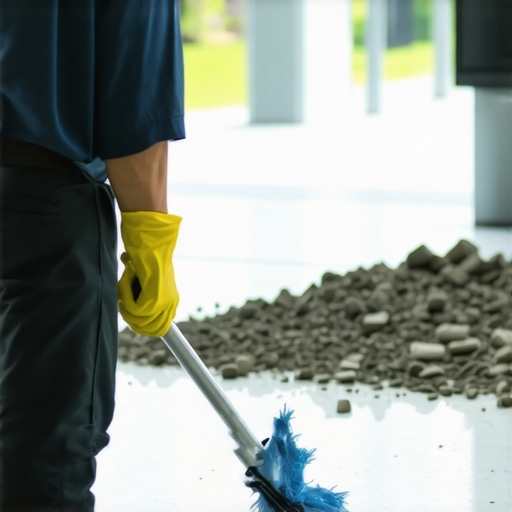
Ever spent hours scrubbing away post-construction dust and grime, only to realize that conventional cleaning products leave behind harsh chemical residues and a lingering chemical smell? I’ve been there. That lightbulb moment hit me hard one weekend after a renovation, when I looked around at the aftermath and thought, ould there be a safer, more sustainable way to clean this mess? That question led me down a rewarding path of discovering effective and eco-friendly sanitizing solutions that truly make a difference.
Why We Need Safer, Greener Cleaning Tips After Construction
Construction sites are notoriously dirty, filled with dust, debris, and potentially hazardous materials. The urgency to clean quickly and thoroughly often pushes us to reach for the toughest, chemical-laden products. But here’s the thing: those chemicals can linger in your home, affecting indoor air quality and potentially harming your family and the environment. Plus, many conventional cleaners aren’t biodegradable, contributing to pollution and waste.
In my early days of post-construction cleaning, I made the mistake of assuming that stronger chemicals meant better results. Turns out, that’s a misconception. I discovered that eco-friendly cleaning solutions can be just as powerful, if not more so, when used correctly. Not only do they protect your health, but they also support a healthier planet. According to the Environmental Protection Agency, choosing green cleaning products can significantly reduce indoor air pollution and lessen your carbon footprint.
If you’ve faced the challenge of cleaning up after a build, you know the struggle of finding solutions that are both effective and safe. Rest assured, I’ll share practical tips and trusted methods to turn your post-construction cleanup into a safer, eco-conscious process. Ready to ditch the harsh chemicals? Let’s dive into what makes these solutions work so well and how you can implement them in your own space.
Is Eco-Friendly Cleaning Actually Worth the Effort?
Early on, I questioned whether switching to green cleaning solutions was worth the extra effort or cost. I remember buying a supposedly natural disinfectant, only to find it didn’t cut through the grime as quickly as my usual chemical-laden products. That was a mistake—assuming all green solutions are less effective. I learned that the secret lies in choosing the right products and techniques, which I’ll explain in detail later. You might be surprised at how powerful eco-friendly options can be when applied correctly, especially for post-construction sanitation.
So, if you’ve ever hesitated to make the switch, or wondered if natural cleaning solutions really work, you’re not alone. My goal is to help you navigate this transition smoothly, so you can achieve a sparkling clean home without compromising your health or the environment. Curious about the best eco-friendly cleaning hacks? Stay tuned, because the next section will cover practical steps to get started—no harsh chemicals required.
Choose the Right Cleaning Solutions
Start by selecting eco-friendly cleaning products that are specifically designed for post-construction messes. Look for options labeled biodegradable, non-toxic, and free from harsh chemicals. My first experience with this was messy — I tried a natural cleaner that struggled with stubborn dust, but after switching to a proven eco-friendly disinfectant (which you can find more about in this guide), I saw faster results. Always read labels and opt for trusted brands to ensure safety and effectiveness.
Mix Your Own Eco-Friendly Cleaners
If commercial products aren’t your thing, you can make powerful solutions at home. For example, combine white vinegar, baking soda, and a few drops of essential oil to create a versatile cleaner. This mixture works well on surfaces and cuts through grime without harmful residues. During my own cleanup, I poured a vinegar-baking soda paste onto stubborn spots, let it fizz, then wiped with a microfiber cloth. The result was a spotless surface with no chemical smell, just a fresh, natural scent.
Target Dust and Debris Effectively
Dust is the biggest challenge after construction. Use a damp microfiber cloth or mop instead of dry sweeping, which can stir up more dust. For larger debris, wear a mask and gloves, and collect waste in biodegradable bags. I learned this the hard way — sweeping dry dust just spread the particles around, but damp wiping kept the dust contained and made cleanup faster. This method also prevents dust from settling into vents and crevices.
Deep Clean with Natural Solutions
Focus on high-touch areas and surfaces with natural disinfectants. Mix water with a few drops of tea tree oil or lemon essential oil for a disinfectant spray. Spray on countertops, door handles, and fixtures, then wipe with a clean cloth. During my cleanup, I used this solution on door handles, noticing how quickly the dust and germs vanished without any chemical smell lingering behind.
Sanitize and Air Out the Space
After cleaning, it’s crucial to sanitize thoroughly. Use a diluted vinegar solution or commercial eco-safe disinfectant (see this resource for trusted options). Spray evenly and allow the solution to sit for a few minutes before wiping. Open windows and doors to improve ventilation and remove any residual odors. On my last project, opening windows and using a box fan sped up drying and freshened the air, making the space feel cleaner and safer.
Final Touches for a Green Clean
Finish by vacuuming with a HEPA filter to trap fine dust particles or mopping with a natural floor cleaner. Always dispose of waste responsibly in biodegradable bags, and clean your tools for reuse. I found that maintaining a routine with eco-friendly products not only kept my home healthy but also reduced my environmental impact. Want more tips? Check out these green house cleaning tips for additional insights, or contact us for professional advice.
Many DIY enthusiasts and even some professionals underestimate the complexity of truly effective eco-friendly cleaning after construction. A frequent misconception is that green solutions are inherently weaker or less reliable than traditional chemicals. However, this oversimplification overlooks the nuanced science behind natural cleaning agents and their optimized formulations. For example, while vinegar and baking soda are popular, their effectiveness depends on proper application techniques, such as allowing vinegar to sit and react with dirt or grime before wiping. Understanding these nuances can significantly enhance results and avoid common pitfalls.
Another trap many fall into is assuming that all eco-friendly products are created equal. Not all biodegradable or non-toxic cleansers are formulated with the same standards or efficacy. Some brands may include fillers or less potent ingredients that compromise cleaning power, especially on stubborn post-construction debris. It’s crucial to choose trusted, scientifically-tested products. For instance, consulting resources like this guide can help identify truly effective eco-friendly options and avoid ineffective imposters.
Why do many people get confused about natural disinfectants
One common myth is that natural disinfectants like essential oils or vinegar can replace all chemical disinfectants. While they are excellent for general cleaning and deodorizing, their antimicrobial properties are often less potent and less broad-spectrum than synthetic disinfectants. Recent studies, such as those published in the Journal of Hospital Infection, highlight that certain natural agents require longer contact times or higher concentrations to match the efficacy of commercial disinfectants. This nuance is critical to ensure safety and sanitation in environments with residual construction dust or potential pathogens.
Moreover, many overlook the importance of proper ventilation when using eco-friendly solutions. Even natural ingredients can cause irritation or allergic reactions if not used with adequate airflow. A simple yet effective practice is to open windows and incorporate air purifiers during and after cleaning. This step enhances air quality and ensures that residual particles and odors are swiftly removed, making your space safer and more comfortable.
Finally, the biggest mistake in post-construction cleaning is neglecting the detailed stages of cleaning—initial dust removal, targeted deep cleaning, and final sanitization—using eco-friendly methods. Skipping steps or rushing through the process can leave behind residues or dust particles that compromise indoor air quality and safety. For example, improper disposal of waste or reusing contaminated tools can undo the environmental benefits of your efforts. Always clean your tools in biodegradable water-based solutions, and dispose of waste responsibly, as recommended in this resource.
In conclusion, understanding these hidden nuances and common myths can elevate your post-construction cleaning routine from basic to expert level. It’s about knowing when natural solutions suffice, how to maximize their power, and recognizing the importance of thoroughness and proper technique. Have you ever fallen into this trap? Let me know in the comments. For more advanced insights and tailored advice, don’t hesitate to reach out and elevate your eco-friendly cleaning game today!
Keep It Running: Tools I Trust for Eco-Friendly Cleanups
Maintaining an efficient and effective cleaning routine after construction hinges on having the right tools. Personally, I rely on high-quality microfiber cloths because they are reusable, trap dust better than traditional rags, and minimize chemical use. For larger debris, a durable dustpan with a rubber edge helps contain dust without scattering it back into the air. When it comes to floors, I prefer a steam mop with adjustable settings; it sanitizes without chemicals and handles stubborn dirt efficiently.
For dusting hard-to-reach areas, extendable microfiber dusters are invaluable—they allow me to reach ceiling corners and vents without scaffolding or ladders. An HEPA-filter vacuum is crucial; it captures microscopic particles and ensures that dust doesn’t settle back into the environment. I use a cordless, handheld vacuum for quick cleanups, especially in tight corners or on furniture.
To ensure I’m using eco-friendly solutions, I turn to commercial products like the ones highlighted in this resource. They are formulated to be biodegradable and non-toxic, aligning with my commitment to sustainability.
When cleaning large surfaces, I trust an ergonomic spray mop with refillable bottles—this allows me to control the amount of natural cleaner I use, preventing waste and over-spraying. For detailed work, I use small, soft-bristled brushes to dislodge stubborn dirt from crevices and grout lines.
To maintain these tools, I clean microfiber cloths in hot water and natural detergent after each use, ensuring they’re free of residual dust or chemicals. Vacuum filters are replaced regularly based on manufacturer guidance, usually every few months. This prevents loss of suction and maintains air quality.
As we look toward the future, I predict that smart cleaning gadgets—like app-controlled robotic vacuums with HEPA filters—will become standard in post-construction sanitation. They can schedule cleanings during off-hours and optimize coverage in complex spaces.
How do I keep my cleaning tools in top shape over time?
Regular maintenance is key. Wash microfiber cloths with eco-friendly detergent and air dry to preserve their fibers. Replace vacuum filters when airflow diminishes, and clean steam mop pads after each use. Store all tools in a dry, dust-free area to prolong their lifespan. Implementing a routine check-up on your equipment ensures consistent results and prevents costly replacements. For detailed guidance on sustainable maintenance practices, explore this article.
Remember, investing in high-quality, eco-friendly tools not only simplifies your cleaning process but also supports your commitment to sustainability. I encourage you to try out a steam mop or extendable microfiber duster this week and see the difference it makes! For personalized advice or to discover more trusted tools, don’t hesitate to reach out.
What I Wish I Knew About Truly Effective Green Cleaning
- One of the toughest lessons I learned was that not all natural cleaners are created equal. Early on, I relied heavily on vinegar and baking soda, but I soon realized that stubborn debris required targeted solutions and proper technique, or I was wasting time and effort.
- That misconception—that eco-friendly means less powerful—cost me a lot of frustration. The breakthrough came when I discovered professionally formulated biodegradable disinfectants that matched or exceeded the performance of traditional chemicals. Trusting science and trusted brands made all the difference.
- Another lightbulb moment was understanding the importance of thorough ventilation during and after cleaning. Even natural solutions can irritate if not used with proper airflow. Opening windows and using air purifiers sped up the process and improved indoor air quality significantly.
- Finally, I learned that consistent maintenance of my tools—like microfiber cloths and HEPA vacuums—keeps my cleaning routine both effective and sustainable. Regularly washing cloths with eco-friendly detergent and replacing filters prevents dust buildup and maintains performance.
My Arsenal of Eco-Friendly Cleaning Allies
- Biodegradable disinfectants: I swear by trusted brands that are scientifically tested for post-construction sanitation. They deliver powerful results without harming the environment, as detailed in this guide.
- Microfiber cloths: Reusable, durable, and highly effective at trapping dust and debris. I keep a stash and wash them in eco-friendly detergent regularly, which helps me stay green and clean.
- Extendable microfiber dusters: Reaching ceiling corners and vents without ladders saves time and reduces dust dispersion. They’re a game-changer in post-construction cleanup.
- HEPA-filter vacuums: Essential for trapping microscopic dust particles and ensuring my space stays truly clean. I prefer cordless, handheld models for quick touch-ups.
Take Action and Shape the Future of Green Cleaning
Embarking on eco-friendly post-construction cleaning is more than a trend—it’s a commitment to your health and the planet. The more you learn and adopt sustainable tools and techniques, the more natural and effective your cleanup becomes. Every small step counts toward creating a healthier home environment and a greener world. Ready to get started or improve your current routine? Dive into trusted resources like these tips or reach out for personalized guidance. Your eco-friendly cleaning journey begins now—what’s the first step you’ll take today?”},
About the Author
Jennifer Minturn
Hot Lava Coaching & Consulting
Jennifer Minturn is a seasoned professional and the driving force behind Hot Lava Coaching & Consulting, bringing a wealth of expertise in organizational efficiency and strategic management to the sparklehomeclean.com team. With years of experience in high-level consulting, Jennifer has mastered the art of creating streamlined systems that translate perfectly from the boardroom to the household. Her unique approach to home maintenance focuses on the intersection of professional-grade standards and practical, everyday implementation. Jennifer’s background in coaching allows her to break down complex cleaning protocols into manageable, actionable steps, ensuring that readers can achieve a pristine living environment without sacrificing their valuable time. At sparklehomeclean.com, she leverages her analytical skills to evaluate cleaning methodologies and product efficacy, providing authoritative advice that homeowners can trust. Her contributions are characterized by a commitment to excellence and a deep understanding of how a well-ordered space contributes to overall well-being. Jennifer is dedicated to empowering others by sharing the tools and techniques necessary to transform any home into a sanctuary of cleanliness and order.
LinkedIn Profile

I completely agree with the emphasis on using eco-friendly cleaning solutions post-construction. When I did a renovation last year, I found that natural solutions like vinegar and baking soda worked well on surface grime, but I had to be patient and apply them correctly—sometimes letting vinegar sit longer really made the difference. One thing I learned is that investing in good tools like microfiber cloths and HEPA-filter vacuums makes a huge difference in efficiency and dust containment. Has anyone tried using steam mops for sanitizing floors? I’ve heard they’re both effective and chemical-free, but I’d love to know how well they perform on stubborn dirt or grout.