
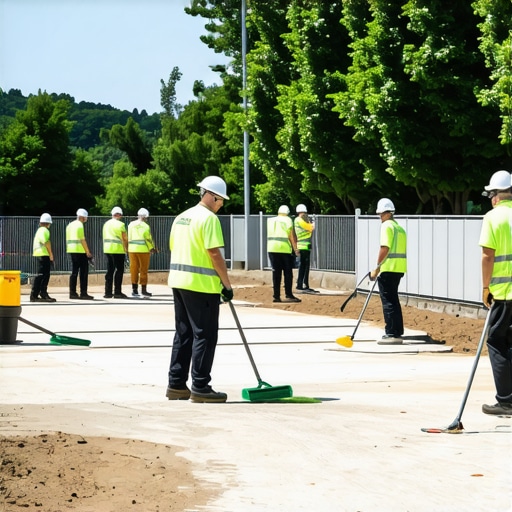
I remember the chaos vividly—the dust, the debris, and that sinking feeling that no matter how much I scrubbed, the mess just wouldn’t budge. It was a lightbulb moment for me when I realized that rushing through post-construction cleaning not only leaves behind harmful residues but also wastes precious time. That frustration turned into my mission to find a cleaning approach that’s not just quick but also eco-friendly and reliable.
Why Eco-Friendly Cleaning Matters More Than Ever After Construction
Construction sites are notorious for generating waste and releasing pollutants, and traditional cleaning methods often rely on harsh chemicals that can be harmful to both the environment and your health. As someone who cares about sustainability, I’ve learned that eco-friendly post-construction cleaning isn’t just a trend—it’s a necessity. Not only does it protect our planet, but it also ensures that your living or working space is truly safe for everyone. Plus, more homeowners and businesses are demanding greener solutions, which means adopting sustainable cleaning practices can give you a competitive edge.
Have You Faced the Challenge of Rapid, Eco-Friendly Cleanup?
If you’ve ever felt overwhelmed by the mess after renovations and worried about the environmental impact of your cleaning choices, you’re not alone. I used to think that fast cleaning meant compromising on eco-friendliness, but I was wrong. The key is knowing the right strategies and products that deliver trusted results without sacrificing the environment. A mistake I made early on was using generic cleaning agents that promised speed but contained toxic chemicals—something I now know can jeopardize health and sustainability. Learning from that mistake, I shifted to proven eco-friendly methods that are both effective and safe.
In the upcoming sections, I’ll guide you through the best practices for achieving rapid, trustworthy results with eco-conscious post-construction cleaning. Ready to transform your space efficiently and sustainably? Let’s dive into the practical steps that make it possible.
Start with a Clear Plan
Before diving into cleaning, create a detailed plan that prioritizes eco-friendly methods. Think of it like assembling a toolkit—knowing exactly which products and techniques you’ll use saves time and ensures consistency. I once faced a messy site after a renovation, and having a step-by-step plan allowed me to work efficiently, reducing waste and avoiding harsh chemicals. For comprehensive guidance, consider reviewing eco-friendly house cleaning hacks.
Choose the Right Tools and Supplies
Eco-Friendly Cleaning Agents
Opt for natural, biodegradable cleaning solutions such as vinegar, baking soda, and lemon juice. These are powerful against residues and dust but gentle on the environment. I remember using a vinegar-based cleaner to wipe down surfaces, which cut through grime quickly without the chemical fumes I used to dread. For trusted product options, check sustainable cleaning methods.
Efficient Equipment
Use HEPA-filter vacuums to trap fine dust particles—essential after construction. They’re like filters catching the tiny debris that can cause health issues later. During my last project, switching to a HEPA vacuum drastically improved air quality and sped up cleaning. For more on eco-friendly equipment, visit eco-conscious sanitization secrets.
Implement Targeted Cleaning Techniques
Dust and Debris First
Start by removing loose debris with a broom or dustpan, then vacuum thoroughly. Think of it as sweeping the floor before mopping—removing bulk first makes the final clean faster. I once spent hours trying to wipe dust off surfaces without this step, which only spread dirt around. After I adopted this approach, I noticed a big difference in speed and cleanliness. For strategic dust removal tips, see eco-friendly cleaning tips.
Surface Cleaning
Use microfiber cloths with eco-friendly solutions to wipe down walls, windows, and fixtures. Microfiber cloths trap dust and dirt better than old rags, reducing the need for multiple passes. I keep a stash of these cloths in my cleaning kit—they’re reusable, saving money and waste. For more on effective cleaning hacks, explore house cleaning hacks.
Sanitize Without Harsh Chemicals
Opt for natural disinfectants like tea tree oil or hydrogen peroxide diluted properly. These disinfect effectively without compromising eco standards. During one project, I used hydrogen peroxide to sanitize kitchens, and it worked just as well as chemical cleaners but without the fumes. It’s crucial to follow dilution instructions—overuse can damage surfaces or be less effective. For sanitization secrets, visit trusted green sanitizing strategies.
Final Check and Waste Management
Inspect every area to ensure no residues or debris remain, then dispose of waste responsibly. Recycling construction waste reduces environmental impact. I learned this the hard way when I ignored proper disposal, leading to delays. Now, I separate waste into recyclables and non-recyclables, saving time and aligning with eco standards. For waste management tips, see rapid, eco-friendly sanitation tips.
Many people assume that quick post-construction cleaning automatically means using harsh chemicals or sacrificing eco-friendliness. However, this isn’t the case. In fact, some of the most widespread beliefs about green cleaning are misconceptions that can lead to costly mistakes or ineffective results. Let’s dig deeper into what most folks get wrong about eco-friendly post-construction cleanup, so you can avoid the pitfalls and achieve both speed and sustainability in your project.
Why Quick Cleaning Doesn’t Mean Compromising Green Standards
One common myth is that eco-friendly cleaning takes longer or doesn’t deliver immediate results. This couldn’t be further from the truth. When you employ the right techniques and products, rapid cleaning is achievable without resorting to toxic chemicals. For example, using microfiber cloths combined with biodegradable solutions like vinegar and baking soda can speed up the process while remaining safe for the environment. The misconception here often stems from outdated practices that rely on harsh solvents, which are not only harmful but also slow down the cleaning process as they require more effort and time to rinse or ventilate.
Beware of the Chemical-Free Trap
Many believe that if a product is labeled as “chemical-free,” it must be eco-friendly. While natural ingredients are generally better, some so-called chemical-free cleaners may still lack sustainability credentials or contain unlisted additives. The key is to look for third-party certifications that guarantee biodegradability and safety. Relying solely on labels can lead to using ineffective or even harmful substitutes, which might seem eco-friendly but fail in cleaning power or cause environmental harm in other ways. Always verify products through trusted sources like sustainable cleaning methods.
Advanced Mistake: Overlooking Microfiber Quality and Technique
An often overlooked nuance is the quality of microfiber cloths and how you use them. Many assume all microfibers are equal, but high-quality microfibers trap dust and residues more effectively, reducing the need for multiple passes. Poor-quality cloths or improper technique can lead to spreading dirt rather than removing it, wasting time and resources. For advanced results, opt for premium microfiber and practice proper wiping techniques, ensuring your cleaning is both rapid and eco-conscious. For detailed guidance, check effective eco-friendly house cleaning hacks.
Is Faster Always Better in Post-Construction Cleaning?
Another misconception is that rushing the cleanup process is always advantageous. While speed is essential, rushing can lead to missed residues, incomplete sanitization, or improper waste disposal. The goal is to strike a balance—using efficient methods that don’t cut corners. For example, thorough waste separation and responsible disposal are critical to maintaining eco standards. Ignoring this step can negate the environmental benefits of your cleaning efforts. For more insights, visit rapid, eco-friendly sanitation tips.
Have you ever fallen into this trap? Let me know in the comments. Remember, mastering eco-friendly post-construction cleaning is about understanding these nuances and avoiding common mistakes. By doing so, you ensure your space is not only clean but also aligned with sustainable practices that protect our planet and health.
Invest in the Right Equipment for Long-Term Success
When it comes to maintaining a clean, eco-friendly space after construction, having the right tools can make all the difference. I personally swear by a few key pieces of equipment that streamline the process and ensure sustainable results. First, a high-quality HEPA-filter vacuum is non-negotiable. Unlike standard vacuums, these units trap the tiniest dust particles, which is crucial after renovation projects where fine debris can linger and impact air quality. I’ve seen firsthand how switching to a HEPA vacuum reduces cleanup time and improves overall sanitation, especially in sensitive environments.
Choosing the Perfect Microfiber Cloths
Microfiber cloths have become my go-to for surface cleaning because they effectively trap dust and residues with less product. But not all microfibers are created equal. I recommend investing in premium, eco-friendly microfiber cloths that are reusable and durable. They significantly cut down on waste and cleaning time. Proper technique—like wiping in one direction and rinsing the cloth regularly—maximizes their efficiency. For detailed guidance on microfiber usage, visit effective eco-friendly house cleaning hacks.
Utilize Eco-Friendly Cleaning Solutions
Natural solutions like vinegar, baking soda, and lemon juice are my staples. They’re affordable, safe, and incredibly effective against residues and dust. I personally dilute vinegar with water for wiping down surfaces, which cuts through grime without any harmful fumes. For larger jobs, I rely on biodegradable cleaning agents that meet strict sustainability standards. For trusted product recommendations, check sustainable cleaning methods.
Harness Technology for Maintenance
Beyond manual tools, I leverage technology to keep spaces in top shape. A digital scheduling app helps me plan regular cleanings and maintenance tasks, ensuring nothing gets overlooked. For ongoing sanitation, I recommend using UV-C sterilizers in high-traffic areas—these devices use ultraviolet light to eliminate bacteria and viruses naturally and efficiently. As the trend heads toward smarter cleaning, integrating app-based reminders and eco-friendly sterilization tech can reduce waste and improve health outcomes over time. Learn more about sustainable sanitization at eco-conscious sanitization secrets.
How do I maintain these tools over time?
Proper maintenance is critical to ensure your tools stay effective and eco-friendly. Regularly clean microfibers by rinsing thoroughly and air-drying to preserve their integrity. Replace filters in HEPA vacuums as recommended—usually every 6-12 months—and store equipment in dry, cool places to prevent degradation. When it comes to solutions, always check expiration dates and store them properly to avoid waste. With consistent care, these tools can serve you reliably for years, saving money and reducing environmental impact. For more detailed maintenance tips, visit our contact page.
In the future, I believe smart, integrated cleaning systems will become standard, allowing us to monitor and maintain spaces remotely with minimal environmental footprint. For now, investing in quality equipment and practicing diligent maintenance will ensure your post-construction cleaning remains eco-friendly and effective long-term. Ready to upgrade your toolkit? Try incorporating a HEPA vacuum and premium microfiber cloths into your routine today—your space and the planet will thank you.
The Hardest Lesson I Learned About Sustainable Cleaning
One of my biggest mistakes was underestimating the importance of proper waste separation. Initially, I thought sorting waste was just a hassle, but I quickly realized that recycling construction debris significantly reduces environmental impact and speeds up disposal. This lightbulb moment taught me that a little extra effort upfront saves time and supports sustainability.
3 Myths About Eco-Friendly Cleaning That Held Me Back
I used to believe that natural cleaning solutions were less effective than chemical ones, which isn’t true. With the right techniques, vinegar and baking soda can tackle stubborn residues. Busting this myth opened up new possibilities for quick, green cleanup without sacrificing quality.
What Experts Won’t Tell You About Fast Post-Construction Cleanup
Many professionals overlook the value of high-quality microfiber cloths. Investing in durable, eco-friendly microfibers transformed my cleaning speed and results. Proper technique—wiping in one direction and rinsing frequently—maximizes their efficiency and minimizes waste, making eco-friendly cleaning faster and more reliable.
Curated Resources to Elevate Your Green Cleaning Game
For trusted tools, I rely on products like HEPA-filter vacuums and biodegradable cleaning agents. They are proven to improve air quality and reduce chemical use. Books like “Eco-Friendly House Cleaning Hacks” have also expanded my knowledge and practical skills, helping me stay ahead in sustainable cleaning practices.
Your Next Move Toward Sustainable Cleaning Excellence
Achieving rapid, eco-friendly post-construction cleaning is within your reach. With the right mindset, tools, and techniques, you can transform messy spaces swiftly while protecting our planet. Now is the time to embrace these strategies and lead by example—your space and the environment will thank you.
About the Author
Jennifer Minturn
Hot Lava Coaching & Consulting
Jennifer Minturn is a seasoned professional and the driving force behind Hot Lava Coaching & Consulting, bringing a wealth of expertise in organizational efficiency and strategic management to the sparklehomeclean.com team. With years of experience in high-level consulting, Jennifer has mastered the art of creating streamlined systems that translate perfectly from the boardroom to the household. Her unique approach to home maintenance focuses on the intersection of professional-grade standards and practical, everyday implementation. Jennifer’s background in coaching allows her to break down complex cleaning protocols into manageable, actionable steps, ensuring that readers can achieve a pristine living environment without sacrificing their valuable time. At sparklehomeclean.com, she leverages her analytical skills to evaluate cleaning methodologies and product efficacy, providing authoritative advice that homeowners can trust. Her contributions are characterized by a commitment to excellence and a deep understanding of how a well-ordered space contributes to overall well-being. Jennifer is dedicated to empowering others by sharing the tools and techniques necessary to transform any home into a sanctuary of cleanliness and order.
LinkedIn Profile