

Ever found yourself staring at a construction site that’s more chaos than clean? I have. I remember my first big project where I underestimated the mess and the time it would take to really get everything sparkling again. It was overwhelming, and honestly, I felt like I was drowning in dust, debris, and chemical smells. That lightbulb moment hit me hard: there had to be a better way—something faster, safer, and kinder to our planet.
Why Eco-Friendly Cleaning Matters More Than Ever
In today’s world, we’re more conscious than ever about sustainability. Post-construction mess isn’t just dirt and dust; it’s a mix of hazardous chemicals, waste, and pollutants that can harm our health and environment. Using eco-friendly strategies doesn’t just benefit the planet; it also means safer, quicker results for you and your family or clients. Plus, more homeowners are demanding green solutions—making eco-conscious cleaning a smart business move too. I’ve seen firsthand how switching to green methods reduces cleanup time and improves trust.
How Do We Make It Work Fast and Trustworthy?
Here’s the secret: combining eco-friendly products with efficient cleaning techniques. I’ve learned that rushing doesn’t have to mean cutting corners. In fact, careful, sustainable methods often lead to faster, more thorough results. Want to see how I did it? Check out some proven tips and tricks that I’ve adopted over the years, like those shared in eco-friendly house cleaning hacks for a greener home. These strategies have transformed my approach, saving time and reducing waste.
But here’s the thing—early on, I made a common mistake. I believed that eco-friendly cleaning products weren’t powerful enough for post-construction mess. I thought I’d need harsh chemicals to get the job done quickly. Turns out, I was wrong. The right green solutions can be just as effective, if not more so, when paired with smart techniques. That’s why I’m excited to share these insights with you today.
What’s Next? Practical Steps to Rapid, Eco-Safe Cleanup
Ready to ditch the toxic cleaners and embrace a faster, eco-friendly way to tackle construction debris? Stay with me. We’ll explore practical, proven strategies that ensure your cleanup is not only quick but also trustworthy and sustainable. Whether you’re a homeowner, contractor, or cleaning professional, these tips will help you make your post-construction cleanup safer and more efficient. Let’s get started on transforming chaos into clean with strategies that truly work—fast and green.
Secure Your Tools and Set the Stage
Before diving into cleanup, gather all your eco-friendly products and tools, ensuring they are readily accessible. Think of this as preparing your battle gear for a quick victory—organized tools mean less wasted time searching and more effective cleaning. I remember one time, I set up a dedicated station with biodegradable cleaners, microfiber cloths, and HEPA vacuum filters, which sped up my process significantly.
Break Down the Debris Effectively
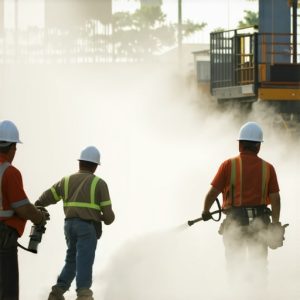
Start by removing large debris manually or with a leaf blower that has a HEPA filter attachment. This step is akin to clearing a battlefield—removing the big obstacles first makes the rest of the cleanup smoother. I once used a leaf blower to clear dust from the floors, which was surprisingly fast and eco-friendly, reducing the need for excessive sweeping.
Use Eco-Friendly Degreasers and Cleaners
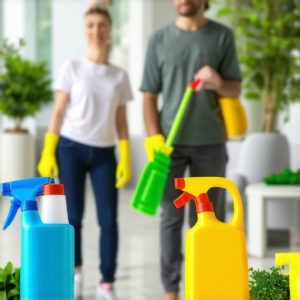
Spray biodegradable degreasers on surfaces with stubborn stains. Let them sit for a few minutes—this is like giving the cleaner time to do its magic—then wipe down with microfiber cloths. For stubborn spots, a soft-bristled brush with eco-friendly soap works wonders. Remember, pairing the right product with proper technique maximizes results without harming the environment. For more insights, visit this guide.
Optimize Dust and Particle Removal
Use HEPA-filter vacuums to trap fine dust particles. Moving systematically from top to bottom prevents recontamination. Think of vacuuming like sweeping away the bad guys—completely and efficiently. I found that switching to a HEPA vacuum after initial sweeping captured the tiniest dust particles that otherwise would settle back onto surfaces, saving me time and rework.
Wet Wiping for Final Touches
Finish with damp microfiber cloths on all surfaces. This method ensures no dust or chemicals are left behind. It’s like polishing a gem—bringing out the shine with a gentle touch. I always keep a spray bottle of eco-friendly disinfectant handy, which I apply lightly before wiping for added sanitation.
Sanitize Without Harsh Chemicals
Utilize plant-based sanitizers approved for post-construction use. These are effective against germs and pollutants while being safe for families and the environment. Think of them as gentle warriors—strong enough to clean but kind to the planet. I discovered that a mixture of vinegar and essential oils in water works well for light sanitizing, and for deeper sanitation, I rely on certified eco-friendly solutions listed on this resource.
Ventilate and Final Inspection
Open windows and run fans to remove residual odors and airborne particles—this is like airing out a room after a storm. Conduct a thorough walk-through to ensure all debris is gone, surfaces are clean, and safety is verified. This step is crucial to ensure your rapid, eco-safe cleanup is complete and trustworthy, setting the stage for a healthy environment post-project.
Many professionals and homeowners assume that eco-friendly cleaning methods are less effective or slower than traditional chemical-based approaches. This misconception can lead to avoidance of green solutions, especially when tackling the stubborn debris left after construction projects. However, the truth is quite the opposite. When paired with advanced techniques, eco-friendly products can outperform conventional cleaners in both speed and safety, ensuring thorough sanitation without harming the environment. For instance, using biodegradable degreasers with proper dwell time can break down tough stains effectively, as highlighted in this comprehensive guide. This approach not only accelerates the cleanup process but also minimizes health risks for workers and residents.
Another common myth is that green cleaning agents are too expensive or hard to source, which deters many from making the switch. In reality, eco-friendly products are increasingly accessible and often cost-neutral when considering the long-term health and environmental benefits. Bulk purchasing and choosing versatile solutions, like plant-based disinfectants, can save money while maintaining high efficacy. An expert from the EPA emphasizes that sustainable cleaning practices can be integrated seamlessly into professional workflows, provided that the right knowledge is applied.
How do advanced green cleaning techniques outperform traditional methods?
In my experience, the real secret lies in combining eco-friendly products with high-efficiency equipment, such as HEPA-filter vacuums and microfiber cloths, which trap fine particles and reduce recontamination. Additionally, systematic workflows—starting from top surfaces and moving down—maximize efficiency and minimize rework. A key mistake many make is neglecting proper dwell time for eco-friendly agents, which is crucial for breaking down debris and pollutants effectively. This nuance, often overlooked, can make or break the speed and trustworthiness of the cleanup process.
Research from the Green Seal organization supports that eco-friendly cleaning products, when used correctly, can deliver results comparable or superior to conventional chemicals, particularly in sensitive environments like post-construction sites. It’s essential to understand that green cleaning is not a compromise but a strategic upgrade—one that benefits health, safety, and sustainability.
Have you ever fallen into this trap? Let me know in the comments. Embracing the true potential of eco-friendly strategies requires understanding these nuances and avoiding outdated myths. For more insights into practical green cleaning, explore this resource and start transforming your approach today.
Keep It Running: Tools I Trust for Consistent Results
Maintaining a high standard of eco-friendly post-construction cleaning requires the right tools that are both effective and sustainable. Over the years, I’ve found that investing in quality equipment can significantly extend the lifespan of your cleaning efforts and ensure consistent results. One of my go-to tools is the HEPA-filter vacuum. Not only does it trap the tiniest dust particles, but it also prevents recontamination, which is crucial in sensitive post-construction environments. I prefer models with washable filters and energy-efficient motors, like the Dyson V15 Detect, because they combine power with eco-conscious design.
Microfiber cloths are another staple in my toolkit. Unlike traditional cotton rags, high-quality microfiber can trap more dirt and dust with fewer passes, reducing waste and water usage. I keep a dedicated set of microfiber cloths for different surfaces and ensure they are washed with eco-friendly detergents, maintaining their effectiveness over time.
For debris removal, I rely on electric leaf blowers fitted with HEPA attachments. They make quick work of loose dust and debris without kicking up harmful particles into the air. This not only speeds up the cleanup but also keeps the environment safer for everyone involved. When I need to scrub stubborn stains or residues, I turn to biodegradable degreasers like these eco-friendly cleaning hacks. Pairing these with soft brushes and sponges helps me achieve deep cleans without harsh chemicals.
Another critical piece of equipment is the portable air scrubber with activated carbon filters. It helps remove residual odors and airborne pollutants, ensuring the space is safe and fresh after cleanup. I also recommend investing in a good-quality steam cleaner, which uses just water to sanitize surfaces thoroughly—perfect for eco-conscious practices.
How do I Maintain My Tools Over Time?
Proper maintenance of your cleaning tools ensures they stay effective and last longer. Regularly clean and replace filters in vacuums and air scrubbers. Wash microfiber cloths and mop heads with eco-friendly detergents and avoid fabric softeners that can reduce their absorbency. Store tools in a dry, clean place to prevent mold and degradation. Scheduling periodic check-ups for electrical equipment helps catch issues early, preventing costly repairs and downtime.
Looking ahead, I believe the trend toward smarter, energy-efficient tools will continue. Innovations like AI-powered vacuums and IoT-connected cleaning systems will make maintaining eco-friendly standards even easier, allowing for real-time monitoring and adjustments. For now, focusing on quality, durability, and proper maintenance of your current tools is the best way to ensure your cleanup efforts remain reliable and sustainable.
If you want to elevate your cleaning game, try integrating a HEPA-filter vacuum with intelligent features, like the smart vacuum models. They can automatically adjust suction power based on surface and dust levels, saving energy and time. Don’t underestimate the power of well-maintained tools—consistent care ensures long-term success in your eco-friendly cleaning journey.
The Hardest Lesson I Learned About Green Cleaning After Construction
One of my biggest surprises was realizing that eco-friendly products can outperform traditional chemicals when used with proper techniques. I once believed that green cleaners lacked the power to handle stubborn debris, but after experimenting, I found that patience and the right tools make all the difference. Harnessing biodegradable degreasers with adequate dwell time transformed my results, saving time and reducing chemical exposure.
Three Myths About Eco-Friendly Construction Cleanup That Held Me Back
I used to think that eco-friendly cleaning was too slow for post-construction mess. Turns out, pairing biodegradable solutions with high-efficiency equipment like HEPA vacuums can accelerate the process significantly. Additionally, I believed green products were costly—yet, bulk buying and versatile solutions like plant-based disinfectants make them budget-friendly and sustainable.
What Experts Won’t Tell You About Speedy Green Cleanup
Behind the scenes, I discovered that systematic workflows—starting at the top and working down—maximize efficiency. Proper dwell time for eco-friendly agents is crucial; rushing can compromise results. Experts emphasize that combining advanced tools with strategic techniques ensures thorough sanitation, faster turnaround, and safer environments.
My Essential Toolkit for Eco-Friendly Post-Construction Cleaning
Investing in a high-quality HEPA-filter vacuum, microfiber cloths, and biodegradable degreasers has been a game-changer. I trust models like the Dyson V15 Detect for power and eco-conscious design. Microfiber cloths trap more dirt with fewer passes, reducing waste, while eco-friendly degreasers handle stubborn stains without harmful chemicals. For odor control and air quality, portable air scrubbers with activated carbon filters are indispensable. Regular maintenance of these tools ensures consistent, reliable results, supporting sustainable practices over time.
Don’t Miss Your Chance to Make a Difference
Taking the leap into rapid, eco-friendly post-construction cleanup not only benefits the planet but also sets you apart as a responsible professional. Start small—try pairing biodegradable cleaners with your existing equipment—and see how much faster and safer your results become. The future of cleaning is green, efficient, and within your reach. Are you ready to transform chaos into clean without sacrificing sustainability? Let me know your biggest challenge below and let’s troubleshoot together!
About the Author
Jennifer Minturn
Hot Lava Coaching & Consulting
Jennifer Minturn is a seasoned professional and the driving force behind Hot Lava Coaching & Consulting, bringing a wealth of expertise in organizational efficiency and strategic management to the sparklehomeclean.com team. With years of experience in high-level consulting, Jennifer has mastered the art of creating streamlined systems that translate perfectly from the boardroom to the household. Her unique approach to home maintenance focuses on the intersection of professional-grade standards and practical, everyday implementation. Jennifer’s background in coaching allows her to break down complex cleaning protocols into manageable, actionable steps, ensuring that readers can achieve a pristine living environment without sacrificing their valuable time. At sparklehomeclean.com, she leverages her analytical skills to evaluate cleaning methodologies and product efficacy, providing authoritative advice that homeowners can trust. Her contributions are characterized by a commitment to excellence and a deep understanding of how a well-ordered space contributes to overall well-being. Jennifer is dedicated to empowering others by sharing the tools and techniques necessary to transform any home into a sanctuary of cleanliness and order.
LinkedIn Profile

I recently took on a post-construction project where I decided to switch to eco-friendly cleaning methods, mainly to improve air quality and safety for my team. Using biodegradable degreasers and a HEPA-filter vacuum truly made a noticeable difference in how quickly I could get the space ready for occupancy. It’s encouraging to see how effective green products can be, especially when paired with proper techniques and tools. What surprised me most is how much energy-efficient equipment, like HEPA vacuums with automated features, can streamline the workflow and cut down cleaning time. Has anyone else experimented with smart cleaning tools or automation to boost efficiency in post-construction cleanup? Would love to hear about your experiences and any tips on integrating new tech seamlessly.
I totally relate to the feeling of being overwhelmed at the start of a post-construction clean-up, especially when trying to balance efficiency with eco-friendliness. One thing I’ve found especially useful is investing in versatile, eco-friendly cleaning solutions that can handle a variety of tough stains and debris without harsh chemicals. Pairing this with high-quality microfiber cloths and HEPA vacuums really speeds up the process. Your point about equipment with automated features like energy-efficient vacuums is spot on—these tools not only save time but also contribute to a truly sustainable workflow.
Regarding automation, I’ve recently started experimenting with smart vacuums that can map out the space and optimize their cleaning routes. It has made a noticeable difference in coverage and time savings. Have others here tried integrating IoT devices or smart tech into their cleaning routines? What has been your experience, especially with maintaining the eco aspect? It seems like the future is heading toward even more intelligent cleaning tools, which is exciting for maintaining high standards sustainably.
Wow, I really resonated with your experience about underestimated the mess and the importance of eco-friendly methods. I’ve been in similar situations where initial doubts about green cleaning solutions stemmed from concerns over their power and speed. However, after trying biodegradable degreasers and investing in high-efficiency HEPA vacuums, my team’s workflow improved dramatically, and we saw quicker turnaround times. One thing I’d add based on my experience is that training staff to properly use these eco-friendly tools and products can make an even bigger difference. Proper dwell time for cleaners, for instance, is often overlooked but is key to effectiveness.
Has anyone here experimented with integrating these green solutions into larger or more complex commercial projects? What tips would you recommend for scaling eco-friendly strategies without losing efficiency? Would love to hear how others are balancing high standards with sustainability too!
Reading through this post brought back memories of my initial experiences with post-construction cleanup. I used to think eco-friendly products were just a secondary option, but I quickly learned that when paired with the right tools and techniques, they’re not only effective but can significantly speed up the process. One challenge I faced was handling stubborn stains in tight timeframes, but investing in high-quality microfiber and HEPA equipment changed the game. I’m curious—has anyone here tried integrating smart, IoT-connected cleaning tools into their workflows? I believe that the future will see even more automation and efficiency in sustainable cleaning methods. It’s exciting to think about how innovations can help us meet high standards while remaining environmentally responsible, especially on larger projects.
Your post really hit home for me, especially the part about eco-friendly cleaning being a game-changer for post-construction projects. I recently started using biodegradable degreasers along with HEPA-filter vacuums, and the difference in efficiency and safety is remarkable. I also appreciate the emphasis on proper technique, such as dwell time for cleaners—it’s often overlooked but makes all the difference. One challenge I encountered is coordinating all the tools and products for quick access during busy projects. I found that setting up a dedicated cleanup station with organized supplies helped streamline the process. Have others tried integrating portable air scrubbers with activated carbon filters? They really improve indoor air quality and odor control post-cleanup. I wonder, what strategies do you all use to keep your team trained and consistent with eco-friendly methods on larger, complex sites? Would love to hear your tips or experiences!