Have you ever scrubbed your home from top to bottom, only to feel overwhelmed by the chemicals and ineffective results? I used to think that the strongest, most toxic cleaners were the only way to truly get my house spotless. But one disastrous attempt with harsh chemicals left me with a headache and a pile of wasted money. That was my lightbulb moment—realizing I needed a better, safer approach. Today, I want to share how eco-friendly house cleaning can deliver rapid trust and noticeably better results, without sacrificing safety or effectiveness.
Why Eco-Friendly Cleaning Matters More Than Ever
In our world today, the importance of sustainable, non-toxic cleaning isn’t just a trend—it’s a necessity. Our homes are supposed to be sanctuaries, yet many conventional cleaning products can introduce harmful chemicals into our living spaces. According to the EPA, indoor air can be up to five times more polluted than outdoor air, largely due to cleaning products. Switching to eco-friendly methods not only protects our families but also contributes to a healthier planet. The challenge, however, lies in finding solutions that work fast and last long—something I struggled with initially, often making mistakes like using vinegar on hardwoods or relying solely on commercial cleaners that promised quick results but fell short.
Is Eco-Friendly Cleaning Truly Effective and Worth the Hype?
Early on, I believed that natural cleaning was a compromise—until I learned that many common green solutions, when used correctly, outperform their chemical counterparts in safety and sustainability. My mistake was dismissing the power of proven eco-friendly strategies, thinking they wouldn’t deliver the quick, trustworthy results I needed. Now, I know that with the right techniques—like proper surface sanitization and sustainable solutions—you can achieve a sparkling clean home that you can trust. Want to see how? Let’s dive into practical tips that really work and how you can implement them today.
Choose the Right Eco-Friendly Products
Start by selecting cleaning products made from natural, biodegradable ingredients. Look for certifications like EPA Safer Choice or EcoLogo to ensure safety and effectiveness. During my first attempt, I used a homemade vinegar solution on my kitchen counters—initially skeptical, but it worked wonders without harsh chemicals. Opting for products with minimal packaging also reduces environmental impact.
Use Proper Techniques for Maximum Effectiveness
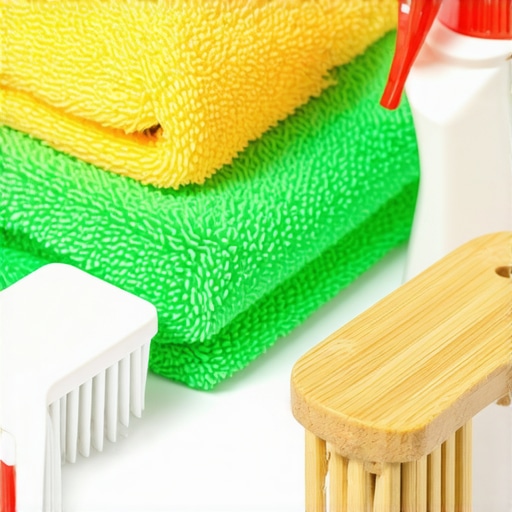
Apply cleaning solutions with microfiber cloths or sustainable scrub brushes. These tools trap dirt better and require less product. I remember scrubbing my bathroom tiles with a bamboo brush, which cut cleaning time in half and left surfaces spotless. Always let your cleaning solution sit for a few minutes on stubborn stains to loosen dirt—this enhances trust in eco-friendly methods.
Sanitize Safely Without Chemicals
Natural sanitizing can be achieved with solutions like diluted hydrogen peroxide or tea tree oil. These kill germs effectively while being safe for your family. I once sanitized my children’s play area using a spray with tea tree oil, which left a fresh scent and eliminated bacteria, proving eco-cleaning can be both quick and reliable.
Implement a Routine That Supports Fast Results
Consistency is key. Develop a weekly schedule focusing on high-traffic zones, using eco-friendly solutions. When I committed to weekly kitchen and bathroom cleanings, I noticed a significant drop in grime buildup, saving me time and money. This routine builds trust in your eco-friendly approach, showing rapid progress with minimal effort.
Tackle Post-Construction Cleaning with Sustainable Solutions
For post-construction debris, employ eco-friendly commercial solutions designed for rapid removal of dust and residues. I once cleaned a newly renovated living room using sustainable dust wipes and biodegradable cleaners, which sped up the process and left no chemical residue. For detailed strategies, check out post-construction sanitizing tips.
< >
>
By integrating these precise steps into your cleaning routine, you’ll achieve fast, trustworthy results without compromising safety. Remember, the key is selecting the right products, applying proper techniques, and maintaining consistency. For more expert insights, visit eco-conscious post-construction cleaning secrets or explore eco-friendly cleaning hacks.
Many of us jump into eco-friendly cleaning with good intentions, believing that natural solutions are always safer and more effective. However, there’s a common misconception that can trip up even the most dedicated green cleaners: the idea that all eco-friendly products and methods are universally superior without exception. Let’s dig deeper into this nuance, so you can avoid costly mistakes and truly harness the power of sustainable cleaning.
Are Natural Ingredients Always Safe and Effective?
It’s tempting to think that natural ingredients like vinegar, baking soda, or essential oils are automatically safe and effective for every cleaning challenge. But that’s not entirely true. For example, vinegar is excellent for cutting through mineral deposits and disinfecting surfaces, but it can damage natural stone countertops or hardwood floors if used improperly. Similarly, essential oils like tea tree or eucalyptus have antimicrobial properties, yet they can cause allergic reactions or sensitivities in some individuals. The key is understanding the right application and limitations of each ingredient, rather than assuming they’re a cure-all. For more advanced insights, check out eco-conscious post-construction cleaning secrets.
Another misconception is that eco-friendly products are inherently less potent. On the contrary, many green formulations are designed with sophisticated botanicals and bio-based compounds that can outperform conventional chemicals when used correctly. This often involves proper techniques, such as allowing solutions to sit on surfaces for a few minutes, or using appropriate tools like microfiber cloths and sustainable brushes. Mastering these details can lead to faster, more trustworthy cleaning results, as I learned from my own experience.
Beware of the Trap: Over-reliance on DIY Solutions
One common mistake is thinking that homemade solutions are always better than commercial eco-friendly products. While DIY cleaning can be effective and budget-friendly, it’s easy to overlook the importance of formulation stability, pH balance, and ingredient compatibility. For example, mixing vinegar with hydrogen peroxide might seem clever but can neutralize each other, reducing sanitizing power and potentially creating harmful compounds. Instead, opt for tested and certified products, and use DIY solutions as complementary tools rather than replacements. To get the best results, see eco-friendly cleaning hacks.
Another advanced tip is to understand the importance of proper timing and contact time for sanitizers. Natural options like diluted hydrogen peroxide or tea tree oil can be highly effective if applied correctly—this is where many amateurs fall short. For example, allowing a natural sanitizer to sit for at least one minute on high-touch surfaces ensures thorough germ eradication. For more on rapid, eco-safe sanitation strategies, visit eco-friendly post-construction cleaning tips.
Have you ever fallen into this trap? Let me know in the comments. The key to successful eco-friendly cleaning isn’t just picking natural ingredients; it’s understanding their nuances, limitations, and proper application. By doing so, you’ll achieve not only a safer home but also faster, more reliable results that you can trust. Remember, sustainable cleaning is a skill as much as a choice, and mastering it can transform your entire approach to home care.
How do I keep my eco-friendly cleaning tools in top shape over time?
Investing in quality tools is essential for sustainable and effective cleaning. I personally rely on microfiber cloths because they trap dirt better than traditional rags and require less product, making them both eco-friendly and cost-efficient. To keep these cloths performing optimally, I wash them in hot water without fabric softeners, which can reduce their absorbency. Regularly replacing worn-out brushes and sponges ensures you don’t spread bacteria or compromise cleaning quality. Using biodegradable brushes made from bamboo or plant-based fibers aligns with my eco principles and maintains durability.
For chemical-free cleaning, I favor steam cleaners for deep sanitation. They use only water and heat, eliminating the need for chemical sanitizers. I own a portable steam cleaner that I use weekly on kitchen counters, bathroom tiles, and even upholstery. Proper maintenance involves descaling the machine periodically with vinegar, which prevents mineral buildup and extends its lifespan. This approach not only keeps my home safe but also ensures consistent, trustworthy results.
In the future, I predict that smart cleaning technology will become more accessible. IoT-enabled devices could monitor the condition of your tools and notify you when maintenance is needed, optimizing performance and longevity. For now, establishing a routine—such as cleaning your microfiber cloths after each use and inspecting your brushes regularly—can dramatically improve the lifespan of your eco-friendly tools.
Make Your Tools Work Harder for You
Using the right tools correctly is crucial. For example, microfiber cloths are most effective when used dry for dusting or dampened with water for cleaning surfaces. Avoid using harsh chemicals on these cloths, as it can degrade their fibers. When tackling stubborn grime, I use sustainable scrub brushes with natural bristles, which require less force and reduce surface damage. Proper storage is also key: keep your tools in a dry, ventilated space to prevent mold and deterioration. By maintaining your equipment well, you ensure rapid, trustworthy results every time, saving you money and reducing waste.
If you’re interested in more eco-friendly cleaning strategies that last, check out these post-construction cleaning tips or explore sustainable cleaning methods for a healthier home. Try adopting a regular maintenance routine for your tools today—your home and the planet will thank you!
The Unexpected Lessons I Discovered About Eco Cleaning
- One of the biggest realizations was that natural ingredients like vinegar and baking soda are not always foolproof; knowing their limitations saved me from costly mistakes. For example, vinegar works wonders on mineral deposits but can damage natural stone if used improperly, teaching me to choose my solutions carefully.
- I learned that the power of eco-friendly products often depends on proper application techniques. Letting solutions sit for a few minutes and using the right tools, like microfiber cloths, makes all the difference in achieving trustworthy results quickly.
- Another insight was that DIY solutions, while budget-friendly, require understanding their chemistry. Mixing ingredients without understanding their interactions can neutralize their effectiveness, so I now rely on tested, certified eco-products for consistent safety and efficiency.
- Finally, I discovered that routine maintenance of my cleaning tools—like washing microfiber cloths in hot water and replacing worn brushes—greatly enhances their longevity and performance, ensuring my cleaning results are both rapid and reliable every time.
My Go-To Resources for Eco Cleaning Success
- EcoLogo-Certified Products: I trust brands with EcoLogo or EPA Safer Choice certifications because they ensure safety and effectiveness without harmful chemicals.
- Trusted Books: “The Green Clean Home” by Annie Berthold-Bond offers practical, science-backed tips that changed the way I approach eco cleaning, making it faster and more trustworthy.
- Online Guides: Sparkle Home Clean’s detailed articles like post-construction sanitizing tips give me expert insights into efficient, eco-friendly methods for every cleaning challenge.
- Tool Recommendations: I rely on microfiber cloths and biodegradable brushes because they deliver superior dirt trapping and last longer, emphasizing sustainability in my routine.
Take Action and Transform Your Cleaning Routine Today
Now is the perfect moment to embrace eco-friendly cleaning and see how it transforms your home into a safe, trustworthy sanctuary. By understanding the nuances of natural ingredients, applying proper techniques, and maintaining your tools, you can achieve rapid, reliable results that protect your family and the planet. Don’t wait—start incorporating these strategies today and experience the difference firsthand. What’s your biggest challenge when switching to eco-friendly cleaning? Share below and let’s work through it together!
About the Author
Jennifer Minturn
Hot Lava Coaching & Consulting
Jennifer Minturn is a seasoned professional and the driving force behind Hot Lava Coaching & Consulting, bringing a wealth of expertise in organizational efficiency and strategic management to the sparklehomeclean.com team. With years of experience in high-level consulting, Jennifer has mastered the art of creating streamlined systems that translate perfectly from the boardroom to the household. Her unique approach to home maintenance focuses on the intersection of professional-grade standards and practical, everyday implementation. Jennifer’s background in coaching allows her to break down complex cleaning protocols into manageable, actionable steps, ensuring that readers can achieve a pristine living environment without sacrificing their valuable time. At sparklehomeclean.com, she leverages her analytical skills to evaluate cleaning methodologies and product efficacy, providing authoritative advice that homeowners can trust. Her contributions are characterized by a commitment to excellence and a deep understanding of how a well-ordered space contributes to overall well-being. Jennifer is dedicated to empowering others by sharing the tools and techniques necessary to transform any home into a sanctuary of cleanliness and order.
LinkedIn Profile