
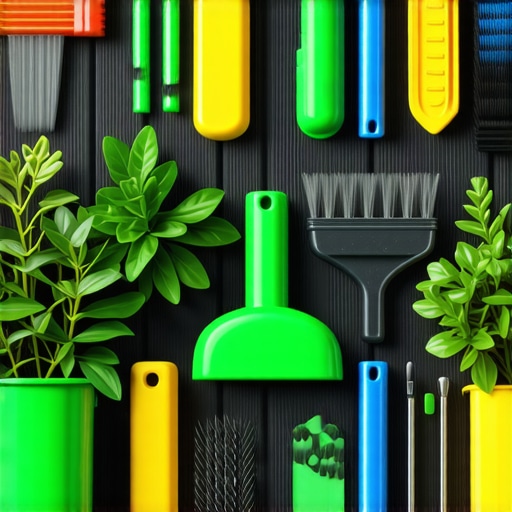
Ever had that moment after a renovation or new build where you step inside and feel overwhelmed by dust, debris, and chemical smells? I sure have. It’s like the space is saying, “Good luck cleaning this up without turning your home into a chemical lab.” I used to think eco-friendly cleaning was just a trend—until I realized how much faster and more trustworthy the results can be when I ditch harsh chemicals and adopt sustainable methods.
Why Eco-Friendly Cleaning Matters More Than Ever
When I first tackled post-construction mess, I made the mistake of using standard cleaning products because I thought they’d do the job faster. Turns out, those chemicals not only harm the environment but also pose health risks, especially in a space still airing out from construction. Plus, I found that eco-friendly solutions actually cut down on drying time and leave no toxic residues—making the space safer for everyone. According to the Environmental Protection Agency, indoor air quality can be five times worse than outdoor air, especially when construction dust and chemicals are involved. That’s a big reason to switch to greener, safer cleaning methods.
Is Eco-Friendly Post-Construction Cleaning Just Hype?
Honestly, I was skeptical at first. I worried eco solutions wouldn’t be powerful enough or would take forever to see results. My early attempts failed because I relied on old habits—using products that promised quick results but left behind residues or didn’t tackle deep grime. It’s a common mistake and one I want to help you avoid. The good news is, with the right techniques and products, eco-friendly cleaning can be just as effective, if not more so, than traditional methods. If you’re tired of wasting time and money on unreliable cleaning, keep reading. I’ll show you how to get rapid, trustworthy results that are kind to the planet and your home’s health.
Ready to transform your post-construction cleanup? Let’s dive into proven strategies that deliver real results without compromising your values. If you’ve faced this challenge before, comment below—I’d love to hear your stories and solutions.
Choose Your Eco-Friendly Cleaning Products Wisely
Start by selecting eco-friendly cleaning agents that are effective against construction dust and grime. I remember when I first used a natural all-purpose cleaner on a particularly stubborn grease spot; I was surprised how quickly it worked without leaving chemical residue. Look for products certified by reputable environmental organizations and avoid those with synthetic fragrances or toxic chemicals. For a quick start, I recommend checking out https://sparklehomeclean.com/sustainable-cleaning-methods-for-a-healthy-living-space which offers insights into selecting truly green products.
Prepare Your Space for Efficient Cleaning
Before diving into cleaning, ventilate the area thoroughly. Open windows and doors, and use fans if available. I once worked on a project where I used a handheld HEPA vacuum to remove loose dust from surfaces; this step prevents particles from settling again and makes subsequent cleaning faster. Clear away debris and move furniture to access every corner. For tips on organizing your workspace, visit https://sparklehomeclean.com/eco-friendly-house-cleaning-hacks-for-a-greener-home.
Target High-Traffic and Contaminated Areas First
Focus on cleaning surfaces that are most exposed to dust and chemicals, such as floors, walls, and windows. Use microfiber cloths and eco-friendly solutions to wipe down surfaces. I once tackled a particularly dusty living room by starting from the top down—ceiling corners, light fixtures, then floors—which prevented re-soiling. Microfiber cloths trap dust better than cotton and can be reused after washing, making your process both eco-friendly and cost-effective. For detailed techniques, see https://sparklehomeclean.com/eco-friendly-house-cleaning-tips-for-rapid-trust-results.
Employ Green Sanitizing Methods
Sanitization is crucial post-construction. Use vinegar, hydrogen peroxide, or commercial eco-friendly disinfectants that are safe and effective. I recall spraying a diluted hydrogen peroxide solution on bathroom tiles, which disinfected without the harsh smell of bleach. Apply with spray bottles or mops for even coverage. For expert-approved strategies, explore https://sparklehomeclean.com/post-construction-sanitizing-sustainable-solutions-that-shine.
Rinse and Dry with Sustainability in Mind
After cleaning, rinse surfaces with clean water to remove any remaining residues. Use microfiber cloths or reusable mops to minimize waste. I once used a squeegee on large windows, which sped up drying and prevented streaks—plus, it’s a zero-waste tool. Ventilate the space again to expedite drying and improve air quality. For additional green drying tips, check https://sparklehomeclean.com/eco-friendly-house-cleaning-tips-for-rapid-trustworthy-results-3.
Final Touches for a Fresh, Safe Environment
Finish by inspecting all surfaces for missed spots and ensuring the space is thoroughly ventilated. Use plant-based air fresheners if needed, avoiding synthetic fragrances. I learned that placing bowls of lemon or eucalyptus oil can naturally neutralize odors. This final step ensures your space is not only clean but also safe and welcoming. For more finishing techniques, visit https://sparklehomeclean.com/green-house-cleaning-tips-for-a-safer-environment.
Many homeowners and professionals believe that simply switching to eco-friendly cleaning products is enough to ensure a safe and effective post-construction cleanup. However, this is a misconception that can lead to overlooked nuances and potential mistakes. In this article, let’s dig deeper into what most people get wrong about sustainable cleaning after construction, and how mastering these details can make your process both safer and more efficient.
Why Relying Solely on Eco Labels Can Be Misleading
One of the most common myths is that all products labeled ‘green’ or ‘eco-friendly’ are equally effective and safe. In reality, many products only meet minimal standards or use vague marketing language. For example, some cleaners may be free of certain chemicals but still contain harmful preservatives or fragrances that can irritate sensitive lungs or skin. To truly benefit from eco-friendly cleaning, it’s crucial to look for products certified by reputable organizations—like Green Seal or EPA Design for the Environment—and understand their ingredients. For a comprehensive guide, check out this resource.
The Hidden Danger of Overlooking Ventilation During Cleaning
Many underestimate the importance of proper ventilation when using even eco-friendly products. While these solutions are less toxic, they can still emit volatile organic compounds (VOCs) that affect indoor air quality. A frequent mistake is to seal off the space or clean in poorly ventilated areas, trapping airborne particles and residues. This can lead to prolonged exposure, especially in homes with children, pets, or respiratory issues. Always open windows and use fans to ensure good airflow, and consider using portable HEPA air purifiers for added safety. For more tips, visit this guide.
Advanced Mistake: Ignoring Surfaces That Hold Dust and Residues
In my experience, the most overlooked aspect is the thorough cleaning of surfaces that trap dust, such as behind appliances, inside vents, or under heavy furniture. Construction dust isn’t just visible dirt; it’s a fine particulate that can linger and re-contaminate cleaned areas if not properly addressed. Many rely on surface wiping alone, but deep vacuuming with HEPA filters or using specialized dust brushes can significantly improve results. Ignoring these areas can cause dust to resettle, prolonging cleanup time and compromising indoor air quality. For advanced techniques, see this article.
Are Eco-Friendly Cleaning Products Actually as Powerful as Traditional Ones?
This is a question that often comes up with skeptical clients. The answer is, yes—if you choose the right products and apply proper techniques. Many eco-friendly solutions are formulated with plant-based enzymes and natural disinfectants that outperform chemical cleaners in certain scenarios, especially when combined with targeted cleaning strategies. For instance, vinegar and hydrogen peroxide can be highly effective against bacteria and mold if used correctly. The key is understanding the specific cleaning challenge and selecting products designed for that purpose. To see trusted methods in action, visit this link.
Have you ever fallen into this trap? Let me know in the comments. Mastering these nuances ensures your post-construction cleanup is not only eco-friendly but also thorough, safe, and efficient. Remember, sustainable cleaning isn’t just a trend—it’s a responsibility that benefits your health and the planet in the long run.
Keep It Running: Tools I Recommend for Sustainable Post-Construction Cleanup
Maintaining the effectiveness of your eco-friendly cleaning efforts over time requires investing in the right tools and understanding their proper use. From efficient vacuums to eco-conscious cleaning solutions, the right equipment can make a significant difference in achieving consistent, trustworthy results. One of my favorites is the HEPA-filter vacuum. I personally rely on it because it captures the finest dust particles, preventing re-contamination and improving indoor air quality, especially after construction projects. Regularly cleaning with a HEPA vacuum ensures dust doesn’t resettle, prolonging the cleanliness and safety of your space.
Another essential tool is a set of microfiber cloths. Unlike traditional cotton rags, microfiber traps dust and grime more effectively and can be reused after washing, reducing waste. I always keep a handful on hand for wiping down surfaces and high-touch areas, which helps maintain sanitation without relying on disposable wipes. For larger surfaces, a reusable eco-friendly mop with natural fiber heads is invaluable. It speeds up cleaning and dries faster, minimizing chemical use and water waste.
When dealing with stubborn grime or chemical residues, I turn to plant-based cleaning concentrates. These are concentrated solutions that I dilute for different tasks, ensuring minimal chemical waste and maximum effectiveness. For example, a vinegar-based degreaser works wonders on kitchen surfaces, and hydrogen peroxide is excellent for disinfecting without harsh fumes. I recommend selecting products certified by organizations like Green Seal, which guarantee eco-safety and potency. Check out this guide for more on choosing effective green cleaning products.
To maintain these tools properly, regular cleaning and inspection are key. Microfiber cloths should be washed without fabric softeners to retain their dust-trapping properties, and vacuums should be emptied and filters replaced periodically. Additionally, I recommend investing in a portable HEPA air purifier for enclosed spaces, especially if you’re cleaning in areas with residual dust or VOCs. This not only improves air quality but also helps maintain a healthy environment long-term.
Looking ahead, I predict that automation and smart cleaning devices will become more integrated into eco-friendly post-construction maintenance. Robotic vacuums with HEPA filters and IoT-enabled air purifiers could revolutionize how we keep spaces clean, making sustainability effortless and consistent. As these technologies advance, staying updated with the latest tools will be essential for scaling your cleaning efforts efficiently.
How do I maintain my cleaning tools over time?
Proper maintenance extends the lifespan of your equipment and ensures consistent performance. For microfiber cloths, wash them in warm water without fabric softeners and air-dry when possible. Regularly check vacuum filters and replace them as recommended by the manufacturer—usually every 6-12 months. For eco-friendly solutions, store concentrates in cool, dark places to preserve their potency. I also suggest periodically reviewing your toolkit, replacing worn-out items, and exploring new innovations to keep your process efficient. If you’re ready to upgrade your cleaning arsenal, consider trying a high-quality HEPA vacuum or a smart air purifier—these investments can save time and improve results over the long term. For more detailed insights, visit our contact page to discuss your needs. Remember, maintaining your tools properly is just as important as choosing the right products—it’s the key to sustainable success in your cleaning journey.
The Hardest Lesson I Learned About Sustainable Cleanup
One of the biggest realizations I had was that eco-friendly cleaning isn’t just about swapping products — it’s about understanding the nuances of effective sanitation. I once believed that natural solutions couldn’t handle tough construction grime, but I discovered that with the right techniques, they outperform chemical cleaners in safety and efficiency. This lightbulb moment taught me that patience and proper product knowledge are key to mastering green cleanup.
Turning Green Ideas into Action with My Favorite Tools
Over the years, I’ve curated a toolkit that makes sustainable post-construction cleaning a breeze. My trusted HEPA-filter vacuum captures the finest dust particles, preventing recontamination and improving indoor air quality. Microfiber cloths have become my go-to for wiping surfaces because they trap dust without waste. A reusable eco-friendly mop speeds up large-area cleaning while reducing water use. These tools, combined with plant-based concentrates like vinegar and hydrogen peroxide, deliver powerful results without harmful residues. For more insights on my toolkit, check this resource.
Your Next Step Toward a Cleaner, Safer Home
Now it’s your turn to embrace sustainable cleaning after construction. Remember, the journey isn’t about perfection but progress. With the right tools, techniques, and mindset, you can achieve rapid, trustworthy results that keep your home safe and eco-friendly. Don’t wait — start today and enjoy the peace of mind that comes with a truly green clean. If you’re curious about specific strategies or need advice tailored to your space, reach out through this contact page. Your eco-friendly cleaning journey begins now!
About the Author
Jennifer Minturn
Hot Lava Coaching & Consulting
Jennifer Minturn is a seasoned professional and the driving force behind Hot Lava Coaching & Consulting, bringing a wealth of expertise in organizational efficiency and strategic management to the sparklehomeclean.com team. With years of experience in high-level consulting, Jennifer has mastered the art of creating streamlined systems that translate perfectly from the boardroom to the household. Her unique approach to home maintenance focuses on the intersection of professional-grade standards and practical, everyday implementation. Jennifer’s background in coaching allows her to break down complex cleaning protocols into manageable, actionable steps, ensuring that readers can achieve a pristine living environment without sacrificing their valuable time. At sparklehomeclean.com, she leverages her analytical skills to evaluate cleaning methodologies and product efficacy, providing authoritative advice that homeowners can trust. Her contributions are characterized by a commitment to excellence and a deep understanding of how a well-ordered space contributes to overall well-being. Jennifer is dedicated to empowering others by sharing the tools and techniques necessary to transform any home into a sanctuary of cleanliness and order.
LinkedIn Profile
Reading this post really resonated with me, especially the part about proper ventilation during and after cleaning. I used to overlook this crucial step, but I quickly learned that even eco-friendly products can emit VOCs that linger in indoor air if not managed properly. I remember a project where I didn’t ventilate enough, and I ended up with lingering fumes that triggered allergies for a few days. Since then, I always open windows and use portable HEPA purifiers—such simple steps make a huge difference in safety and air quality.
What’s everyone’s take on using natural air purifiers, like bowls of lemon or eucalyptus oil, compared to commercial air purifiers? Have you found one more effective or easier to use in a post-construction setting? Also, I’ve started deep cleaning hidden areas behind appliances and inside vents, which I think is often underestimated. It’s amazing how much dust can hide, resettling quickly if missed. Would love to hear other tips on tackling those tricky spots efficiently.
I completely agree with the importance of proper ventilation during and after post-construction cleaning. In my experience, even eco-friendly products can release VOCs, and neglecting ventilation can lead to lingering fumes that affect indoor air quality. I’ve started incorporating natural air purifiers, such as bowls filled with eucalyptus oil, which not only smell great but also help neutralize odors without introducing chemicals into the air. It’s fascinating how such simple remedies can have a noticeable impact. Despite the effectiveness of natural options, I do rely on a good HEPA purifier for ongoing air quality control, especially in spaces with lingering dust or if anyone in the household has respiratory sensitivities. Do you think there are certain types of natural air purifiers that work better in specific spaces, like kitchens versus living rooms? Also, I’ve found that deep cleaning behind appliances and in vents indeed makes a huge difference—I double the time I spend on those hidden areas because I’ve seen how much dust can hide and reappear quickly if left unchecked. I’d love to hear how others approach cleaning these tricky spots effectively.
Reading about eco-friendly post-construction cleaning really made me think about how crucial proper ventilation is during the entire process. I’ve experienced firsthand how even natural solutions like vinegar or hydrogen peroxide can emit fumes that affect indoor air quality if we don’t give the space adequate airflow. Opening windows and using HEPA purifiers have become staples for me, especially when tackling dust-heavy environments. I’m curious, have others tried integrating portable air purifiers with ozone engines for particularly stubborn odors? Do you find them effective in larger spaces without overwhelming the environment?
Also, I appreciate the tip about cleaning behind appliances and vents; honestly, those hidden areas can hold a surprising amount of dust and debris, which can re-contaminate the surroundings if neglected. I’ve started using small vacuum attachments specifically designed for tight spaces, and it’s made a noticeable difference. What tools or techniques have others discovered to make cleaning these hard-to-reach spots less of a chore? The more I learn, the more confident I am that thoroughness in these details can truly elevate the safety and cleanliness of post-construction spaces.