
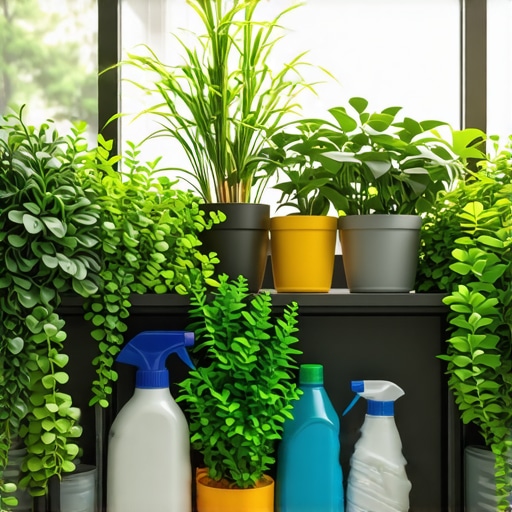
There was a moment in my cleaning routine when I realized I was wasting precious time and energy on products that promised a lot but delivered little—plus, they were harsh on my home and the environment. It hit me hard when I saw the pile of chemical-laden cleaners that I had accumulated over the years, each promising quick results but leaving behind a trail of residue and guilt. That lightbulb moment prompted me to rethink everything about how I approach house cleaning. If you’re like I was—juggling busy days and craving trustworthy, eco-friendly results—you might be feeling overwhelmed by the sheer amount of conflicting advice out there.
Today, I want to share a sustainable, effective approach that’s helped me cut through the clutter. We’ll explore proven eco-friendly house cleaning tips that actually work—fast, reliable, and kind to our planet. Because trust me, you don’t need to sacrifice safety or speed to keep your home spotless. I’ve tested these methods myself, learned from early mistakes (like over-relying on commercial products that promised eco-credentials but fell short), and now I want to help you skip the trial-and-error part.
Why Eco-Friendly Cleaning Matters More Than Ever
In recent years, the importance of choosing sustainable cleaning practices has surged. Not only does it protect the environment, but it also safeguards your family from toxic chemicals that linger in household air and surfaces. Did you know that many household cleaners contain chemicals linked to health issues like allergies and respiratory problems? According to the Environmental Working Group, some popular cleaners have ingredients that can be more harmful than you think. Switching to eco-friendly solutions isn’t just trendy; it’s a smart move for your health and the planet.
Have you ever faced the frustration of cleaning products that promised quick results but left your home feeling less than fresh? Or worse, made you worry about what you were breathing in? I’ve been there. My early mistake was relying on the cheapest chemical-laden cleaners I could find, thinking they’d save me time and money. But I quickly learned that true speed and safety come from smarter, greener choices. Now, I want to show you how to do the same—without sacrificing efficiency or peace of mind.
So, are you ready to discover cleaning strategies that are fast, trustworthy, and eco-friendly? Let’s dive into the proven tips that transformed my home and can do the same for yours.
Switch to Natural Cleaning Agents
Start by replacing chemical cleaners with simple, effective natural ingredients like vinegar, baking soda, and lemon. During my first attempt, I mixed white vinegar and water in a spray bottle, which immediately cut through grime on my kitchen counters. These ingredients are not only eco-friendly but also fast-acting. For tougher stains, sprinkle baking soda and spray vinegar to create a bubbling reaction that lifts dirt effortlessly. This method is like giving your home a deep, green cleanse without harmful residues.
Streamline Your Cleaning Routine
Focus on high-impact areas first—kitchen surfaces, bathrooms, and frequently touched spots like doorknobs. Use microfiber cloths dampened with your natural solutions; they trap dust and microbes efficiently. I learned this during a busy weekend when I tackled my entire home in under two hours. Microfiber cloths are like magnets for dirt and require only water and a bit of your homemade cleaner, making the process swift and eco-conscious. Remember to rinse and reuse them to minimize waste.
Targeted Cleaning for Speed
Instead of overhauling every corner at once, target problem zones with focused efforts. For example, I sprayed my kitchen sink with a vinegar solution, scrubbed with a baking soda paste, and rinsed—results were instant and sparkling. This targeted approach avoids unnecessary steps and saves time, ensuring you get rapid, trustworthy results.
Optimize Ventilation and Air Quality
Proper ventilation is crucial for fast drying and preventing mold. Open windows or use exhaust fans during and after cleaning. I once cleaned my bathroom with eco-friendly solutions, left the window open, and was amazed how quickly everything dried—no lingering dampness or chemical smell. Think of ventilation as your home’s natural air purifier, helping speed up the cleaning process while keeping indoor air safe.
Incorporate Post-Ceiling Cleaning Tricks
Don’t forget to address overlooked spots like ceilings and light fixtures with a microfiber duster or damp cloth. These areas can harbor dust and microbes. During my last cleaning, I used a microfiber duster treated with a tiny bit of eco-friendly cleaner on ceiling fans. The dust was lifted quickly, and the air felt fresher immediately. Regularly cleaning these areas prevents dirt build-up, making routine cleaning faster and more effective.
Leverage Eco-Friendly Sanitizers
For rapid disinfection, use solutions like hydrogen peroxide or tea tree oil diluted in water. I experimented with a tea tree oil spray on my bathroom tiles, which not only sanitized but also left a natural, refreshing scent. These DIY sanitizers act fast and are safe for your family and the environment. For post-construction or deeper sanitation needs, consider consulting specialized eco solutions like those described in post-construction sanitizing.
Maintain Consistency for Long-Term Speed
Establish a weekly cleaning schedule focusing on these eco-friendly methods. Consistency prevents dirt from piling up, making each session faster and less labor-intensive. I set a reminder to clean my kitchen every Saturday morning, which keeps the space spotless and reduces the need for intensive scrubbing. Think of this as a green investment—small, regular efforts lead to faster, more reliable results over time.
Many people believe that eco-friendly cleaning methods are less effective or slower than traditional chemical cleaners. However, this is a misconception that can hinder the adoption of healthier, sustainable habits. In reality, understanding the nuances of eco-friendly cleaning reveals that many common beliefs are based on outdated information or misconceptions. Let’s dig deeper into what most get wrong about sustainable house cleaning and how to avoid these pitfalls.
Myth: Natural Cleaners Aren’t Powerful Enough
One widespread misconception is that natural ingredients like vinegar, baking soda, and lemon can’t handle tough stains or deep cleaning. This couldn’t be further from the truth. When used correctly, these ingredients are remarkably effective, especially for routine cleaning and disinfection. For instance, vinegar is a natural disinfectant that can kill many bacteria, and baking soda acts as a gentle abrasive that lifts grime. To maximize their power, combine these ingredients strategically—such as using a vinegar solution for glass and counters, and baking soda paste for stubborn stains. For more advanced techniques, consider exploring post-construction sanitizing with eco-friendly solutions.
Are natural solutions enough for deep sanitation?
While natural cleaners are effective for most everyday tasks, some situations—like post-construction cleanup or dealing with harmful microbes—may require specialized eco-friendly products. The key is knowing the right application and not overestimating their capabilities. For comprehensive sanitation, consult trusted sources such as effective green cleaning tips.
Myth: Eco-Friendly Means Less Convenient
Many believe that switching to natural cleaning methods complicates routines or takes more time. In fact, once you establish a routine, eco-friendly cleaning can be quicker and more straightforward. For example, using microfiber cloths dampened with homemade solutions reduces the need for multiple products and minimizes waste. Plus, the rapid drying and improved air quality from proper ventilation make the process more efficient. If you’re interested in streamlining your cleaning, check out quick eco-friendly tips to boost your routine.
Most Overlooked Trap: Relying on Commercial ‘Green’ Products
Many assume that buying marketed “green” cleaning products guarantees safety and effectiveness. However, some of these products still contain questionable chemicals or unnecessary additives. The trap here is to believe that all eco-friendly products are inherently safe, which isn’t always true. The better approach is to understand the ingredients and opt for simple, proven natural ingredients or certified green products. For instance, always review ingredient lists or look for third-party certifications. To learn more, visit green house cleaning tips.
Have you ever fallen into this trap? Let me know in the comments. By understanding these nuances, you can make smarter choices that benefit your health, save time, and protect the environment.
How do I keep my eco-friendly cleaning system running smoothly over time?
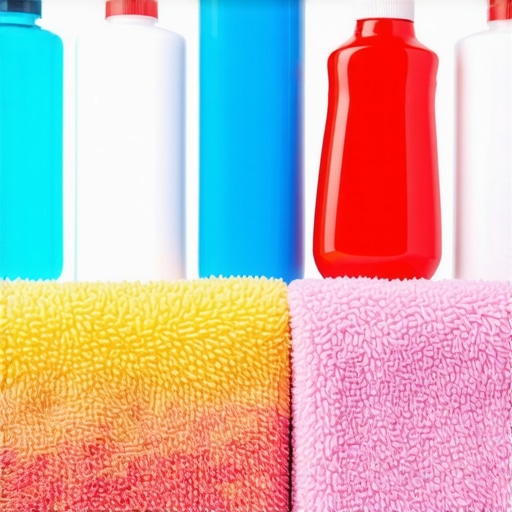
Maintaining an effective eco-friendly cleaning routine requires more than just choosing the right products; it’s about keeping your tools and techniques in top shape for lasting results. One of my go-to strategies is investing in high-quality microfiber cloths. These are not only sustainable—they can be washed and reused hundreds of times—but also incredibly durable if cared for properly. To ensure they perform optimally, I recommend washing them without fabric softeners, which can leave residues that diminish their cleaning power. Additionally, drying them on a line or using a low-heat setting helps preserve their fibers and longevity.
Another essential tool I rely on is a good spray bottle. I prefer glass bottles with a wide mouth for easy cleaning and filling. Regularly inspecting and replacing worn-out parts, such as seals, prevents leaks and maintains consistent spray patterns. When it comes to natural cleaning solutions like vinegar, baking soda, and lemon, proper storage is key. Keep these ingredients in airtight containers away from direct sunlight to prevent degradation and ensure they remain effective when needed.
To streamline your routine, consider using a digital cleaning schedule or reminder app. I personally use a calendar app that prompts me weekly to perform targeted eco-cleaning tasks, preventing dirt buildup and reducing the need for intensive scrubbing. This consistency not only prolongs the life of your cleaning tools but also ensures your home stays fresh and safe without over-relying on wasteful disposable products.
What about tools for specialized cleaning tasks?
For deeper sanitation, especially after construction or renovations, I recommend using eco-friendly disinfectants like hydrogen peroxide or tea tree oil solutions. Keep a dedicated spray bottle for these potent agents, and always label them clearly. Regularly check the expiration date of natural disinfectants and replace them as needed to maintain their effectiveness. Additionally, investing in a high-quality steam cleaner can be a game-changer for quick, chemical-free sanitation of carpets, upholstery, and hard surfaces. I find that a portable steam cleaner with adjustable temperature settings works best for versatile cleaning tasks, saving time and reducing chemical use.
Looking ahead, I predict that the trend toward smart cleaning devices integrated with eco-friendly technologies will grow. Devices that monitor air quality, moisture levels, and cleanliness can help maintain your home’s hygiene more efficiently. For now, staying diligent with your tools and maintaining them properly is your best bet for long-term success. Regularly inspecting, cleaning, and replacing your equipment ensures you keep your eco-friendly routine reliable and trustworthy. Want to take your maintenance to the next level? Try adding a dedicated microfiber cloth for each type of surface—this minimizes cross-contamination and extends the lifespan of your tools. For more insights on sustainable cleaning practices, check out sustainable cleaning methods.
< >
>
The Hardest Lesson I Learned About Eco-Friendly Cleaning
One of my biggest surprises was realizing that natural cleaning solutions are surprisingly powerful when used correctly. I once doubted vinegar and baking soda, thinking they couldn’t handle tough stains, but after experimenting, I saw immediate results. This lightbulb moment taught me that patience and proper technique are key to sustainable cleaning.
How I Discovered the Power of Streamlined Routines
Initially, I believed I needed a different product for every surface, which made cleaning slow and complicated. Then I simplified by focusing on high-impact areas and using microfiber cloths dampened with homemade solutions. This shift made my routine faster and more effective, proving that less can be more with eco-friendly methods.
My Favorite Resources for Eco-Friendly Cleaning
- Microfiber Cloths: Durable, washable, and essential for quick cleaning—I’ve used mine hundreds of times without losing effectiveness.
- Trustworthy Natural Ingredients: I rely on simple staples like vinegar, baking soda, and lemon, which are proven to work and safe for the environment.
- Educational Guides: Articles on post-construction sanitizing and green house cleaning tips provide me with actionable insights that keep my routines sharp.
Take Action and Transform Your Cleaning Approach
Now’s the perfect time to embrace eco-friendly cleaning that’s fast, reliable, and safe. With the right mindset and tools, you can enjoy a spotless home without sacrificing your health or the planet. Remember, consistency and smart strategies make all the difference—so start today and see the results for yourself.
What’s your biggest challenge when trying to keep your home eco-friendly and clean? Share your experiences below—I’d love to hear your story!
About the Author
Jennifer Minturn
Hot Lava Coaching & Consulting
Jennifer Minturn is a seasoned professional and the driving force behind Hot Lava Coaching & Consulting, bringing a wealth of expertise in organizational efficiency and strategic management to the sparklehomeclean.com team. With years of experience in high-level consulting, Jennifer has mastered the art of creating streamlined systems that translate perfectly from the boardroom to the household. Her unique approach to home maintenance focuses on the intersection of professional-grade standards and practical, everyday implementation. Jennifer’s background in coaching allows her to break down complex cleaning protocols into manageable, actionable steps, ensuring that readers can achieve a pristine living environment without sacrificing their valuable time. At sparklehomeclean.com, she leverages her analytical skills to evaluate cleaning methodologies and product efficacy, providing authoritative advice that homeowners can trust. Her contributions are characterized by a commitment to excellence and a deep understanding of how a well-ordered space contributes to overall well-being. Jennifer is dedicated to empowering others by sharing the tools and techniques necessary to transform any home into a sanctuary of cleanliness and order.
LinkedIn Profile

Reading this post really resonated with me, especially the part about using simple natural ingredients like vinegar, baking soda, and lemon. I actually started incorporating these into my cleaning routine a few months ago after realizing how many chemical products I was relying on and how overwhelming the chemical smells and residues had become. The difference in air quality and cleanliness was noticeable very quickly. One thing I’ve found particularly helpful is keeping my microfiber cloths exclusively for different surfaces—kitchen, bathroom, glass—to avoid cross-contamination and extend their usability.
I’m curious—has anyone noticed a difference in cleaning effectiveness when switching to natural ingredients? For me, patience is key, especially with stubborn stains, but I love that I can achieve a deep clean without compromising my health or the environment. What are your favorite DIY solutions or tips for tackling tough grime while staying eco-friendly?