
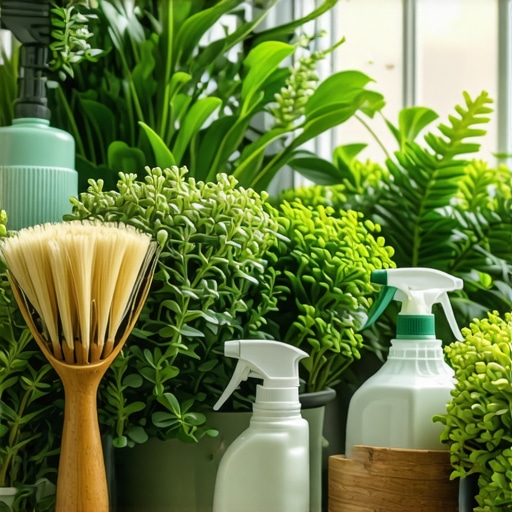
I remember the exact moment I realized my cleaning strategies were falling flat. It was after I spent hours scrubbing, only to find that stubborn stains and lingering germs still masked the surfaces. Frustration and exhaustion washed over me. That was my lightbulb moment — I needed smarter, more effective green cleaning tips that could deliver rapid results without compromising my commitment to sustainability.
Why Quick and Eco-Friendly Cleaning Matters More Than Ever
In today’s fast-paced world, nobody has the luxury to wait around for hours while cleaning. We want our homes spotless and sanitized, especially when guests are arriving or when health concerns are pressing. Plus, with growing awareness about environmental impact, traditional harsh chemicals are no longer the only option. The good news? There are proven methods to achieve rapid, eco-friendly sanitation that’s both safe for your family and gentle on the planet.
According to recent studies, sustainable cleaning methods can be just as effective, if not more so, than conventional cleaning products. For example, natural disinfectants like vinegar and essential oils have powerful antimicrobial properties. But the key isn’t just the ingredients — it’s how you use them for maximum speed and efficiency.
If you’ve ever faced the dilemma of cleaning quickly but thoroughly, you’re not alone. And if you’ve made the mistake early on of ignoring proper technique for faster results, I get it. I once tried to cut corners by skipping pre-cleaning steps, only to find out that dirt and grime hindered the disinfectant’s effectiveness. Trust me, a little knowledge about strategic cleaning can save you time and boost your results.
Have you ever felt like your green cleaning efforts just aren’t enough—especially when time is tight?
If so, keep reading. I’ll share some of my favorite tips and strategies that have transformed my cleaning routine into a swift, eco-friendly powerhouse. From choosing the right tools to applying the most effective natural solutions, I’ll guide you through the process of achieving rapid sanitation without sacrificing your commitment to a healthier home environment. Ready to get started? Let’s dive into the practical steps that make green cleaning fast, effective, and sustainable.
Choose the Right Tools for Speed and Sustainability
Start by selecting eco-friendly cleaning tools that are designed for efficiency. Microfiber cloths, for example, trap dirt and bacteria with less chemical use and dry quickly, saving you time. Use a lightweight, ergonomic mop with reusable pads to cover large areas swiftly. Investing in multi-purpose spray bottles filled with natural disinfectants ensures you won’t waste time switching between different products. When I cleaned my kitchen last weekend, I grabbed my microfiber cloths and a spray bottle of vinegar diluted with water — the surfaces sparkled in minutes without any harsh chemicals.
Pre-clean for Better Results
Before disinfecting, remove loose dirt and grime. Think of it like painting a wall: you need a clean surface for the paint to stick properly. Use a broom or vacuum for floors and wipe down surfaces with a damp cloth. This step prevents dirt from mixing with your disinfectant, making the process more effective and faster. During my last quick clean, I swept the floor and wiped down counters with a reusable cloth, which made the subsequent disinfecting process much more efficient.
Target High-Touch Areas First
Focus on surfaces that harbor germs and are touched frequently—doorknobs, light switches, handles, and electronic screens. Use a natural disinfectant like a mixture of vinegar and essential oils with proven antimicrobial properties. Spray generously and wipe with a clean cloth. This targeted approach saves time because you’re prioritizing the spots that matter most for health and safety. Once, I quickly sanitized my kitchen handles and switches, which instantly made me feel more confident about hygiene without spending hours on less critical spots.
Apply Disinfectant Strategically
For rapid sanitation, ensure your natural disinfectant stays on surfaces long enough to work—about 30 seconds to a minute. Think of it as giving the product time to do its job, like letting a marinade sit to absorb flavors. Use a spray bottle for even coverage and avoid over-wetting, which prolongs drying time. For example, I sprayed my bathroom sink and faucet, then let the solution sit while I cleaned other areas, resulting in a thoroughly sanitized surface in less than five minutes.
Optimize Drying for Quick Turnaround
Speed up the drying process with a clean, dry microfiber cloth or a squeegee for flat surfaces. For floors, air circulation helps — open windows or turn on fans. When I cleaned my kitchen last time, I used a microfiber towel to dry surfaces immediately after disinfecting, which cut down waiting time and allowed me to finish the entire cleaning in under 20 minutes.
Finish with Natural Odor Control
Add a few drops of essential oils like lemon or tea tree to your cleaning spray for a fresh scent and antimicrobial boost. This step not only leaves your home smelling clean but also reinforces your eco-friendly approach. During my recent cleaning, this small addition made the space feel instantly refreshed, and I didn’t need to use any artificial air fresheners.
By integrating these practical steps into your routine, you’ll achieve fast, effective, and sustainable cleaning results. Remember, the key is strategic prep, targeted disinfecting, and efficient drying — all while sticking to eco-friendly products. For more tips on sustainable cleaning, visit this guide.
Many people believe that eco-friendly cleaning methods are inherently less effective than traditional chemical-based products. However, this is a common misconception. In truth, when you understand the nuances of natural disinfectants and proper application techniques, you can achieve results that rival or surpass conventional cleaning. For example, vinegar and essential oils, which are often dismissed as ‘just natural,’ have been scientifically proven to possess antimicrobial properties effective against many common pathogens. According to a study published in the Journal of Applied Microbiology, natural solutions can be just as potent if used correctly, especially when combined with strategic cleaning practices.
Another myth is that eco-friendly products require more time to work or dry. While some natural disinfectants might need longer contact times, strategic steps like pre-cleaning and targeted application significantly cut down overall cleaning time. The key lies in understanding the right techniques—such as applying disinfectants to high-touch areas first and allowing them to sit for the recommended contact time before wiping or drying. This approach ensures maximum efficacy without sacrificing speed.
One of the most overlooked nuances is the importance of proper tool selection. Using microfiber cloths and reusable spray bottles not only reduces waste but also enhances cleaning efficiency. Microfiber, in particular, traps dirt and bacteria more effectively than traditional cloths, often eliminating the need for additional chemicals. This detail often gets ignored by those trying to cut corners, leading to less effective cleaning and more time spent on re-cleaning. For a comprehensive understanding of eco-conscious cleaning tools, you can visit this guide.
How can advanced cleaning techniques improve the speed and effectiveness of eco-friendly sanitation?
Advanced techniques such as zone cleaning—focusing on high-traffic areas first—and strategic disinfectant application can dramatically improve results. For instance, disinfecting high-touch surfaces first and allowing the solution to sit for the optimal contact time ensures germs are effectively neutralized, reducing the need for re-cleaning. Additionally, understanding the contact time for natural disinfectants like vinegar and essential oils is crucial. A study from the Environmental Science & Technology journal emphasizes that proper contact time is often overlooked, leading to ineffective sanitation. By mastering these nuances, you can achieve rapid, eco-friendly cleaning results that are both safe and thorough. For more detailed strategies, explore this resource.
Have you ever fallen into this trap? Let me know in the comments!
Keep Your Cleaning Arsenal in Prime Condition
To ensure your eco-friendly cleaning routine remains effective over time, investing in quality tools and maintaining them properly is crucial. I personally swear by microfiber cloths because they can be washed and reused hundreds of times, reducing waste and maintaining their cleaning prowess. Regularly inspecting and washing these cloths prevents bacteria buildup, ensuring they continue to trap dirt efficiently. Similarly, your spray bottles should be checked for leaks and cleaned periodically to prevent mold and ensure consistent spray patterns.
For larger cleaning tasks, I recommend a lightweight, ergonomic mop with reusable microfiber pads. These pads can be rinsed thoroughly and replaced after a few months, keeping your floors spotless without harsh chemicals. When I first transitioned to eco-friendly cleaning, replacing my traditional mop with a sustainable option drastically improved my efficiency and reduced waste. Remember, maintaining your tools not only prolongs their lifespan but also guarantees that every cleaning session remains as effective as the first.
Advanced Equipment That Elevates Your Routine
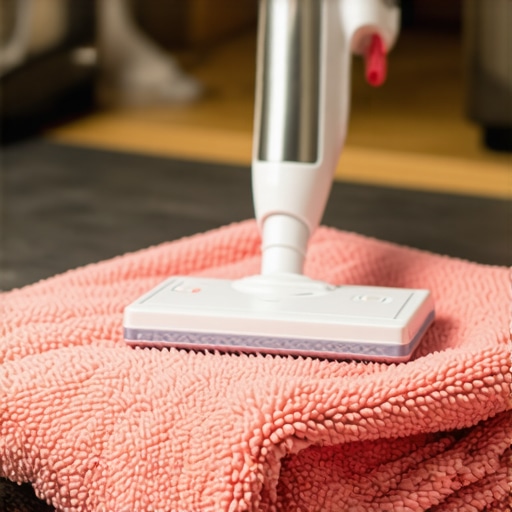
In the future, I predict smart cleaning devices will become more mainstream, with features like app-control and real-time performance monitoring. For now, I rely on a cordless steam mop for quick, chemical-free sanitizing of hard floors. Steam mops use heat and water vapor to kill germs effectively, making them perfect for eco-conscious households. They are easy to maintain—just descale periodically according to the manufacturer’s instructions—and they eliminate the need for disposable cleaning pads, aligning with sustainability goals.
Another tool I highly recommend is a handheld UV sterilizer, which can quickly sanitize surfaces like kitchen counters and electronics. These devices use ultraviolet light to destroy bacteria and viruses without chemicals. While they are an investment, their long-term benefits in health and eco-friendliness make them worthwhile. Regularly updating and maintaining such devices ensures they operate at peak efficiency, providing peace of mind during rapid cleanups.
How do I maintain cleaning tools and devices over time?
Proper maintenance involves cleaning tools after each use, storing them in dry, ventilated areas, and replacing parts as needed. For example, microfiber pads should be washed in warm water with mild detergent and air-dried to preserve their fibers. Steam mop filters need descaling every few months using a vinegar solution—this prevents mineral buildup that can reduce steam output. Additionally, keeping your UV sterilizer’s bulb clean and replacing it as recommended ensures consistent germ-killing performance. By dedicating a few minutes to care and upkeep, your tools will serve you reliably for years, supporting your ongoing commitment to sustainable cleaning. For more insights on maintaining eco-friendly cleaning equipment, visit this resource.
Integrate these maintenance routines into your regular cleaning schedule, and you’ll enjoy consistent, rapid results while extending the lifespan of your eco-friendly tools. A proactive approach to tool care is essential for long-term success, especially as these technologies continue to evolve. Stay ahead by trying out a steam mop or UV sterilizer today, and experience how effective and sustainable cleaning can be when your equipment is in top shape.
< >
>
The Hardest Lesson I Learned About Green Cleaning Speed
One of my biggest lightbulb moments was realizing that rushing through cleaning sessions often led to missed spots and ineffective sanitation. I used to think that quick cleaning meant skipping steps, but I learned that strategic pre-cleaning and tool choice are what truly accelerate results. This personal insight transformed my approach from hurried to smart, ensuring eco-friendly methods work faster without compromising quality.
My Essential Toolkit for Eco-Friendly Sanitation
Over time, I discovered that microfiber cloths, reusable spray bottles filled with natural disinfectants, and steam mops are game-changers. I trust microfiber for its dirt-trapping power, reducing the need for chemical cleaners. Steam mops use heat to sanitize floors rapidly, aligning perfectly with sustainability goals. These tools, combined with proper maintenance, keep my routine efficient and eco-conscious, inspiring me to share these secrets with others.
Don’t Wait to Make a Difference in Your Cleaning Routine
Embrace these eco-friendly strategies today and see how quickly your home can be spotless and safe. Remember, every small change—like choosing natural disinfectants and maintaining your tools—adds up to a healthier environment and a more efficient cleaning process. If I can do it, so can you! Ready to make your cleaning routine faster and greener? Visit this contact page for support and personalized guidance. What’s your biggest challenge in eco-friendly cleaning? Share below and let’s troubleshoot together!
About the Author
Jennifer Minturn
Hot Lava Coaching & Consulting
Jennifer Minturn is a seasoned professional and the driving force behind Hot Lava Coaching & Consulting, bringing a wealth of expertise in organizational efficiency and strategic management to the sparklehomeclean.com team. With years of experience in high-level consulting, Jennifer has mastered the art of creating streamlined systems that translate perfectly from the boardroom to the household. Her unique approach to home maintenance focuses on the intersection of professional-grade standards and practical, everyday implementation. Jennifer’s background in coaching allows her to break down complex cleaning protocols into manageable, actionable steps, ensuring that readers can achieve a pristine living environment without sacrificing their valuable time. At sparklehomeclean.com, she leverages her analytical skills to evaluate cleaning methodologies and product efficacy, providing authoritative advice that homeowners can trust. Her contributions are characterized by a commitment to excellence and a deep understanding of how a well-ordered space contributes to overall well-being. Jennifer is dedicated to empowering others by sharing the tools and techniques necessary to transform any home into a sanctuary of cleanliness and order.
LinkedIn Profile
![Read more about the article Ditch the Fumes: 5 Best Plant-Based Kitchen Degreasers [2026]](https://sparklehomeclean.com/wp-content/uploads/2026/02/Ditch-the-Fumes-5-Best-Plant-Based-Kitchen-Degreasers-2026-300x300.jpeg)
This article really resonated with me because I’ve struggled with making eco-friendly cleaning both quick and thorough. I totally agree about pre-cleaning being a game changer—that step often gets overlooked, but it sets the stage for everything else. I’ve started using microfiber cloths for most surfaces, and I’ve noticed a huge difference in how much faster my cleaning sessions are now, plus the surfaces stay fresher longer. I’m curious, what are your thoughts on using steam cleaners for tougher stains in an eco-friendly setup? I’ve been considering investing in one to boost efficiency without resorting to harsh chemicals. It seems like a smart way to enhance the speed and effectiveness of natural cleaning methods, especially on floors and tiles. Would love to hear others’ experiences or tips on integrating steam cleaning into a sustainable routine.
I really appreciated this detailed guide because it highlights the importance of choosing the right tools and techniques for eco-friendly cleaning. Personally, I’ve found that microfiber cloths and reusable spray bottles do indeed make a big difference in efficiency. But what really tipped the scale for me was discovering how much faster pre-cleaning actually accelerates the entire process—especially when dealing with high-traffic areas like kitchens and bathrooms.
I’ve been experimenting with steam cleaners as well, especially for tiles and stubborn stains, and I find they complement natural disinfectants very well. They’re fast and chemical-free, but I’d love to hear from others how they manage the maintenance of such equipment to keep it in top shape. Also, do you think UV sterilizers are worth the investment for home use?
What’s your experience with balancing eco-consciousness and time management during cleaning? I’m always looking for smarter ways to keep my home spotless without sacrificing sustainability.
This post really hits home for me because I’ve been on a quest to streamline my eco-friendly cleaning routine. Pre-cleaning really makes a difference—it’s like setting the stage for everything else to go smoothly. I’ve also started using microfiber cloths, which are fantastic for trapping dirt and bacteria, and they reduce the need for harsh chemicals. One thing I’ve found especially helpful is using essential oils like tea tree or lemon not just for scent but for their antimicrobial properties, which enhances the disinfecting power naturally.
Regarding tools, I recently invested in a cordless steam mop, and it’s been a game-changer for quick, chemical-free sanitizing of my tiled floors. Maintenance is pretty straightforward—regular descaling with vinegar keeps it running efficiently. My question is, do any of you use UV sterilizers at home? I’m curious about their practicality and whether they truly add value to an eco-conscious cleaning routine.
Would love to hear more tips on maintaining cleaning equipment for long-term effective use, especially from those who focus on sustainability. What best practices have you adopted? It’s inspiring to see how smarter cleaning strategies can protect our health and the environment at the same time.